The global economy is entering a more complicated phase than the familiar post-pandemic debate over inflation and interest rates. It is now being pulled in three directions at once: an energy shock linked to conflict in the Middle East, an investment boom driven by artificial intelligence and public debt approaching levels not seen since the Second World War.
Kristalina Georgieva, managing director of the International Monetary Fund, described the combination this week as a set of “crosscurrents” that will test governments and central banks. The IMF chief said global public debt is on track to exceed 100% of world output, while AI hardware and related products already account for more than 10% of global goods trade. Anadolu Agency reported that Georgieva estimates AI could eventually add up to 0.5 percentage points to annual global growth if countries manage the transition effectively.
Energy turns growth into a policy problem
The immediate pressure is energy. The war involving Iran has disrupted fuel supplies from the Middle East and raised fears about traffic through the Strait of Hormuz, a critical route for global oil shipments. Brent crude recently settled above $104 a barrel before easing after US President Donald Trump said Washington would not attack Iran before next month’s midterm elections. The market reaction illustrated how quickly geopolitical statements can move inflation expectations. The Rio Times reported that Brent fell toward $103 after the announcement.
Higher energy prices act like a tax on households and businesses. Consumers have less money for discretionary purchases, while manufacturers, transport companies and food producers face higher costs. Unlike demand-driven inflation, an oil shock can weaken growth even as it keeps prices elevated, leaving central banks with an uncomfortable choice between supporting activity and restraining inflation.
European consumers are already seeing that pressure. Energy-price inflation in the region rose to 18.8% in September from 14.3% a month earlier, according to Le Monde. European officials have warned that the coming winter could bring very high prices, and the bloc’s energy commissioner has proposed delaying some greenhouse-gas monitoring rules by a year.
AI boom: productivity promise, financial risk
At the same time, AI is generating a powerful counterforce. Spending on advanced chips, data centers and electricity infrastructure is supporting technology companies, construction and industrial suppliers. The boom has also lifted financial markets and helped sustain growth in economies that are otherwise confronting high borrowing costs.
Malaysia offers an example of the geographic shift under way. Data-center investment reportedly accounts for about 18% of its GDP, alongside recent growth of roughly 6%. Deloitte described Southeast Asia as an increasingly important center for AI-related investment.
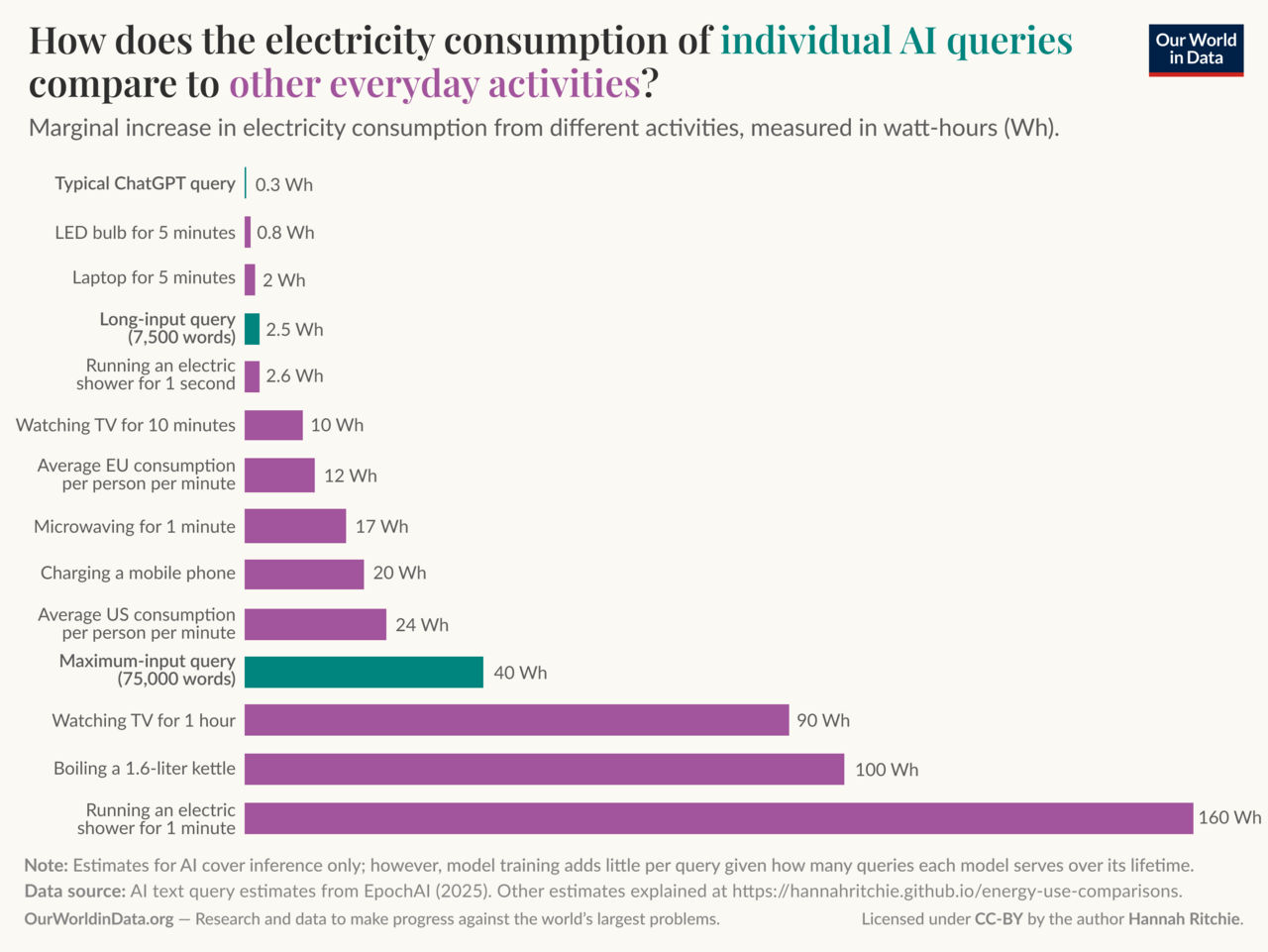
The optimistic case is that these investments eventually raise productivity: businesses automate routine work, researchers develop new products and governments deliver services more efficiently. But the benefits are neither automatic nor evenly distributed. Data centers consume large amounts of electricity and water, while the value of AI may accrue disproportionately to the companies and countries controlling advanced chips, cloud infrastructure and intellectual property.
There is also a financial vulnerability. AI-related equities have become central to market valuations, even as companies borrow heavily to fund expansion. If expected revenue growth fails to justify the spending, a correction could weaken investment well beyond the technology sector. Recent reports of weaker-than-expected revenue at OpenAI coincided with declines in major technology indexes, highlighting the sensitivity of the trade. CNN’s business coverage listed the report among the week’s major technology stories.
Debt limits the response
Governments would normally respond to an energy shock with subsidies or tax relief and respond to weak growth with public investment. High debt makes both options harder. Rising bond yields increase the cost of refinancing existing obligations, forcing finance ministries to choose between protecting households, funding strategic industries and preserving investor confidence.
Georgieva urged countries to pursue credible fiscal-consolidation plans while protecting vulnerable people. She also called for energy security, worker training and regulation capable of spreading AI’s gains more broadly. The IMF’s position reflects a difficult compromise: austerity could stabilize public finances but deepen inequality or weaken demand, while unrestricted spending could worsen inflation and debt-service costs.
What comes next
The next phase will depend on whether the energy crisis remains temporary and whether AI investment produces measurable productivity rather than a narrow asset boom. Central banks are likely to keep inflation risks in view, particularly where energy costs and government borrowing are pushing prices higher. Investors will watch bond yields as closely as technology earnings.
Policy choices will also expose competing national models. The United States has emphasized voluntary industry commitments and executive action to preserve its AI lead, while the European Union has pursued more formal regulation and China has combined state direction with industrial policy. The Daily Star reported that the three powers are following distinct approaches to governing advanced AI.
The central question is therefore not whether AI will transform the economy. It is whether governments can convert the investment surge into broad productivity gains while absorbing an energy shock and preventing debt from becoming the constraint that determines every other policy. The answer will shape growth, inflation and political stability long after the current market headlines have faded.