The war between the United States and Iran has become more than a regional security crisis. Its wider significance lies in the collision between energy vulnerability, already-slowing global growth and a diplomatic process that could either contain the shock or deepen it.
Oil markets have so far reacted less dramatically than the rhetoric surrounding the conflict. Prices have moved sharply enough to lift concerns about diesel and transport costs, but investors are also weighing the possibility of negotiations and the prospect that shipping through the Strait of Hormuz can continue. That calculation explains the market’s relative restraint: traders are pricing both disruption and a possible exit.
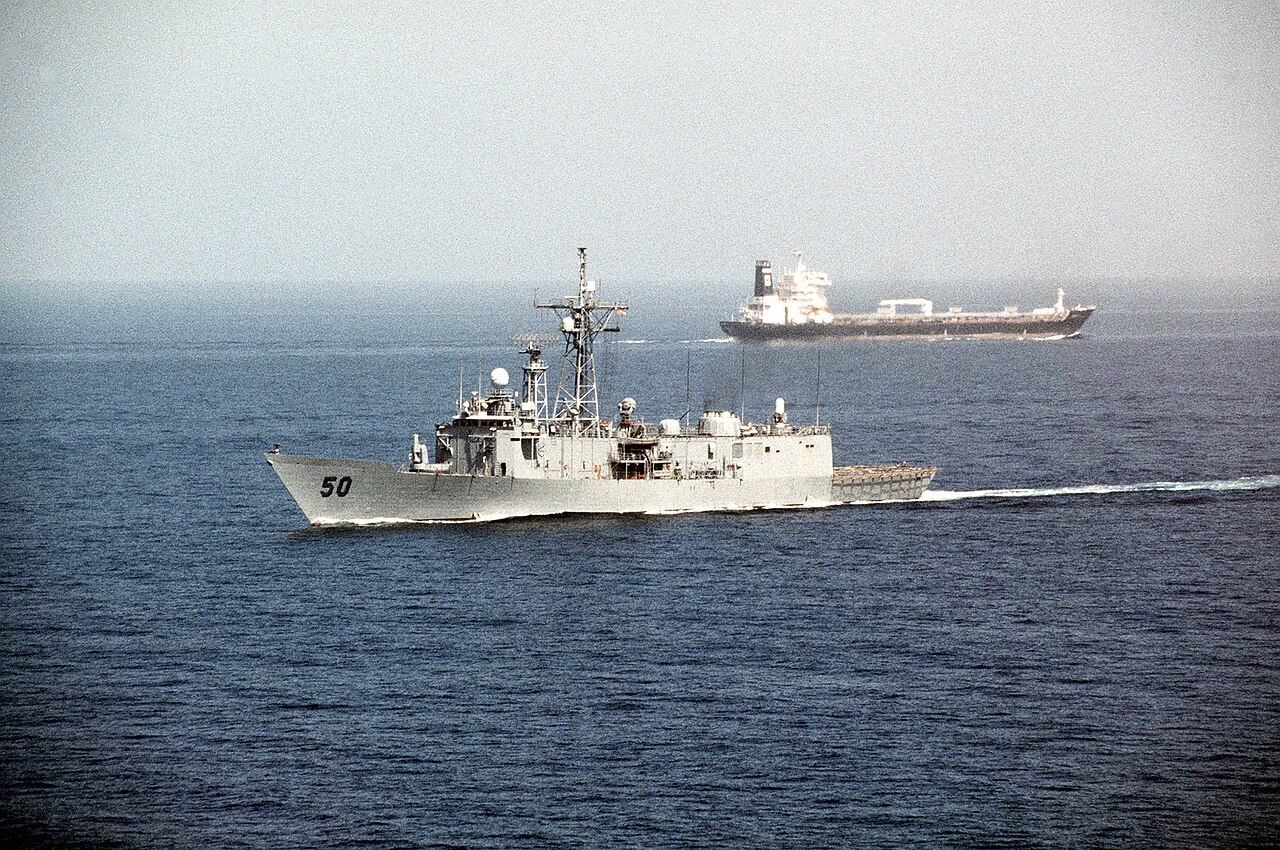
The stakes are unusually high because the strait is a central route for global energy shipments. Even a temporary interruption would raise freight, insurance and fuel costs, feeding inflation well beyond the Middle East. The International Monetary Fund has modeled the danger in three scenarios. Its severe case assumes prolonged energy disruption, global growth falling to about 2% in 2026 and 2027, and inflation exceeding 6%.
Why the world economy is exposed
The global economy entered the crisis with limited room for error. The IMF’s July outlook projected growth of 3% in 2026 and 3.4% in 2027, while the United Nations forecast a weaker 2.7% expansion this year. The difference reflects uncertainty over trade, investment and the durability of the technology boom, but both forecasts point to an economy growing below its pre-pandemic average.
Higher energy prices would affect countries unevenly. Import-dependent economies in Europe, Asia and Africa would face pressure on household purchasing power and public finances. Oil exporters could gain revenue, but only if higher prices do not destroy demand or trigger political instability. Lower-income states are particularly exposed because fuel and food account for a larger share of household spending.
Central banks would face an uncomfortable choice. Raising interest rates to contain energy-driven inflation could further weaken investment and employment; tolerating the shock could allow temporary price increases to become embedded in wages and expectations. The IMF’s adverse scenario projects growth at 2.5% and inflation at 5.4%, illustrating how quickly an energy crisis can become a broader financial one.
The technology cushion—and its limits
One reason the global outlook has not deteriorated more sharply is the strength of AI-related investment. The European Central Bank says global trade has benefited from AI shipments and from companies bringing forward purchases ahead of tariff and energy risks. The IMF likewise identifies faster AI adoption as a force partly offsetting the economic damage from the Middle East war.
That support is real but concentrated. Semiconductor production, data-center construction and software investment can lift trade and productivity, yet they do not immediately replace physical fuel in transport, heating or industry. The ECB has also warned that higher energy costs and stronger demand for AI-related goods are intensifying price pressures. In other words, the same investment cycle that supports growth can add to bottlenecks and inflation.
There is also a political risk. If governments subsidize energy bills or strategic industries, they may cushion consumers while increasing deficits. If they do not, public anger could constrain foreign-policy choices and make sanctions harder to sustain.
Diplomacy is now the economic variable
US President Donald Trump has threatened escalation while leaving open the possibility of a peace agreement. Iran has reportedly responded to a US proposal, and Tehran’s economy is under additional pressure from sanctions targeting sectors including rail and automobiles, according to The Independent.
Washington’s supporters argue that economic pressure can force Tehran toward concessions and prevent Iran from rebuilding military capacity. Critics counter that sanctions and threats can harden the Iranian leadership’s position, increase civilian hardship and make miscalculation more likely. Neither side can assume that economic pain translates neatly into diplomatic surrender.
The next phase will depend on three tests: whether shipping remains reliable, whether negotiations produce a verifiable framework, and whether regional actors widen or contain the conflict. A short war could leave a manageable inflationary scar. A prolonged confrontation, especially one affecting energy infrastructure or maritime traffic, would expose the weakness beneath today’s headline growth figures.
The central lesson is that resilience is not the same as immunity. Global trade, AI investment and diversified energy supplies have bought time, but they cannot remove the strategic importance of the Gulf. Markets may be waiting for diplomacy; governments are preparing for the possibility that diplomacy fails.