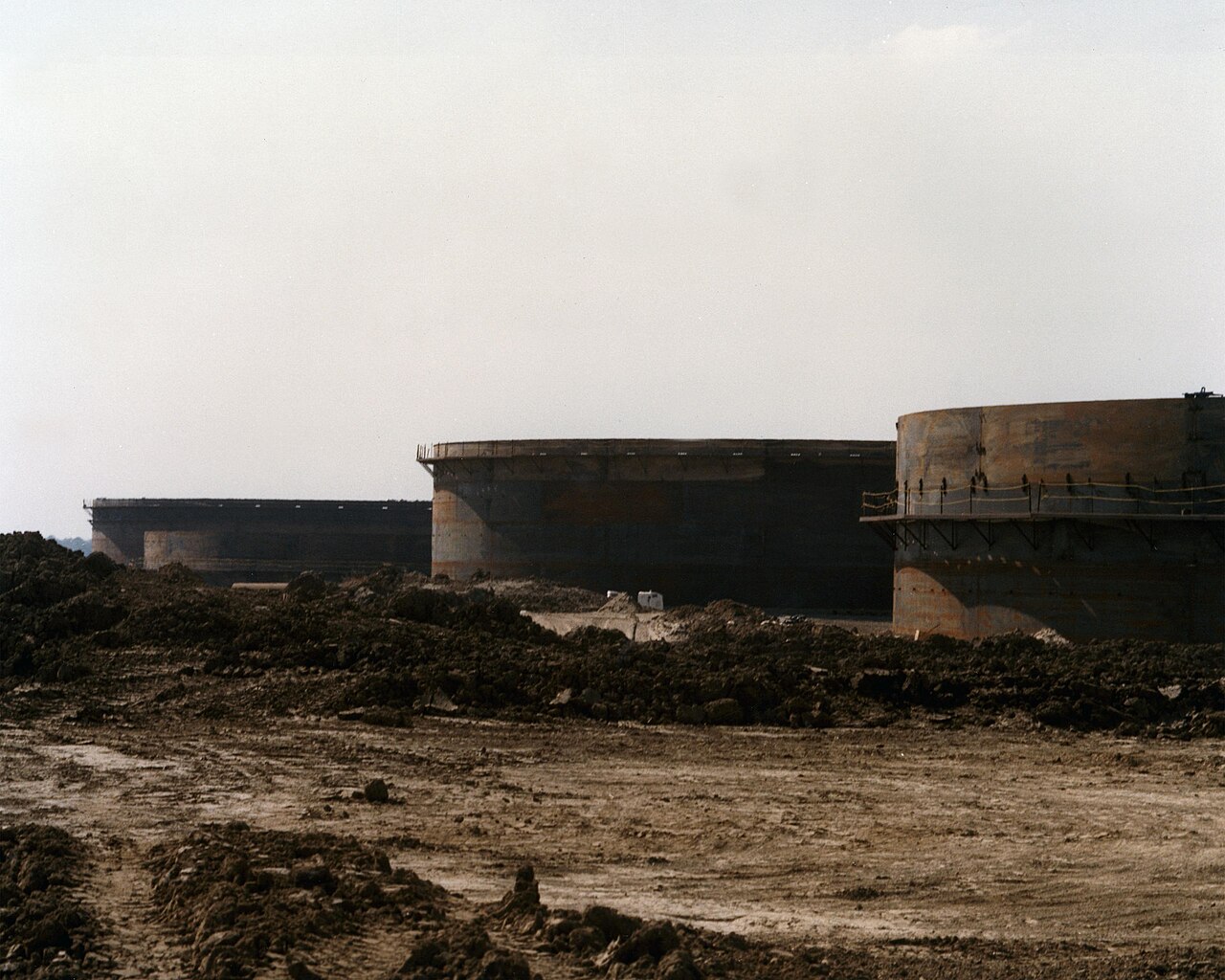
Commentary. The decision by G7 countries to release 100 million barrels of crude and diesel from strategic reserves is understandable. With energy markets roiled by conflict, disruption around the Strait of Hormuz and fears of wider economic damage, governments have a duty to protect households and businesses from an abrupt price shock. But the move also exposes a contradiction at the heart of today’s energy politics: leaders continue to describe fossil fuels as an emergency, even as they rely on them as the foundation of the system.
The reserve release is not, by itself, a climate failure. Strategic stocks exist precisely for moments when supply is threatened. A temporary increase in available fuel can limit panic, reduce the risk of shortages and give governments time to protect vulnerable consumers. The International Energy Agency has long treated emergency stocks as a tool for stabilizing markets during major disruptions. In that narrow sense, using them is responsible policy, not hypocrisy.
The concern is what follows. Politico reported that the G7 announcement came after pressure from the White House, while other coverage described the coordinated release as a response to surging prices and market volatility.[Source: Politico] If emergency reserves become the preferred answer to every energy crisis, governments will keep subsidizing dependence rather than reducing it.
Relief is necessary—but not sufficient
The strongest argument for the release is economic. Energy shocks rarely remain confined to petrol stations. They raise transport costs, feed inflation and hit lower-income households hardest because energy and food take up a larger share of their budgets. A government that refuses to act while families face sudden price increases is not demonstrating climate leadership; it is abandoning the public whose support any durable transition requires.
There is also a geopolitical case. A coordinated release can signal that consuming countries will not be easily coerced by supply disruptions. It may buy time for diplomacy and reduce the incentive for panic buying. Those benefits are real, even if the barrels themselves cannot solve a structural shortage.
Yet the counterargument is equally serious. Strategic reserves are finite, and releasing them can defer rather than resolve the underlying problem. If producers or traders conclude that governments will repeatedly cushion fossil-fuel markets, the policy may weaken incentives to diversify transport, improve efficiency and build clean power. Emergency intervention can become a political habit: immediate relief today, greater vulnerability tomorrow.
The missing half of the policy
For that reason, every reserve release should come with a public timetable for reducing demand. That does not mean imposing sudden austerity on households. It means accelerating measures that lower exposure to volatile fuel markets: better public transit, home insulation, heat pumps, grid investment, renewable generation and support for workers and regions tied to carbon-intensive industries.
The European Union’s recent decision to retain more spare carbon permits in its emissions-trading system shows the same dilemma from another angle. Reuters reported that EU countries sought to prevent sharp carbon-price spikes, a move intended to protect market stability.[Source: Reuters] Stability matters, but climate policy that is constantly softened whenever costs become politically uncomfortable will not deliver the investment signals it promises.
Critics of faster decarbonization will say this is unrealistic. Electrification takes time, grids face bottlenecks and many industries cannot switch fuels overnight. They are right to reject slogans that ignore engineering and affordability. A transition that raises bills without reliable alternatives will provoke backlash and ultimately slow itself.
But realism cuts both ways. It is not realistic to assume that oil markets will remain stable, that geopolitical crises will be rare or that climate damages will wait for a convenient political moment. The prudent response is not to pretend fossil fuels can disappear instantly. It is to make every emergency less damaging than the last.
What governments owe the public
The G7 reserve release should therefore be judged by what it finances and changes next. If it protects consumers while governments expand clean infrastructure and targeted assistance, it can be a defensible bridge. If it merely suppresses prices until the next crisis, it will be an expensive postponement.
Our view is straightforward: emergency oil is sometimes necessary, but permanent emergency thinking is not. Leaders should explain the limits of the intervention, publish the cost, protect low-income households and commit the resulting political capital to reducing fossil-fuel dependence. The credibility of climate policy will not be measured by whether governments ever use oil reserves. It will be measured by whether they need to use them again and again.