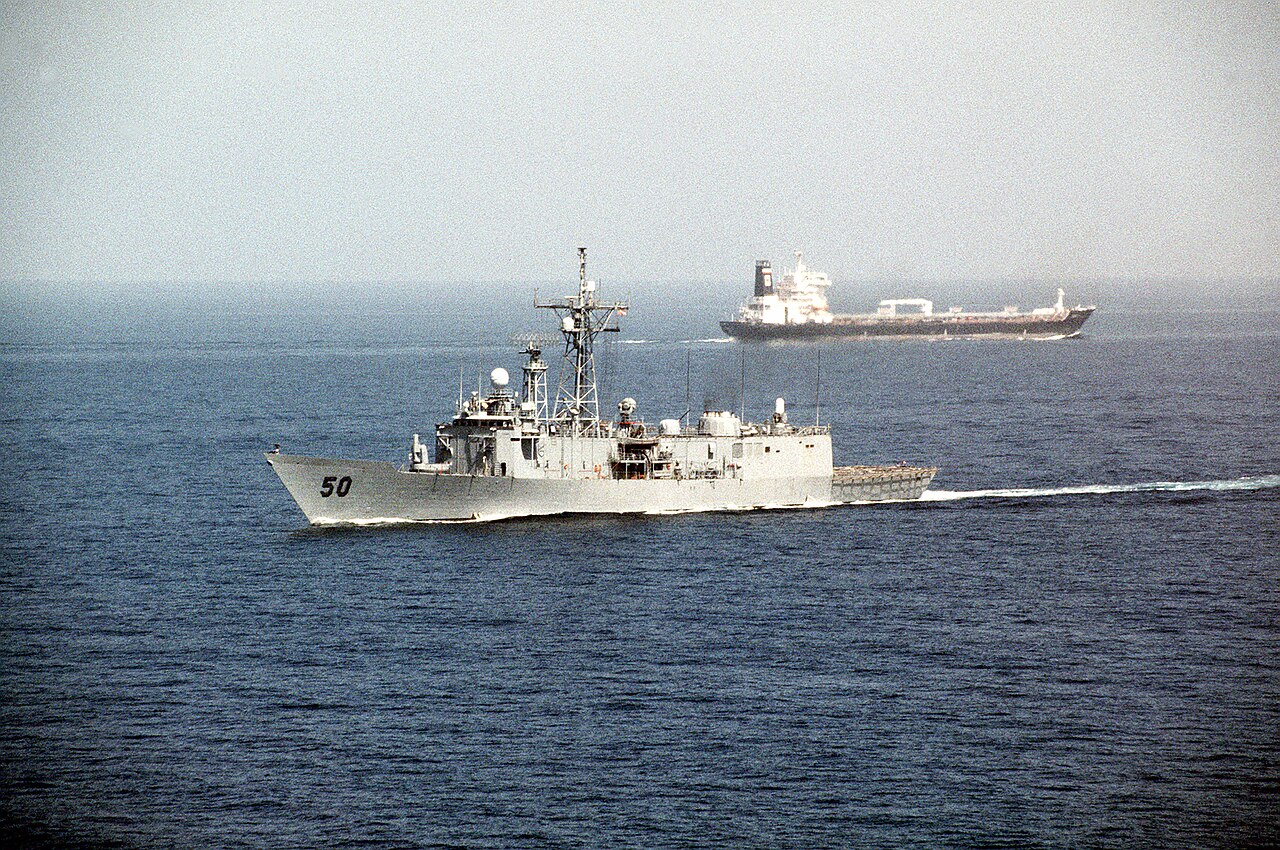
Commentary. The widening conflict around Iran and the Strait of Hormuz is being treated primarily as an energy emergency. That is understandable: disruptions to one of the world’s most important shipping routes quickly reach households through fuel, food and transport prices. But the deeper test is political. Governments now have to decide whether to contain a dangerous crisis or use it to justify a larger, less controllable war.
Recent developments point in both directions. The G7 has agreed to release 100 million barrels from emergency reserves over four months, while urging producers to avoid export bans and coordinating refinery operations. At the same time, Washington has imposed new sanctions on Iran and is reportedly preparing to add a third carrier strike group and thousands of personnel to the region. Talks aimed at ending the conflict and reopening the strait have appeared to stall.
Our view is straightforward: emergency energy measures are defensible; military escalation without a credible diplomatic objective is not. A reserve release can buy time. More troops and ships may deter attacks. But neither measure substitutes for negotiations, and neither should become an automatic response to every new incident.
Security is real—but so is the risk of overreaction
The case for a firmer response deserves to be taken seriously. If tankers are attacked or commercial passage is obstructed, governments have a responsibility to protect civilians, shipping crews and the global economy. A perception that coercion can close a vital route without consequence could invite further attacks. Allies in the Gulf also need reassurance that security commitments are not merely rhetorical.
Yet deterrence is not the same as escalation. A larger military presence can reduce risks in one moment while increasing the chance of miscalculation in the next. In a crowded maritime theatre, a warning shot, drone strike or misunderstood manoeuvre can produce pressure for retaliation before leaders have established what happened. The reported impasse in talks should therefore be treated as a reason to intensify diplomacy, not as proof that diplomacy has failed.
“The group reaffirmed its commitment to refrain from export restrictions on energy among G7 countries.”
That principle matters beyond the immediate price shock. Export controls and retaliatory blockades may look decisive, but they shift the cost of confrontation onto people far from the battlefield. The World Food Programme has warned that renewed fighting in Yemen is aggravating an already severe hunger crisis, while a UN Women analysis projects that women and girls will account for 53% of the additional people facing food insecurity by year’s end because of the regional escalation and shipping disruption.
Temporary relief must not become permanent dependency
Reserve releases are useful precisely because they are temporary. They can smooth a sudden supply shock and prevent panic from amplifying prices. They cannot solve a structural vulnerability: global energy markets remain exposed to conflict in a narrow maritime corridor. Governments should use this moment to accelerate efficiency, diversify energy sources and protect low-income households, rather than simply subsidize consumption until the next crisis.
That agenda has costs. Diversification can raise prices in the short term, while new infrastructure takes years. Some governments will argue that domestic production and military protection are faster and more reliable than climate or energy reforms. Businesses facing higher fuel bills may reasonably object to policies that add further expenses. Those concerns should shape the transition, not erase it. Targeted support for vulnerable households and transparent assistance for essential industries is more defensible than broad, open-ended subsidies.
There is also a danger in pretending that economic resilience is politically neutral. When governments release reserves, impose sanctions or deploy forces, they should explain who bears the costs and what outcome would end the policy. Measures without clear exit conditions become habits. Habits become commitments. Commitments can narrow the space for compromise.
The least dramatic option is the responsible one
The immediate priority should be a monitored maritime deconfliction channel, backed by allied diplomacy and a clearly defined protection mission. That means separating the defence of commercial shipping from attempts to impose regime change or extract unconditional surrender. It means publishing evidence for contested incidents where possible, and preserving channels through which adversaries can communicate even while sanctions remain in place.
No side is entitled to safety from accountability. Attacks on commercial vessels, threats against civilians and violations of international law should be investigated and answered through proportionate, lawful measures. But punishment should not be confused with strategy. The goal must be to reopen shipping, reduce civilian harm and create conditions for a durable settlement.
The energy shock is real, but it should not dictate the political response. The wisest governments will use emergency reserves to protect the public, diplomacy to lower the temperature and long-term investment to reduce future vulnerability. In a crisis built around a narrow strait, restraint is not passivity. It is the widest route out.