The conflict involving Iran, the United States and Israel has entered a dangerous phase in which the Strait of Hormuz is no longer merely a military flashpoint. It has become a bargaining instrument, an economic choke point and a test of whether mediation can produce a sequence of reciprocal steps before escalation becomes self-sustaining.
That combination explains why the latest diplomatic effort remains significant despite deep skepticism in Tehran. Qatari mediators presented Iran with a draft framework that reportedly sets out daily confidence-building measures over seven days. The proposal is intended to address both Iranian and American concerns, but an Iranian official described the ideas as unacceptable and said they did not amount to a genuine offer. Reuters reported that Tehran’s response was expected by the end of October.
A negotiation shaped by timing
The diplomacy is unfolding under an unusually political deadline. US midterm elections are approaching, and Iranian officials cited by Reuters say Tehran has deliberately prolonged talks to weaken President Donald Trump domestically. That claim cannot by itself establish Iran’s intentions, but it points to the central problem: both sides have incentives to avoid appearing to concede under pressure.
For Washington, a deal that restores shipping and limits the conflict could demonstrate control. Yet a rapid agreement could also be attacked by opponents as insufficiently tough, particularly if sanctions relief or a blockade rollback comes before verifiable limits on Iran’s nuclear and regional activities. For Tehran, reopening maritime traffic could bring economic relief, but accepting a US-backed sequence without guarantees could expose the government to accusations that it surrendered leverage for promises that may later be withdrawn.
“The sides remain divided over whether nuclear negotiations or relief from the blockade and oil sanctions should come first.”
That unresolved sequencing issue, described by Egypt’s foreign minister in comments reported by Reuters, is more than a technical disagreement. It reflects two incompatible theories of trust. Washington wants early restrictions and verification before granting major relief. Iran wants the pressure that prompted talks removed before making irreversible commitments. Each side fears that moving first would leave it vulnerable.
Why the waterway matters
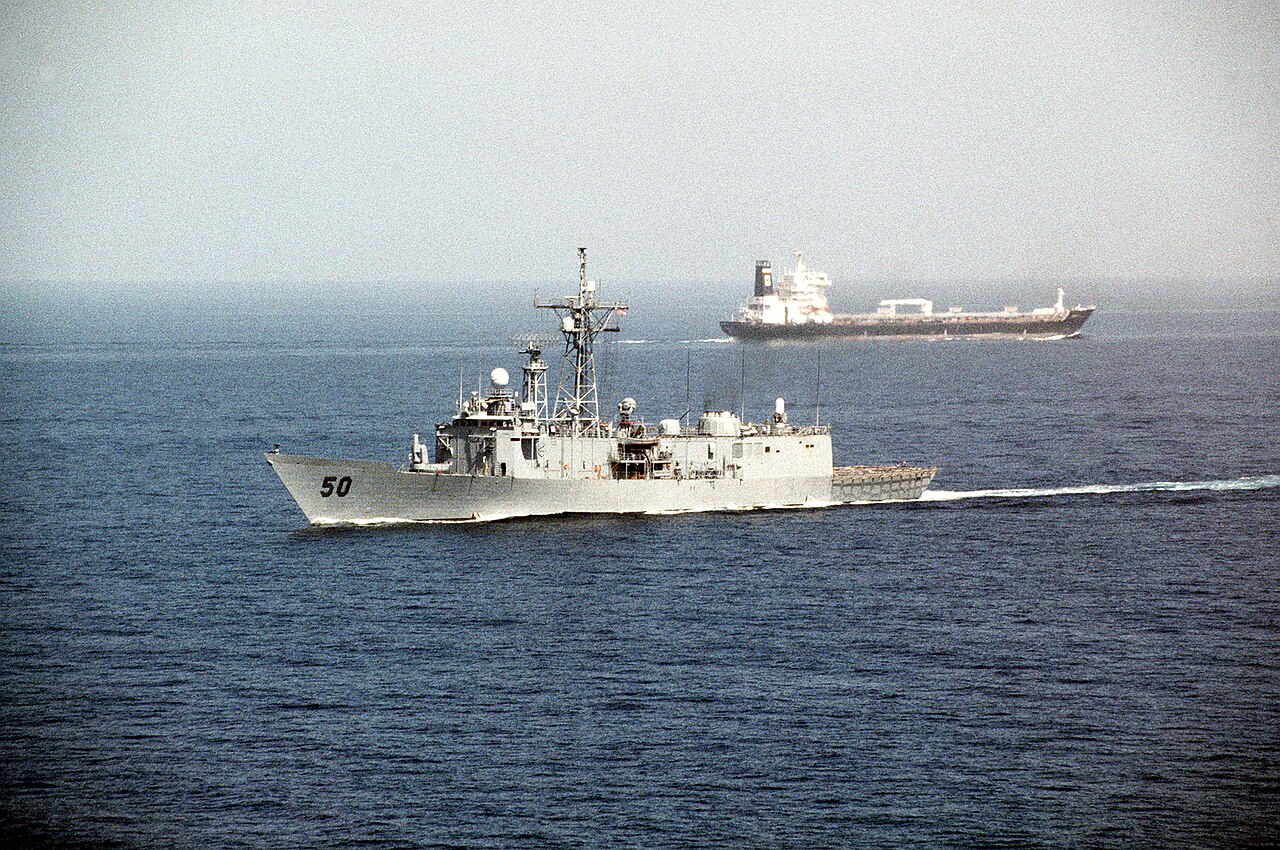
The Strait of Hormuz carries a major share of global energy trade, making disruption there immediately relevant far beyond the region. Reuters reported that attacks on commercial shipping in the strait and nearby waters reached a record level in October, according to data compiled by a Washington-based maritime-security think tank. Oil prices also moved above $100 a barrel as attacks and threats raised fears about supply interruptions. The shipping data and market reaction were reported by Reuters.
Iran’s leverage is not unlimited. Sustained disruption risks alienating countries that may otherwise support its opposition to Washington, including major Asian energy consumers and regional states trying to avoid a wider war. It also threatens Iran’s own access to export revenues and raises the possibility of a coordinated military response. But the strategy can still work as coercive diplomacy if even the prospect of disruption keeps insurers, shippers and governments pricing in risk.
The economic consequences would not be confined to oil. Higher transport, insurance and fuel costs could feed inflation, pressure import-dependent economies and complicate central-bank decisions. The longer the crisis lasts, the more governments may seek alternative routes and supplies, but those adjustments are expensive and cannot quickly replace the strategic importance of the Gulf.
The regional mediation track
Diplomacy is no longer limited to Washington and Tehran. Saudi Arabia, Turkey and Pakistan sent senior officials to Tehran in an effort to de-escalate the conflict, while Egypt warned that a new escalation could be more destructive and have a major regional impact. Reuters reported on the regional meetings, and later cited Egypt’s concern that an earlier interim arrangement had failed to secure a lasting ceasefire or restore normal shipping.
These states have different interests, but their involvement signals a shared fear: a regional conflict could damage energy infrastructure, trade and domestic stability even if the fighting remains geographically limited. Their mediation may help create face-saving formulas, yet they cannot resolve the core US-Iran dispute without credible guarantees from the principal parties.
What comes next
The most plausible near-term outcome is not a comprehensive peace treaty but a narrow, staged arrangement. Such a deal could pair a limited shipping pause with humanitarian or economic measures, followed by negotiations on sanctions, nuclear issues and maritime security. Verification would be essential, as would a mechanism for responding to violations without immediately collapsing the process.
Failure would not necessarily mean immediate full-scale war, but it would make miscalculation more likely. Continued attacks could push oil higher, intensify pressure on Washington to act and reduce the political space available to mediators. A temporary reduction in violence, by contrast, could give all sides time to test whether limited reciprocity is possible.
The central question is therefore not whether the parties trust one another. They plainly do not. It is whether they can design an agreement in which distrust is managed through short timelines, visible verification and consequences that are costly but reversible. The answer will determine whether Hormuz becomes the opening for diplomacy—or the mechanism by which a regional war widens.