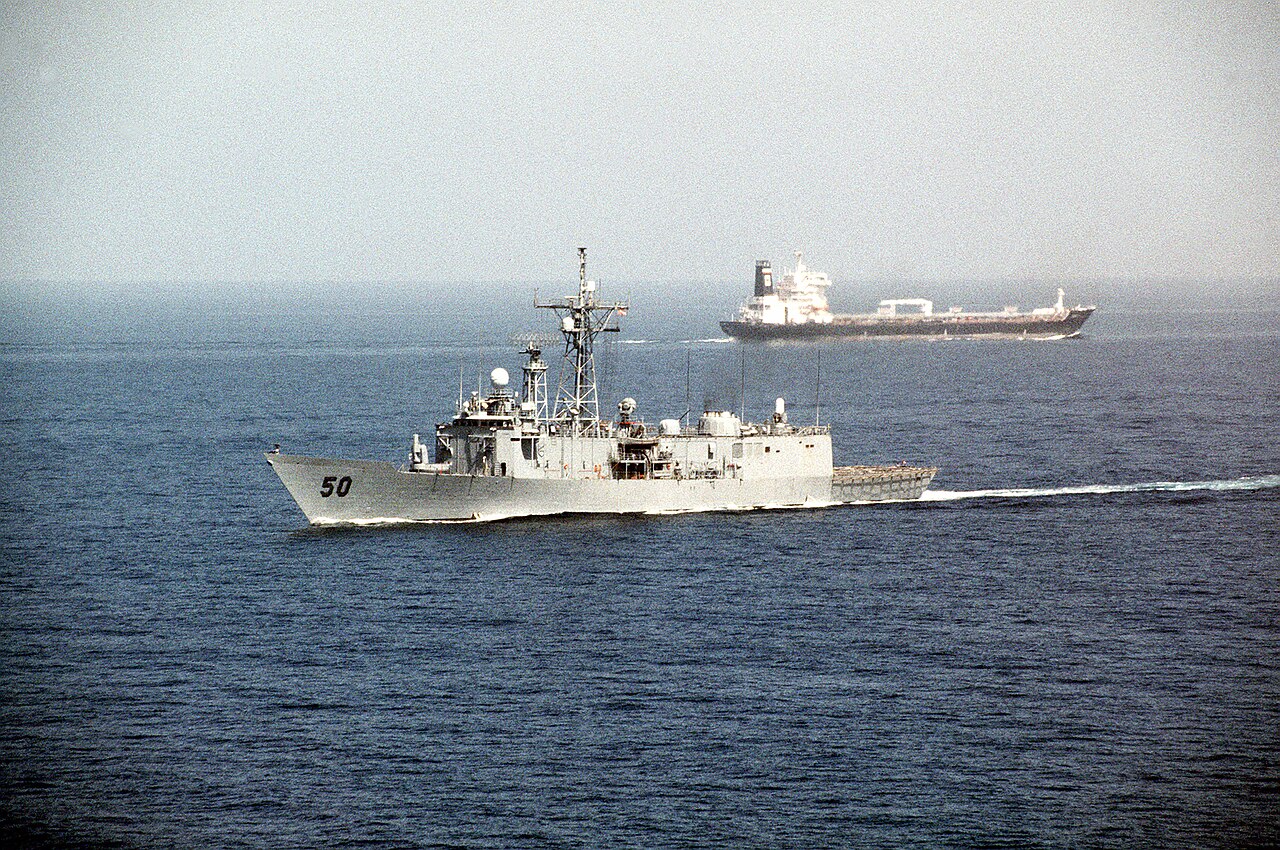
The crisis around the Strait of Hormuz has moved beyond a regional security problem. It is now a test of how much disruption the global economy can absorb before energy costs, inflation and political pressure reinforce one another. Brent crude has risen above $100 a barrel as uncertainty over Washington-Tehran negotiations has clouded expectations for stable supplies through the strategic waterway.[1]
Hormuz matters because it carries a large share of globally traded oil and liquefied natural gas. A prolonged interruption would not simply raise petrol prices. It would increase transport, fertilizer and manufacturing costs, squeeze household incomes and complicate central-bank efforts to control inflation. The result could be a familiar but difficult combination: weaker growth alongside renewed price pressures.
Why the shock is spreading
The immediate mechanism is straightforward. Traders price in the possibility that tankers will face delays, higher insurance premiums or physical danger. Even before barrels disappear from the market, that risk premium can lift futures prices. Higher energy costs then pass through supply chains, particularly in aviation, shipping, chemicals and agriculture.
Fertilizer markets are especially exposed. Reports indicate that agricultural commodity prices have climbed sharply amid a global fertilizer supply crunch linked to Middle East tensions and the effective closure of the strait.[1] Farmers may respond by applying less fertilizer, accepting lower yields or raising prices. Consumers would feel the impact later, through food bills rather than at the petrol pump alone.
The crisis is arriving at an awkward macroeconomic moment. The United States economy remains comparatively resilient: a revised estimate put second-quarter annualized growth at 2.2%, while consumer spending growth was revised to 3.8%.[2] Yet employment expanded more slowly than the labor force, and unemployment rose from 4.1% in August to 4.2% in September.[2] That mix gives policymakers less room to respond: demand is not collapsing, but the labor market is no longer improving uniformly.
The policy dilemma
G7 governments have chosen to buy time. Leaders agreed to release 100 million barrels from emergency reserves over four months, while the International Energy Agency said more than 80% of stocks pledged in March had already been released.[1] Strategic reserves can soften a temporary shortage, but they cannot permanently replace disrupted flows. Releasing too much too quickly also reduces protection against a longer crisis.
Central banks face the harder trade-off. Raising interest rates could help prevent an energy shock from becoming embedded in wages and expectations, but it would also weaken investment and household demand. Holding rates steady may protect growth, yet risks allowing inflation to broaden. Analysts at BBVA Research identify geopolitical tensions, a hawkish shift by the Federal Reserve and European Central Bank, and higher long-term interest rates as the main forces shaping the outlook.[3]
Europe is particularly vulnerable. Euro-area inflation reached 3.8% year-on-year in September, the highest since September 2023, while investors have sold French bonds amid concern over public finances and political uncertainty.[2] Higher energy prices could therefore meet already fragile fiscal conditions, forcing governments to choose between subsidizing consumers, borrowing more or allowing living costs to rise.
What comes next
The central question is duration. A short disruption would probably leave a painful but manageable price spike. A sustained closure would create a broader supply shock, with consequences for food security, industrial output and the credibility of governments that promise protection from rising costs.
Markets will watch three indicators: the physical movement of tankers, the pace of reserve releases and diplomatic signals from Washington and Tehran. They will also watch whether inflation expectations rise beyond energy. If businesses begin passing costs through more aggressively and workers seek compensation for lost purchasing power, central banks may be forced into tighter policy even as growth weakens.
Neither side of the policy debate offers a risk-free answer. Advocates of aggressive reserve releases argue that governments should prevent panic and shield consumers while diplomacy proceeds. Critics warn that subsidies and emergency interventions can delay adjustment, worsen public debt and leave countries less prepared for a longer confrontation.
The immediate lesson is that energy security is not only about production. It also depends on shipping routes, insurance, reserves, diplomacy and fiscal capacity. The next phase of the Hormuz crisis will show whether governments can coordinate across those fronts—or whether a regional confrontation becomes a global economic constraint.