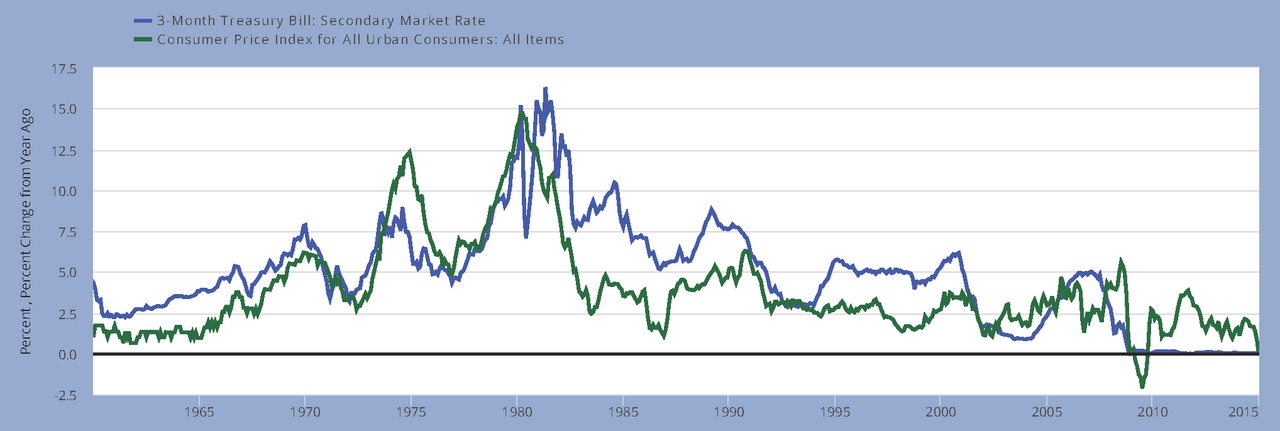
US markets are being forced to confront a blunt message: the economy is still running hot enough to keep inflation worries alive, even as borrowing costs remain near multi-decade highs. Fresh September data showed US business activity at more than a five-year high, with new orders surging and input prices accelerating, while Treasury yields climbed to levels not seen in years and traders raised bets on further Federal Reserve tightening.ReutersReuters
The implication is less about one data point than a broader policy bind. Stronger growth usually looks healthy on its own, but when it arrives alongside rising prices, it increases the odds that the Fed has to keep policy restrictive for longer, or even tighten further. That is exactly what markets began pricing after the latest survey readings pushed the 10-year Treasury yield higher and lifted expectations of an October rate hike.ReutersReuters
What is driving the rebound
The most immediate driver is demand. S&P Global’s flash US Composite PMI Output Index rose to 58.4 in September, its highest since July 2021, while the new-orders component reached 58.2, the strongest since March 2022. At the same time, the prices-paid gauge jumped to 66.4, the highest since October 2022, underscoring that firms are paying more for inputs even as activity expands.ReutersReuters
That mix matters because it suggests inflation is not just a lagging problem from earlier shocks. It is being refreshed by current economic momentum, which makes it harder for policymakers to declare victory. In bond markets, that translated into a weak auction of US five-year notes and benchmark yields climbing to their highest since 2007, a sign investors expect rates to stay elevated.Reuters
Energy is adding another layer. Oil prices rose after renewed Middle East tensions, with Reuters reporting that crude gained almost 4% in one session and that oil-export flows from key Middle Eastern producers rebounded in September but remained below pre-conflict levels. Higher energy costs can feed directly into transport, manufacturing and household budgets, and they also risk reigniting inflation expectations just as central banks were hoping to lean against them.ReutersReuters
The case for caution, and the case against it
Economists and investors are split over whether the latest strength is sustainable or deceptive. One camp sees a resilient economy: consumers are still spending, businesses are still ordering, and the expansion is proving more durable than many expected. From that view, a higher-yield environment reflects strength, not crisis, and the Fed should avoid cutting too soon lest it rekindle inflation.Reuters
The other camp argues that apparently solid demand is masking fragility. Higher borrowing costs eventually slow hiring, investment and housing activity, and the most rate-sensitive parts of the economy may already be under strain. A long stretch of elevated yields can also tighten financial conditions even without new Fed moves, making it harder for businesses and households to refinance debt.Reuters
There is also a geopolitical argument. Some analysts say the latest inflation scare is partly imported, not purely domestic, because war risk and supply disruption have pushed up energy prices and shaken confidence. That makes the policy response trickier: the Fed can cool demand, but it cannot directly pump more oil or restore disrupted trade routes.ReutersReuters
What comes next
Near term, the key question is whether September’s strength proves durable in follow-up data. If inflation measures and business surveys stay firm, the Fed will face pressure to keep rates higher for longer, and markets may continue to reprice the path of policy. If, however, activity cools in October and November, the current spike in yields could look like an overreaction to a temporary burst of demand and geopolitical stress.Reuters
For investors, that means more volatility is likely. For policymakers, it means the old trade-off is back: acting too slowly risks letting inflation re-embed itself, while acting too aggressively could turn a resilient expansion into a slowdown. The latest data do not settle that debate; they sharpen it.ReutersReuters
Business activity may be strong, but the combination of firmer prices, higher yields and energy risks leaves policymakers with less room to relax.
Sources: Reuters on US business activity and inflation pressures; Reuters on Treasury yields, Fed expectations and market reaction; Reuters on Middle East-related oil price moves and oil export flows.ReutersReutersReuters