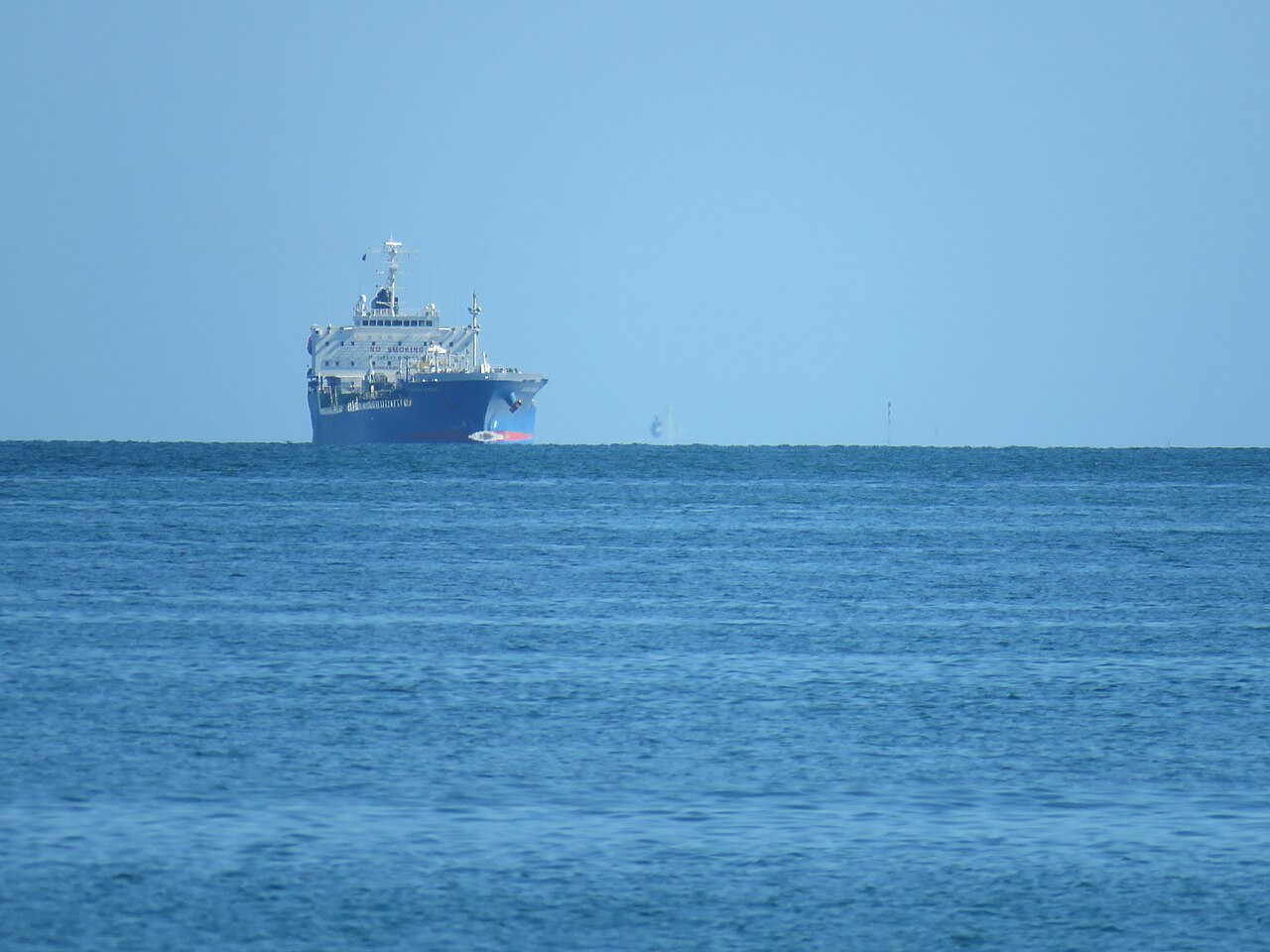
A new energy shock is moving from the battlefield into household budgets, corporate balance sheets and central-bank calculations. The immediate trigger is the prolonged war involving Iran, which has disrupted fuel supplies from the Middle East and placed the Strait of Hormuz—a critical route for global energy trade—under renewed pressure. Energy prices rose 18.8% year on year in September, up from 14.3% in August, according to Le Monde.
The shock comes at an awkward moment. The global economy was already losing momentum, while inflation had not been fully defeated. The United Nations Conference on Trade and Development projects global growth of 2.6% in 2026, down from 2.9% last year, citing higher energy prices and their effects on economic and financial stability. That combination—slower growth and renewed price pressure—is the classic problem policymakers fear most: stagflation.
Why energy matters beyond the pump
Oil and refined fuels affect almost every part of the economy. Transport costs rise first, but the effects then spread through food distribution, manufacturing, heating and electricity generation. Companies can absorb higher costs temporarily, raise prices, reduce investment or cut employment. Governments can cushion consumers through subsidies and tax relief, but those measures transfer costs to public budgets and may encourage demand when supply is already constrained.
European governments are particularly exposed because the region remains dependent on imported energy and is contending with weak public finances. At a recent European Union summit, Energy Commissioner Dan Jorgensen proposed delaying greenhouse-gas monitoring rules by a year while warning that the coming winter could bring “very high prices,” according to Le Monde. The proposal illustrates the political trade-off: emergency affordability measures can protect households, but postponing climate rules risks slowing the energy transition.
That tension is not merely administrative. If governments subsidize fossil-fuel consumption for too long, they may reduce incentives to conserve energy and invest in alternatives. If they withdraw support quickly, poorer households and energy-intensive industries bear a disproportionate burden. The political pressure will therefore favor temporary relief, even as officials insist that the measures are exceptional.
Markets are receiving mixed signals
Recent US data show why the outlook is difficult to read. Second-quarter annualized growth was revised upward from 1.5% to 2.2%, while consumer spending growth was revised from 3.4% to 3.8%, according to Deloitte. Those figures suggest that demand has remained more resilient than earlier estimates indicated.
But September employment growth was unexpectedly weak. Investors consequently reduced expectations for further monetary tightening, Deloitte reported. The problem for the Federal Reserve and other central banks is that energy-driven inflation is not easily solved with higher interest rates. Rate increases can restrain demand, but they cannot reopen a blocked shipping route or quickly expand refinery capacity. Policymakers must decide how much inflation to tolerate without deepening an economic slowdown.
Europe faces an even sharper dilemma. Eurozone consumer prices rose 3.8% year on year in September, the highest rate since September 2023, according to the European Commission data cited by Deloitte. At the same time, investors have become increasingly concerned about France’s public finances and the inability of its legislature to resolve the country’s fiscal imbalance. Higher borrowing costs would make energy support more expensive precisely when governments may need it most.
Diplomacy and supply diversification
The energy crisis is also reshaping diplomacy. US President Donald Trump said Russia would immediately supply more than 300,000 tons of diesel fuel to American and global markets, with potentially larger volumes depending on refinery conditions, according to Anadolu Agency. The proposal highlights the practical logic of energy diplomacy: governments may seek supplies from politically difficult partners when shortages threaten economic stability.
That approach has clear critics. Ukrainian President Volodymyr Zelenskyy argued that easing sanctions on Russia without a de-escalation agreement would be an “obvious weakness,” the agency reported. Supporters of limited energy exemptions can counter that fuel markets operate under immediate physical constraints and that additional supply could lower prices for consumers. Opponents warn that such deals may weaken sanctions, provide revenue to Moscow and make energy security dependent on geopolitical concessions.
The next phase will depend on three variables: the duration of disruption around the Strait of Hormuz, the ability of producers and refiners to add supply, and the willingness of governments to share the social cost. A short shock could fade as inventories and alternative routes compensate. A prolonged one would force central banks to balance inflation against recession, while governments confront public anger over prices and the cost of climate policy.
The broader lesson is that energy security and climate security are no longer separable policy tracks. Diversifying suppliers may reduce immediate geopolitical risk, but durable protection requires lower exposure to imported fossil fuels through efficiency, electrification and renewable generation. Until those investments scale, every regional conflict that touches energy infrastructure will continue to reverberate through the global economy.