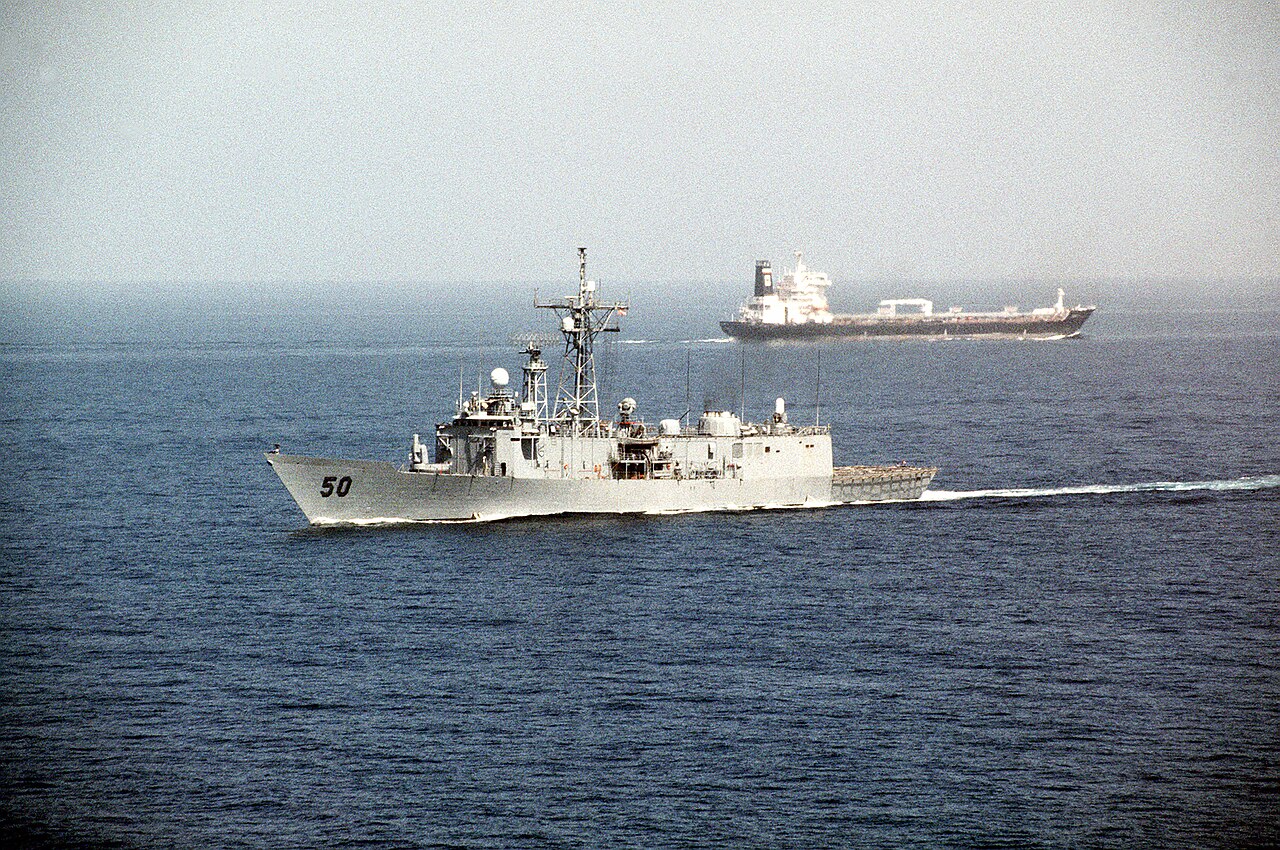
The widening Iran conflict is no longer only a Middle East security crisis. It is becoming a global economic stress test, exposing how quickly an attack on infrastructure and shipping can collide with inflation, fragile public finances and a technology investment boom.
The immediate pressure point is the Strait of Hormuz, through which a substantial share of the world’s oil and liquefied natural gas normally passes. Commercial traffic has fallen by about 75% from pre-conflict levels, while maritime authorities recorded 11 attacks on commercial vessels during the first week of October, according to a live report from Iran International. The disruption has helped keep oil near $100 a barrel, raising the risk that a temporary security crisis becomes a persistent inflation shock.
Why markets remain vulnerable
Markets have responded in two directions at once. Prices eased after President Donald Trump said the United States would not attack Iran before next month’s midterm elections, according to The Rio Times. But Brent crude still settled above $104 a barrel before slipping toward $103, and the US 10-year Treasury yield stood at 5.237% in the same account. That combination matters: cheaper oil can calm investors, while high yields continue to raise borrowing costs for households, companies and governments.
The central problem is that policymakers have fewer easy options than they did during earlier energy crises. Raising interest rates can restrain second-round inflation but also weakens demand and increases debt-service costs. Cutting rates could support growth, yet risk convincing consumers and markets that governments will tolerate a renewed price surge.
The euro area entered this episode with its own difficulty. Consumer prices rose 3.8% year on year in September, the highest rate since September 2023, while revised US data showed second-quarter growth of 2.2%, according to Deloitte’s economic update. The contrast is significant: the United States retains stronger momentum, but both economies are exposed to a supply shock that monetary policy cannot directly repair.
Conflict, leverage and miscalculation
The attacks on shipping and Gulf infrastructure suggest that the conflict is evolving beyond conventional battlefield exchanges. The World Economic Forum describes the war as increasingly hybrid, with the Strait of Hormuz remaining a central point of leverage and related fighting involving Iran’s allies across the region.
For Tehran, threatening maritime routes can impose costs on adversaries without requiring a direct attack on every Western target. For Washington and Gulf governments, however, allowing the strait to remain effectively closed risks emboldening further attacks and damaging confidence in the security architecture that underpins global energy trade.
That creates a dangerous feedback loop. Military protection may restore shipping but could widen the war; restraint may avoid immediate escalation but prolong the economic squeeze. Saudi Arabia’s pressure for outside military support intensified after an attack on Riyadh’s international airport killed 12 people and injured more than 300, according to NPR.
“The global economy faces dual pressures from a negative energy supply shock and a positive artificial intelligence demand shock.”
That assessment, attributed to IMF Managing Director Kristalina Georgieva in a report by Anadolu Agency, captures why the current moment is unusually difficult. AI investment is stimulating demand for advanced hardware and could eventually add to global growth, but the same boom is competing for capital while governments confront record debt. Georgieva said public debt is approaching 100% of global GDP and that AI-related goods already represent more than 10% of world goods trade.
What comes next
The next phase will depend less on a single oil-price move than on duration. If shipping resumes quickly, the shock may remain manageable, although insurance, transport and food costs could stay elevated. If the strait remains restricted, energy-importing economies will face worsening trade balances and renewed pressure on central banks.
The IMF’s October outlook is expected to keep global growth near 3% in 2026, with a possible modest improvement for 2027, according to The Nation Thailand. That forecast assumes that the conflict does not produce a prolonged energy blockade. It therefore offers reassurance, but also reveals the central uncertainty: the world economy may be resilient enough to absorb a shock, yet not several shocks arriving together.
Diplomacy remains the least costly exit, but its credibility will depend on whether the United States, Iran and regional actors can establish enforceable limits on attacks and shipping disruption. The alternative is a cycle in which every military response raises energy prices, every price rise narrows policymakers’ room to maneuver, and every concession is interpreted as an invitation to apply more pressure.
The immediate question is whether the conflict expands. The deeper one is whether global institutions can manage a world in which geopolitical leverage, energy markets, public debt and emerging technology are increasingly tied together. The answer will shape not only the next oil shock, but the economic order that follows it.