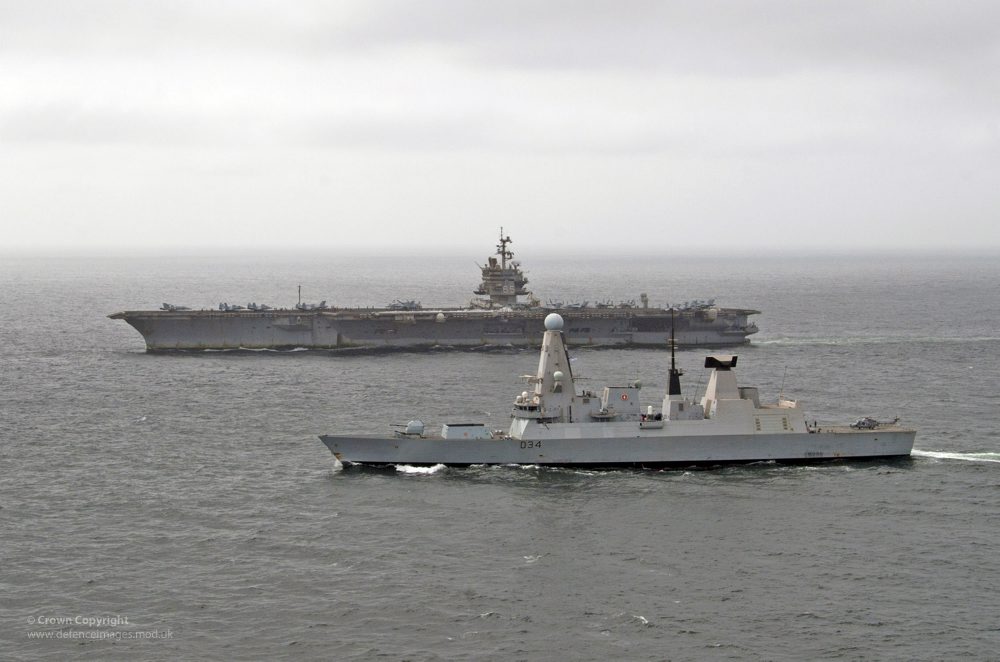
The Iran crisis is entering a more dangerous phase. The United States is considering adding roughly 9,000 to 10,000 troops and a third aircraft-carrier strike group to the Middle East, while President Donald Trump has said that renewed strikes could follow the November midterm elections. At the same time, Qatari mediators are trying to turn an unaccepted Iranian peace proposal into a settlement. The result is a contest between coercion and diplomacy in which every actor faces incentives to delay, but little room for miscalculation.
The immediate pressure is economic as well as military. Iran’s currency has fallen to a record low, according to NPR, increasing the domestic cost of imports and intensifying public frustration. Washington has also announced sanctions targeting Iran’s rail and automotive sectors. Those measures are designed to reduce Tehran’s capacity to finance and sustain regional operations, but they also risk deepening hardship without necessarily changing the government’s strategic calculations.
Why Washington is escalating
For the Trump administration, military pressure serves several purposes. It signals that attacks by Iran or its partners will carry a cost, reassures regional allies and strengthens Washington’s bargaining position in negotiations. The reported deployment plans would give the United States more options if talks fail, while allowing the White House to argue that diplomacy is being pursued from a position of strength.
That strategy has supporters. Advocates of pressure contend that Iran has used negotiations to gain time, preserve its military infrastructure and expand the influence of allied armed groups. From this perspective, sanctions and force deployments are intended not necessarily to produce immediate capitulation, but to raise the price of continued confrontation and limit Tehran’s ability to wait out American politics.
The risks are substantial. A larger American presence can deter attacks, but it can also create more targets and make an isolated incident harder to contain. The reported timing matters politically: linking possible strikes to the period after the November elections may reduce short-term electoral costs, yet it could also convince Iran and its partners that the crisis is being managed through domestic political calculations.
Tehran’s leverage—and its vulnerabilities
Iran remains weakened by sanctions, currency depreciation and pressure on its regional network, but it is not without leverage. It can threaten American personnel and partners through allied forces, disrupt regional security and make any military campaign more expensive. The fighting involving Iran-backed Houthi rebels in Yemen, including clashes near Taiz, shows how quickly the crisis can spread across separate theaters.
Tehran’s economic distress cuts both ways. A collapsing currency may increase the incentive to reach an agreement, particularly if sanctions relief is credible. But governments under pressure often become less willing to make concessions that could be portrayed at home as surrender. Sanctions can therefore create bargaining leverage while simultaneously strengthening hard-line arguments that Washington seeks regime change rather than a limited security arrangement.
The unresolved question is what Iran would receive in return for restraint. If the United States demands broad limits on Iran’s military and regional activities without offering a politically usable path to sanctions relief, negotiations may remain symbolic. If Washington offers relief without verifiable safeguards, critics will argue that it has traded away leverage without addressing the underlying threat.
The regional spillover
The conflict is already larger than a bilateral dispute. Iraqi Prime Minister Ali al-Zaidi has outlined a roadmap to address weapons outside state control, with completion scheduled for June 30, 2027. That timetable reflects the central regional problem: governments may want armed groups brought under state authority, but implementation depends on domestic politics, militia power and the actions of Iran, the United States and neighboring states.
Qatar’s mediation offers a possible off-ramp because it gives both Washington and Tehran an intermediary that can carry proposals without requiring immediate public concessions. Yet mediation cannot resolve disagreements that the parties themselves have not narrowed. A temporary pause, prisoner exchange or limited sanctions arrangement may be easier to achieve than a comprehensive settlement.
What comes next
The most plausible near-term outcome is not a final peace agreement but a sequence of tests: indirect talks, new sanctions, attacks or threats by regional partners, and calibrated American responses. The danger lies in the gap between what each side intends and what the other side perceives. A deployment meant as deterrence can look like preparation for war; a proxy attack meant to signal resilience can trigger a direct confrontation.
The decisive factor will be whether the parties can separate immediate de-escalation from their broader disputes. A limited channel for preventing attacks, protecting shipping and clarifying military movements could reduce the risk of accidental war even while negotiations remain unresolved. Without such guardrails, economic pressure and military reinforcement may produce not leverage for diplomacy but a self-reinforcing cycle of retaliation.
Sources: Anadolu Agency reporting on planned U.S. deployments and sanctions; NPR coverage of Iran’s currency and mediation efforts; WTOP reporting on Trump’s statements and Yemen developments.