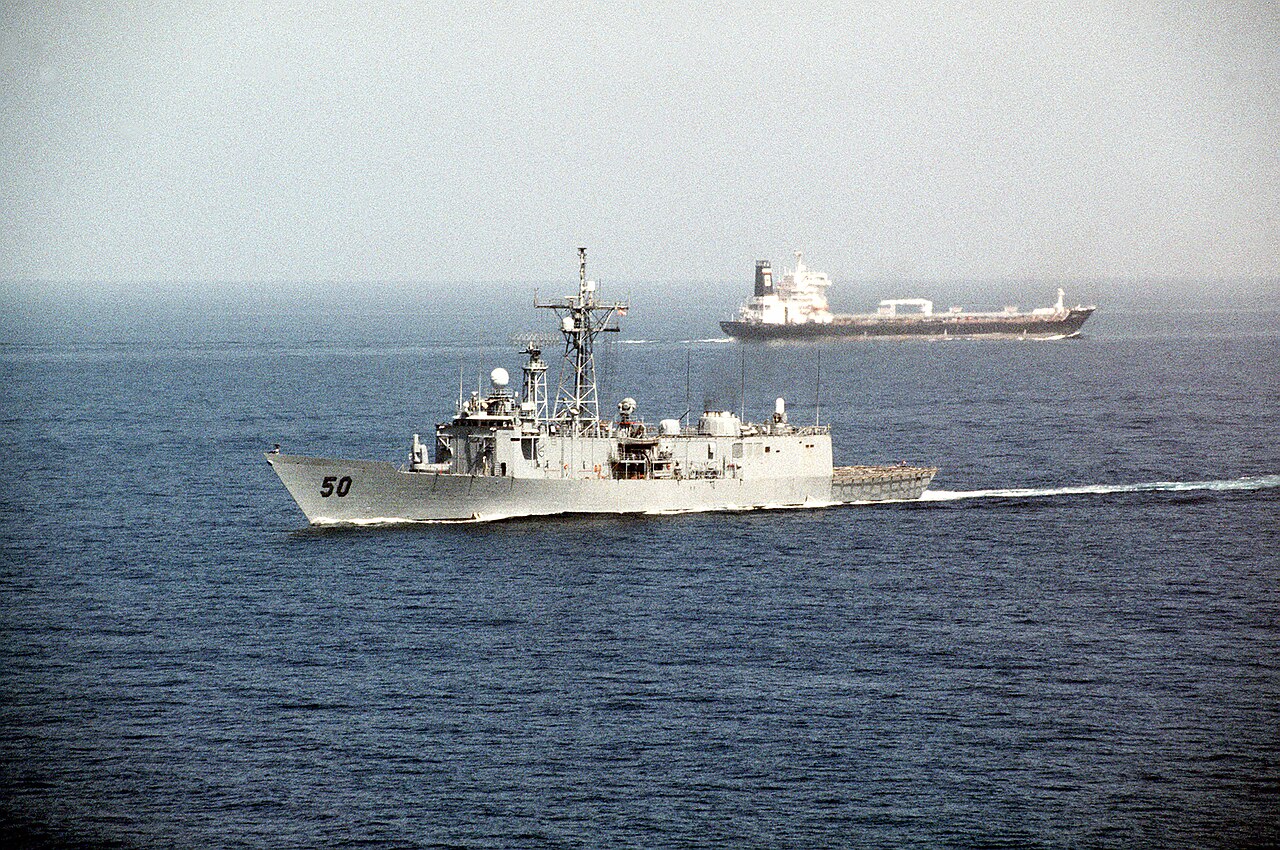
The widening war between the United States, Israel and Iran is becoming an economic crisis as well as a military one. The immediate pressure point is energy: fighting and disruption around the Middle East have shaken fuel supplies, particularly through the Strait of Hormuz, a route vital to global oil trade. Energy price growth reached 18.8% in September, up from 14.3% in August, according to reporting by Le Monde.
The shock arrives as the US economy is losing momentum. The country added only 29,000 jobs in September, while unemployment rose from 4.1% to 4.2%, according to the Labor Department data reported by NPR. That combination matters because higher fuel prices can simultaneously weaken household purchasing power, raise business costs and complicate central-bank decisions about interest rates.
Why the Strait matters
Hormuz is more than a geographic chokepoint. It connects major producers in the Persian Gulf with Asian and European consumers, leaving markets vulnerable even when physical supplies have not yet been permanently lost. Tankers may reroute, insurers may raise premiums and traders may price in further escalation before a barrel is actually withheld.
That uncertainty has already pushed governments toward collective action. The Group of Seven agreed to release 100 million barrels from emergency reserves over four months, an intervention reported by Anadolu Agency. The move can soften a temporary supply shock, but it cannot replace a durable diplomatic settlement or restore infrastructure damaged by conflict.
“The value of Iran’s currency hits a record low,” while Qatari mediators seek a deal acceptable to Washington and Tehran, NPR reported.
The reserve release also exposes a political dilemma. Consumers may see some relief at the pump, but governments must decide how quickly to use finite stockpiles. Releasing too little risks allowing prices to spiral; releasing too much could leave countries less protected if hostilities continue or widen.
Inflation versus growth
The central economic problem is stagflationary: the conflict can lift prices while suppressing activity. Transport, heating, manufacturing and food distribution all depend on affordable energy. European officials have already discussed emergency diesel stocks after pressure from Washington, while reporting cited by Al Jazeera described the rise in diesel prices as politically damaging for the US president.
Central banks face competing demands. Cutting rates could support hiring and investment if the slowdown deepens, but cheaper money may reinforce inflation expectations or weaken currencies. Holding rates high can restrain prices, yet it risks worsening unemployment and public debt costs. The September US employment report gives policymakers reason to worry about demand, while the energy data gives them reason to remain cautious.
Europe faces an additional vulnerability: its industrial base is exposed to imported fuel and already-sensitive trade and fiscal conditions. A weaker euro increases the local price of dollar-denominated commodities, potentially amplifying the original shock. Businesses may respond by postponing investment, while governments may subsidize fuel or energy-intensive industries—measures that cushion consumers but strain budgets.
Competing interpretations
Supporters of the reserve release argue that coordinated action can prevent panic and buy time for diplomacy. They also contend that a visible international response may discourage speculators from assuming that every disruption will produce unlimited price increases.
Critics counter that strategic reserves are a bridge, not a strategy. They warn that political leaders could use emergency stocks to conceal the cost of military escalation, leaving consumers exposed once inventories fall. Others argue that the most effective relief would come from de-escalation, expanded diplomatic channels and protection for commercial shipping rather than repeated market interventions.
The conflict also creates incentives for producers outside the region. Higher prices can encourage additional output from the Americas and other suppliers, but new production takes time. Refining capacity, shipping insurance and pipeline constraints may prevent that response from arriving quickly enough to offset a sudden Gulf disruption.
What comes next
Three indicators will determine whether the shock remains temporary. First is the physical flow of vessels through Hormuz, not simply official statements. Second is whether Washington-Tehran mediation produces a verifiable pause. Third is whether elevated energy costs spread into wages, core services and inflation expectations.
If diplomacy succeeds, markets could rapidly unwind part of the risk premium, though households would still face delayed price effects. If attacks persist, governments may extend reserve releases, subsidize fuel and pressure allies to share supplies. That would reduce immediate pain but deepen fiscal and political tensions.
The broader lesson is that energy security remains inseparable from geopolitics. Emergency reserves can moderate a shock; they cannot eliminate dependence on vulnerable trade routes. The next phase of the war will therefore be measured not only by territory or ceasefire terms, but by whether the global economy can keep moving while the region’s most important energy corridor remains under threat.