US strikes Iranian oil tankers as Hormuz tensions surge
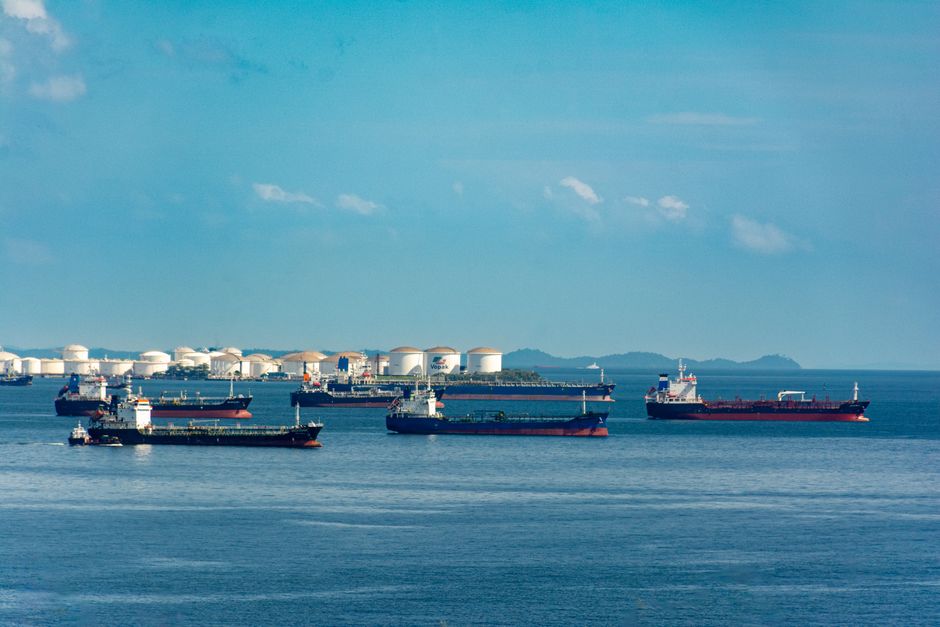 Photo — Zifeng Xiong / Pexels
The current most consequential breaking story globally is the sharp escalation between the United States and Iran centered on the **Strait of Hormuz**, a chokepoint through which a significant share of the world’s seaborne oil trade passes.[4][5][14] According to major wire and global outlets, the U.S. has struck three Iranian oil tankers after reporting that its warships were targeted with ballistic missiles, explicitly tying the military action to the security of its naval assets and broader energy interests.[5] In parallel, Iranian officials and aligned media are signaling plans to announce a new ‘exclusion’ or ‘prohibited’ zone near the strait, a step that would effectively assert enhanced Iranian control over one of the world’s most strategic maritime corridors and potentially impede commercial shipping.[5][4][14] This is unfolding amid a wider pattern of tit-for-tat claims: Iran has asserted it struck an uncrewed U.S. military ship in the area, a claim Washington has publicly rejected as a “total lie,” illustrating how contested narratives are fueling uncertainty in real time.[5][12] Regional reporting notes that Tehran is warning of ‘serious consequences’ for any South Korean military role in Hormuz security operations, suggesting the crisis is already pulling in additional U.S. allies and complicating coalition efforts to protect navigation through the strait.[14] At the same time, coverage of planned or actual declarations of exclusion zones and warnings of a ‘painful response’ to further attacks underscore the risk that local incidents could quickly scale into a wider confrontation affecting global energy prices, maritime insurance costs, and broader geopolitical stability.[4][5][14] The concentration of simultaneous U.S. kinetic action, Iranian military posturing, and contested information about strikes makes this the most globally significant breaking story at the moment, given its direct implications for international security and the world economy.[4][5][12][14]
Sources: AP, Reuters, TRTWorld, NBCNews
← Back to the wire