Breaking
/
AS-2942
/
Global
/
14:30
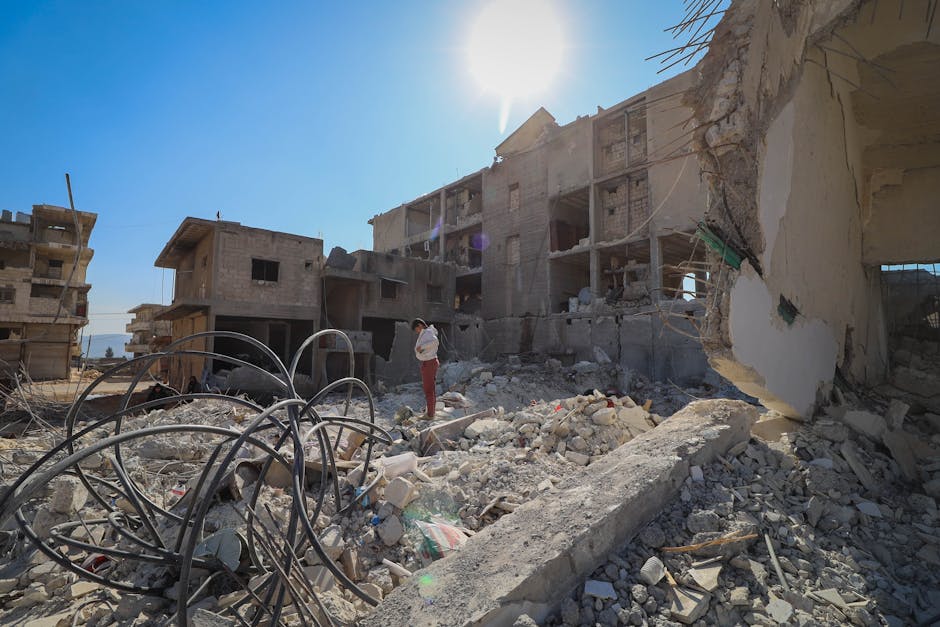
An Israeli strike on a Gaza hospital killed at least six people, including a doctor and a child, according to Palestinian health officials. Israel said it targeted an operational Hamas hub inside the facility, while the reported deaths are likely to intensify international concern over civilian protection.
Breaking
/
AS-2939
/
Global
/
12:30
Torrential rain has flooded Gaza, damaging shelters and humanitarian facilities and leaving displaced families exposed. At least four people, including three children, were killed after a collapsed sand embankment crushed tents, while calls grow for Israel to permit more aid.
Breaking
/
AS-2937
/
Global
/
10:45
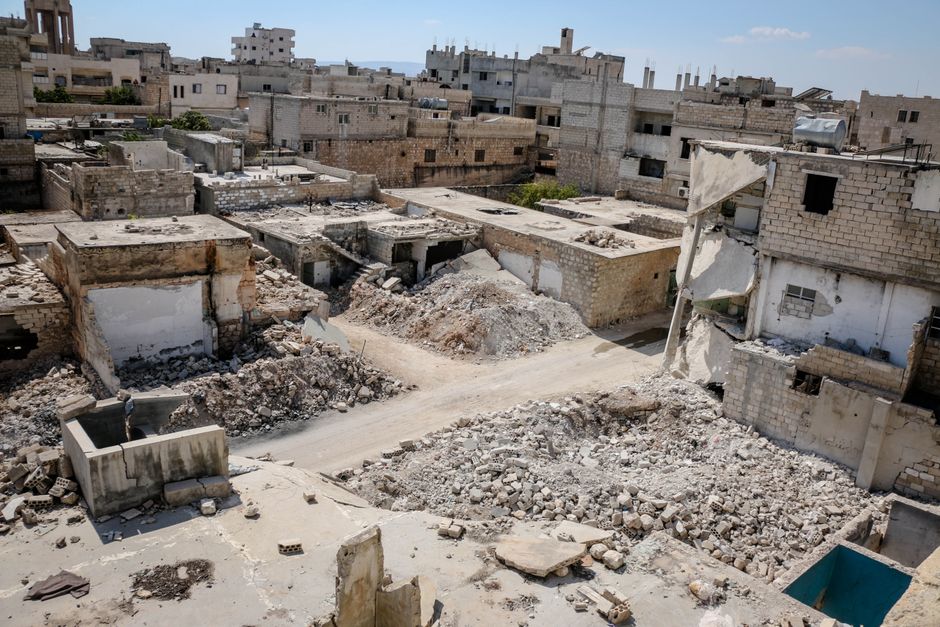
An Israeli strike on Nasser Hospital in Khan Younis killed at least six people and wounded at least 20, according to Gaza’s civil defence agency. The attack hit the hospital’s surgery department and caused extensive damage.[9]
Breaking
/
AS-2932
/
Global
/
08:01
US and Iranian officials held separate discussions with mediators in a renewed effort to end seven months of war, but talks remain stalled. Iran is pressing for a two-day proposal while Washington has not provided a clear response, raising fears of renewed military escalation.
Developing
/
AS-2924
/
Global
/
00:30
The United States told G7 foreign ministers it will continue imposing what it called “devastating” economic costs on Iran, while warning it has options beyond war or accepting Iranian demands. The warning comes amid reports of worsening regional tensions and Iranian concerns about winter gas shortages.
Developing
/
AS-2894
/
Global
/
02:30
The U.S.-Iran conflict is the most consequential developing international story, with Washington maintaining military and economic pressure while Tehran calls for diplomacy and rejects further sanctions. Regional tensions are widening after reported Houthi attacks on Saudi infrastructure and alleged threats to U.S. military facilities.[1][2][3]
Developing
/
AS-2892
/
Global
/
00:45
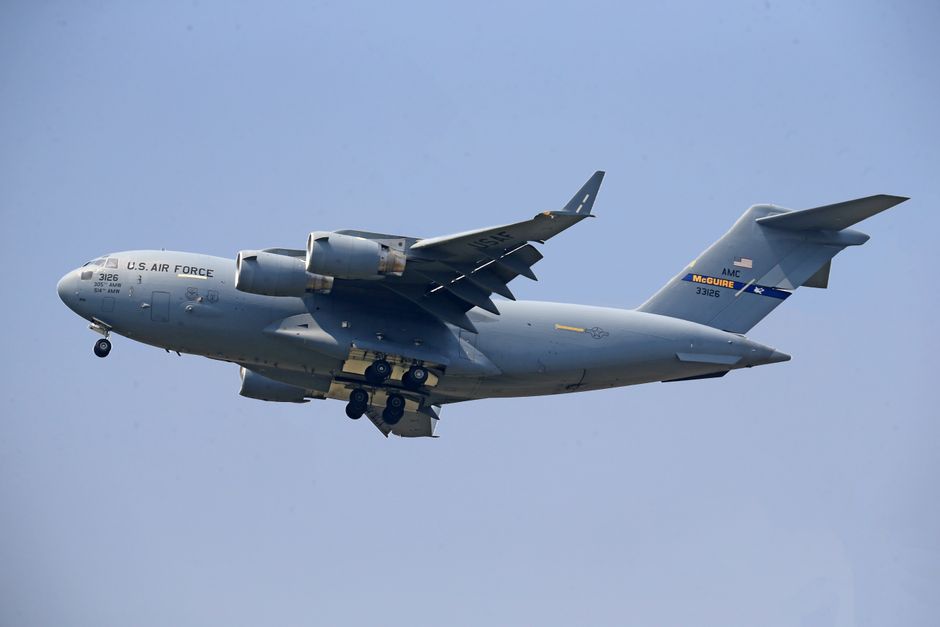
The United States has evacuated tanker aircraft from a base in England because of an Iranian threat, according to a Wall Street Journal report cited by the Associated Press. The move comes amid broader regional tensions involving Iran, Yemen and U.S. military operations.
Breaking
/
AS-2889
/
Global
/
22:45
President Donald Trump said the Iran war was effectively over and that further U.S. strikes were unlikely, while Tehran denied that talks were planned. The conflicting statements leave the possibility of de-escalation unresolved as U.S. forces remain prepared for further action.
Breaking
/
AS-2886
/
Global
/
20:45
U.S. President Donald Trump said the war with Iran is effectively over and that further American strikes are highly unlikely, while Iran denied that planned talks were underway. The conflicting statements leave the conflict’s status and prospects for de-escalation uncertain.
Breaking
/
AS-2884
/
Global
/
20:01
The United States has relocated military aircraft from RAF Mildenhall in England following a threat reportedly linked to Iran. The move comes amid heightened tensions involving Iran, Israel and regional armed groups.
Developing
/
AS-2880
/
Global
/
17:45
U.S. President Donald Trump said the war in Iran is “effectively over,” while Tehran denied that planned talks had been agreed. The statement could signal a pause in hostilities but leaves the conflict’s diplomatic and military future uncertain.
Developing
/
AS-2878
/
Global
/
17:01
President Donald Trump said major new US attacks on Iran are highly unlikely, while warning that Washington remains prepared to act if circumstances change. Tehran disputes claims of planned talks, and strikes and maritime tensions continue despite reduced fighting.
Breaking
/
AS-2877
/
Global
/
14:45
President Donald Trump said further U.S. attacks on Iran were highly unlikely and that the conflict was effectively over after meeting Qatar’s prime minister. Iran’s security chief denied planned talks, underscoring uncertainty over whether de-escalation will hold.
Developing
/
AS-2875
/
Global
/
14:01
President Donald Trump said further US military action against Iran does not currently appear necessary, while warning Washington remains prepared to act if circumstances change. Iran has signaled openness to negotiations, raising cautious hopes of de-escalation after a conflict that has disrupted regional security and global markets.
Developing
/
AS-2871
/
Global
/
10:45
U.S. President Donald Trump said further military action against Iran appears unnecessary for now, while warning Washington could act if conditions change. The development follows talks with Qatar’s prime minister and comes as attacks affecting shipping in the Strait of Hormuz continue.
Developing
/
AS-2870
/
Global
/
10:30
U.S. President Donald Trump said the war with Iran is militarily “effectively over” and suggested renewed attacks are unlikely, while Iran signaled openness to negotiations. The development could reduce immediate regional and global economic risks, but the conflict remains unresolved.
Developing
/
AS-2865
/
Global
/
06:45
U.S. President Donald Trump said the war in Iran is “militarily effectively over,” suggesting Washington is not preparing to resume bombardment immediately. The conflict has caused extensive destruction in Iran and significant repercussions for global energy markets and regional security.
Breaking
/
AS-2864
/
Global
/
06:30
The United States says its naval blockade of Iran is operating at full force as diplomatic efforts to end the conflict stall. Tehran says negotiations are not currently planned unless Washington accepts its stated conditions, raising the risk of further military escalation.
Breaking
/
AS-2863
/
Global
/
06:01
President Donald Trump said the U.S.-Iran war is effectively over militarily while announcing that an economic and naval blockade will remain in place. The development follows reports of positive momentum toward ending the conflict and continued regional diplomacy.[1][2]
Developing
/
AS-2862
/
Global
/
02:45
U.S. President Donald Trump said there is positive momentum toward ending the U.S.-Iran conflict after meeting Qatar’s prime minister. He said the conflict is militarily over but warned the United States remains prepared to resume strikes if necessary.
Developing
/
AS-2860
/
Global
/
02:01
U.S. President Donald Trump said there was positive momentum toward ending the U.S.-Iran conflict after meeting Qatar’s prime minister. Regional states are backing continued U.S. pressure on Iran, including a naval blockade and an operation targeting land-based supply routes.
Developing
/
AS-2859
/
Global
/
00:45
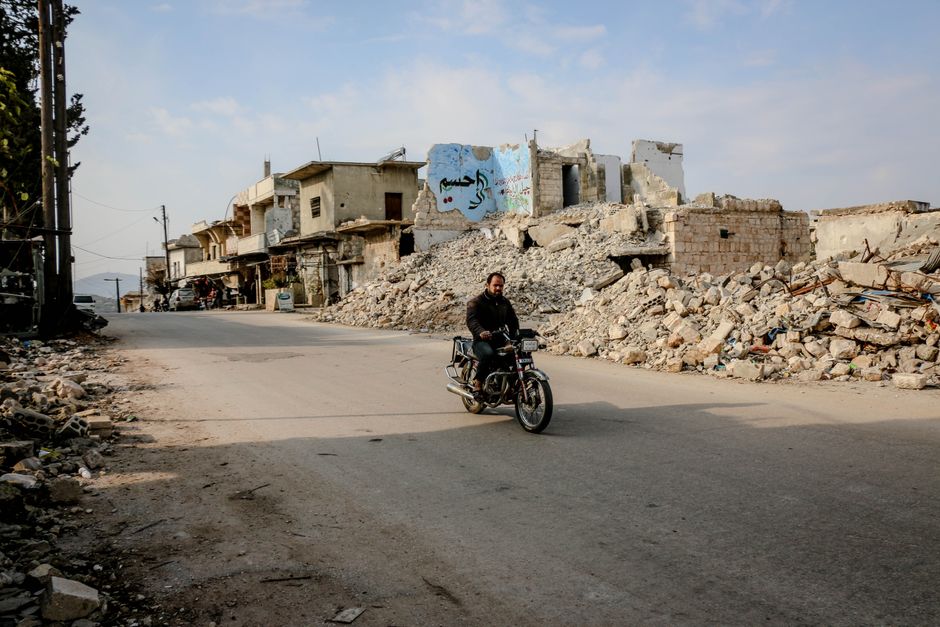
The Iran war is driving a rapidly worsening regional crisis, with more than 50 people reportedly killed in Yemen over a 24-hour period and further strikes reported by Houthi officials.[1] The conflict is unfolding alongside attacks on Ukraine’s power grid and worsening humanitarian conditions in Gaza.[1]
Breaking
/
AS-2850
/
Global
/
19:45
The conflict involving Iran has intensified around the Strait of Hormuz, with shipping reportedly hit in or near the strategic waterway while diplomatic efforts continue. U.S. President Donald Trump said he was unlikely to order further attacks if talks progress, but the situation remains volatile.[1]
Developing
/
AS-2848
/
Global
/
19:00
President Donald Trump said renewed US attacks on Iran are highly unlikely if negotiations continue, while shipping incidents near the Strait of Hormuz keep regional tensions elevated. The developments threaten global energy and maritime security, despite signs of possible diplomatic progress.
Developing
/
AS-2847
/
Global
/
17:45
The United States and Iran are holding quiet negotiations aimed at preventing a return to all-out war, while violence and shipping disruptions continue around the Strait of Hormuz. The talks could open a path toward a broader agreement, but the region remains highly volatile.
Breaking
/
AS-2846
/
Global
/
17:30
The United States and Iran are quietly negotiating an agreement that could prevent a return to all-out war, while fighting and disruption near the Strait of Hormuz keep the region on edge. The talks come as Washington weighs its next steps and shipping has reportedly been hit in or near the strategic waterway.
Breaking
/
AS-2845
/
Global
/
17:01
The United States and Iran are quietly negotiating an agreement that could avert a return to full-scale war, while the broader Middle East remains highly volatile. The talks coincide with continued violence involving Yemen, Gaza and the Strait of Hormuz.[10][6]
Breaking
/
AS-2841
/
Global
/
12:45
The United States and Iran are pursuing renewed negotiations while fighting and attacks around the Strait of Hormuz continue. President Donald Trump said fresh US strikes on Iran are highly unlikely if talks make progress, but a missile attack damaged an Aramco building in Riyadh, underscoring the conflict’s continuing regional risk.[2]
Developing
/
AS-2840
/
Global
/
12:30
U.S. President Donald Trump said he was unlikely to order further attacks on Iran while talks to end the conflict continue. The statement came as shipping was reportedly hit in or near the Strait of Hormuz, keeping the risk of a wider regional escalation high.
Developing
/
AS-2838
/
Global
/
10:45
US and Iranian officials are separately engaging mediators in renewed efforts to end seven months of war, while Washington denies offering Tehran sanctions relief. The diplomatic activity comes as the conflict continues to shape global security and markets.
Developing
/
AS-2833
/
Global
/
08:01
The United States and Iran are pursuing separate talks through mediators in a renewed effort to end seven months of war. The conflict remains active, with Washington maintaining pressure on Tehran while regional tensions continue to threaten wider escalation.
Developing
/
AS-2831
/
Global
/
06:30
U.S. President Donald Trump said he was highly unlikely to order fresh strikes on Iran if negotiations continue to make progress. The comments came as the United States and Iran reported shipping incidents in or near the strategically vital Strait of Hormuz, keeping regional escalation and global energy security in focus.
Breaking
/
AS-2829
/
Global
/
02:45
The Iran conflict is intensifying around the Strait of Hormuz, with shipping reportedly hit and Saudi Arabia facing attacks by Iran-aligned Houthis. U.S. President Donald Trump said he is unlikely to order further strikes if negotiations progress, but Secretary of State Marco Rubio said talks remain unproductive.[4][10]
Breaking
/
AS-2826
/
Global
/
00:45
Iran and the United States are reporting further incidents involving vessels in and near the Strait of Hormuz, while explosions in southern Iran remain disputed. The confrontation threatens shipping and energy exports through one of the world’s most strategically important waterways.
Breaking
/
AS-2825
/
Global
/
00:30
President Donald Trump said fresh US strikes on Iran are highly unlikely if negotiations produce a strong agreement, while attacks affecting shipping continued near the Strait of Hormuz. The disruption threatens energy and commodity exports through one of the world’s most important maritime chokepoints.[4]
Breaking
/
AS-2823
/
Global
/
22:45
The United States and Iran are reporting attacks involving commercial shipping in and around the Strait of Hormuz, while explosions were heard across southern Iran. Iranian officials have not confirmed that the blasts resulted from US strikes, but the confrontation is threatening a vital global energy route.
Breaking
/
AS-2821
/
Global
/
22:01
Iran’s Islamic Revolutionary Guard Corps has warned of a “devastating response” to a reported U.S.-Israeli attack, while Washington and Tehran reported shipping incidents in or near the Strait of Hormuz. President Donald Trump said he was highly unlikely to order further strikes if talks to end the conflict continue.
Breaking
/
AS-2819
/
Global
/
20:30
The United States says it disabled a commercial vessel attempting to break its blockade of Iran, while shipping incidents were reported in or near the Strait of Hormuz. Iranian media disputed that explosions in southern Iran were caused by US attacks, raising fears of a broader regional escalation.[1][10]
Breaking
/
AS-2817
/
Global
/
19:45
Shipping has been hit in or near the Strait of Hormuz as tensions involving Iran and the United States intensify. Iranian media said explosions in southern Iran may have resulted from military activity rather than U.S. strikes, while disruptions threaten vital energy and commodity exports.
Breaking
/
AS-2811
/
Global
/
14:45
The U.S. military says it fired precision munitions and disabled a commercial cargo vessel after its crew was ordered to abandon targeted areas. The incident is linked to an alleged attempt to breach a U.S. blockade of Iran, raising the risk of a wider confrontation around the Strait of Hormuz.
Breaking
/
AS-2808
/
Global
/
12:45
US Central Command says a US military aircraft fired on and disabled a commercial cargo vessel in the Gulf of Oman after its crew allegedly ignored repeated warnings and attempted to breach a US blockade of Iran. The incident raises the risk of a wider regional confrontation involving maritime trade, Iran and the United States.
Breaking
/
AS-2806
/
Global
/
12:01
The United States says it disabled a commercial cargo vessel in the Gulf of Oman after the crew allegedly ignored warnings and attempted to breach a naval blockade against Iran. Washington is also forming a task force to disrupt Iranian weapons and sanctioned-material supply routes, raising the risk of a wider regional conflict.
Breaking
/
AS-2798
/
Global
/
06:30
U.S. forces struck and disabled the Saint Kitts and Nevis-flagged M/V Huda in the Gulf of Oman after ordering its crew to abandon targeted areas. The incident marks a significant escalation in the U.S. confrontation with Iran and threatens wider disruption to regional shipping.
Breaking
/
AS-2797
/
Global
/
06:01
Two oil tankers caught fire after reportedly striking naval mines while attempting to pass through an unauthorized route in the Strait of Hormuz, according to Iran’s Revolutionary Guard. The incident follows a U.S. operation that disabled a commercial vessel in the Gulf of Oman after alleged blockade violations, sharply raising risks to shipping and regional security.
Breaking
/
AS-2796
/
Global
/
02:45
U.S. forces struck and disabled the Saint Kitts and Nevis-flagged cargo vessel M/V Huda in the Gulf of Oman, according to U.S. Central Command. The crew was instructed to abandon targeted areas before precision munitions hit the ship.[1]
Breaking
/
AS-2795
/
Global
/
02:30
U.S. forces struck and disabled a commercial cargo vessel in the Gulf of Oman after alleging it was attempting to violate a U.S. blockade of Iran. The incident marks a sharp escalation involving commercial shipping and risks widening the regional conflict.
Breaking
/
AS-2794
/
Global
/
02:01
U.S. forces struck and disabled the Saint Kitts and Nevis-flagged M/V Huda in the Gulf of Oman after ordering its crew to abandon targeted areas, according to U.S. Central Command.[1] The incident risks escalating tensions along a vital international shipping route amid wider regional military activity.[1][2]
Breaking
/
AS-2793
/
Global
/
00:45
Iran’s Revolutionary Guard says it has ended its self-imposed 2,000-kilometer limit on ballistic-missile ranges, raising fears of a wider Middle East conflict. The announcement comes as airstrikes near Yemen’s capital reportedly killed at least 27 people and a tanker caught fire near the Strait of Hormuz.[1]
Breaking
/
AS-2790
/
Global
/
22:45
The United States carried out new limited strikes on Iran’s Qeshm Island, while Iran said it had lifted its self-imposed limit on ballistic-missile ranges. The developments come as diplomatic efforts remain stalled and regional fighting continues.
Breaking
/
AS-2788
/
Global
/
22:01
Iran’s Revolutionary Guard says it has lifted its self-imposed 2,000-kilometer limit on ballistic-missile ranges, raising the risk of wider regional escalation. The announcement comes alongside deadly airstrikes near Yemen’s capital and continuing humanitarian distress in Gaza.[5]
Breaking
/
AS-2785
/
Global
/
20:01
A tanker was hit in the Strait of Hormuz amid continuing US strikes on Iran, raising fears of a broader regional war. Iraqi officials warned of escalating consequences as maritime traffic faces growing danger.
Breaking
/
AS-2784
/
Global
/
19:45
Iran’s Revolutionary Guard says it has abandoned its previous 2,000-kilometer limit on ballistic-missile ranges, raising fears of broader escalation across the Middle East.[1] The announcement comes alongside deadly airstrikes near Yemen’s capital and a tanker fire near the Strait of Hormuz.[1]
Developing
/
AS-2779
/
Global
/
17:00
The United States is preparing a new task force to restrict Iran’s movement of advanced weapons, sanctioned goods and illicit revenue across its land borders and the Caspian Sea. The move expands a months-long naval blockade and raises the risk of further regional escalation.
Breaking
/
AS-2765
/
Global
/
06:30
The United States carried out new limited strikes on an Iranian air-defense system, according to reporting published Saturday. The action comes amid continuing tensions and diplomatic efforts focused on possible de-escalation.
Breaking
/
AS-2764
/
Global
/
06:01
The United States conducted new limited strikes on an Iranian air-defense system, according to President Donald Trump, as tensions between Washington and Tehran continue to escalate. Explosions were also reported on Qeshm Island near the Strait of Hormuz, while Qatar pursued de-escalation efforts.[4][6]
Breaking
/
AS-2763
/
Global
/
02:45
President Donald Trump says he will soon decide whether to order additional strikes on Iran, while Qatar is urging Washington and Tehran to pursue an agreement to end the war. The developments raise the risk of renewed regional escalation as mediators seek a diplomatic opening.
Developing
/
AS-2759
/
Global
/
00:30
U.S. President Donald Trump said he may decide soon whether to resume military action against Iran, while markets remain anxious about renewed escalation and its impact on oil, inflation and growth. Hopes of de-escalation have weakened, adding pressure to already fragile global financial markets.
Breaking
/
AS-2755
/
Global
/
22:00
U.S. President Donald Trump said the United States may have to “destroy the rest” of Iran, while diplomatic efforts continued to reduce tensions. Iran reported downing two U.S. reconnaissance drones, and regional officials pursued talks to prevent further escalation.
Breaking
/
AS-2751
/
Global
/
19:45
The United States carried out limited strikes on Iran’s Qeshm Island, according to US officials cited by BBC and CBS. The attacks come as tensions intensify ahead of US midterm elections and amid broader confrontation between Washington and Tehran.
Developing
/
AS-2742
/
Global
/
12:45
U.S. forces are departing their remaining bases in Iraq, a move Tehran is celebrating as Washington’s war with Iran continues. The withdrawal could reshape regional security and strengthen Iran-linked groups and Islamic State elements.[1]
Developing
/
AS-2740
/
Global
/
12:01
U.S. President Donald Trump said he may have to “destroy the rest” of Iran, while reports indicated U.S. officials were warning Gulf allies to prepare for possible new strikes. The escalation comes amid an ongoing U.S.-Iran war and heightened tensions around the Strait of Hormuz.[1][3]
Breaking
/
AS-2736
/
Global
/
08:45
U.S. President Donald Trump said the United States may have to “destroy the rest” of Iran, while Iran’s Revolutionary Guard claimed it downed two U.S. reconnaissance drones near the Strait of Hormuz. The statements mark a sharp escalation in an already active conflict involving major military powers.
Breaking
/
AS-2732
/
Global
/
06:30
The United States and Iran remain engaged in a widening conflict, with President Donald Trump warning that Washington may escalate military action despite saying he would prefer not to destroy more of Iran. The war is driving mounting political pressure in Washington and prompting new regional defense alignments involving Turkey, Pakistan and Saudi Arabia.
Developing
/
AS-2727
/
Global
/
00:45
US President Donald Trump is facing mounting political pressure after Republicans suffered major losses in the US midterm elections, with the Iran war emerging as a central liability. The conflict has also intensified regional risks, including reported fires involving two oil tankers and a tugboat in the Strait of Hormuz.
Breaking
/
AS-2710
/
Global
/
14:01
Four oil tankers caught fire after striking naval mines while attempting to transit the Strait of Hormuz, according to Iran’s Revolutionary Guard. The incident heightens risks to global energy supplies amid an ongoing Iran war and renewed regional attacks.
Breaking
/
AS-2709
/
Global
/
12:45
The U.S. midterm election reportedly shifted control of Congress to Democrats while President Donald Trump defended military action against Iran. Separately, Iran reported fires involving two oil tankers and a tugboat in the Strait of Hormuz, raising fresh concerns about regional escalation and energy security.
Breaking
/
AS-2690
/
Global
/
22:30
Reports of limited U.S. strikes on Iran’s Qeshm Island have cast renewed doubt on ceasefire talks and intensified fears of a broader regional war. U.S. officials describe the action as defensive, while Iranian officials reject Washington’s justification and say negotiations are stalled.[6]
Developing
/
AS-2682
/
Global
/
17:45
Iran is using guerrilla tactics to disrupt oil flows through the Strait of Hormuz as negotiations with the United States remain deadlocked. The crisis is intensifying after Washington signaled major changes to military aid for Israel, raising the risk of a wider Middle East confrontation.
Breaking
/
AS-2681
/
Global
/
17:30
Iran’s Revolutionary Guard said four oil tankers caught fire after striking naval mines near the Strait of Hormuz, while two other vessels were seized. The incident raises the risk of a wider regional escalation and disruption to a waterway crucial to global energy supplies.
Breaking
/
AS-2680
/
Global
/
17:01
Reports say the United States conducted limited strikes on Iran’s Qeshm Island after Iranian surface-to-air missiles targeted U.S. aircraft. The action has intensified fears that negotiations could collapse and that regional hostilities may widen.
Breaking
/
AS-2678
/
Global
/
14:30
Iran’s security chief says the U.S. response has not met Tehran’s demands for reopening the Strait of Hormuz and restarting peace negotiations. The standoff threatens a crucial global energy route amid continuing U.S.-Iran hostilities.
Breaking
/
AS-2672
/
Global
/
10:30
Iran’s Revolutionary Guard says four oil tankers caught fire after striking naval mines while attempting to cross a prohibited route near the Strait of Hormuz. Two additional vessels were reportedly seized, escalating risks around a waterway vital to global energy supplies.
Breaking
/
AS-2671
/
Global
/
10:01
Iran’s Revolutionary Guard says four oil tankers caught fire after striking naval mines while attempting to cross a prohibited route near the Strait of Hormuz. Two additional vessels were reportedly seized, raising fears of a broader escalation affecting one of the world’s most important oil chokepoints.[1]
Breaking
/
AS-2664
/
Global
/
02:45
The United States has launched a surprise attack on Iran’s Qeshm Island as tensions deepen over the Strait of Hormuz and stalled negotiations. Iranian officials warn of immediate retaliation, raising the risk of wider regional escalation.
Breaking
/
AS-2663
/
Global
/
02:30
The United States reportedly launched a surprise attack on Iran’s Qeshm Island in the Strait of Hormuz, sharply escalating tensions in a strategically vital waterway. Iran’s military chief warned that Iranian forces would respond immediately to threats from the United States or Israel, while diplomatic efforts appear stalled.
Breaking
/
AS-2662
/
Global
/
02:01
The United States launched limited strikes against Iranian air-defense positions on Qeshm Island in the Strait of Hormuz, describing the action as defensive. The attacks have intensified fears that stalled US-Iran negotiations could collapse and that regional hostilities may resume.
Breaking
/
AS-2658
/
Global
/
22:45
The United States has conducted strikes on Iranian targets in the Strait of Hormuz, prompting Iran’s chief negotiator to warn Washington it must act to prevent a renewed war. The escalation comes amid fragile mediation efforts and growing risks to commercial shipping and global energy supplies.
Breaking
/
AS-2656
/
Global
/
22:01
The United States carried out limited strikes against Iranian targets, including on or near Qeshm Island and the Strait of Hormuz, according to reports. The operation risks widening tensions with Iran and comes as crucial U.S. midterm elections begin.
Breaking
/
AS-2655
/
Global
/
20:45
The United States carried out what officials called limited “defensive” strikes against Iranian surface-to-air missile sites on Qeshm Island in the Strait of Hormuz.[1][3] The action threatens to widen the conflict even as Iran, the United States and regional mediators pursue negotiations.[2][3]
Breaking
/
AS-2654
/
Global
/
20:30
The United States carried out what officials described as defensive strikes against Iranian positions on Qeshm Island in the Strait of Hormuz. The action comes as Washington and Tehran remain far from a deal, raising fears of renewed regional escalation.[1][5]
Breaking
/
AS-2652
/
Global
/
19:45
The United States reportedly attacked Iran’s Qeshm Island, according to U.S. officials cited in current coverage. The strikes are part of a series of limited U.S. attacks carried out in recent weeks, while Washington continues discussing a possible diplomatic deal with Tehran.
Breaking
/
AS-2651
/
Global
/
19:30
The United States has carried out strikes on Iran’s Qeshm Island, according to U.S. officials cited in multiple reports. The action comes as Washington and Tehran remain publicly engaged in diplomacy, while the Strait of Hormuz faces mounting security threats.
Breaking
/
AS-2649
/
Global
/
17:45
The United States has struck Iranian targets in and around the Strait of Hormuz, while Iran warns Washington it must act to prevent renewed war. Indirect talks mediated by Qatar have produced revised proposals but no breakthrough, leaving the strategic waterway and wider Middle East at acute risk.
Breaking
/
AS-2647
/
Global
/
17:01
The United States carried out limited strikes on Iran’s Qeshm Island in what officials described as a defensive operation. Iran has warned of a broader response, intensifying concerns about escalation across the Middle East.[1][2]
Breaking
/
AS-2645
/
Global
/
14:30
The United States launched strikes against Iranian targets after Iran reportedly fired at a U.S. aircraft, while Tehran warned that renewed conflict could follow. The escalation threatens the Strait of Hormuz, a major global oil route, and coincides with efforts to revive nuclear talks.
Breaking
/
AS-2642
/
Global
/
12:30
The United States conducted what it called defensive strikes against Iranian targets on Qeshm Island, while Iran said it responded and reportedly downed a U.S. drone. The developments raise the risk of renewed regional conflict as diplomatic efforts continue.
Breaking
/
AS-2641
/
Global
/
12:01
The United States carried out what officials described as defensive strikes against targets on Iran’s Qeshm Island, while Tehran warned Washington to prevent a renewed war. The escalation follows an attack on a commercial vessel near Oman that killed one Indian national and left 13 people rescued.
Breaking
/
AS-2640
/
Global
/
10:45
The United States has carried out defensive strikes against Iranian targets near the Strait of Hormuz, according to a U.S. official.[1] The action comes as Washington and Tehran pursue indirect talks aimed at reopening the strategic waterway and preventing a wider escalation.[5]
Breaking
/
AS-2638
/
Global
/
10:01
The United States has conducted defensive strikes against Iranian targets in the Strait of Hormuz, according to a US official. The action follows reported Iranian surface-to-air missile activity against US assets and comes amid heightened regional tensions and a global energy-market shock.
Breaking
/
AS-2637
/
Global
/
08:45
The United States has carried out limited defensive strikes against Iranian targets, including on Qeshm Island and near the Strait of Hormuz, while indirect negotiations remain deadlocked.[1][5][7] Regional allies are preparing for possible further attacks, raising the risk of a wider Middle East conflict.[5][7]
Breaking
/
AS-2635
/
Global
/
08:01
The US military conducted strikes on Iran’s Qeshm Island in what officials described as a defensive operation. The action comes as US-Iran negotiations remain deadlocked and Gulf states raise their military and civil-defense readiness.[1][2]
Breaking
/
AS-2631
/
Global
/
02:45
Iran says it intercepted three US drones near the Strait of Hormuz as Washington and Tehran pursue fragile negotiations. Reports of explosions on Iran’s Qeshm Island and at Bandar Lengeh add to fears that diplomacy could give way to renewed military confrontation.
Developing
/
AS-2630
/
Global
/
02:30
Fears are mounting that the Iran conflict could resume after the US midterm elections, as negotiations in Doha ended without a breakthrough. Tehran’s position on the Strait of Hormuz and possible US or Israeli military action remain central to the escalating regional crisis.
Breaking
/
AS-2628
/
Global
/
00:45
Iran says it has a two-day plan to reopen the Strait of Hormuz and resume nuclear negotiations with the United States. The proposal comes as regional tensions remain high and shipping through the strategic waterway is disrupted.
Developing
/
AS-2624
/
Global
/
22:30
Iranian and US negotiators are working toward a proposal that could end the war and reopen the Strait of Hormuz, while tensions remain high. Iran’s delegation has left Qatar, and further talks are still under discussion.
Developing
/
AS-2623
/
Global
/
22:00
Iran has proposed reopening the Strait of Hormuz within two days and resuming nuclear negotiations with the United States, amid heightened regional tensions. The plan could affect a critical global energy and shipping route, but its implementation and Washington’s response remain uncertain.
Breaking
/
AS-2622
/
Global
/
20:45
Iranian negotiators have left Doha after talks with Qatari mediators aimed at ending the war with the United States, while officials circulate a draft agreement. The proposal could reopen the Strait of Hormuz, a vital global energy route, if Washington and Tehran reach a deal.[1]
Breaking
/
AS-2621
/
Global
/
20:30
Iran says it could reopen the Strait of Hormuz within two days and resume nuclear talks with the United States if Washington meets its conditions. The proposal comes as regional tensions rise and concerns grow that the U.S. and Israel could return to full-scale conflict with Iran after the U.S. midterm elections.[4][7]
Developing
/
AS-2620
/
Global
/
20:00
Iranian negotiators have left Doha after talks with Qatari mediators aimed at ending the eight-month Iran-US war, while a draft proposal continues to circulate. Tehran said contacts remain ongoing, but no breakthrough was reached and tanker attacks in the Gulf continue.[2][8]
Developing
/
AS-2618
/
Global
/
19:30
Israel is pressing the United States to attack Iran after midterm elections, while Washington continues pursuing negotiations. The standoff risks renewed hostilities affecting the Gulf, energy markets and regional security.
End of transmission — refreshing every 60s
 Photo — cottonbro studio / Pexels