Breaking
/
AS-1437
/
Global
/
00:30
At least 27 people were killed in two separate mass shootings near South Africa’s largest cities on Saturday night, according to police reports. The attacks have become the country’s most significant breaking security story, with authorities investigating the perpetrators and motives.
Breaking
/
AS-1435
/
Global
/
22:45
British police arrested five men and evacuated homes near an air base used by the United States after investigating suspected explosives offenses. Authorities have described the incident as major, but have not publicly established whether there was a confirmed attack or identified a wider threat.
Developing
/
AS-1430
/
Global
/
20:01
U.S. President Donald Trump says he has paused an attack planned against Iran to allow negotiations on a deal that could end the war. The decision creates a potentially significant diplomatic opening while leaving military escalation and regional disruption unresolved.
Breaking
/
AS-1427
/
Global
/
19:01
British police arrested several men on suspicion of explosives offences near RAF Fairford, a US-used airbase in England, prompting bomb-disposal searches and home evacuations. The incident comes as the United States and Iran remain in conflict and Tehran seeks a plan to reopen the Strait of Hormuz.
Breaking
/
AS-1423
/
Global
/
14:45
U.S. President Donald Trump says he has paused a planned attack on Iran to allow negotiations over a possible agreement ending the war. The development could prevent immediate escalation in a conflict threatening regional security and the Strait of Hormuz.
Breaking
/
AS-1328
/
Global
/
19:01
Pakistan says it carried out airstrikes on 10 locations in Afghanistan that it alleges were used to launch and store drones. The strikes followed drone attacks against Pakistan a day earlier, raising the risk of a sharp escalation between the neighboring countries.
Developing
/
AS-1326
/
Global
/
17:30
Saudi Arabia says it intercepted six ballistic missiles fired by Yemen’s Iran-backed Houthi movement toward Saudi cities. The report raises immediate concerns about a widening regional conflict involving Iran-aligned forces and Gulf states.
Breaking
/
AS-1317
/
Global
/
10:30
Pakistan says it conducted airstrikes on 10 locations in Afghanistan following drone attacks that Islamabad says targeted Pakistan. The reported strikes mark a sharp escalation between the two neighboring countries and carry significant regional security risks.
Breaking
/
AS-1314
/
Global
/
08:30
A Russian ballistic missile attack on Kyiv killed two people and injured eight overnight on September 24, according to Ukrainian reporting. The strike followed a day of drone attacks, marking a significant escalation against Ukraine’s capital.
Developing
/
AS-1310
/
Global
/
06:01
U.S. President Donald Trump welcomed Chinese President Xi Jinping to Washington for a closely watched state visit focused on trade, technology, artificial intelligence, military ties and global conflicts. The summit is the most consequential diplomatic event currently reported, though major disputes remain unresolved.
Developing
/
AS-1300
/
Global
/
20:45
President Donald Trump threatened Iran with severe military action while saying the United States remains open to diplomacy, and U.S.-Iran contacts reportedly took place on the sidelines of the United Nations General Assembly. Iran says it will negotiate only if Washington ends its blockade of Iranian ports and releases frozen assets.
Developing
/
AS-1277
/
Global
/
06:01
Explosions were reported near the Strait of Hormuz as U.S. President Donald Trump said Washington had held talks with an Iranian delegation. The developments come as the United States threatens sweeping sanctions against Iranian airlines and warns Tehran to act quickly.
Developing
/
AS-1268
/
Global
/
22:01
The escalating U.S.-Iran confrontation is the most consequential breaking international story, with threats involving military pressure, blockade measures and the Strait of Hormuz. Reports also indicate President Donald Trump is expected to address the United Nations as diplomatic tensions remain high.
Developing
/
AS-1256
/
Global
/
14:01
U.S. President Donald Trump is due to meet Danish and Greenlandic leaders on Tuesday to sign an agreement expanding the U.S. military presence in Greenland. The deal could ease a dispute over the strategically located, mineral-rich Arctic island.[9]
Breaking
/
AS-1239
/
Global
/
00:30
Russia’s ruling pro-Putin party is on track to win a wartime parliamentary election as Ukraine launches its largest drone attack yet on Moscow and surrounding regions. The dual developments highlight both the consolidation of political power inside Russia and the continuing escalation of the conflict with Ukraine, including attacks deep inside Russian territory. Authorities report damage and heightened security concerns around the capital as voting enters its final day.
Breaking
/
AS-1235
/
Global
/
22:00
Ukraine has carried out its largest-ever drone attack on Moscow and surrounding regions as Russia’s wartime parliamentary elections enter their final day.[3][5] The barrage coincides with voting seen as a key test of domestic support for President Vladimir Putin’s war in Ukraine and has heightened security and political tensions in Russia.[3][5]
Breaking
/
AS-1223
/
Global
/
14:00
The most prominent breaking story is the sharp escalation between the United States and Iran, with Donald Trump warning he is in “deciding mode” as Tehran warns of retaliation if attacked. The developments are unfolding alongside heightened regional tensions tied to the Iran war and related violence in the Middle East.
Breaking
/
AS-1216
/
Global
/
08:45
The most critical breaking story is the rapid escalation of tensions involving the United States, Iran, and regional actors, as deadly fighting rages in Yemen and Washington issues security alerts across West Asia. Iran has warned the US against new attacks while international outlets and a UN panel highlight the risk that the confrontation could widen into a broader regional war.[2][8]
Breaking
/
AS-1209
/
Global
/
02:30
North Korea launched two ballistic missiles toward the sea early Monday, according to breaking international coverage. The launches come amid heightened regional tension and remain the most immediate fresh global development in the available reporting.
Breaking
/
AS-1205
/
Global
/
00:03
Ukraine has launched its largest-ever drone barrage against the Moscow region, hitting targets as Russians vote in national elections. Russian authorities say at least two people were killed and significant damage was reported, while Ukrainian officials frame the strikes as part of efforts to bring the war home to Russia. The attack underscores escalating risks for civilians and the growing reach of Ukraine’s long-range campaign inside Russian territory.
Breaking
/
AS-1191
/
Global
/
14:30
U.S. embassies have issued security alerts after Houthi attacks on Saudi Arabia, warning of possible flight cancellations, airspace closures, and wider travel disruption. The situation is being described as potentially fast-escalating, with smoke reported near Riyadh airport and regional tensions rising sharply.
Breaking
/
AS-1187
/
Global
/
12:01
Ukraine has carried out what Moscow officials describe as the biggest-ever drone assault on the Russian capital, targeting the city and an oil refinery as Russia’s parliamentary election enters its final day.[3][4] Russian authorities say the attacks were aimed at disrupting the vote and report at least two deaths in the wider Moscow region.[3] The escalation comes as global leaders converge at the United Nations with the wars in Ukraine and the Middle East already straining the international order.[3][4]
Breaking
/
AS-1185
/
Global
/
10:30
Saudi Arabia reports that it has intercepted a ballistic missile launched by Yemen’s Houthi movement near Riyadh, amid additional attempted attacks on other locations. Governments are issuing security alerts warning that the situation and regional conflict could escalate rapidly.[1][2][7]
Breaking
/
AS-1180
/
Global
/
06:45
Thick smoke and apparent explosions have been reported near Riyadh’s main airport, causing major disruption to flights and raising fears of a significant escalation in the regional conflict. Yemeni Houthi forces have claimed responsibility for an attack on the Saudi capital, though full details and casualty figures are still emerging.[1][13]
Breaking
/
AS-1178
/
Global
/
06:01
The most urgent global story is the fast-escalating US–Iran war and broader Middle East conflict, as Iran publicly sets detailed conditions for renewed talks with Washington while regional attacks and security alerts intensify.[4][6][11] Saudi forces are reported to have thwarted Houthi attacks on Riyadh, Houthis claim strikes on Riyadh and Aramco, and the US has issued expanded travel and security warnings over the risk of rapid escalation.[4][6][11] This combination of active military incidents, Iranian negotiating conditions, and global economic and security fallout makes the Middle East war the top breaking story worldwide.[4][8][11]
Breaking
/
AS-1172
/
Global
/
00:00
Saudis and Yemen’s Houthi forces are exchanging cross‑border strikes as the broader Middle East conflict widens beyond its original fronts.[11] The escalation is forcing Yemenis to flee by boat, underscoring rising regional instability and humanitarian risk.[11] This expansion of the war threatens key shipping lanes and could draw in more regional and global powers.[11]
Breaking
/
AS-1170
/
Global
/
22:30
The most prominent breaking world story is a reported US-Denmark agreement over Greenland security control. Multiple outlets say President Donald Trump announced the deal, making it the dominant international headline right now.
Breaking
/
AS-1163
/
Global
/
19:01
Saudi Arabia and Yemen’s Houthi movement have exchanged new cross-border strikes, forcing civilians to flee by boat as fighting spreads and intensifies across the wider Middle East. The clashes are driving fresh displacement and heightening regional and global concerns over oil supply routes and broader conflict escalation.[1][9][10][15]
Breaking
/
AS-1162
/
Global
/
17:45
The United States has reached a landmark security agreement with Denmark granting permanent US security control and expanded military operations in Greenland. The deal significantly strengthens Washington’s strategic position in the Arctic at a time of heightened global conflict and energy instability.[7][9][12][14][15] It is already drawing international attention over its geopolitical, environmental and sovereignty implications.[7][9][14][15]
Breaking
/
AS-1155
/
Global
/
12:30
A drone has struck the cooling tower of a reactor unit at Russia’s Kursk Nuclear Power Plant while the reactor was in operation, according to the International Atomic Energy Agency (IAEA).[6][9] The IAEA says the reactor’s operating mode did not change and no fire was reported, but it has condemned attacks on nuclear facilities.[6][9] The incident heightens safety concerns amid the ongoing conflict and raises fears of escalation involving nuclear infrastructure.[6][9]
Breaking
/
AS-1151
/
Global
/
10:01
The United States has reached a deal with Denmark granting Washington permanent security control over Greenland, according to President Donald Trump. The pact significantly expands the US military presence in the Arctic, a region of growing strategic competition with Russia and China.[8][12][14] This agreement is being framed as an arrangement that preserves Greenland’s autonomy while bolstering Western security in the High North.[8][13]
Breaking
/
AS-1147
/
Global
/
06:45
The most prominent breaking world story available from current reporting is Donald Trump’s announcement of a new U.S.-Denmark deal giving Washington permanent security control over Greenland. Coverage says the arrangement is being framed as a strategic move against rival influence in the Arctic.
Breaking
/
AS-1082
/
Global
/
08:01
European Commission President Ursula von der Leyen is calling for a new EU-wide security mechanism to respond to escalating drone attacks and sabotage across the bloc.[8] Her appeal comes amid mounting concerns over critical infrastructure vulnerability and rising geopolitical tensions.[4][8]
Breaking
/
AS-1063
/
Global
/
17:45
Russian officials have issued a stark warning that any future war with Europe would be "very short," as European governments and militaries step up preparations for potential conflict.[11] Germany is reportedly preparing hospitals for a possible war with Russia, while Ukraine continues strikes against Russian military assets.[11] The warnings come alongside new US and European political moves targeting Russia and Iran, underscoring a rapidly deteriorating security environment.[11][12][14]
Developing
/
AS-1062
/
Global
/
17:30
Russia has issued a stark warning to Europe, suggesting any future conflict would be 'very short', while Germany is reportedly preparing its hospitals for a possible war scenario. These developments come amid ongoing tensions involving Russia, Ukraine, and wider European security concerns.
Breaking
/
AS-1061
/
Global
/
17:00
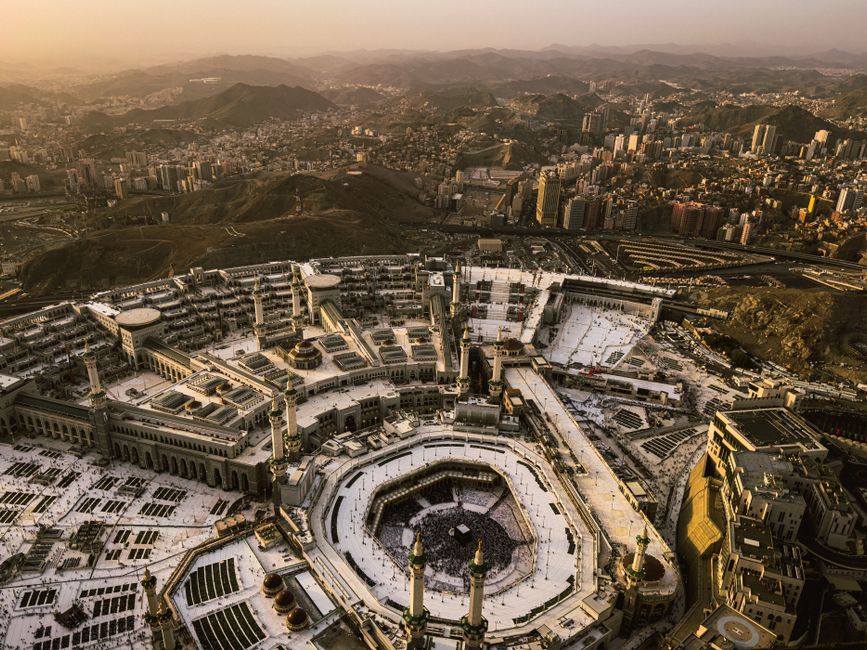
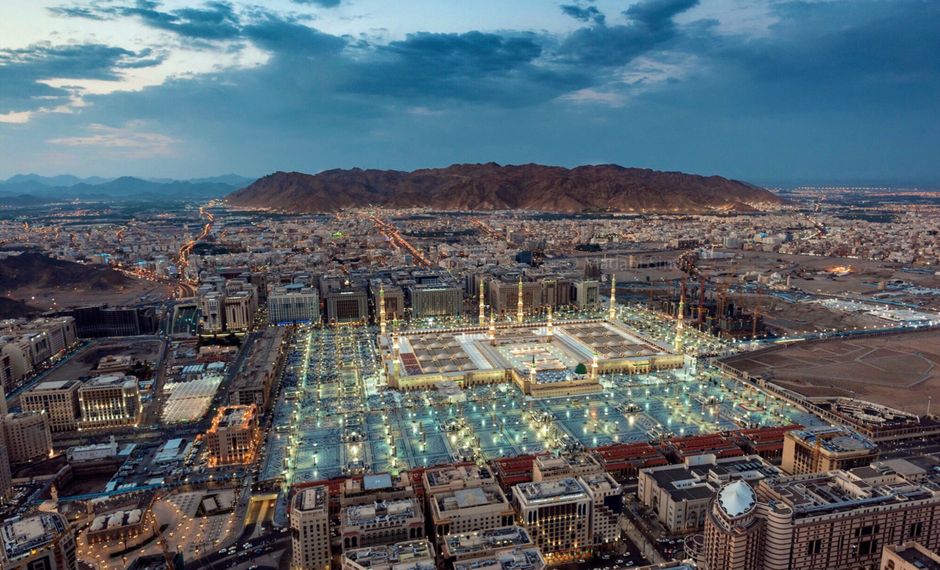
Saudi Arabia’s air defenses destroyed a Houthi drone south of Mecca before it entered prohibited airspace over the holy city, according to the Saudi-led coalition fighting in Yemen. The incident comes as fighting in the wider Middle East intensifies and raises fresh concerns over security around one of Islam’s holiest sites.[2][4]
Breaking
/
AS-1055
/
Global
/
12:00
Saudi Arabia said it shot down a Houthi drone near Mecca, raising the stakes in a sensitive regional conflict. Multiple outlets are treating it as the leading breaking international story because of the location and the risk of escalation.
Breaking
/
AS-1052
/
Global
/
10:01
Saudi Arabia’s military coalition reports it has destroyed a Houthi drone south of Mecca before it entered prohibited airspace over the holy city, as fighting linked to the Yemen conflict spreads across the Middle East.[10][1] The incident comes alongside U.S. travel warnings for areas near the Yemen border and broader concerns over Iran‑backed groups’ drone and missile activities in the region.[3][11]
Developing
/
AS-1048
/
Global
/
06:45
Saudi Arabia says it has intercepted Houthi drones heading toward Mecca, while the Yemen-based group denies targeting the holy city.[2][10] At the same time, reports highlight renewed Houthi strikes on Saudi infrastructure and shipping routes around the Red Sea, intensifying concerns over regional stability and energy supplies.[3][10][13] The situation is driving wider protests over fuel prices and blackouts as the broader Iran-linked conflict pushes up global energy costs.[7][11]
Breaking
/
AS-1040
/
Global
/
00:00
The most urgent global breaking story is the escalation between Russia and NATO after a drone crossed into Lithuanian airspace and was shot down, while Russian warship activity near Denmark has also raised alarm. European officials are treating the incidents as a serious test of regional security and air-defense readiness.
Breaking
/
AS-1036
/
Global
/
20:45
The United States has publicly acknowledged for the first time that it has deployed weapons in orbit, confirming a long-suspected militarisation of space. The announcement comes amid growing tensions with China and Russia, both of which have warned that Washington is turning space into a battlefield.[5][10] The disclosure raises urgent questions about arms control, strategic stability and the risk of escalation beyond Earth.[5][10]
Breaking
/
AS-1035
/
Global
/
20:30
The United States has publicly acknowledged for the first time that it has deployed weapons in Earth’s orbit, confirming the existence of offensive space capabilities. Officials say the move is aimed at deterring adversaries such as China and Russia, amid growing concerns over the militarisation of space and strategic competition.[1][2][4][9] The revelation is raising urgent questions about escalation risks, arms control, and the future of existing space treaties.[2][4][9]
Breaking
/
AS-1034
/
Global
/
20:00
The biggest breaking story appears to be the U.S. confirmation that it has arms deployed in orbit, prompting urgent warnings from China and Russia. The development has raised immediate concerns about a new phase of militarization in space.
Breaking
/
AS-1033
/
Global
/
19:45
The United States has publicly acknowledged for the first time that it has weapons deployed in orbit above Earth, a disclosure that has immediately drawn sharp warnings from China and Russia. The move raises fears of a new arena of military competition and has sparked international debate over the weaponisation of space.[2][8]
Breaking
/
AS-1027
/
Global
/
14:45
The United States has confirmed it has deployed its first-ever on-orbit weapon in space, according to senior officials. The system is described as necessary to protect US forces and infrastructure from hostile actions targeting space assets.[3][13]
Breaking
/
AS-1024
/
Global
/
12:45
The United States has publicly confirmed that it has deployed weapons in space, marking the first official acknowledgment of such on-orbit military capabilities. US officials say the systems are intended to defend American forces, while critics warn the move risks accelerating a new arms race beyond Earth.
Breaking
/
AS-1023
/
Global
/
12:30
The US military has publicly confirmed for the first time that it has deployed weapons in space and intends to use them to defend American forces. This marks a major escalation in the militarisation of space and raises urgent concerns among allies and rivals about a new front in global security competition.
Breaking
/
AS-1022
/
Global
/
12:01
The United States has publicly confirmed it has deployed an on-orbit weapon in space, with the Air Force Secretary saying it will be used to defend American forces. The disclosure comes as regional conflicts in the Middle East and Gulf intensify, including Iran-linked attacks on shipping and Houthi strikes on Saudi energy routes, raising global security and economic concerns.
Breaking
/
AS-1017
/
Global
/
08:30
The United States has confirmed the deployment of its first **on-orbit space weapon**, described by the Air Force Secretary as necessary to protect US forces from hostile actions in space.[1][8] The disclosure marks a major shift in military use of space and comes as regional conflicts and energy-strategy disputes already strain global security.[1][2][4][8] Analysts warn the move could accelerate an arms race in orbit and complicate existing international norms on the peaceful use of space.[8]
Breaking
/
AS-1016
/
Global
/
08:01
The most consequential breaking story appears to be a Russian strike near the Ukraine-Poland border, which has heightened fears of spillover into NATO territory. Multiple outlets are treating it as a major escalation in the war and a direct threat to regional security.[12][9]
Breaking
/
AS-1008
/
Global
/
00:30
Oil prices have surged above $108 a barrel after a merchant vessel was struck in the Strait of Hormuz and Saudi Arabia shut a key pipeline that bypasses the waterway. The incidents are heightening concerns that vital Middle East energy routes could be disrupted, with major implications for global markets and geopolitics.
Breaking
/
AS-0985
/
Global
/
08:45
Saudi Arabia has carried out 58 airstrikes in 24 hours amid a sharp escalation in its conflict with Yemen’s Houthi movement. The surge in attacks signals a significant intensification of regional tensions with potential implications for global energy security and humanitarian conditions in Yemen.
Breaking
/
AS-0973
/
Global
/
22:45
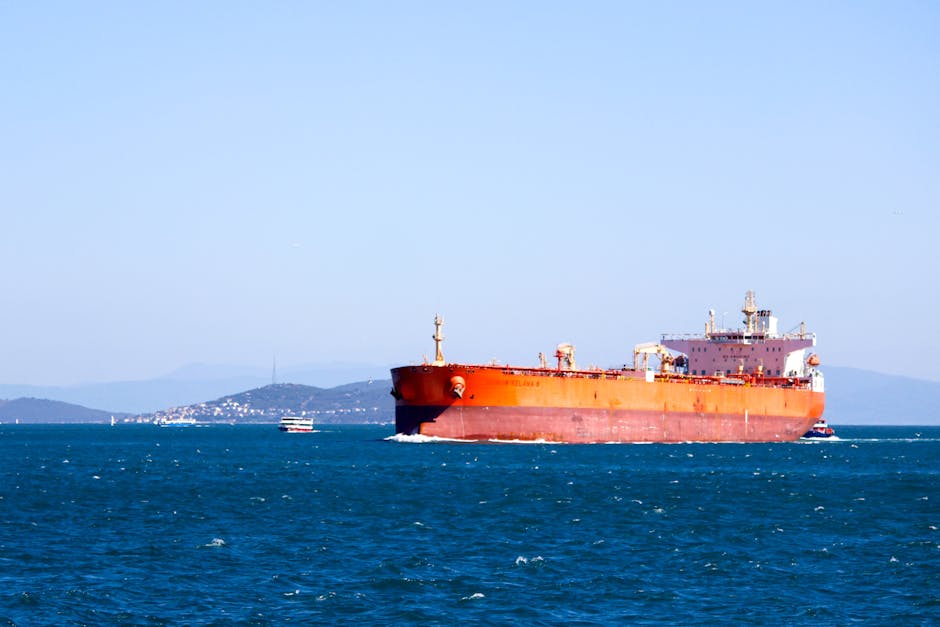
A vessel has caught fire in the Strait of Hormuz after being struck by a projectile, according to UK Maritime Trade Operations. Local authorities are evacuating crew members, and officials are still assessing the extent of the damage and any environmental impact.[10] Given the Strait’s critical role in global oil shipments and ongoing regional tensions, the incident is being treated as a high-stakes security and economic concern.[10]
Breaking
/
AS-0971
/
Global
/
22:01
Iran has reportedly damaged US warplanes amid escalating confrontations in the Gulf region, adding to broader tensions involving Saudi Arabia, BRICS partners and Western allies.[5][11] The incident comes as Saudi Arabia faces mounting threats from Iran and its allies, and key oil infrastructure in the region has already been targeted and disrupted.[5][11]
Breaking
/
AS-0957
/
Global
/
12:30
A merchant ship has been struck in the Strait of Hormuz amid escalating regional tensions, raising renewed concerns over the security of one of the world’s most critical energy chokepoints.[4][13][14] The incident, alongside other recent attacks and pipeline disruptions, is fueling worries about potential impacts on global oil supplies and broader Middle East instability.[4][13][14]
Breaking
/
AS-0950
/
Global
/
08:00
Saudi Arabia has closed its East-West oil pipeline after the key energy conduit was hit in an aerial attack linked to the widening Middle East conflict.[7] The shutdown raises immediate concerns about global oil supply security and regional escalation.[7] Authorities are still assessing damage and potential disruption to exports.[7]
Breaking
/
AS-0936
/
Global
/
20:30
Saudi Arabia has closed a key oil pipeline after a drone strike launched from Iraq, triggering investigations and the removal of a local Iraqi military commander. The shutdown raises immediate concerns over global oil supplies and regional security as authorities probe responsibility for the cross‑border attack.[2][14][8]
Breaking
/
AS-0927
/
Global
/
14:30
North Korea has launched several short-range ballistic missiles into the sea amid heightened tensions over recent military drills by the United States and South Korea. The tests risk further destabilizing security on the Korean Peninsula and provoking new diplomatic and military responses from regional powers.
Breaking
/
AS-0923
/
Global
/
10:45
North Korea launched multiple short-range ballistic missiles toward the East Sea on September 12, according to recent wire coverage. The launches came just a day after South Korea, the United States, and Japan wrapped up joint maritime exercises, raising tensions on the Korean Peninsula.
Breaking
/
AS-0920
/
Global
/
08:45
North Korea launched ballistic missiles toward the Sea of Japan on September 12, adding immediate military tension to an already crowded news cycle. The move came as major leaders gathered for the BRICS summit, with Reuters and other outlets reporting the launch early Friday/Saturday local time.
Breaking
/
AS-0888
/
Global
/
08:45
Yemen’s army has declared the area around the Taiz-Mocha road a military zone and warned civilians to stay away as fighting with the Houthis intensifies. The situation is developing amid broader regional tensions and warnings from the UN that renewed conflict could draw Yemen into wider confrontation.
Breaking
/
AS-0828
/
Global
/
12:45
The most urgent global story is the rapidly escalating confrontation between Iran and the United States, involving missile attacks on US warships and American strikes on Iranian oil tankers.[4][10][12][15] This clash is driving oil prices above $100 a barrel and raising fears of a broader regional war affecting global energy markets and security.[5][6][15]
Breaking
/
AS-0817
/
Global
/
06:01
The United States military says it has destroyed five Iranian tankers in response to attempted ballistic missile attacks on a US Navy warship, according to US Central Command. The incident marks a sharp escalation in the ongoing US–Iran conflict centered around maritime security and energy flows in the Persian Gulf and Strait of Hormuz. Regional tensions and global energy market concerns are likely to intensify as governments assess the risk of further confrontation.
Breaking
/
AS-0810
/
Global
/
22:45
Iran‑aligned Houthi forces have launched a major wave of ballistic missiles and drones at several cities and energy facilities in southern Saudi Arabia, injuring at least 73 people. The attacks mark a significant escalation in the long‑running regional conflict and have prompted Saudi authorities to warn of retaliation and potential disruptions to oil infrastructure.[3][4][6][15]
Breaking
/
AS-0806
/
Global
/
20:30
Iran-backed Houthi forces have launched major attacks on cities and energy infrastructure in southern Saudi Arabia, wounding more than 70 civilians and including children among the injured. Saudi Arabia has vowed retaliation, raising fears of a wider regional escalation involving Yemen, Iran, and key global energy supplies.
Breaking
/
AS-0803
/
Global
/
19:30
Iran-backed Houthi forces have launched a major missile and drone barrage on Saudi Arabian cities and energy infrastructure, injuring more than 70 people and disrupting operations at oil facilities.[4][5][7][14] Saudi authorities have condemned the attacks and warned of retaliation, raising fears of a wider regional escalation.[4][5][14]
Breaking
/
AS-0802
/
Global
/
19:00
Russia warned of a “harsh and painful” response after Hungary expelled 10 diplomats, making the standoff one of the day’s most immediate international flashpoints. The episode adds to broader tensions across Europe as multiple security and diplomatic crises compete for attention.[2]
Breaking
/
AS-0799
/
Global
/
17:01
Iran-aligned Houthi forces in Yemen have carried out a large-scale strike on Saudi Arabian cities and energy infrastructure, wounding at least 73 civilians. Saudi authorities say the attacks hit airports and Aramco-linked oil sites, and have vowed to respond, raising fears of wider regional escalation.[2][3][8][11][15]
Breaking
/
AS-0795
/
Global
/
12:45
Iran‑backed Houthi forces in Yemen have launched a wave of attacks on multiple cities in southern Saudi Arabia, wounding more than 70 people and setting energy installations ablaze. Saudi authorities are vowing a forceful response, raising fears of further escalation in the already volatile Middle East conflict.
Breaking
/
AS-0789
/
Global
/
08:45
Iran has escalated tensions with the United States in and around the Persian Gulf, including claims of firing an advanced missile at US warships and threatening 'economic warfare' amid ongoing US strikes on Iranian tankers.[1][2][10][11] The standoff is focused on control of shipping through the Strait of Hormuz, where regional states warn of an impending industrial and energy supply crisis if the waterway is not fully reopened.[1][10][11]
Breaking
/
AS-0778
/
Global
/
00:00
The most urgent global story is the rapidly escalating confrontation between Iran and the United States around the Strait of Hormuz, including disputed claims of attacks on US vessels and threats of new exclusion zones. This is directly affecting global energy markets and shipping security, while risk of wider military escalation remains high.[3][4][8][11]
Breaking
/
AS-0777
/
Global
/
22:45
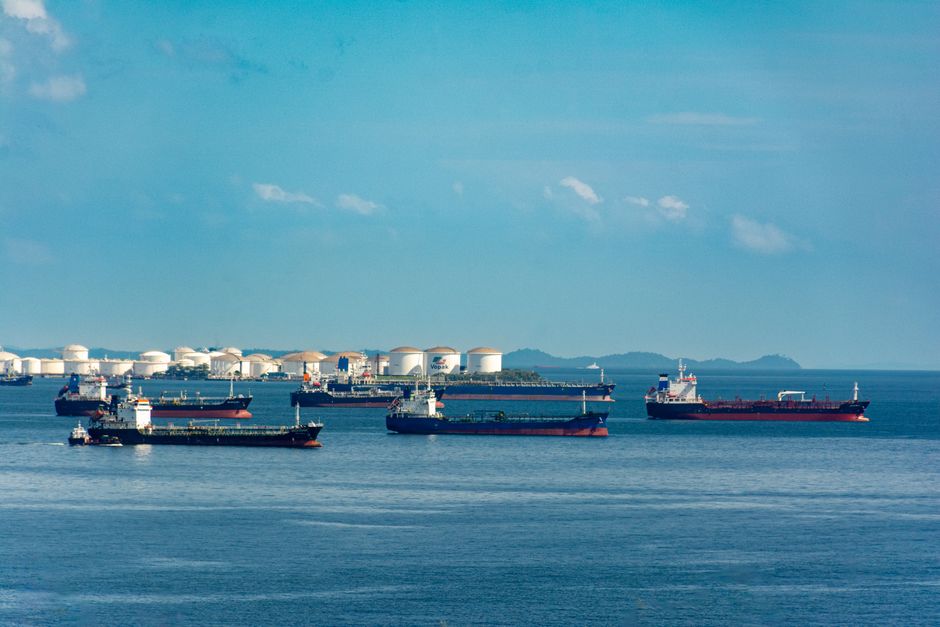
Tensions between the United States and Iran around the Strait of Hormuz are sharply disrupting commercial shipping and raising fears of a wider regional confrontation.[4][6][7] Iran is reportedly preparing an exclusion zone near the vital waterway, while recent strikes on tankers and competing narratives over attacks on vessels have pushed traffic through the strait to its lowest levels in months.[4][6][7]
Breaking
/
AS-0766
/
Global
/
17:00
Iran is preparing to announce a new maritime ‘exclusion zone’ near the strategically vital Strait of Hormuz, escalating already high tensions with the United States and its allies.[6][7] The move follows recent claims of attacks on U.S. vessels and reported U.S. strikes on Iranian-linked assets, raising fears of disruption to global oil flows and wider regional confrontation.[6][7][11]
Breaking
/
AS-0759
/
Global
/
10:45
Tensions between the United States and Iran are sharply escalating after US forces struck three Iranian oil tankers and Iran claimed, without US confirmation, to have attacked a US military vessel near the Strait of Hormuz. The incident raises the risk of a broader confrontation in a critical global shipping lane.
Developing
/
AS-0757
/
Global
/
10:01
Iranian officials say they will soon declare a restricted zone outside the Strait of Hormuz, placing any ship that transits the area on Tehran’s sanctions list.[7] The announcement comes after days of U.S. and Iranian strikes and harassment targeting oil tankers, sharply reducing commercial shipping traffic through one of the world’s most critical energy chokepoints.[3][8] The move raises fears of a wider confrontation and major disruption to global oil supplies.[7][8]
Breaking
/
AS-0753
/
Global
/
06:45
Iranian and US-linked forces have exchanged fire in waters near the Strait of Hormuz, involving several Iranian oil carriers and tankers that Iran says were on unauthorized routes.[9][3][7][13] The incident escalates already high tensions around one of the world’s most critical chokepoints for global oil shipments.[9][3][7] Military activity and Tehran’s threats to impose new restrictions on transiting vessels raise concerns over energy security and the risk of broader confrontation.[3][7][9]
Breaking
/
AS-0746
/
Global
/
00:30
Iran has warned that it will deliver a “faster, heavier, more painful” response following recent US military strikes on Iranian oil tankers and naval assets. The escalation comes amid rising tensions in the Gulf, with Iran also accused of planning larger attacks through regional proxies and targeting US naval drones.[11][12][14]
Breaking
/
AS-0744
/
Global
/
22:45
Iranian forces have carried out new attacks on US vessels in the Strait of Hormuz following US strikes on Iranian oil tankers, sharply escalating tensions in the Gulf. Washington says the strikes were retaliation for earlier Iranian attacks on US warships, while Tehran warns of a "faster, heavier, more painful" response.
Breaking
/
AS-0726
/
Global
/
10:45
The United States military has carried out strikes on three Iranian oil tankers after its Navy warships were targeted by Iranian ballistic missiles in waters near Iran.[4][5][9][11][15] No American personnel were reported harmed in the attacks, but the incident sharply escalates tensions in the strategically vital Strait of Hormuz.[5][9] The exchanges raise concerns about regional stability and global energy security as oil shipping routes come under direct military fire.[4][5]
Breaking
/
AS-0720
/
Global
/
06:45
US forces have carried out strikes on three Iranian crude oil carriers after Iran’s Revolutionary Guard launched ballistic missiles toward two US Navy warships near a key global oil route.[7] The missiles did not hit the US vessels, but the exchange marks a sharp escalation between Washington and Tehran in a region critical to worldwide energy supplies.[7] The incident heightens fears of broader regional conflict and potential disruption to global oil markets.[7][8]
Breaking
/
AS-0719
/
Global
/
06:30
US forces have carried out strikes on three Iranian crude oil tankers after Iran’s Islamic Revolutionary Guard Corps launched ballistic missiles toward two US Navy warships near a key global shipping route. The missiles did not hit the US vessels, but the incident marks a sharp escalation in tensions between Washington and Tehran in a region critical to world energy supplies. Officials say the strikes are intended as a direct response to the Iranian attack and warn of broader regional fallout if the confrontation continues.
Breaking
/
AS-0718
/
Global
/
06:01
The US military says it struck three Iranian crude oil carriers after Iran’s Revolutionary Guard launched ballistic missiles toward two US Navy warships near a key global oil route, though the missiles did not hit the vessels.[7] The incident marks a sharp escalation in tensions between Washington and Tehran with direct implications for energy security and regional stability.[7]
Breaking
/
AS-0716
/
Global
/
02:30
US forces have carried out strikes on three Iranian crude oil carriers after Iran’s Islamic Revolutionary Guard Corps launched ballistic missiles toward two US Navy warships near a key global shipping route.[3][9] The missiles did not hit the US vessels, but the incident marks a sharp escalation in tensions between Washington and Tehran.[3][9] Analysts warn the confrontation could disrupt oil supplies and further destabilize the wider Middle East.[3][9][7]
Breaking
/
AS-0702
/
Global
/
17:45
The US military says it has carried out strikes after Iran launched ballistic missiles toward two US Navy warships. The incident marks a dangerous escalation in already heightened tensions across the Middle East. Governments are closely watching for any further military exchanges or impact on global shipping routes.
Breaking
/
AS-0695
/
Global
/
12:30
An explosion at a Bolivian military base in Viacha, near La Paz, has killed at least 10 people and injured dozens more, according to early reports. Authorities are investigating the cause of the blast at the facility, which stored pyrotechnic or munitions-related material, and have not ruled out further casualties as emergency operations continue.
Breaking
/
AS-0691
/
Global
/
10:00
A Russian drone struck the Ukrainian capital and hit a security headquarters, according to BBC reporting. The attack is among the most prominent developing international stories in the latest news cycle, amid continuing escalation in the war.
Breaking
/
AS-0688
/
Global
/
08:01
An explosion at a Bolivian military base has killed at least 10 people and injured dozens more, according to early reports. Authorities are investigating the cause as emergency services work to treat the wounded and secure the area.[4]
Breaking
/
AS-0681
/
Global
/
00:45
The most critical global story right now is the rapid escalation of **US-Iran military tensions**, with recent US airstrikes in Iran causing multiple civilian casualties and injuries.[3][13] This confrontation is unfolding alongside broader US-led economic pressure on Iran and allied states, raising risks of wider regional conflict.[3][7][10] International actors are closely watching for potential spillover across the Middle East and impacts on global security and energy markets.[3][9][13]
Breaking
/
AS-0671
/
Global
/
19:30
Russia has intensified attacks on Ukraine, including a rare drone strike on the Kyiv headquarters of Ukraine’s Security Service. The escalation underscores Ukraine’s worsening air-defense shortages and comes amid renewed diplomatic talk of a possible peace settlement. These developments heighten concerns about civilian safety and the broader stability of Europe.[2][8][9]
Breaking
/
AS-0641
/
Global
/
20:30
The United States has launched heavy strikes on Iran and says it is prepared to carry out more attacks at any time, as President Donald Trump warns of further action while insisting renewed fighting will not last long.[7][8] Iranian officials report at least 18 people killed and over 100 wounded in the latest round of U.S. strikes, while Tehran condemns what it calls acts of aggression and vows to defend its sovereignty.[7][8]
Breaking
/
AS-0623
/
Global
/
08:30
U.S. forces have announced fresh strikes on targets linked to Iran’s Revolutionary Guard, deepening a renewed cycle of hostilities between Washington and Tehran.[10][11] Iran has responded with additional attacks in retaliation, raising fears of a wider regional conflict in the Middle East.[11] Military activity and political rhetoric on both sides are intensifying, with civilian and economic infrastructure increasingly at risk.[10][11]
Breaking
/
AS-0620
/
Global
/
06:30
The United States and Iran have exchanged their most significant attacks in weeks around the Strait of Hormuz and across the region, ending a brief lull and putting both sides back on a war footing.[2][11][14] Washington is threatening further, more devastating strikes, while Iran says U.S. attacks have killed civilians, including at a wedding, and has fired on Gulf neighbors in response.[2][5][7][14] The escalation is heightening fears of a wider regional conflict that could disrupt global oil supplies and draw in allied states.[2][11][14]
Breaking
/
AS-0587
/
Global
/
06:30
The United States has launched fresh strikes on Iranian rocket launchers and related targets around the Strait of Hormuz, prompting retaliatory missile attacks from Iran. The exchanges mark the most serious flare-up in weeks between the two adversaries in a critical global oil chokepoint.
Breaking
/
AS-0585
/
Global
/
02:45
The United States has carried out airstrikes on Iranian rocket launchers near the Strait of Hormuz, the first such military action in several weeks, amid a broader flare-up in US-Iran hostilities.[4][5][10] The strikes follow what US officials describe as Iranian attempts to target commercial shipping and American personnel, raising fears of renewed escalation in a critical global oil chokepoint.[4][5][10]
Breaking
/
AS-0574
/
Global
/
20:00
The United States has begun military strikes against Islamic Revolutionary Guard Corps targets in Iran following earlier attacks on American bases in the Middle East. Initial reports describe this as a major escalation with potential regional and global repercussions.
Breaking
/
AS-0526
/
Global
/
10:01
The most prominent breaking story is the renewed escalation between the United States and Iran after U.S. forces struck Iranian rocket launchers on Larak island, followed by reported Iranian retaliation. Several major outlets also report this as the leading world story, with immediate implications for the Strait of Hormuz and regional security.
End of transmission — refreshing every 60s
 Photo — Bongani Nkwinika / Pexels