Breaking
/
AS-2889
/
Global
/
22:45
President Donald Trump said the Iran war was effectively over and that further U.S. strikes were unlikely, while Tehran denied that talks were planned. The conflicting statements leave the possibility of de-escalation unresolved as U.S. forces remain prepared for further action.
Breaking
/
AS-2886
/
Global
/
20:45
U.S. President Donald Trump said the war with Iran is effectively over and that further American strikes are highly unlikely, while Iran denied that planned talks were underway. The conflicting statements leave the conflict’s status and prospects for de-escalation uncertain.
Developing
/
AS-2880
/
Global
/
17:45
U.S. President Donald Trump said the war in Iran is “effectively over,” while Tehran denied that planned talks had been agreed. The statement could signal a pause in hostilities but leaves the conflict’s diplomatic and military future uncertain.
Breaking
/
AS-2877
/
Global
/
14:45
President Donald Trump said further U.S. attacks on Iran were highly unlikely and that the conflict was effectively over after meeting Qatar’s prime minister. Iran’s security chief denied planned talks, underscoring uncertainty over whether de-escalation will hold.
Developing
/
AS-2871
/
Global
/
10:45
U.S. President Donald Trump said further military action against Iran appears unnecessary for now, while warning Washington could act if conditions change. The development follows talks with Qatar’s prime minister and comes as attacks affecting shipping in the Strait of Hormuz continue.
Developing
/
AS-2870
/
Global
/
10:30
U.S. President Donald Trump said the war with Iran is militarily “effectively over” and suggested renewed attacks are unlikely, while Iran signaled openness to negotiations. The development could reduce immediate regional and global economic risks, but the conflict remains unresolved.
Breaking
/
AS-2863
/
Global
/
06:01
President Donald Trump said the U.S.-Iran war is effectively over militarily while announcing that an economic and naval blockade will remain in place. The development follows reports of positive momentum toward ending the conflict and continued regional diplomacy.[1][2]
Developing
/
AS-2862
/
Global
/
02:45
U.S. President Donald Trump said there is positive momentum toward ending the U.S.-Iran conflict after meeting Qatar’s prime minister. He said the conflict is militarily over but warned the United States remains prepared to resume strikes if necessary.
Developing
/
AS-2861
/
Global
/
02:30
President Donald Trump said the United States is seeing positive momentum toward ending its conflict with Iran after talks with Qatar’s prime minister. Washington has paused new strikes for now, while maintaining pressure and warning that military action remains possible if diplomacy fails.[1][5][9]
Developing
/
AS-2860
/
Global
/
02:01
U.S. President Donald Trump said there was positive momentum toward ending the U.S.-Iran conflict after meeting Qatar’s prime minister. Regional states are backing continued U.S. pressure on Iran, including a naval blockade and an operation targeting land-based supply routes.
Developing
/
AS-2856
/
Global
/
22:45
Diplomatic efforts to end the more than eight-month US-Iran war are advancing, with President Donald Trump saying he is unlikely to order fresh attacks while talks continue. However, senior UAE official Anwar Gargash warned that a comprehensive settlement remains difficult, and shipping has reportedly been hit near the Strait of Hormuz.
Developing
/
AS-2854
/
Global
/
22:00
Diplomatic efforts to end the more than eight-month US-Iran war are advancing, but a senior UAE official warned that a comprehensive settlement remains difficult. President Donald Trump said he was unlikely to order fresh attacks while negotiations continue, even as shipping was reportedly hit near the Strait of Hormuz.
Developing
/
AS-2851
/
Global
/
20:01
The United States and Iran exchanged attacks as Washington pursued talks with Qatar aimed at ending the more than eight-month conflict. Senior regional officials warned that a comprehensive settlement remained difficult, while fighting continued around the Gulf and Strait of Hormuz.[9]
Developing
/
AS-2827
/
Global
/
02:01
Diplomatic efforts to end the U.S.-Iran conflict remain stalled, while shipping incidents near the Strait of Hormuz sustain fears of a wider regional escalation. President Donald Trump said fresh U.S. attacks on Iran were highly unlikely if negotiations progress, but Secretary of State Marco Rubio described Tehran’s demands as unacceptable.[3][7]
Developing
/
AS-2779
/
Global
/
17:00
The United States is preparing a new task force to restrict Iran’s movement of advanced weapons, sanctioned goods and illicit revenue across its land borders and the Caspian Sea. The move expands a months-long naval blockade and raises the risk of further regional escalation.
Developing
/
AS-2769
/
Global
/
08:45
The United States carried out a new limited strike against an Iranian air-defense system, while explosions were reported on Qeshm Island and Tehran said it had downed a US drone. The action threatens to intensify a broader confrontation even as Qatar continues mediation efforts between Washington and Tehran.
Breaking
/
AS-2764
/
Global
/
06:01
The United States conducted new limited strikes on an Iranian air-defense system, according to President Donald Trump, as tensions between Washington and Tehran continue to escalate. Explosions were also reported on Qeshm Island near the Strait of Hormuz, while Qatar pursued de-escalation efforts.[4][6]
Breaking
/
AS-2763
/
Global
/
02:45
President Donald Trump says he will soon decide whether to order additional strikes on Iran, while Qatar is urging Washington and Tehran to pursue an agreement to end the war. The developments raise the risk of renewed regional escalation as mediators seek a diplomatic opening.
Breaking
/
AS-2755
/
Global
/
22:00
U.S. President Donald Trump said the United States may have to “destroy the rest” of Iran, while diplomatic efforts continued to reduce tensions. Iran reported downing two U.S. reconnaissance drones, and regional officials pursued talks to prevent further escalation.
Breaking
/
AS-2720
/
Global
/
20:30
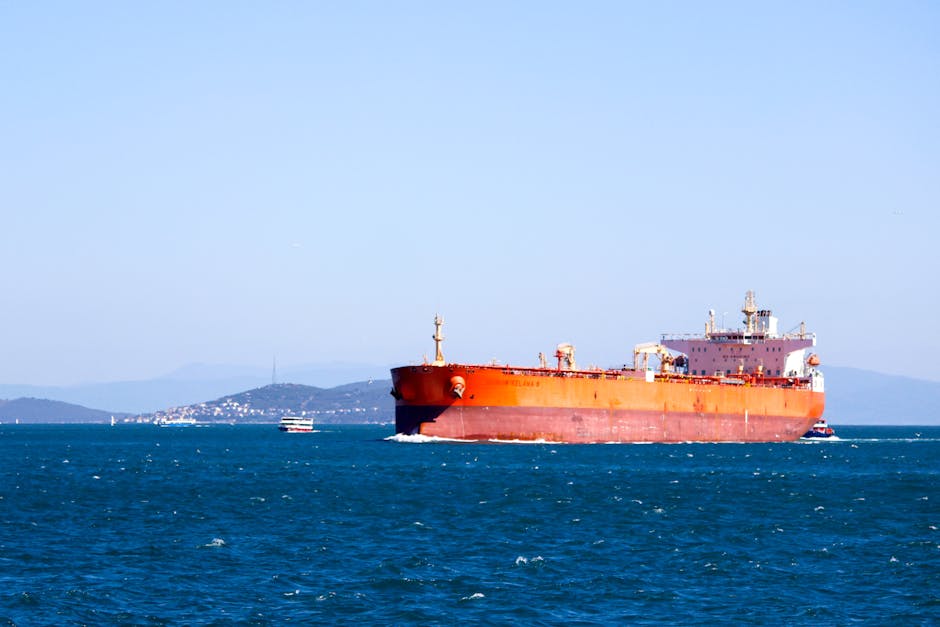
Three more tankers were reportedly damaged in the Strait of Hormuz as Iran maintained pressure amid the unresolved US-Iran war. The attacks threaten a vital global energy corridor and come as diplomatic efforts involving Qatar continue without a breakthrough.
Breaking
/
AS-2718
/
Global
/
19:45
Three more tankers were damaged in the Strait of Hormuz on Thursday, according to Iranian officials, bringing reported vessel incidents since Sunday to at least five. The continuing attacks show that commercial shipping remains under severe threat despite mediation efforts involving Qatar, the United States and Iran.
Developing
/
AS-2708
/
Global
/
12:30
President Donald Trump defended the political and economic costs of the Iran war after Republicans suffered a major defeat in the US midterm elections. The result raises immediate questions about Washington’s strategy and the conflict’s wider regional and global consequences.
Breaking
/
AS-2654
/
Global
/
20:30
The United States carried out what officials described as defensive strikes against Iranian positions on Qeshm Island in the Strait of Hormuz. The action comes as Washington and Tehran remain far from a deal, raising fears of renewed regional escalation.[1][5]
Breaking
/
AS-2649
/
Global
/
17:45
The United States has struck Iranian targets in and around the Strait of Hormuz, while Iran warns Washington it must act to prevent renewed war. Indirect talks mediated by Qatar have produced revised proposals but no breakthrough, leaving the strategic waterway and wider Middle East at acute risk.
Breaking
/
AS-2640
/
Global
/
10:45
The United States has carried out defensive strikes against Iranian targets near the Strait of Hormuz, according to a U.S. official.[1] The action comes as Washington and Tehran pursue indirect talks aimed at reopening the strategic waterway and preventing a wider escalation.[5]
Breaking
/
AS-2639
/
Global
/
10:30
The United States conducted defensive strikes against Iranian targets near the Strait of Hormuz, while Iran reported downing a US drone. Diplomatic efforts to prevent a wider war remain active, but Tehran says reopening the strategic waterway depends on Washington meeting its conditions.
Breaking
/
AS-2635
/
Global
/
08:01
The US military conducted strikes on Iran’s Qeshm Island in what officials described as a defensive operation. The action comes as US-Iran negotiations remain deadlocked and Gulf states raise their military and civil-defense readiness.[1][2]
Breaking
/
AS-2628
/
Global
/
00:45
Iran says it has a two-day plan to reopen the Strait of Hormuz and resume nuclear negotiations with the United States. The proposal comes as regional tensions remain high and shipping through the strategic waterway is disrupted.
Breaking
/
AS-2627
/
Global
/
00:30
Iranian negotiators have left Qatar-mediated talks with the United States, while a draft proposal aimed at ending the conflict is circulating. The diplomatic uncertainty comes as tankers continue to face attacks in the Gulf and Washington reportedly prepares for possible renewed strikes after the US midterm elections.
Breaking
/
AS-2625
/
Global
/
22:45
Iran has proposed reopening the Strait of Hormuz within two days while seeking to resume nuclear negotiations with the United States. The plan comes amid heightened regional tensions, with diplomacy competing against pressure for further military action.[4][7]
Breaking
/
AS-2622
/
Global
/
20:45
Iranian negotiators have left Doha after talks with Qatari mediators aimed at ending the war with the United States, while officials circulate a draft agreement. The proposal could reopen the Strait of Hormuz, a vital global energy route, if Washington and Tehran reach a deal.[1]
Developing
/
AS-2620
/
Global
/
20:00
Iranian negotiators have left Doha after talks with Qatari mediators aimed at ending the eight-month Iran-US war, while a draft proposal continues to circulate. Tehran said contacts remain ongoing, but no breakthrough was reached and tanker attacks in the Gulf continue.[2][8]
Developing
/
AS-2619
/
Global
/
19:45
Iran has proposed reopening the Strait of Hormuz within two days while seeking renewed nuclear talks with the United States. The proposal comes amid heightened regional tensions, competing diplomatic pressure, and continuing violence in Gaza.[4][8]
Developing
/
AS-2616
/
Global
/
17:45
Iranian negotiators have left Doha after talks with Qatari mediators aimed at ending the war with the United States, while a draft agreement is reportedly circulating. The proposal could reopen the Strait of Hormuz and revive nuclear negotiations, raising hopes of easing a crisis that has disrupted regional energy supplies.[1][2]
Breaking
/
AS-2613
/
Global
/
14:45
Iranian negotiators have left talks with Qatari mediators aimed at ending the war with the United States, while officials circulate a draft proposal for a possible follow-up meeting. Tehran says the discussions center on reopening the Strait of Hormuz and ending the U.S. naval blockade of Iran.
Breaking
/
AS-2606
/
Global
/
10:30
Two crude oil tankers caught fire after reportedly striking mines in the Strait of Hormuz, while diplomatic efforts to reopen the waterway continued. U.S. President Donald Trump said the war with Iran could end soon, but warned that Washington may escalate if Tehran does not reach a deal.
Developing
/
AS-2604
/
Global
/
08:45
President Donald Trump is prioritizing diplomatic engagement with Iran despite pressure from Israeli Prime Minister Benjamin Netanyahu for military strikes after the US midterm elections. Iranian negotiators were reported in Doha for talks with Qatari mediators aimed at ending the conflict, making the standoff the most consequential developing international crisis in current coverage.
Breaking
/
AS-2603
/
Global
/
08:30
Iran and the United States remain locked in urgent negotiations over a proposed plan to reopen the Strait of Hormuz, while President Donald Trump has threatened further military action against Iran. Tehran has warned that renewed conflict could last longer than the previous confrontation, raising the risk of a wider regional crisis.
Breaking
/
AS-2597
/
Global
/
02:30
Two oil tankers reportedly exploded after striking mines in the Strait of Hormuz, according to Iran’s IRGC Navy, while diplomatic efforts to reopen the vital shipping route continue.[7][9] The incident threatens global energy supplies and comes as the United States and Iran remain at war.[9]
Breaking
/
AS-2595
/
Global
/
00:45
Iranian negotiators are in Doha for a third consecutive day of talks with Qatari mediators aimed at ending the US-Israeli war on Iran.[1] The diplomatic effort comes as the conflict disrupts energy flows and raises fears of wider regional escalation.
Developing
/
AS-2593
/
Global
/
00:03
U.S. and Iranian officials are pursuing mediated diplomacy while President Donald Trump warns that several Iranian targets remain under consideration. Iran says the outcome depends on Washington’s response and signals it is preparing for both negotiations and possible confrontation.[5][7]
Breaking
/
AS-2591
/
Global
/
22:30
Iranian negotiators are in Doha for a third consecutive day of talks with Qatari mediators aimed at ending the US-Israeli war on Iran. The negotiations come amid concern that fighting could intensify after the November 3 US midterm elections.
Breaking
/
AS-2590
/
Global
/
22:01
Tensions between the United States and Iran are escalating, with President Donald Trump warning that additional Iranian targets remain while diplomatic efforts continue to prevent renewed full-scale conflict. Qatar-led mediation is seeking a breakthrough, as regional officials warn that military action offers no quick resolution.[1][3][6]
Developing
/
AS-2568
/
Global
/
06:45
Iranian envoys met Qatari mediators in Doha as diplomatic efforts intensified to prevent renewed fighting after the U.S. midterm elections. U.S. Secretary of State Marco Rubio said President Donald Trump had not decided whether to launch further strikes, while Iran said it had no current plans for direct talks with Washington.[1][2]
Developing
/
AS-2566
/
Global
/
06:01
Iranian negotiators met Qatari mediators in Doha as diplomatic efforts intensified to prevent renewed fighting after the U.S. midterm elections. Tehran said it currently has no plans for direct talks with Washington, while Qatar and Pakistan continue mediation efforts.[10][3]
Developing
/
AS-2561
/
Global
/
00:30
Iran’s leader warned that any attack could trigger a response with no geographic limits, while U.S.-Iran tensions remain high amid stalled peace talks. U.S. officials have not decided whether to launch fresh strikes, making the risk of rapid regional escalation the world’s most urgent developing story.
Developing
/
AS-2559
/
Global
/
22:45
Iran’s supreme leader and army warned that any new U.S. or Israeli attack could trigger a geographically unrestricted response and expand the conflict. The warnings come as Washington weighs further strikes and diplomatic efforts involving Iran and Qatar continue.
Breaking
/
AS-2555
/
Global
/
20:30
Iran’s supreme leader warned that any attack by the United States or Israel would trigger an immediate response with no geographic limits. The warning comes amid heightened regional tensions and reports of intensive Iran-Qatar negotiations.
Breaking
/
AS-2552
/
Global
/
19:30
Iran’s army warned that any further US attack would broaden the conflict, amid threats of additional military action by Washington and Israel. The warning comes as Tehran and Qatar reportedly conducted marathon negotiations aimed at restoring direct US-Iran talks.[10][3]
Developing
/
AS-2548
/
Global
/
17:01
Iran’s leadership has threatened an immediate response to any potential attack, intensifying fears that the ongoing U.S.-Iran conflict could widen across the Middle East. Qatar has returned to Tehran in a renewed effort to negotiate an end to the war, while reported damage to U.S. bases underscores the conflict’s growing regional and strategic consequences.[1][3][7]
Breaking
/
AS-2543
/
Global
/
12:30
The continuing US-Iran war is the most consequential breaking international story, with regional escalation threatening energy supplies, shipping and civilian safety. Qatari mediators have returned to Tehran in a renewed effort to negotiate an end to the conflict, while Egypt warns that further escalation could be even more destructive.
Developing
/
AS-2444
/
Global
/
12:30
The United States is reportedly considering resuming attacks on Iran after next week’s US midterm elections, while Tehran has prepared potential retaliation against Gulf undersea cables. Qatar has presented Iran with a draft agreement aimed at ending the conflict, but no settlement has been reached.
Breaking
/
AS-2430
/
Global
/
00:45
Diplomatic efforts by Qatar, Saudi Arabia, Pakistan and Turkey are seeking to de-escalate the Iran war as attacks threaten shipping and energy supplies. Houthi attacks on Saudi Arabia and proposed Egyptian military support are raising fears of a wider regional conflict.
Breaking
/
AS-2425
/
Global
/
22:01
Qatar said Iran must show good intentions, stop threatening Gulf states and reopen the Strait of Hormuz for mediation to succeed. The conflict has disrupted shipping and oil supplies, while the Houthis separately claimed an attack on Saudi Arabia’s Ras Tanura refinery, which Riyadh has not confirmed.
Developing
/
AS-2418
/
Global
/
17:45
Qatar says Iran must demonstrate good intentions for mediation to succeed, including ending threats against Gulf states and reopening the Strait of Hormuz. The conflict has disrupted shipping and oil supplies, while Houthi forces claim an attack on Saudi Arabia’s Ras Tanura refinery.
Breaking
/
AS-2365
/
Global
/
02:01
Fears of a broader Middle East conflict are intensifying as the United States weighs possible military action against Iran while Tehran signals it will not change policy. Houthi attacks on Saudi Arabia and diplomatic efforts by Qatar are adding urgency to attempts to prevent escalation.
Breaking
/
AS-1786
/
Global
/
14:45
The Iran-U.S. conflict is intensifying as Washington weighs renewed attacks and demands major cuts to Tehran’s nuclear enrichment capacity. Fighting and maritime disruptions around the Strait of Hormuz are driving oil-market volatility and raising the risk of a broader regional crisis.[6][10]
Developing
/
AS-1603
/
Global
/
00:45
U.S.-Iran negotiations have stalled while Qatar mediates between Washington and Tehran, and President Donald Trump says the conflict will end soon through either a deal or intensified military action. The United States is reportedly preparing additional forces for the Middle East, raising the risk of wider regional escalation.
Developing
/
AS-1517
/
Global
/
12:00
U.S. forces are due to withdraw from their remaining bases in Iraq, ending a two-decade military presence as the seven-month Iran-U.S. war continues. Iran is celebrating the departure and urging Americans to vote against President Donald Trump’s congressional allies, while Qatar promotes talks aimed at ending the conflict.
Breaking
/
AS-1503
/
Global
/
00:30
Iran and the United States are exchanging threats while diplomatic efforts seek terms for reopening the Strait of Hormuz, a vital global energy route. Tehran has communicated conditions for ending the war, while Washington is weighing its response amid heightened regional tensions.
Breaking
/
AS-1502
/
Global
/
00:07
The conflict involving the United States, Israel and Iran has entered another significant phase, with a lull reportedly ending and exchanges intensifying. Diplomatic efforts involving Qatar are focused on Iranian conditions for reopening the Strait of Hormuz, while regional fighting and supply concerns continue.
Breaking
/
AS-1501
/
Global
/
22:46
Iran and the United States exchanged sharp threats Tuesday as negotiations over ending the conflict remained unresolved. Tehran has communicated conditions for a possible settlement, while Qatar is expected to present Washington with new proposals concerning Iran’s demand to reopen the Strait of Hormuz.
Developing
/
AS-1500
/
Global
/
22:31
Iran and the United States exchanged sharp rhetoric on September 29 as negotiations over reopening the Strait of Hormuz remained unresolved. Qatar is relaying proposals between Tehran and Washington, but Iran says the United States has not accepted its conditions for ending the conflict.
Breaking
/
AS-1499
/
Global
/
22:04
President Donald Trump has paused a planned U.S. attack on Iran to allow negotiations over a possible agreement ending the war. Iran says Qatar will transmit new proposals to Washington, creating a narrow diplomatic opening amid an active conflict.
Breaking
/
AS-1498
/
Global
/
20:45
The seven-month Iran war remains the most consequential breaking international story, with Tehran warning that regional oil supplies could be threatened if Iran cannot export its own oil. Qatar is relaying proposals for a phased reopening of the Strait of Hormuz, while the United States and Iran weigh conditions for ending hostilities.
Breaking
/
AS-1496
/
Global
/
20:04
The Iran war is escalating again after a lull, while Qatar prepares to present Washington with new proposals from Tehran to reopen the Strait of Hormuz. The crisis threatens global energy supplies and follows the most significant military exchange in weeks.
Developing
/
AS-1495
/
Global
/
19:45
Qatari mediators are presenting Washington with proposals from Tehran aimed at ending seven months of fighting and reopening the Strait of Hormuz. The talks could affect global energy supplies and regional security, but no agreement has been reached.
Developing
/
AS-1494
/
Global
/
19:30
Iran and the United States are pursuing indirect talks on a proposal that could reopen the Strait of Hormuz in phases while addressing the broader conflict. Iranian Foreign Minister Abbas Araghchi said Qatari mediators would present Washington with new ideas, but major disagreements remain over hostilities, sanctions, frozen assets, and the U.S. naval blockade.
Breaking
/
AS-1493
/
Global
/
19:00
The United States and Iran are conducting indirect talks on a proposal to end fighting, ease sanctions, and reopen the Strait of Hormuz. Qatar is mediating, with Iran seeking phased reopening within seven days in exchange for an end to hostilities and other concessions.
Developing
/
AS-1492
/
Global
/
17:46
The United States and Iran are pursuing indirect negotiations on a proposal to end seven months of fighting and reopen the Strait of Hormuz. Qatar is mediating as Washington and Tehran weigh ceasefire terms, sanctions relief, asset access and the lifting of a US naval blockade.
Developing
/
AS-1491
/
Global
/
17:32
Iran says Qatar will present Washington with new proposals aimed at meeting Tehran’s conditions for reopening the Strait of Hormuz. The initiative comes amid a seven-month-old war with Iran and heightened concern over Middle Eastern energy supplies.
Breaking
/
AS-1490
/
Global
/
17:00
Iran says Qatar will deliver new proposals to the United States aimed at meeting Tehran’s conditions for reopening the Strait of Hormuz. The diplomatic push comes amid a continuing war involving Iran and heightened regional tensions.
Developing
/
AS-1489
/
Global
/
14:45
U.S. and Iranian officials are speaking through mediators in a renewed effort to end the seven-month war. Qatar is conveying Iranian proposals to Washington, while President Donald Trump has rejected reports that he offered sanctions relief.[1][5][7][8]
Developing
/
AS-1488
/
Global
/
14:32
Iran says Qatar will convey new proposals to the United States aimed at reopening the Strait of Hormuz and ending the war. The initiative represents a fresh diplomatic effort amid continuing military tensions and uncertainty over Washington’s response.
Developing
/
AS-1486
/
Global
/
12:47
The United States and Iran are pursuing a new mediated effort to end their war, with Qatar carrying Iranian proposals to Washington. President Donald Trump says sanctions relief could be considered if Iran makes concrete nuclear concessions, while military tensions remain unresolved.
Breaking
/
AS-1485
/
Global
/
12:30
The United States and Iran exchanged military attacks, while diplomatic efforts focus on reopening the Strait of Hormuz. Iran says Qatar will present Washington with new proposals, while President Donald Trump denies offering sanctions relief for nuclear concessions.
Breaking
/
AS-1484
/
Global
/
12:02
The United States and Iran remain locked in a dangerous confrontation, with Washington discussing possible sanctions relief while Tehran says it has no plans for further talks in New York. Qatar is expected to present new ideas aimed at reopening the Strait of Hormuz, a vital global energy route.
Developing
/
AS-1483
/
Global
/
10:45
Iran says Qatar will present the United States with new proposals aimed at reopening the Strait of Hormuz, a critical global energy route. The diplomatic effort comes amid an escalating regional conflict and persistent concerns over oil supplies and international security.
Developing
/
AS-1482
/
Global
/
10:30
Tensions between the United States and Iran are escalating as negotiations over reopening the Strait of Hormuz and restarting nuclear talks remain deadlocked. Iran says mediators are presenting new proposals, while Washington warns against a nuclear-armed Iran; oil prices have risen above $105 per barrel.
Developing
/
AS-1474
/
Global
/
02:45
The United States and Iran are pursuing separate discussions through mediators in a bid to end their war, while tensions remain high around the Strait of Hormuz. Iran’s currency has fallen to a record low, and regional oil exports face growing disruption.
Breaking
/
AS-1473
/
Global
/
02:30
The United States and Iran remain engaged in an escalating war while indirect negotiations proceed through mediators in New York. President Donald Trump said the US would win the conflict, while Iran reported continued military operations and the Strait of Hormuz remained a major global economic risk.
Breaking
/
AS-1405
/
Global
/
00:45
U.S. President Donald Trump rejected Iran’s proposal to reopen the Strait of Hormuz within seven days, calling the offer unacceptable. The decision raises the risk of continued disruption in one of the world’s most important energy and shipping routes.
Developing
/
AS-1285
/
Global
/
10:45
Iran has conveyed conditions to the United States through Qatari mediators for ending the ongoing conflict, while talks at the UN General Assembly focus on reopening the strategic Strait of Hormuz. The standoff continues to affect regional security and global oil markets.
Developing
/
AS-1284
/
Global
/
10:30
The United States is increasing pressure on Iran while President Donald Trump warns Tehran it may lose its chance to reach an agreement. Iranian officials have reportedly sent conditions for ending the conflict through Qatari mediators as tensions spread across the region.
Breaking
/
AS-1222
/
Global
/
12:45
US President Donald Trump has signaled a critical decision phase in the ongoing war with Iran, warning that ‘big things’ are in store if Tehran does not change its conduct[3]. His comments come as Qatar mediators work to restart talks between Washington and Tehran and as explosions are reported near a military site in Syria’s Aleppo countryside[3]. The situation raises the risk of wider regional escalation involving multiple Middle Eastern fronts and diplomatic actors[3][8].
Breaking
/
AS-1176
/
Global
/
02:30
Iran’s security chief has conveyed a set of conditions to the United States, via Qatar, for ending the ongoing war between the two countries.[4] The move comes amid intensified military actions and diplomatic maneuvering, raising fears of a wider regional conflict in the Middle East.[4][1]
Breaking
/
AS-1042
/
Global
/
00:45
Yemen’s Houthi movement has captured the strategic Red Sea islands of Greater and Lesser Hanish near the Bab al-Mandab chokepoint, raising concerns over disruption to vital global shipping and oil routes.[4][7][8] Gulf states warn that losing secure access to the strait could be catastrophic for energy markets already strained by regional conflicts and pipeline attacks.[1][3][8]
Breaking
/
AS-0847
/
Global
/
02:00
The most widely covered breaking international story is the Israeli strike in Qatar that has drawn sharp condemnation from the United Nations and global media. Coverage also highlights the widening diplomatic fallout, with leaders framing it as a major escalation in the regional conflict.
End of transmission — refreshing every 60s
 Photo — Hosny salah / Pexels