Breaking
/
AS-1141
/
Global
/
00:45
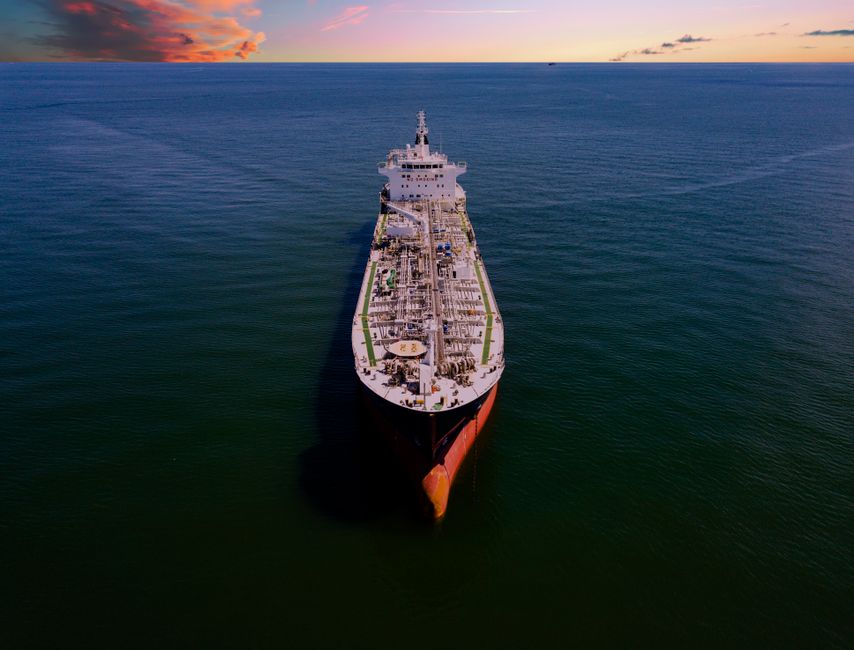
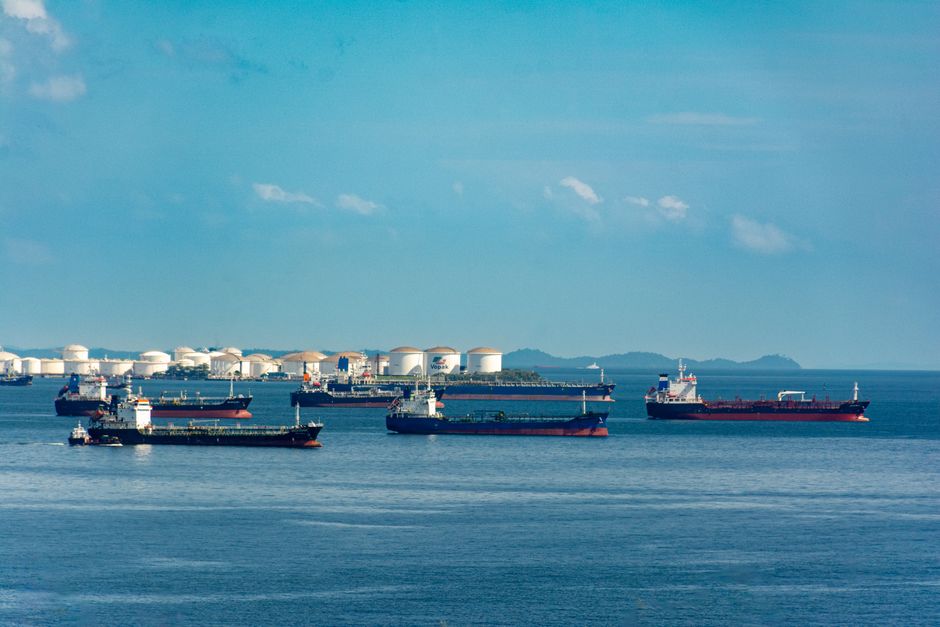
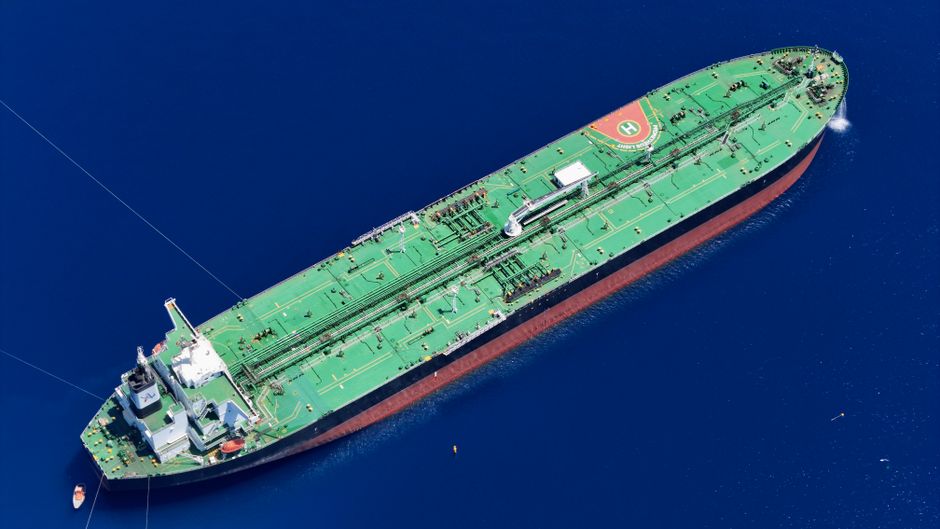
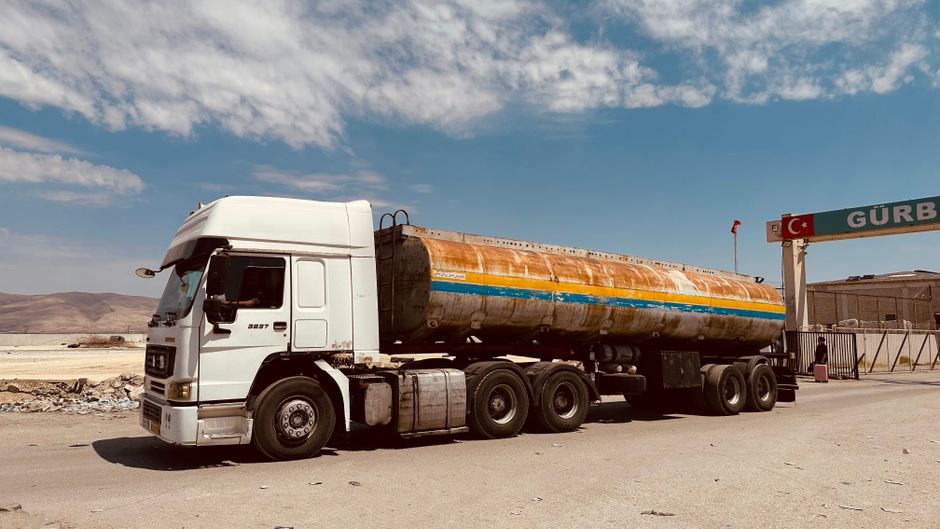
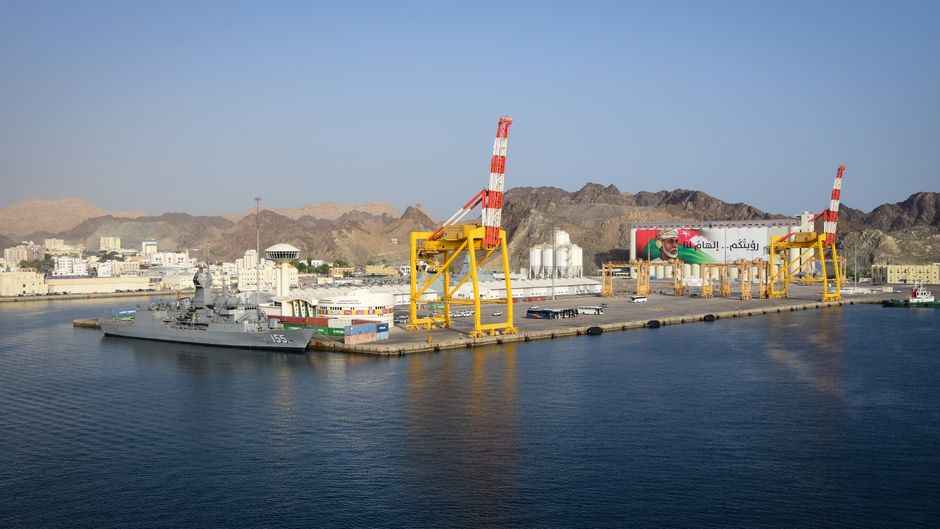
Iran’s Islamic Revolutionary Guard Corps has struck a foreign oil tanker and effectively closed the Strait of Hormuz, sharply disrupting global oil traffic and deepening a wider Middle East confrontation[15][9]. The shutdown of one of the world’s most critical energy chokepoints is driving fears over fuel supplies, market volatility, and potential military escalation involving the US, Saudi Arabia, Yemen’s Houthis and European allies[15][3][9].
Breaking
/
AS-1135
/
Global
/
20:45
A second oil tanker has reportedly been struck in the Strait of Hormuz, with Iran’s Revolutionary Guard claiming responsibility for an earlier attack, sharply escalating tensions in one of the world’s most critical energy chokepoints.[14][5] The incident comes amid a broader Iran-related standoff, including U.S.-Iran war concerns and UN scrutiny of recent military actions.[1][4][5]
Breaking
/
AS-1128
/
Global
/
17:30
A second commercial tanker has reportedly been hit in the Strait of Hormuz, hours after another vessel was struck as tensions flare in the strategic waterway. Iran’s Islamic Revolutionary Guard Corps has claimed responsibility for the first attack, while global authorities warn of mounting disruption to energy and trade flows. The World Trade Organization chief has called the situation the worst threat to global trade in decades.
Breaking
/
AS-1118
/
Global
/
10:00
US President Donald Trump says he is approaching a “big decision” on whether to resume major attacks on Iran, as the conflict around the Strait of Hormuz intensifies.[3][10] Iran’s Revolutionary Guard has claimed responsibility for striking a tanker in the strategic waterway, heightening fears over global oil supplies and regional war.[4][7][10]
Breaking
/
AS-1074
/
Global
/
00:30
Iranian missile and drone strikes have caused extensive damage to multiple US military bases across the Middle East, revealing a far higher level of destruction than previously acknowledged. At the same time, US defenses expended more than 70 interceptors in a single Iranian strike on Jordan and Iran says it has downed yet another US MQ-9 Reaper drone, underscoring a rapidly intensifying confrontation.[7][1]
Breaking
/
AS-1051
/
Global
/
08:45
The United States has carried out additional airstrikes against Islamic Revolutionary Guards Corps targets in Iran, escalating the ongoing 2026 Iran war and the broader Strait of Hormuz crisis.[13] The strikes follow attempted attacks on commercial shipping and US troops in the region, underscoring rising risks to global energy supplies and regional stability.[13]
Breaking
/
AS-0979
/
Global
/
02:45
Fresh attacks on shipping in the Strait of Hormuz and strikes in Saudi Arabia are intensifying the ongoing Iran-US conflict and deepening fears of a wider regional war. These incidents are disrupting oil flows through one of the world’s most critical chokepoints, heightening volatility in global energy markets and raising the risk of direct confrontation among major powers.[3][6][8][13][14]
Breaking
/
AS-0978
/
Global
/
02:30
The United States has carried out additional airstrikes against Islamic Revolutionary Guard Corps targets in Iran, citing recent attempted attacks on commercial shipping in the Strait of Hormuz and on U.S. forces in the region.[13] The escalation deepens the ongoing 2026 Iran war and heightens concerns over global energy security and regional stability.[13]
Breaking
/
AS-0972
/
Global
/
22:30
An Iranian commercial vessel has been struck near the Strait of Hormuz, killing at least one person and igniting a fire onboard.[11][10] The incident comes as Iran’s Revolutionary Guards warn of a forceful response to any U.S. naval approach to its declared restricted zones and as tensions with the U.S. and its allies surge around Gulf shipping lanes.[10] Authorities and maritime monitors are assessing the damage and wider implications for commercial traffic through one of the world’s most critical energy chokepoints.[10]
Breaking
/
AS-0889
/
Global
/
10:01
Armed confrontation between US forces and Iran’s Revolutionary Guard has intensified around the Strait of Hormuz, with Iran’s IRGC claiming it destroyed a US vessel and attacks reported on commercial ships near Oman. The United States is simultaneously asserting greater control over the vital shipping lane as part of a broader war with Iran, sharply raising global security and energy market risks.[6][13][15]
Breaking
/
AS-0883
/
Global
/
06:00
An Iranian Revolutionary Guard Corps operation has reportedly destroyed a US vessel in the Strait of Hormuz, with additional commercial ships hit off the coast of Oman, sharply escalating tensions in a critical global energy corridor. The incident follows recent Iranian attacks on US Navy-linked ships and reported US strikes on Iranian oil tankers, raising fears of a broader regional conflict and disruption to oil supplies.
Breaking
/
AS-0842
/
Global
/
22:30
US forces have carried out new strikes on multiple Iranian oil tankers near Kharg Island in the Persian Gulf, marking a sharp escalation in the confrontation between Washington and Tehran. Iranian-linked forces have also attacked US Navy vessels, raising regional fears over shipping safety and energy supplies.[1][6][12] The incident comes alongside expanded US sanctions on Iranian airlines and a broader campaign targeting Iran’s economic networks.[1][6][8][12]
Breaking
/
AS-0841
/
Global
/
22:01
Iran’s Revolutionary Guard has fired missiles at the Muwaffaq Salti Air Base in Jordan, a facility used by US forces, in apparent retaliation for recent American strikes on Iranian oil tankers.[6][9] Jordan says its air defenses intercepted most of the missiles, while Iran claims damage to deployment areas and hangars at the base.[6][9] The exchange marks a sharp escalation in regional tensions and raises concerns about a wider conflict and disruptions to global oil supplies, which have already pushed prices back to around $100 per barrel.[3][14]
Breaking
/
AS-0835
/
Global
/
19:00
The most significant breaking story is the sharp escalation between the United States and Iran, after U.S. forces reportedly struck five Iranian oil tankers and Washington announced new Iran-related sanctions. Iranian officials have threatened Gulf shipping in response, raising the risk of a wider regional crisis and disruption to global energy markets.
Breaking
/
AS-0834
/
Global
/
17:45
Iran’s Revolutionary Guard and US forces are trading claims of attacks across the region, amid reported strikes on Iranian tankers and alleged missile and drone incidents around Jordan and the Gulf. The confrontation is helping drive Brent crude above $100 a barrel and deepening fears of a wider regional war involving key shipping lanes and energy supplies.[3][5][6][10][13]
Breaking
/
AS-0833
/
Global
/
17:30
The U.S. military says it has destroyed five Iranian crude oil tankers after missile attacks on a U.S. Navy warship, sharply escalating tensions with Tehran and in key shipping lanes. The strikes come as Iran’s Revolutionary Guard expands restricted zones in the Gulf of Oman and Arabian Sea and global oil prices push past $100 a barrel, raising fears of a wider regional conflict and economic shock.
Breaking
/
AS-0830
/
Global
/
14:30
Tensions between Iran and the United States have sharply escalated after reported US strikes on Iranian oil tankers near Kharg Island in the Persian Gulf and Iran’s capture of a US submarine drone in the Strait of Hormuz. The spike in hostilities is driving crude prices toward $100 and raising fears of wider conflict and disruption to global energy supplies.
Breaking
/
AS-0829
/
Global
/
14:00
The United States has reportedly sunk an Iranian oil tanker near Kharg Island, prompting Iran’s Revolutionary Guard to launch a retaliatory missile attack on a US base in Jordan. The exchange marks a sharp escalation in tensions tied to the wider Middle East conflict and raises fears of a broader regional confrontation.
Breaking
/
AS-0827
/
Global
/
12:30
US forces and Iran have carried out strikes and seizures against multiple oil tankers in the Gulf, sharply escalating tensions and driving Brent crude above $100 a barrel.[1][4][15] Iran’s Revolutionary Guards say they captured a US submarine drone in the Strait of Hormuz and issued evacuation warnings for tanker crews in Kuwait and Bahrain, raising fears of a broader regional conflict and global economic shock.[4][8]
Breaking
/
AS-0823
/
Global
/
10:01
US forces have targeted multiple Iranian oil tankers near Kharg Island, sharply escalating tensions between Washington and Tehran.[3][11] In response or parallel, Iran’s Revolutionary Guard says it has attacked a US base in Jordan and warned tanker crews in Kuwait and Bahrain to evacuate.[10][11] The confrontation is stoking fears over Gulf oil shipping, regional security and global energy prices.[1][3]
Breaking
/
AS-0819
/
Global
/
06:45
US forces have destroyed five Iranian oil tankers after what Washington says were attempted ballistic missile strikes on a US Navy warship, sharply escalating confrontation with Iran. Tehran claims it has retaliated by firing missiles at targets in Jordan linked to the US, while oil prices edge toward $100 a barrel amid fears of wider regional conflict.
Breaking
/
AS-0783
/
Global
/
02:45
The United States has carried out additional airstrikes on Islamic Revolutionary Guard Corps targets in Iran amid an ongoing crisis in the Strait of Hormuz linked to the 2026 Iran war.[5] The strikes follow attempted attacks on commercial shipping and US forces, raising global concerns over energy security and regional stability.[5][12] Oil prices are surging as tensions intensify and questions grow over whether Iran can enforce restrictions in the vital waterway.[12]
Breaking
/
AS-0775
/
Global
/
22:00
The United States has carried out additional airstrikes against Islamic Revolutionary Guard Corps targets in Iran, escalating the ongoing Strait of Hormuz crisis. The strikes follow attempted attacks on commercial shipping and U.S. forces in the region, heightening fears of a wider Middle East conflict and global energy disruption.[9][7]
Breaking
/
AS-0749
/
Global
/
02:30
The United States military has struck three Iranian crude oil tankers after US Navy warships were targeted with ballistic missiles near the Strait of Hormuz. Iran claims to have hit a US-linked vessel and has reportedly launched missiles toward US warships, sharply escalating confrontation in the Gulf region.[2][6][7][9][15] The incident raises fears of a wider regional conflict and disruption to global oil supplies.[2][7][10][15]
Breaking
/
AS-0748
/
Global
/
02:01
US and Iranian forces have exchanged strikes on oil tankers and naval vessels around the Strait of Hormuz and the Gulf of Oman, sharply escalating a months‑long confrontation. The US military says it hit multiple Iranian crude oil tankers after Navy warships were targeted with ballistic missiles, while Iran claims to have struck US vessels and even an aircraft carrier.
Breaking
/
AS-0746
/
Global
/
00:30
Iran has warned that it will deliver a “faster, heavier, more painful” response following recent US military strikes on Iranian oil tankers and naval assets. The escalation comes amid rising tensions in the Gulf, with Iran also accused of planning larger attacks through regional proxies and targeting US naval drones.[11][12][14]
Breaking
/
AS-0741
/
Global
/
20:45
US forces have struck multiple Iranian crude oil carriers after Iran’s Revolutionary Guard fired ballistic missiles toward two US Navy warships near the Strait of Hormuz. Iran says it has also targeted tankers it accuses of unauthorized routes, raising fears of wider escalation in a key global energy chokepoint.
Breaking
/
AS-0739
/
Global
/
20:00
US forces have carried out strikes on Iranian oil carriers in the Persian Gulf following missile attacks on US Navy ships by Iran’s Islamic Revolutionary Guard Corps. The escalation is drawing global concern over energy security and the risk of a wider regional conflict.
Breaking
/
AS-0730
/
Global
/
14:00
US forces have struck multiple Iranian oil tankers after Iran’s Revolutionary Guard launched ballistic missiles toward two US Navy warships near the Strait of Hormuz. The exchange, which damaged tankers but did not hit the US warships, marks a major escalation in already tense relations and threatens stability along one of the world’s most critical energy chokepoints.
Breaking
/
AS-0728
/
Global
/
12:30
The most critical breaking story is the rapidly escalating military and economic confrontation between the United States and Iran centered on attacks against oil tankers and Iranian oil carriers in and around the Strait of Hormuz. This standoff is disrupting global energy flows and raising the risk of a wider regional conflict involving key maritime routes.[2][8][9]
Breaking
/
AS-0721
/
Global
/
08:01
The United States and Iran have exchanged fire and struck multiple oil tankers near the Strait of Hormuz, escalating a confrontation in one of the world’s most critical energy shipping lanes.[4][8][9] The incident follows Iranian missile launches toward US Navy warships and American strikes on Iranian crude carriers, raising fears of wider conflict and disruption to global oil supplies.[4][8][9]
Breaking
/
AS-0720
/
Global
/
06:45
US forces have carried out strikes on three Iranian crude oil carriers after Iran’s Revolutionary Guard launched ballistic missiles toward two US Navy warships near a key global oil route.[7] The missiles did not hit the US vessels, but the exchange marks a sharp escalation between Washington and Tehran in a region critical to worldwide energy supplies.[7] The incident heightens fears of broader regional conflict and potential disruption to global oil markets.[7][8]
Breaking
/
AS-0719
/
Global
/
06:30
US forces have carried out strikes on three Iranian crude oil tankers after Iran’s Islamic Revolutionary Guard Corps launched ballistic missiles toward two US Navy warships near a key global shipping route. The missiles did not hit the US vessels, but the incident marks a sharp escalation in tensions between Washington and Tehran in a region critical to world energy supplies. Officials say the strikes are intended as a direct response to the Iranian attack and warn of broader regional fallout if the confrontation continues.
Breaking
/
AS-0718
/
Global
/
06:01
The US military says it struck three Iranian crude oil carriers after Iran’s Revolutionary Guard launched ballistic missiles toward two US Navy warships near a key global oil route, though the missiles did not hit the vessels.[7] The incident marks a sharp escalation in tensions between Washington and Tehran with direct implications for energy security and regional stability.[7]
Breaking
/
AS-0717
/
Global
/
02:45
The United States military has carried out strikes on three Iranian crude oil carriers after Iran’s Islamic Revolutionary Guard Corps launched ballistic missiles toward two US Navy warships in a key global shipping corridor.[6][9] The missiles did not hit the US vessels, but the incident marks a significant escalation in already high tensions between Washington and Tehran near a critical route for world oil supplies.[6][9] The action raises fears of wider regional instability and potential disruption to energy markets.[6][9]
Breaking
/
AS-0716
/
Global
/
02:30
US forces have carried out strikes on three Iranian crude oil carriers after Iran’s Islamic Revolutionary Guard Corps launched ballistic missiles toward two US Navy warships near a key global shipping route.[3][9] The missiles did not hit the US vessels, but the incident marks a sharp escalation in tensions between Washington and Tehran.[3][9] Analysts warn the confrontation could disrupt oil supplies and further destabilize the wider Middle East.[3][9][7]
Breaking
/
AS-0715
/
Global
/
02:01
The United States military has carried out strikes on three Iranian oil tankers in retaliation for recent missile attacks on American naval vessels. According to multiple outlets, U.S. Central Command reports no American personnel were harmed in the Iranian attacks, but the response marks a sharp escalation in tensions between Washington and Tehran. This confrontation raises the risk of wider regional instability and potential disruption to global energy markets.
Breaking
/
AS-0714
/
Global
/
00:45
The United States military has carried out strikes on three Iranian crude oil tankers after Iran’s Islamic Revolutionary Guard Corps launched ballistic missiles toward two US Navy warships. The missiles reportedly did not hit the vessels, but the incident marks a sharp escalation in the ongoing confrontation between Washington and Tehran.[3][5][10] US officials are framing the action as retaliation and deterrence amid a broader conflict that President Trump has publicly downplayed.[5][10][11]
Breaking
/
AS-0711
/
Global
/
22:45
The US military has struck three Iranian crude oil tankers after Iran’s Islamic Revolutionary Guard Corps launched ballistic missiles toward two US Navy warships near a critical global oil route. The tankers were destroyed or disabled, and the missiles did not hit the US vessels, marking a sharp escalation in tensions between Washington and Tehran.[1][2][3][4] Military officials say the action is intended to impose higher economic costs on Iran and protect American forces in the region.[1][2][4]
Breaking
/
AS-0710
/
Global
/
22:30
The US military has destroyed three Iranian crude oil carriers after Iran’s Islamic Revolutionary Guard Corps launched ballistic missiles toward two US Navy warships, in a major escalation of tensions. The missiles did not hit the American vessels, but US commanders have vowed to impose higher economic costs on Tehran and defend US forces.
Breaking
/
AS-0709
/
Global
/
22:00
US forces have destroyed three Iranian crude oil tankers following what Washington says was a ballistic missile attack by Iran’s Revolutionary Guard targeting two US Navy warships. The incident sharply escalates already high tensions amid an ongoing conflict between the US and Iran and raises fears of wider disruption to global energy supplies.
Breaking
/
AS-0706
/
Global
/
20:00
U.S. forces have carried out strikes on three Iranian crude oil tankers after Iran’s Islamic Revolutionary Guard Corps launched ballistic missiles toward two U.S. Navy warships. The incident sharply escalates already high tensions between Washington and Tehran and raises fears of broader conflict in the Gulf. Authorities are still assessing damage, casualties, and potential impacts on global oil markets.
Breaking
/
AS-0705
/
Global
/
19:45
The United States military says its forces have struck three Iranian crude oil carriers after Iran’s Islamic Revolutionary Guard Corps launched ballistic missiles toward two US Navy warships. The incident sharply escalates tensions between Washington and Tehran and raises fears of a wider confrontation in the region.
Breaking
/
AS-0704
/
Global
/
19:30
US forces have attacked three Iranian crude oil carriers after Iran’s Revolutionary Guard launched ballistic missiles toward two US Navy warships. The exchange marks a sharp escalation in already tense US-Iran relations and raises fears of wider regional fallout.
Breaking
/
AS-0703
/
Global
/
19:01
The United States military says its forces have hit three Iranian crude oil tankers after the Islamic Revolutionary Guard Corps allegedly launched ballistic missiles toward two US Navy warships. The incident sharply escalates tensions between Washington and Tehran and raises fears of wider confrontation affecting global oil markets and regional security. Officials and media in multiple countries are treating the situation as a top international crisis story.
Breaking
/
AS-0700
/
Global
/
17:00
U.S. forces have carried out strikes on three Iranian crude oil carriers near Iran’s key oil hub, days after a deadly strike on an Iranian wedding and reported missile launches linked to the Islamic Revolutionary Guard Corps. The incident sharply escalates tensions around the Persian Gulf and Strait of Hormuz, a chokepoint for global energy supplies.
Breaking
/
AS-0666
/
Global
/
14:45
Strikes and counterstrikes between Iran and the United States across the Gulf are intensifying, with Iran widening attacks on US-linked targets and Washington hitting Islamic Revolutionary Guard Corps sites. At least several civilians were reportedly killed when Iran says a US strike hit a wedding near Sirik, while Iran warns of an “asymmetric” and “multi-layered” response as economic pressure tightens.[2][8][10][12][13]
Breaking
/
AS-0643
/
Global
/
22:01
The United States and Iran are trading military strikes across the region, with Washington targeting Iranian Revolutionary Guard sites and Tehran hitting US positions and bases, including in Kuwait.[3][4][11][13] The clashes around the Strait of Hormuz have killed dozens and disrupted vital energy shipping routes, prompting regional states and the UN to warn of a potential wider conflict.[3][4][7][13]
Breaking
/
AS-0640
/
Global
/
20:00
The most urgent global story is the rapid escalation of the US-Iran war, with new American strikes on Iranian targets and Iranian retaliatory attacks across the Gulf region. Dozens of civilians have been reported killed or injured in Iran, and Washington warns it is prepared to launch further attacks at any time.[4][6][12] The fighting is destabilizing key Middle Eastern states and raising fears of a wider regional conflict and disruption to global energy supplies.[4][6][12]
Breaking
/
AS-0630
/
Global
/
12:45
US President Donald Trump has warned that the US military is prepared to launch additional strikes on Iran at any time, following heavy attacks that killed at least 18 people and injured over 100, according to Iranian officials.[3][4][6][13] The confrontation, now months into a broader war, is deepening regional instability across the Middle East and raising global concerns about a wider conflict.[3][4][6][13]
Breaking
/
AS-0629
/
Global
/
12:30
The United States has launched another wave of military strikes against Iran, as President Donald Trump warns that further attacks can be carried out “any time we want.” Iranian officials report at least 18 people killed and over 100 wounded in the latest strikes, while Tehran vows to “decisively” defend its sovereignty.[2][5][8] The confrontation centers on the Strait of Hormuz and wider regional targets, raising the risk of a broader Middle East conflict and disruption to global energy supplies.[2][5][8]
Breaking
/
AS-0626
/
Global
/
10:30
The most prominent breaking world story is the sharp escalation between the United States and Iran, with fresh strikes and retaliation raising the risk of wider regional conflict. Multiple major outlets are reporting new U.S. military actions and Iranian counterstrikes, alongside warnings about shipping and troop safety in the Gulf.
Breaking
/
AS-0615
/
Global
/
00:45
U.S. forces have launched large-scale airstrikes on targets linked to Iran’s Revolutionary Guard, and Iran has responded with missile and drone attacks. The exchange marks the most serious escalation in weeks, rattling energy markets and raising concerns about a broader conflict involving Gulf states and global shipping lanes.
Breaking
/
AS-0613
/
Global
/
00:00
The United States has launched fresh strikes against targets linked to Iran’s Islamic Revolutionary Guard Corps amid a continuing confrontation centered on the Strait of Hormuz. The flare‑up comes as Iran’s earlier closure and disruption of shipping through the vital energy chokepoint continues to roil global oil markets and regional security.
Breaking
/
AS-0612
/
Global
/
22:45
The United States has launched extensive overnight strikes against Iran after what Washington describes as attempted attacks in the Strait of Hormuz and elsewhere. Iran and the U.S. are now back on a war footing, with Iran accusing the U.S. of killing civilians in a strike on a wedding and vowing retaliation. Regional allies are on high alert as fears grow that the confrontation could widen into a broader Middle East war.
Breaking
/
AS-0611
/
Global
/
22:30
The most urgent breaking story is the escalating US-Iran military exchange near the Strait of Hormuz, where US strikes hit Iranian targets and Iran retaliated against regional targets. Multiple outlets say this is the biggest confrontation between the two sides since late July.
Breaking
/
AS-0610
/
Global
/
22:00
U.S. forces have launched new strikes on targets linked to Iran’s Revolutionary Guard, while Iran claims a U.S. missile attack killed several civilians at a wedding and has responded with attacks on Gulf states. The flare-up signals a sharp escalation after a brief lull in hostilities, raising fears of a wider regional conflict and renewed threats to shipping and energy supplies.
Breaking
/
AS-0609
/
Global
/
20:45
The most critical global story today is the rapid escalation of armed conflict between the United States and Iran, with US forces launching major strikes across Iran and Tehran retaliating against US bases and assets in the wider Middle East. Reports describe significant casualties in Iran and widening attacks that now involve Gulf neighbors and US positions in Bahrain, Jordan and Iraq, raising fears of a broader regional war.
Breaking
/
AS-0607
/
Global
/
20:01
The United States has carried out large-scale strikes on multiple targets in Iran, killing and injuring civilians and military personnel, while Iran has responded by attacking US bases and assets across the region.[1][11] The escalation around the Strait of Hormuz and in several Gulf states is sharply raising fears of a wider regional war and major disruption to global oil shipping.[1][6][14]
Breaking
/
AS-0604
/
Global
/
19:01
The United States has launched a major new wave of airstrikes on Iranian military assets, including air-defence, radar, maritime and communications sites, around the Strait of Hormuz and across Iran. Tehran has retaliated with attacks on US-linked targets in Bahrain, Jordan and Iraq, with reports of significant casualties on both sides, sparking concern that the confrontation could spiral into a broader regional war.
Breaking
/
AS-0602
/
Global
/
17:30
The United States has launched large-scale strikes on Iranian military and maritime targets, while Iran has retaliated with missile attacks on US bases in Jordan and Bahrain and assaults on tankers near the Strait of Hormuz.[1][5][10][11][12][14] The confrontation is disrupting shipping through one of the world’s most critical oil chokepoints and driving a sharp selloff in global bond and equity markets amid fears of a wider regional war.[6][9][11][14]
Breaking
/
AS-0600
/
Global
/
14:45
The United States has launched significant new airstrikes on Iranian targets, and Iran has responded with missile and drone attacks, putting the two countries back on a war footing.[4][7][8][9][11][13][14] The latest U.S. strike reportedly hit a house hosting a wedding, killing civilians, while Washington warns of potentially more devastating attacks if Tehran continues retaliating.[4][7][8][13][14]
Breaking
/
AS-0596
/
Global
/
12:30
The United States and Iran have exchanged major strikes around the Strait of Hormuz, ending a fragile lull in their months‑long confrontation. The attacks, including US strikes on Iranian military targets and Iranian missile and drone launches at US bases across the Middle East, are raising global fears over energy supplies and regional war escalation.
Breaking
/
AS-0595
/
Global
/
12:01
The United States has launched new airstrikes on Iranian military targets near the Strait of Hormuz, prompting Iran’s Revolutionary Guard to fire missiles and drones at US bases in multiple Middle Eastern countries.[1][3][4][11][12][13] The exchange marks the most significant flare-up in weeks, raising fears of a wider regional war and further disruption to global energy markets.[1][3][4][11][12][13]
Breaking
/
AS-0593
/
Global
/
10:30
Iran has launched missiles and drones at US bases across the Middle East in retaliation for fresh American strikes on Iranian military targets near the Strait of Hormuz. The exchange marks one of the most serious escalations in the months‑long confrontation, raising fears of a wider regional war and disruption to global energy supplies.
Breaking
/
AS-0592
/
Global
/
10:00
The most urgent global breaking story is the escalating confrontation between the United States and Iran, with new U.S. strikes reported on Iranian targets and Iranian missile-and-drone retaliation across the region. The exchanges have raised fears of a wider regional war and renewed pressure on global energy markets.
Breaking
/
AS-0588
/
Global
/
06:45
The United States has launched fresh strikes on Iranian military targets near the Strait of Hormuz, while Iran has responded with missile and drone attacks on US bases across the Middle East.[1][6][15] The exchange marks a sharp escalation in the months‑long conflict that is threatening regional stability and global energy markets.[2][5][13][15]
Breaking
/
AS-0586
/
Global
/
06:00
Iran has launched ballistic missiles and drones at multiple US military bases across the Middle East in retaliation for recent US strikes on Islamic Revolutionary Guard Corps targets near the Strait of Hormuz.[3][5][11][13] Early reports indicate Jordan intercepted most incoming missiles, while others landed in unpopulated areas, and US casualties or damage assessments have not yet been confirmed.[5][11][13] The escalation raises the risk of a broader regional conflict and further disruption to global energy markets.[3][4][7]
Breaking
/
AS-0583
/
Global
/
02:01
The United States has carried out fresh air strikes on targets linked to Iran’s Revolutionary Guard, sharply escalating already high tensions after earlier lethal attacks. Iranian forces and allied groups have begun retaliatory actions, raising fears of wider regional conflict and renewed pressure on global energy markets.
Breaking
/
AS-0579
/
Global
/
22:45
The United States has carried out fresh airstrikes on Iranian targets, marking the second such operation in a few days as hostilities escalate around the Strait of Hormuz. The strikes come amid a broader Middle Eastern crisis in which Iran and the U.S. are trading attacks and accusations over naval incidents and drone activity in the region.
Breaking
/
AS-0576
/
Global
/
20:45
The most critical breaking story today is the renewed military confrontation between the United States and Iran around the strategic Strait of Hormuz. US forces have carried out fresh strikes on Iranian minelaying units, and Iran has responded with ballistic missile attacks on US-operated bases in Jordan, raising fears of a wider regional conflict.[6][14][15] This escalation threatens global energy security and shipping routes through one of the world’s most important oil chokepoints.[14][9]
Breaking
/
AS-0574
/
Global
/
20:00
The United States has begun military strikes against Islamic Revolutionary Guard Corps targets in Iran following earlier attacks on American bases in the Middle East. Initial reports describe this as a major escalation with potential regional and global repercussions.
Breaking
/
AS-0573
/
Global
/
19:45
The United States has begun military strikes against Islamic Revolutionary Guard Corps (IRGC) targets in Iran, after recent attacks on American bases in the Middle East. US Central Command says its forces hit Iranian launchers preparing to deploy sea‑mine rockets near the strategic Strait of Hormuz, escalating already high regional tensions.[6][10][14]
Breaking
/
AS-0534
/
Global
/
14:45
U.S. forces have carried out strikes on Iranian rocket launchers in the Strait of Hormuz, marking a major escalation in the ongoing Iran war. The action targets launchers used by Iran’s Islamic Revolutionary Guard Corps and comes amid wider regional attacks involving U.S. bases in Jordan and Iranian responses.[8][9][13]
Breaking
/
AS-0532
/
Global
/
14:01
The most consequential breaking story is the escalating military confrontation between the United States and Iran centered on the Strait of Hormuz. U.S. forces have struck Iranian rocket launchers on Larak Island, prompting Iranian retaliatory attacks on U.S. bases in Jordan and raising global concerns over energy security and wider regional war risks.[6][9][11][12] This marks the first U.S. strikes on Iran in weeks and a sharp uptick in tensions in an already volatile Gulf region.[7][11][12]
Breaking
/
AS-0529
/
Global
/
12:01
Iran has launched ballistic missiles at US-linked air bases in Jordan in retaliation for American strikes on Iranian missile launchers on Larak Island in the Strait of Hormuz.[7][9][11] The exchange marks a sharp escalation in tensions between Washington and Tehran and raises concerns about a broader regional confrontation.[7][9][11]
Breaking
/
AS-0528
/
Global
/
10:45
US forces have struck Iranian missile launchers on Larak Island in the Strait of Hormuz, prompting Iran to claim retaliatory ballistic missile attacks on US air bases in Jordan.[1][10][11][14] The exchanges mark the sharpest military escalation between Washington and Tehran in over a month, raising fears of a wider regional conflict.[8][10][11]
Breaking
/
AS-0527
/
Global
/
10:30
Iran has launched ballistic missiles at US air bases in Jordan hours after American forces struck Iranian rocket launchers on Iran’s Larak Island in the Strait of Hormuz. The exchange marks a sharp escalation in the US-Iran confrontation, with Tehran’s Revolutionary Guard framing the US action as aggression and vowing further response.[4][5][8][11][12][15] This developing clash raises immediate risks for regional stability and global energy markets given the strategic importance of the Hormuz shipping lane.[4][5][11][14][15]
Breaking
/
AS-0525
/
Global
/
08:45
The United States has carried out airstrikes on Iranian rocket or missile launchers on Larak Island in the Strait of Hormuz, prompting Iran to retaliate with ballistic missile attacks on US bases in Jordan. This marks the most serious flare-up between Washington and Tehran in weeks and raises fears of a wider regional conflict.[2][6][11][12][13]
Breaking
/
AS-0523
/
Global
/
08:01
US forces have conducted fresh strikes on Iran’s Larak Island, killing and injuring fighters and civilians, prompting Iran’s Revolutionary Guard to retaliate with ballistic missile attacks on two US airbases in Jordan.[5][15] Iran has vowed further response, raising fears that the war between the US and Iran is widening and destabilizing the broader Middle East.[5][12][13]
Breaking
/
AS-0522
/
Global
/
06:45
US forces have carried out strikes on Iranian-linked launch sites around Iran’s Larak Island in the Strait of Hormuz, prompting retaliatory attacks by Iran’s Islamic Revolutionary Guard Corps on airbases in Jordan used by US personnel.[5][8][10][12] The exchanges mark a sharp escalation in US‑Iran confrontation, raising immediate concerns over regional war and disruption to global energy supplies.[5][8][10][12]
Breaking
/
AS-0520
/
Global
/
06:01
US forces have carried out strikes on Iranian launchers on Iran’s southern Larak Island as part of a rapidly escalating confrontation between the United States and Iran. Iranian state-linked sources say earlier attacks killed or wounded multiple military personnel and civilians, and Iran’s Revolutionary Guard has responded with attacks on US bases in Jordan.[1][10]
Breaking
/
AS-0519
/
Global
/
02:45
US forces have carried out new strikes on Iranian military launchers on Iran’s Larak Island, marking a dangerous escalation in the ongoing US-Iran conflict.[3][6] Tehran has confirmed the attacks and vowed retaliation, heightening fears over stability in the strategic Strait of Hormuz and the broader Middle East.[3] The confrontation is now a central focus of global diplomacy and energy security concerns.[6][7]
Breaking
/
AS-0518
/
Global
/
02:30
US forces have struck Iranian missile launchers on Iran’s Larak Island, prompting retaliatory attacks on US forces and warnings from Tehran of further ‘response and punishment’ amid an ongoing war between the two countries.[2][5][15] The confrontation, centered on the vital Strait of Hormuz shipping lane, raises the risk of a wider regional conflict and disruption to global energy supplies.[1][15]
End of transmission — refreshing every 60s
 Photo — İrfan Simsar / Pexels