Developing
/
AS-1215
/
Global
/
08:30
US President Donald Trump says he has entered a critical "deciding mode" on the Iran war, warning that "big things" are in store if Tehran does not change course.[1][6][8] Iranian officials, citing intelligence that new US strikes may be imminent, threaten retaliation against the United States and its allies.[1][6][8] The standoff is heightening fears of a wider regional conflict affecting energy supplies and global security.[6][8]
Breaking
/
AS-1128
/
Global
/
17:30
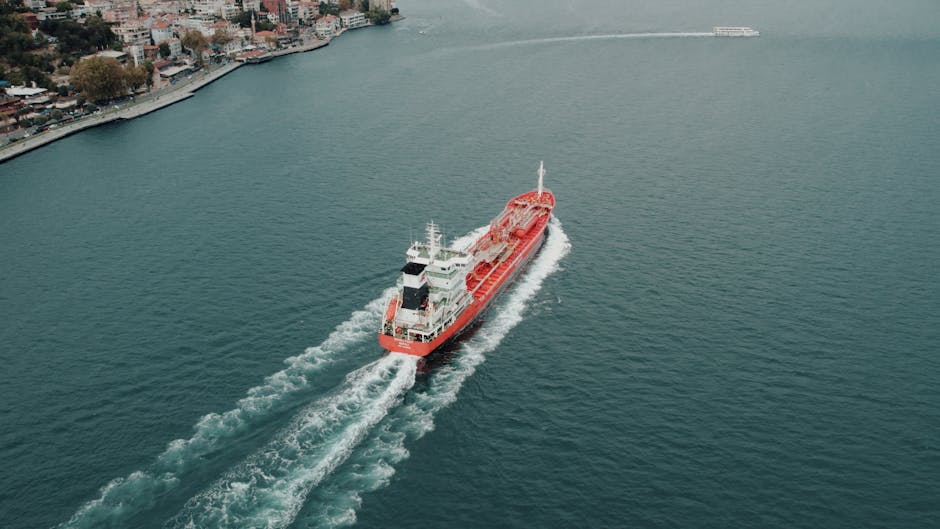
A second commercial tanker has reportedly been hit in the Strait of Hormuz, hours after another vessel was struck as tensions flare in the strategic waterway. Iran’s Islamic Revolutionary Guard Corps has claimed responsibility for the first attack, while global authorities warn of mounting disruption to energy and trade flows. The World Trade Organization chief has called the situation the worst threat to global trade in decades.
Breaking
/
AS-1117
/
Global
/
08:45
Escalating fighting off Yemen’s western coast has shut down commercial traffic through the Bab al‑Mandeb Strait, a chokepoint that handles around 10% of global maritime trade.[4] Houthi forces have seized key coastal positions, forcing vessels to reroute around Africa and raising fears of major disruptions to energy and goods flows.[4]
Breaking
/
AS-1076
/
Global
/
02:01
US President Donald Trump has suggested the Iran war is "hopefully" approaching its end after claiming he has spoken with Tehran. His comments come as economic and security pressures mount globally from the prolonged conflict and its spillover effects.
Breaking
/
AS-1011
/
Global
/
02:30
Tensions in the Middle East are escalating as attacks and security incidents near key oil transit routes raise fears for global energy supplies.[7][9][10] Diplomacy has stumbled, with a key regional meeting on securing the Strait of Hormuz postponed amid competing claims over recent tanker and infrastructure strikes.[7][10] The situation is driving concerns over potential oil shocks and wider economic fallout.[2][7]
Breaking
/
AS-1010
/
Global
/
02:01
Houthi forces have seized Perim Island and surrounding territory overlooking the Bab al-Mandab Strait, a critical chokepoint for global trade between the Red Sea and Gulf of Aden.[7][15] The move gives the group strategic control over shipping lanes already under strain from regional conflict and energy infrastructure attacks.[7][11][15] Western and regional officials warn the development could further disrupt oil and goods flows and heighten military tensions.[7][11][15]
Breaking
/
AS-1005
/
Global
/
22:30
Saudi Arabia has sharply escalated air attacks in Yemen after Houthi forces seized two strategic islands, heightening tensions along key Red Sea routes. The move risks a broader regional confrontation and threatens maritime security and energy markets as global actors monitor the spiraling crisis.
Breaking
/
AS-1004
/
Global
/
22:00
A major Saudi oil pipeline has been shut down after sustaining serious damage, raising concerns about disruptions to crude supplies to Europe and Asia. The incident is already stoking volatility in global energy markets and heightening geopolitical tensions over critical infrastructure security.
Breaking
/
AS-0991
/
Global
/
12:45
A major Saudi oil pipeline used to bypass the Strait of Hormuz has been shut down after an attack, pushing oil prices sharply higher and raising fresh concerns over global energy security.[5][7] Gulf states have also postponed key talks with Iran on managing tensions in the strategic waterway, underscoring the risk of escalation in a region carrying a large share of the world’s oil shipments.[5][7]
Breaking
/
AS-0980
/
Global
/
06:01
Saudi Arabia has shut a major oil pipeline and new strikes and blockades are disrupting key Gulf shipping lanes, raising fears over global energy supplies and prices.[5][9][10][12] Iran-linked actions and intensified Houthi attacks are constraining flows through critical waterways including the Strait of Hormuz and the Bab-el-Mandeb, pushing Brent crude above $108 per barrel.[5][9][12] The growing disruption is reverberating across global markets and diplomacy as governments assess the risk of a broader regional escalation.[5][9][10][12]
Breaking
/
AS-0964
/
Global
/
17:45
A vessel has reported a projectile strike in the Strait of Hormuz, igniting a fire and prompting evacuation efforts as authorities assess damage and possible environmental impact.[10][15] The incident follows other recent attacks and disruptions in the region, amplifying concerns about the security of a key chokepoint for global oil shipping and the risk of broader escalation.[2][10][15]
Breaking
/
AS-0961
/
Global
/
14:45
A reported attack on a merchant vessel in the Strait of Hormuz has killed at least one person and damaged shipping in one of the world’s most critical oil chokepoints.[4][11][15] The incident is fanning renewed fears over threats to global energy supplies and escalating regional tensions involving Iran and Gulf states.[4][11][15]
Breaking
/
AS-0960
/
Global
/
14:30
A vessel has been struck by a projectile in the **Strait of Hormuz**, causing a fire and an emergency response amid warnings over threats to global oil shipping. Maritime authorities say crew evacuation is underway while the extent of the damage and possible environmental impact are still being assessed.[5][9][12] The incident deepens concerns about escalating attacks on regional energy infrastructure and the vulnerability of a key chokepoint for world oil supplies.[9][12]
Breaking
/
AS-0957
/
Global
/
12:30
A merchant ship has been struck in the Strait of Hormuz amid escalating regional tensions, raising renewed concerns over the security of one of the world’s most critical energy chokepoints.[4][13][14] The incident, alongside other recent attacks and pipeline disruptions, is fueling worries about potential impacts on global oil supplies and broader Middle East instability.[4][13][14]
Breaking
/
AS-0955
/
Global
/
10:45
Saudi Arabia has shut down a vital oil pipeline amid intensifying threats to energy shipping in the Red Sea and Strait of Hormuz linked to Iran and Yemen’s Houthi forces.[2][11][12] The move underscores rising geopolitical risks to global oil supplies as commercial vessels face fresh attacks and regional actors trade threats.[2][11][12]
Breaking
/
AS-0939
/
Global
/
22:30
Saudi Arabia has closed its vital East-West crude oil pipeline after it was hit in an aerial drone attack launched from Iraq, sharply escalating the Middle East conflict and threatening global energy markets.[2][4][9][11] The shutdown is expected to disrupt oil flows and could push prices higher, while regional tensions widen with related Houthi threats to Red Sea shipping lanes.[2][3][4][11]
Breaking
/
AS-0937
/
Global
/
20:45
Saudi Arabia has shut down its vital East-West oil pipeline after it was hit by multiple drone attacks launched from Iraq, in a major escalation tied to the widening Middle East conflict.[3][4][5][8] The move immediately restricts crude flows and heightens fears over global energy supplies and regional security.[3][4][8]
Breaking
/
AS-0931
/
Global
/
17:45
Saudi Arabia has shut down its crucial East-West crude oil pipeline following aerial attacks blamed on drones launched from Iraqi territory. The move threatens to disrupt global oil flows already strained by a widening Middle East war and Houthi gains near vital shipping routes.[2][10][11][13] Oil markets and governments are bracing for price spikes and broader economic fallout.[2][10][15]
Breaking
/
AS-0848
/
Global
/
02:30
Global oil prices have spiked back above $100 per barrel amid intensifying confrontation between the United States and Iran, including reported U.S. destruction of additional Iranian oil tankers and Iranian threats of retaliation.[4][5][11][6][7][12] The surge is raising immediate concerns about energy supply disruptions, inflation and broader instability across the Middle East.[4][6][7]
Breaking
/
AS-0844
/
Global
/
00:00
Global oil prices have climbed back above $100 a barrel amid a sharp escalation in tensions between the United States and Iran. The latest flare-up, including U.S. strikes on Iranian oil tankers and threats of further retaliation, is stoking fears over energy supplies and regional stability in the Middle East.
Breaking
/
AS-0838
/
Global
/
20:01
The most significant breaking story available in the latest coverage is the escalation in the Middle East, which has pushed global oil prices back to $100 a barrel. Reports say fresh fighting and attacks on vessels are raising concerns about wider disruption to energy supplies and shipping lanes.[3][4]
Breaking
/
AS-0836
/
Global
/
19:30
Global crude prices have climbed back above $100 a barrel amid renewed fighting in the Middle East, raising fears of prolonged disruption to oil supplies and fresh shocks to the world economy.[5][7][9][12] The spike comes as the U.S. reports destroying additional Iranian oil tankers after missile attacks on a Navy warship, prompting threats of retaliation from Tehran.[6][12]
Breaking
/
AS-0833
/
Global
/
17:30
The U.S. military says it has destroyed five Iranian crude oil tankers after missile attacks on a U.S. Navy warship, sharply escalating tensions with Tehran and in key shipping lanes. The strikes come as Iran’s Revolutionary Guard expands restricted zones in the Gulf of Oman and Arabian Sea and global oil prices push past $100 a barrel, raising fears of a wider regional conflict and economic shock.
Breaking
/
AS-0832
/
Global
/
17:00
Iran says it has attacked 10 ships near the Strait of Hormuz after the United States sank five Iranian oil tankers, marking the largest wave of tit-for-tat strikes on commercial shipping since the conflict began six months ago.[6] The confrontation is sharply raising global tensions and threatens key energy routes just as Middle East conflict is already pushing Brent crude above $100 a barrel.[5]
Breaking
/
AS-0831
/
Global
/
14:45
The United States has carried out strikes on Iranian oil tankers near Kharg Island in the Persian Gulf as Iran reportedly targets US-linked vessels, driving global crude prices above $100 a barrel. The confrontation is sharply escalating tensions in the Gulf and raising fears of broader disruption to energy supplies and inflation worldwide.
Breaking
/
AS-0820
/
Global
/
08:00
The US military has destroyed five Iranian crude oil tankers following attacks on a US warship by Iran’s Revolutionary Guard, sharply escalating tensions between Washington and Tehran.[7][14] The incident is driving oil prices close to $100 a barrel and raising fears of wider regional conflict and disruption to global energy supplies.[14]
Breaking
/
AS-0801
/
Global
/
17:45
Iran‑aligned Houthi forces have launched a series of strikes on cities and economic infrastructure in southern Saudi Arabia, wounding at least 73 civilians and hitting oil facilities. Riyadh has vowed retaliation, escalating an already volatile regional conflict and raising fears for global energy markets.[2][3]
Breaking
/
AS-0782
/
Global
/
02:30
The United States has carried out strikes on three Iranian oil tankers after saying its warships were targeted with ballistic missiles near the Strait of Hormuz.[7] Iran now says it plans to announce a new exclusion zone in the strategic waterway, raising fears of wider confrontation and disruption to global oil supplies.[7] The escalation comes amid already high fuel prices and broader tensions linked to the ongoing Iran war.[7][4]
Breaking
/
AS-0773
/
Global
/
20:30
The most urgent global story is the escalating US-Iran conflict centered on the Strait of Hormuz and Iranian oil infrastructure. Recent US strikes on Iranian oil tankers, Iran’s planned new exclusion zone near Hormuz, and attacks involving US warships have heightened military and economic risks worldwide.[6][2][6] The conflict is driving up fuel prices and threatening key energy and trade routes, with governments and markets closely watching for further escalation.[6][3][13]
Breaking
/
AS-0769
/
Global
/
19:01
Escalating military confrontation between the United States and Iran around the Strait of Hormuz is raising the risk of a major disruption to global oil and commodity shipping.[2][6][14] Recent strikes on tankers and Iranian missile launches toward US warships have sharply reduced vessel traffic through the strategic chokepoint, alarming energy markets and governments.[6][14]
Breaking
/
AS-0764
/
Global
/
14:30
The United States has carried out strikes on three Iranian oil tankers after reporting that its warships were targeted with ballistic missiles near the Strait of Hormuz.[7][4] Iran has responded by threatening a new maritime exclusion zone and claiming it hit a US vessel, an assertion Washington firmly denies.[7][6] The confrontation raises immediate risks for global oil supply and regional security.[4][12]
Breaking
/
AS-0754
/
Global
/
08:01
The United States has carried out strikes on three Iranian oil tankers after Navy warships were reportedly targeted with ballistic missiles, sharply escalating tensions around the Strait of Hormuz. Iran is simultaneously claiming an attack on a US ship in the strategic waterway, which Washington denies, raising the risk of broader confrontation and disruption to global oil flows.
Breaking
/
AS-0753
/
Global
/
06:45
Iranian and US-linked forces have exchanged fire in waters near the Strait of Hormuz, involving several Iranian oil carriers and tankers that Iran says were on unauthorized routes.[9][3][7][13] The incident escalates already high tensions around one of the world’s most critical chokepoints for global oil shipments.[9][3][7] Military activity and Tehran’s threats to impose new restrictions on transiting vessels raise concerns over energy security and the risk of broader confrontation.[3][7][9]
Breaking
/
AS-0750
/
Global
/
02:45
US and Iranian forces have exchanged fire against multiple oil tankers and vessels in waters near Iran, including the strategic Strait of Hormuz. The confrontation has hit several Iranian oil carriers and tankers that Iran says were on unauthorized routes, heightening fears of a wider escalation and disruption to global energy supplies.[2][13]
Breaking
/
AS-0739
/
Global
/
20:00
US forces have carried out strikes on Iranian oil carriers in the Persian Gulf following missile attacks on US Navy ships by Iran’s Islamic Revolutionary Guard Corps. The escalation is drawing global concern over energy security and the risk of a wider regional conflict.
Breaking
/
AS-0738
/
Global
/
19:45
The United States military has carried out strikes on three Iranian oil tankers after reporting that its warships were targeted with ballistic missiles near the Strait of Hormuz. The clash has sharply raised tensions between Washington and Tehran and threatens to further disrupt global oil markets and regional security.
Breaking
/
AS-0713
/
Global
/
00:30
Iran’s state media reports that a US missile attack hit an Iranian oil tanker near the key export hub of Kharg Island, amid a broader campaign of US strikes following Iranian attacks on ships and American forces.[7][5][13] The US military has not yet confirmed the specific tanker strike, but US‑Iran tensions in the Gulf are sharply escalating around energy infrastructure and maritime security.[7][5][13]
Breaking
/
AS-0615
/
Global
/
00:45
U.S. forces have launched large-scale airstrikes on targets linked to Iran’s Revolutionary Guard, and Iran has responded with missile and drone attacks. The exchange marks the most serious escalation in weeks, rattling energy markets and raising concerns about a broader conflict involving Gulf states and global shipping lanes.
Breaking
/
AS-0613
/
Global
/
00:00
The United States has launched fresh strikes against targets linked to Iran’s Islamic Revolutionary Guard Corps amid a continuing confrontation centered on the Strait of Hormuz. The flare‑up comes as Iran’s earlier closure and disruption of shipping through the vital energy chokepoint continues to roil global oil markets and regional security.
Breaking
/
AS-0573
/
Global
/
19:45
The United States has begun military strikes against Islamic Revolutionary Guard Corps (IRGC) targets in Iran, after recent attacks on American bases in the Middle East. US Central Command says its forces hit Iranian launchers preparing to deploy sea‑mine rockets near the strategic Strait of Hormuz, escalating already high regional tensions.[6][10][14]
Breaking
/
AS-0567
/
Global
/
14:45
US President Donald Trump has pledged further military retaliation after Iran fired ballistic missiles at U.S.-operated bases in Jordan, marking a sharp escalation in recent tensions. The exchange follows U.S. strikes on Iranian launchers in the Strait of Hormuz, raising fears of a wider regional conflict involving key global shipping routes.[3][5][13]
Breaking
/
AS-0554
/
Global
/
06:30
The most significant global breaking story is the renewed military confrontation between the **United States and Iran** around the **Strait of Hormuz**, with US forces striking Iranian rocket launchers and Iran responding with missile attacks on regional targets.[1][2][7][11] This marks the first major escalation in weeks in a strategically vital waterway that is critical to global oil supplies, raising concerns about broader regional instability and economic fallout.[1][2][3][7][11]
End of transmission — refreshing every 60s
 Photo — ali Saleh / Pexels