Breaking
/
AS-1166
/
Global
/
20:01
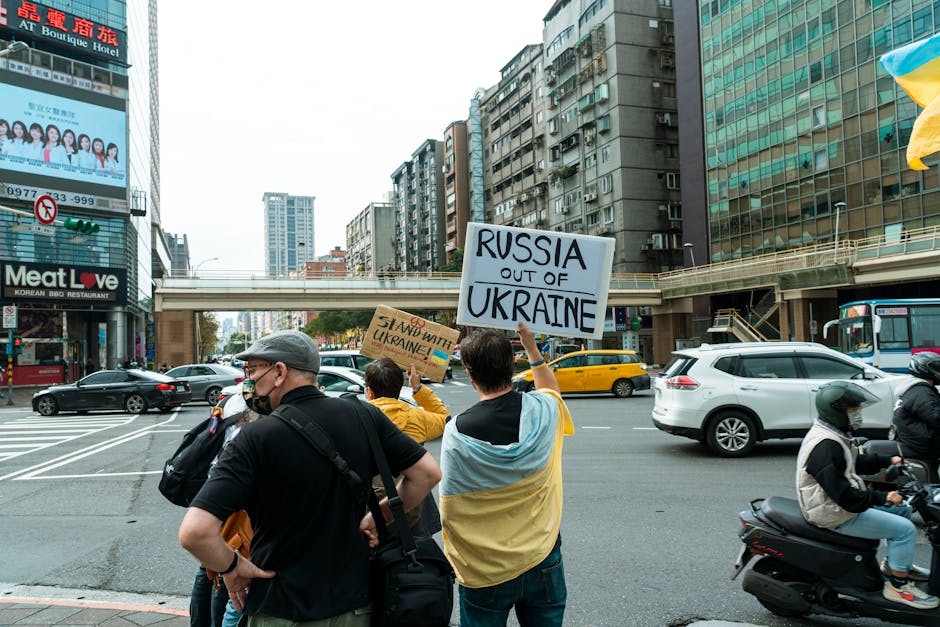
Saudi forces and Yemen’s Houthi movement are exchanging cross‑border strikes as the war centered on Iran spreads across the Middle East.[4][5][7] The escalating conflict is driving civilians to flee by boat, threatening regional stability and global energy markets.[4][10]
Breaking
/
AS-1140
/
Global
/
00:30
Mass protests are spreading across multiple countries as the US war with Iran fuels skyrocketing energy prices and economic strain.[5][9][12][14] Governments and central banks are scrambling to contain inflation and stabilize markets while the conflict continues to disrupt oil supply routes and broader regional security.[5][9][12][14]
Breaking
/
AS-1111
/
Global
/
02:45
The U.S. Federal Reserve has raised its benchmark interest rate once more, signaling that additional increases are likely in coming months to tame persistent inflation. The move underscores concerns that price pressures remain too high despite previous tightening measures and highlights tensions with the Trump administration’s economic agenda.[3][10]
Breaking
/
AS-1104
/
Global
/
22:30
The US Federal Reserve has raised its benchmark interest rate for the first time in three years, marking a major shift in global monetary policy. The move is aimed at tackling stubbornly high inflation and is expected to ripple through world markets and borrowing costs.[4][6][7][5]
Breaking
/
AS-1100
/
Global
/
20:01
The US Federal Reserve has hiked interest rates for the first time since 2023, signaling a major shift in global financial conditions.[2][10] The unanimous decision underscores policymakers’ concern about inflation and could reverberate through currencies, stock markets and debt burdens worldwide.[2][10]
Developing
/
AS-1094
/
Global
/
17:00
The US Federal Reserve has raised its benchmark interest rate and signaled further increases are likely as it struggles to tame persistent inflation in the world’s largest economy.[1][7][15] The move tightens global financial conditions and comes amid heightened geopolitical and economic uncertainty.
Breaking
/
AS-1090
/
Global
/
12:45
The US Federal Reserve has raised interest rates and indicated that further increases are likely in the coming months.[3][7] The move aims to curb persistent inflation and marks a significant shift for the global economy already strained by conflict and energy shocks.[3][7] Financial markets and policymakers worldwide are watching closely as higher US borrowing costs ripple through currencies, debt and growth prospects.[3][7]
Breaking
/
AS-1084
/
Global
/
08:45
The US Federal Reserve has raised its benchmark interest rate for the first time in over three years, responding to resurgent inflation driven in part by surging energy prices linked to the war in the Middle East.[2][3][5][12] The move marks a sharp policy turn with major implications for the global economy, financial markets and indebted governments and households worldwide.[2][3][5][12]
Breaking
/
AS-1083
/
Global
/
08:30
The US Federal Reserve has raised its benchmark interest rate, continuing its tightening campaign to fight resurgent inflation amid energy price spikes and ongoing geopolitical turmoil. The move underscores concerns that global conflicts and supply disruptions are reshaping the economic outlook and could keep borrowing costs elevated for longer.
Breaking
/
AS-1080
/
Global
/
06:30
The US Federal Reserve has raised its benchmark interest rate for the first time in over three years, in a unanimous decision under new chair Kevin Warsh. The move aims to tackle stubborn inflation that has persisted despite the Trump administration’s efforts and comes against the backdrop of global economic strains from the Iran war.
Breaking
/
AS-1079
/
Global
/
06:01
Protesters across multiple continents are taking to the streets over soaring fuel prices and rolling blackouts linked to the ongoing Iran war and its impact on global energy markets.[5][7][12] Governments are facing mounting political pressure as the cost-of-living spike feeds unrest and strains power systems worldwide.[5][7][12]
Breaking
/
AS-1073
/
Global
/
00:00
Protesters are taking to the streets worldwide over soaring fuel prices and rolling blackouts, driven in large part by the protracted U.S. war with Iran. Governments are facing mounting public anger as energy costs bite households and businesses and fears grow over the conflict’s economic fallout.[1][5][7][12]
Breaking
/
AS-1071
/
Global
/
22:30
Protesters are taking to the streets worldwide over soaring fuel prices and rolling blackouts linked to the prolonged U.S. war with Iran.[5][6] The conflict has sharply driven up energy costs, intensifying economic pain and political pressure on governments facing mounting public anger.[5][6]
Breaking
/
AS-1067
/
Global
/
20:00
Skyrocketing fuel prices linked to the ongoing US war with Iran are triggering protests and civil unrest in multiple countries, alongside widespread power blackouts. Governments are facing mounting pressure as energy costs soar and supply disruptions deepen, making this the most significant cross-border crisis unfolding right now.[2][5][12]
Breaking
/
AS-1011
/
Global
/
02:30
Tensions in the Middle East are escalating as attacks and security incidents near key oil transit routes raise fears for global energy supplies.[7][9][10] Diplomacy has stumbled, with a key regional meeting on securing the Strait of Hormuz postponed amid competing claims over recent tanker and infrastructure strikes.[7][10] The situation is driving concerns over potential oil shocks and wider economic fallout.[2][7]
Breaking
/
AS-0994
/
Global
/
14:45
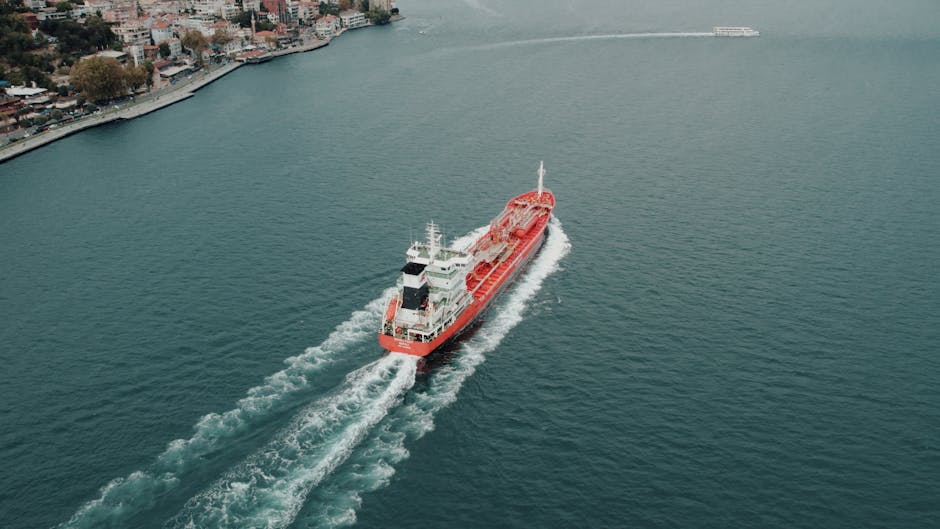
Global oil prices have surged past $108 a barrel after a merchant vessel was attacked in the Strait of Hormuz and Saudi Arabia shut its main pipeline that bypasses the key waterway. The incident killed one crew member and renewed fears that vital Middle East energy supply routes could be disrupted.[1] The spike in prices is rippling through financial markets and raising concerns about inflation and energy security worldwide.[1]
Developing
/
AS-0992
/
Global
/
14:00
Chinese President Xi Jinping is urging a significant expansion of economic and political cooperation under a so‑called Greater BRICS framework, aiming to give the bloc a larger role in global governance and finance.[3] The initiative comes as emerging economies seek alternatives to Western‑dominated institutions, potentially reshaping trade, investment flows and geopolitical alignments.[3]
Breaking
/
AS-0984
/
Global
/
08:30
The widening Iran-linked conflict across the Middle East has forced Saudi Arabia to shut a critical oil pipeline following drone strikes, while renewed attacks near the Strait of Hormuz are heightening fears over global energy supplies.[11][14][15] Analysts say the disruption now looks less like a brief shock and more like a prolonged test of the world economy’s resilience.[11] Oil markets and governments are bracing for sustained volatility and potential price spikes as the risk to key shipping lanes and infrastructure grows.[11][15]
Breaking
/
AS-0982
/
Global
/
06:45
Reports of new attacks on shipping near the Strait of Hormuz are intensifying concerns over global oil supplies and energy security.[9][15] Oil prices have climbed sharply as regional talks between Iran and Gulf states aimed at easing tensions have been postponed.[9][15] The situation remains highly fluid, with governments and markets closely watching for further escalation.[9][15]
Breaking
/
AS-0848
/
Global
/
02:30
Global oil prices have spiked back above $100 per barrel amid intensifying confrontation between the United States and Iran, including reported U.S. destruction of additional Iranian oil tankers and Iranian threats of retaliation.[4][5][11][6][7][12] The surge is raising immediate concerns about energy supply disruptions, inflation and broader instability across the Middle East.[4][6][7]
Breaking
/
AS-0836
/
Global
/
19:30
Global crude prices have climbed back above $100 a barrel amid renewed fighting in the Middle East, raising fears of prolonged disruption to oil supplies and fresh shocks to the world economy.[5][7][9][12] The spike comes as the U.S. reports destroying additional Iranian oil tankers after missile attacks on a Navy warship, prompting threats of retaliation from Tehran.[6][12]
Breaking
/
AS-0769
/
Global
/
19:01
Escalating military confrontation between the United States and Iran around the Strait of Hormuz is raising the risk of a major disruption to global oil and commodity shipping.[2][6][14] Recent strikes on tankers and Iranian missile launches toward US warships have sharply reduced vessel traffic through the strategic chokepoint, alarming energy markets and governments.[6][14]
Breaking
/
AS-0546
/
Global
/
22:45
The United States and Iran have resumed military attacks against each other for the first time in weeks, including US strikes on Iranian rocket launchers on Larak Island and Iranian retaliation against US forces in the region.[5][13][14] The flare‑up is driving oil prices higher and unsettling global markets as G20 finance officials gather in the US to confront mounting economic risks.[9][12]
End of transmission — refreshing every 60s
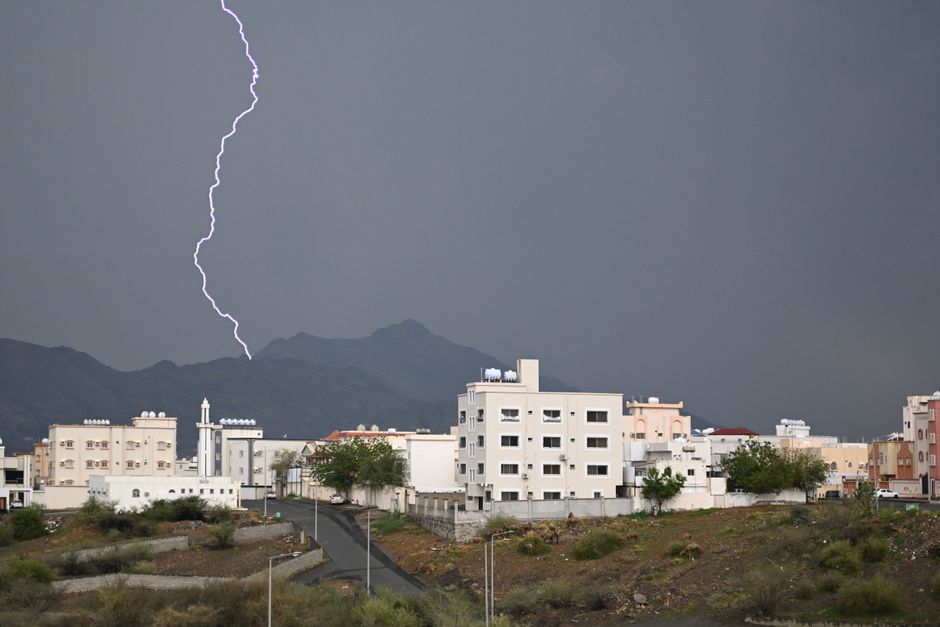 Photo — Abdulaziz Asiri / Pexels