Breaking
/
AS-1431
/
Global
/
20:30
Iran says it will await an official U.S. response after President Donald Trump rejected a proposal concerning the Strait of Hormuz, according to BBC reporting. The development raises the risk of further escalation in a strategically vital waterway.
Developing
/
AS-1371
/
Global
/
00:30
U.S. President Donald Trump and Chinese President Xi Jinping concluded talks in Washington amid public displays of cooperation, but key details and evidence of substantive agreements remain limited. The meeting is the most consequential current development for global security and the world economy.
Developing
/
AS-1363
/
Global
/
19:45
U.S. President Donald Trump and Chinese President Xi Jinping held high-profile talks in Washington on the U.S.-China relationship, with no major breakthrough reported. The meeting comes amid tariff tensions and a wider period of geopolitical instability, including the war in Ukraine and conflict involving Iran.
Developing
/
AS-1327
/
Global
/
17:45
U.S. President Donald Trump is welcoming Chinese President Xi Jinping to Washington for a state summit focused on trade and diplomatic stability. Reuters reports the meeting is expected to emphasize cooperation publicly while leaving major strategic disagreements unresolved.
Breaking
/
AS-1316
/
Global
/
10:01
The United States and Iran remain engaged in a war, while Tehran says it is open to diplomacy to end the conflict. Oil prices eased after Iran’s statement, but negotiations remain far apart and the risk of further escalation persists.
Developing
/
AS-1312
/
Global
/
06:45
U.S. President Donald Trump welcomed Chinese President Xi Jinping to Washington for a rare state visit focused on trade, technology, military ties and global conflicts. The talks could shape relations between the world’s two largest economies and test whether recent trade tensions can ease.
Developing
/
AS-1286
/
Global
/
12:00
U.S. President Donald Trump says he faces a decision to negotiate with Iran or take severe military action, while Tehran has conveyed conditions for reopening the strategic Strait of Hormuz. The confrontation risks escalating regional tensions and disrupting a major global energy route.
Breaking
/
AS-1270
/
Global
/
22:45
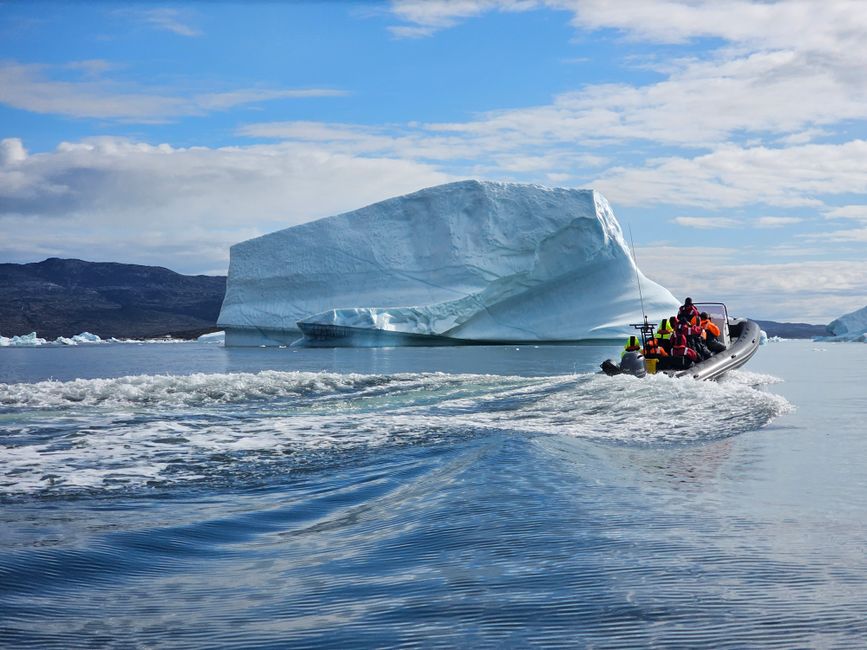
U.S. President Donald Trump and the leaders of Greenland and Denmark signed an agreement allowing a larger U.S. military presence on Greenland. The deal may resolve a dispute over the strategically important, mineral-rich Arctic island.
Breaking
/
AS-1267
/
Global
/
20:45
The United States and Iran are engaged in a rapidly escalating confrontation, with President Donald Trump warning Tehran at the United Nations while Iran signals conditions for reopening the Strait of Hormuz. The standoff threatens regional security, energy supplies and global markets.
Developing
/
AS-1258
/
Global
/
14:45
U.S. President Donald Trump is expected to meet Greenlandic and Danish leaders on September 22 to sign an agreement expanding the U.S. military presence in Greenland. The deal could ease a dispute over the strategically located, mineral-rich Arctic island.[1]
Breaking
/
AS-1233
/
Global
/
20:30
US President Donald Trump says he has entered a critical decision phase over the ongoing war with Iran and warns that 'big things' are in store if Tehran does not change course.[13] His remarks come as tensions remain high across the region, with Houthi attacks, Saudi and Israeli military actions, and drone and missile strikes involving Iran-linked groups.[11][13][14] The comments raise concern about a possible significant escalation that could reshape regional security and global energy markets.[11][13][14]
Breaking
/
AS-1224
/
Global
/
14:30
The most consequential breaking-world story available in the gathered reporting is the escalating US-China standoff ahead of Xi Jinping’s planned visit to the United States for talks with Donald Trump. Coverage also points to broader global instability, including market concerns and a backdrop of regional conflicts, but the expected Trump-Xi meeting is the clearest high-impact diplomatic flashpoint in the available news.
Developing
/
AS-1207
/
Global
/
00:45
Nearly 130 heads of state are returning to the United Nations as the post-World War Two international order faces severe strain from multiple conflicts and geopolitical crises.[2][7] The high-level meetings come amid wars in the Middle East and Ukraine, rising tensions involving Iran and North Korea, and intensifying debates over the UN’s relevance.[2][3][7][9][11]
Breaking
/
AS-1173
/
Global
/
00:30
The United States has enacted a major sanctions package targeting Russia’s economy and energy sector, signed into law by President Donald Trump. The measures aim to squeeze Russia over its war in Ukraine and penalize buyers of Russian oil, with significant implications for global energy markets and geopolitics.[1][4][12][13][14]
Breaking
/
AS-1170
/
Global
/
22:30
The most prominent breaking world story is a reported US-Denmark agreement over Greenland security control. Multiple outlets say President Donald Trump announced the deal, making it the dominant international headline right now.
Breaking
/
AS-1162
/
Global
/
17:45
The United States has reached a landmark security agreement with Denmark granting permanent US security control and expanded military operations in Greenland. The deal significantly strengthens Washington’s strategic position in the Arctic at a time of heightened global conflict and energy instability.[7][9][12][14][15] It is already drawing international attention over its geopolitical, environmental and sovereignty implications.[7][9][14][15]
Breaking
/
AS-1147
/
Global
/
06:45
The most prominent breaking world story available from current reporting is Donald Trump’s announcement of a new U.S.-Denmark deal giving Washington permanent security control over Greenland. Coverage says the arrangement is being framed as a strategic move against rival influence in the Arctic.
Breaking
/
AS-1082
/
Global
/
08:01
European Commission President Ursula von der Leyen is calling for a new EU-wide security mechanism to respond to escalating drone attacks and sabotage across the bloc.[8] Her appeal comes amid mounting concerns over critical infrastructure vulnerability and rising geopolitical tensions.[4][8]
Breaking
/
AS-1081
/
Global
/
06:45
Iran’s ongoing war is now estimated to have cost around $38 billion, with projections that expenses will grow by roughly $3 billion every month, highlighting the conflict’s deepening economic and geopolitical impact.[14] The mounting cost is being closely watched by governments and markets as it intersects with rising oil prices and concerns over a broader regional and global instability.[7][14]
Breaking
/
AS-1078
/
Global
/
02:45
Global tensions are escalating as the Iran war’s financial toll surges and an apparent missile strike hits a US-contracted vessel near the Strait of Hormuz. The conflict’s rising cost and spillover into one of the world’s most critical energy choke points raise immediate concerns for regional security and the global economy.
Breaking
/
AS-1076
/
Global
/
02:01
US President Donald Trump has suggested the Iran war is "hopefully" approaching its end after claiming he has spoken with Tehran. His comments come as economic and security pressures mount globally from the prolonged conflict and its spillover effects.
Breaking
/
AS-1033
/
Global
/
19:45
The United States has publicly acknowledged for the first time that it has weapons deployed in orbit above Earth, a disclosure that has immediately drawn sharp warnings from China and Russia. The move raises fears of a new arena of military competition and has sparked international debate over the weaponisation of space.[2][8]
Breaking
/
AS-1031
/
Global
/
19:00
The United States has for the first time officially acknowledged that it has deployed weapons in orbit above Earth, marking a major shift in global military strategy.[6][7][10] The announcement has alarmed rivals China and Russia, who warn that the move risks turning outer space into a battlefield and accelerating an arms race beyond existing legal frameworks.[6][10]
Breaking
/
AS-1030
/
Global
/
17:45
The United States has publicly acknowledged for the first time that it has weapons deployed in orbit above Earth, marking a major shift in military and strategic policy. The announcement has drawn sharp warnings from Russia and China, who say Washington is turning outer space into a battlefield amid the absence of a comprehensive legal framework governing space weaponization.
Breaking
/
AS-1023
/
Global
/
12:30
The US military has publicly confirmed for the first time that it has deployed weapons in space and intends to use them to defend American forces. This marks a major escalation in the militarisation of space and raises urgent concerns among allies and rivals about a new front in global security competition.
Breaking
/
AS-1021
/
Global
/
10:45
Saudi Arabia has shut down a major oil pipeline as Houthi attacks and tensions with Iran disrupt key energy transit routes in the Gulf. The move heightens fears over global oil supplies and adds new pressure to already volatile international markets.[12][13] It comes as planned talks between Iran and Gulf states on securing shipping in the Strait of Hormuz are postponed, deepening uncertainty over regional stability.[12]
Breaking
/
AS-1004
/
Global
/
22:00
A major Saudi oil pipeline has been shut down after sustaining serious damage, raising concerns about disruptions to crude supplies to Europe and Asia. The incident is already stoking volatility in global energy markets and heightening geopolitical tensions over critical infrastructure security.
Breaking
/
AS-0995
/
Global
/
17:01
Drone strikes linked to the expanding Iran-related conflict have badly damaged a major Saudi east‑west oil pipeline, turning what was seen as a short‑term shock into a prolonged test for global energy markets and the world economy.[3][13][14] Oil prices have climbed back to around $110 a barrel as Gulf states postpone talks with Iran on securing shipping through the Strait of Hormuz.[3][8][13][14]
Developing
/
AS-0992
/
Global
/
14:00
Chinese President Xi Jinping is urging a significant expansion of economic and political cooperation under a so‑called Greater BRICS framework, aiming to give the bloc a larger role in global governance and finance.[3] The initiative comes as emerging economies seek alternatives to Western‑dominated institutions, potentially reshaping trade, investment flows and geopolitical alignments.[3]
Breaking
/
AS-0991
/
Global
/
12:45
A major Saudi oil pipeline used to bypass the Strait of Hormuz has been shut down after an attack, pushing oil prices sharply higher and raising fresh concerns over global energy security.[5][7] Gulf states have also postponed key talks with Iran on managing tensions in the strategic waterway, underscoring the risk of escalation in a region carrying a large share of the world’s oil shipments.[5][7]
Breaking
/
AS-0944
/
Global
/
02:01
Fighting between US and Iranian forces has sharply intensified after a brief lull, with both sides exchanging strikes and mounting concerns over civilian casualties. A reported US strike on a wedding in southern Iran killed several people and injured dozens more, heightening worries the confrontation could broaden into a wider regional or global crisis.
Breaking
/
AS-0928
/
Global
/
14:45
Saudi Arabia has closed a major crude oil pipeline after it was hit by multiple drones launched from Iraq, prompting immediate concern over global energy supplies.[1][12][14] The shutdown has already driven oil prices sharply higher and raised fears of further escalation in the wider Middle East conflict.[12][14]
Breaking
/
AS-0891
/
Global
/
10:45
Algeria has formally severed diplomatic relations with the United Arab Emirates, saying it exhausted all means to preserve bilateral ties.[1] The move marks a sharp deterioration in relations between the two Arab states with implications for wider regional politics.[1]
Breaking
/
AS-0881
/
Global
/
02:30
Iran-aligned Houthi forces have captured the strategic Red Sea port city of Mokha from Saudi-backed forces, advancing down Yemen’s western coast. The move threatens vital shipping lanes and could further escalate regional tensions involving Iran, Saudi Arabia and allied navies.
Breaking
/
AS-0852
/
Global
/
06:45
Iran has struck more than a dozen vessels near the Strait of Hormuz, widening a declared maritime no-go zone beyond the strategic chokepoint. The escalation has sent Brent crude prices back above $100 per barrel and intensified a confrontation with the United States and other powers.[10][13]
Breaking
/
AS-0830
/
Global
/
14:30
Tensions between Iran and the United States have sharply escalated after reported US strikes on Iranian oil tankers near Kharg Island in the Persian Gulf and Iran’s capture of a US submarine drone in the Strait of Hormuz. The spike in hostilities is driving crude prices toward $100 and raising fears of wider conflict and disruption to global energy supplies.
Breaking
/
AS-0826
/
Global
/
12:00
The U.S. military has destroyed five Iranian crude oil tankers after missile attacks on an American warship, prompting Iran to retaliate against U.S. warships and a regional base. This rapidly escalating clash in and around the Strait of Hormuz is driving oil prices toward $100 a barrel and raising fears of a wider regional war.
Breaking
/
AS-0825
/
Global
/
10:45
US and Iranian forces have carried out strikes and vessel seizures targeting oil tankers near the Strait of Hormuz, sharply escalating tensions in the Gulf region.[2][3][12] The confrontation is driving crude prices toward $100 a barrel and raising global concerns over energy supplies and inflation.[2]
Breaking
/
AS-0820
/
Global
/
08:00
The US military has destroyed five Iranian crude oil tankers following attacks on a US warship by Iran’s Revolutionary Guard, sharply escalating tensions between Washington and Tehran.[7][14] The incident is driving oil prices close to $100 a barrel and raising fears of wider regional conflict and disruption to global energy supplies.[14]
Breaking
/
AS-0790
/
Global
/
10:01
Iran is escalating pressure on the United States by threatening to use the Strait of Hormuz as leverage and claiming it fired an advanced missile at a US warship, a claim Washington disputes.[1][11][15] The standoff is raising fears of a wider regional conflict and major disruption to global energy and shipping routes.[1][10][15]
Breaking
/
AS-0789
/
Global
/
08:45
Iran has escalated tensions with the United States in and around the Persian Gulf, including claims of firing an advanced missile at US warships and threatening 'economic warfare' amid ongoing US strikes on Iranian tankers.[1][2][10][11] The standoff is focused on control of shipping through the Strait of Hormuz, where regional states warn of an impending industrial and energy supply crisis if the waterway is not fully reopened.[1][10][11]
Developing
/
AS-0767
/
Global
/
17:30
Tensions between the United States and Iran have sharply escalated around the Strait of Hormuz, a key chokepoint for global oil shipments. Reports indicate intensified confrontation and new military and economic measures, raising fears of disruption to energy markets and wider regional instability.
Breaking
/
AS-0766
/
Global
/
17:00
Iran is preparing to announce a new maritime ‘exclusion zone’ near the strategically vital Strait of Hormuz, escalating already high tensions with the United States and its allies.[6][7] The move follows recent claims of attacks on U.S. vessels and reported U.S. strikes on Iranian-linked assets, raising fears of disruption to global oil flows and wider regional confrontation.[6][7][11]
Breaking
/
AS-0761
/
Global
/
12:30
The United States has carried out strikes on three Iranian oil tankers after saying its warships were targeted with ballistic missiles amid escalating confrontation around the Strait of Hormuz.[5] Iran is simultaneously signaling plans to declare a new exclusion or prohibited zone near the vital waterway, raising fears of disruption to global oil flows and a broader regional conflict.[5][4][14] The U.S. denies some Iranian claims about attacks on its vessels, deepening a rapidly evolving information and security crisis.[5][12]
Breaking
/
AS-0749
/
Global
/
02:30
The United States military has struck three Iranian crude oil tankers after US Navy warships were targeted with ballistic missiles near the Strait of Hormuz. Iran claims to have hit a US-linked vessel and has reportedly launched missiles toward US warships, sharply escalating confrontation in the Gulf region.[2][6][7][9][15] The incident raises fears of a wider regional conflict and disruption to global oil supplies.[2][7][10][15]
Breaking
/
AS-0732
/
Global
/
14:45
The United States military has carried out strikes on three Iranian oil tankers after Navy warships were targeted with ballistic missiles near the Strait of Hormuz. Iran has threatened a "more painful" response, sharply raising tensions in a key global energy transit corridor.[2][7][8][13] This confrontation risks broader regional escalation and disruption to international oil markets.[2][7][13]
Developing
/
AS-0707
/
Global
/
20:30
The UN General Assembly has voted to adopt a new world map that more accurately reflects Africa’s true geographic scale. Backed by an overwhelming majority of member states, the resolution aims to phase out traditional projections that have long distorted the continent’s size and global perception.
Breaking
/
AS-0703
/
Global
/
19:01
The United States military says its forces have hit three Iranian crude oil tankers after the Islamic Revolutionary Guard Corps allegedly launched ballistic missiles toward two US Navy warships. The incident sharply escalates tensions between Washington and Tehran and raises fears of wider confrontation affecting global oil markets and regional security. Officials and media in multiple countries are treating the situation as a top international crisis story.
Breaking
/
AS-0701
/
Global
/
17:30
The United States has carried out strikes on Iranian oil tankers near the Strait of Hormuz amid a broader wave of U.S. attacks following Iranian assaults on commercial shipping and American forces. Iran’s state media reports explosions near Kharg Island, while U.S. officials say they targeted three tankers linked to Iran’s oil network.[1][10] The confrontation raises fears of a wider regional conflict and renewed disruption to global energy supplies.[1][10][11]
Breaking
/
AS-0700
/
Global
/
17:00
U.S. forces have carried out strikes on three Iranian crude oil carriers near Iran’s key oil hub, days after a deadly strike on an Iranian wedding and reported missile launches linked to the Islamic Revolutionary Guard Corps. The incident sharply escalates tensions around the Persian Gulf and Strait of Hormuz, a chokepoint for global energy supplies.
Developing
/
AS-0699
/
Global
/
14:45
The United Nations General Assembly has voted to adopt a new world map that more accurately reflects countries’ relative sizes, correcting long-standing distortions that minimized Africa’s scale.[5][7][13] The Togo-sponsored resolution was backed by 164 nations, with the United States the only country to vote against it.[5][13] The decision marks a symbolic but significant move to reshape global geographic representation and address historical biases in commonly used projections.[5][7][13]
Developing
/
AS-0698
/
Global
/
14:31
The United Nations General Assembly has voted to adopt a new world map that more accurately reflects the relative sizes of countries and continents, correcting long‑standing distortions that minimized regions such as Africa.[1][3][5][11] The projection, known as Equal Earth, is intended to provide a fairer visual representation for education, diplomacy and global policy discussions.[5][11]
Breaking
/
AS-0693
/
Global
/
10:45
The United Nations General Assembly has voted to adopt a new official world map that more accurately reflects the true relative sizes of countries, significantly increasing the apparent scale of Africa. The move follows a push by African nations to replace traditional projections that they say have entrenched geopolitical biases and minimized the continent’s importance.[6][8][10]
Breaking
/
AS-0680
/
Global
/
00:30
The most consequential breaking story today is the sharp escalation in the **US–Iran military confrontation**, with reported US airstrikes in Iran causing civilian casualties and Tehran targeting US bases in response.[3][9][15] This is unfolding alongside new US-led economic sanctions and growing concern that the confrontation could broaden into a wider regional conflict.[3][7][10][15] Military actions, political rhetoric and sanctions are all developing rapidly, with major powers closely watching the situation.[3][9][15]
Breaking
/
AS-0648
/
Global
/
00:45
The most urgent global story is the rapidly escalating military confrontation between the United States and Iran, following heavy U.S. strikes inside Iran and Iranian retaliation across the Gulf region.[6][8][9][13] President Donald Trump says the U.S. is prepared to launch further attacks “any time we want,” while Iranian officials report dozens killed and wounded and accuse Washington of war crimes.[6][8][9]
Breaking
/
AS-0644
/
Global
/
22:30
The United States has launched fresh strikes on Iranian targets as President Donald Trump warns of further attacks, deepening a rapidly escalating conflict centered around Iran and the Strait of Hormuz.[2][3][6] Iranian officials report dozens of deaths and injuries from recent US strikes, while Kuwait and other regional states confront missile and drone attacks linked to the confrontation.[2] The situation is reshaping regional security and global energy risk calculations.
Breaking
/
AS-0635
/
Global
/
17:30
Iran says it has targeted military facilities in Kuwait and the United Arab Emirates in retaliation for US support to its regional rivals, sharply escalating a conflict that has already involved direct US-Iran strikes and major oil disruptions. The attacks risk widening the war across the Gulf, threatening global energy supplies and regional shipping lanes.
Breaking
/
AS-0633
/
Global
/
14:45
U.S. President Donald Trump says the U.S. military is prepared to launch additional strikes on Iran at any time after a heavy overnight attack that killed and injured dozens. Iranian officials report at least 18 dead and more than 100 wounded, condemning the latest U.S. actions as aggression and vowing to defend the country’s sovereignty.
Breaking
/
AS-0597
/
Global
/
12:45
The United States has carried out large and powerful strikes on targets in Iran, prompting missile and drone retaliation from Tehran and significantly heightening the risk of wider regional conflict.[2][4][11] Reports describe this as the most serious exchange in weeks, with Washington warning of the possibility of further devastating strikes and Iran accusing the US of killing civilians in a wedding house attack.[4][11] Diplomats and analysts are warning that the fragile lull in US-Iran tensions appears to be over, with broader implications for Middle East security and global energy markets.[4][9][11]
Breaking
/
AS-0591
/
Global
/
08:45
The United States has launched new strikes on targets in Iran near the Strait of Hormuz, while Iran has responded with missile and drone attacks amid a wider flare-up in hostilities.[2][4][11] The exchange marks the most serious escalation in weeks, raising fears over regional stability and global oil supplies.[2][4][10]
Breaking
/
AS-0590
/
Global
/
08:30
The United States and Iran have exchanged their most significant attacks in weeks, ending a recent lull in hostilities and putting both sides back on a war footing.[4][9] Washington has threatened further, more devastating strikes, while Tehran says a U.S.-linked attack killed several civilians at a wedding and wounded dozens.[4] The confrontation is heightening fears of a broader regional escalation and complicating diplomatic efforts around Iran’s nuclear program.[4]
Breaking
/
AS-0589
/
Global
/
08:01
The United States and Iran have carried out their most significant exchange of attacks in weeks, ending a brief lull in hostilities and raising fears of a broader regional conflict.[4][8] Washington is warning of further, potentially more devastating strikes, while Tehran condemns a U.S.-linked attack it says killed civilians at a wedding and vows to respond if commitments under an interim de-escalation deal are not upheld.[4][8]
Breaking
/
AS-0583
/
Global
/
02:01
The United States has carried out fresh air strikes on targets linked to Iran’s Revolutionary Guard, sharply escalating already high tensions after earlier lethal attacks. Iranian forces and allied groups have begun retaliatory actions, raising fears of wider regional conflict and renewed pressure on global energy markets.
Breaking
/
AS-0578
/
Global
/
22:30
Russian forces have carried out another intense round of air attacks on Kyiv and the surrounding region, marking the sixth consecutive day of strikes and killing at least a dozen people.[4][7] The barrage underscores a sharp escalation in the Ukraine war at a time when multiple other global crises are unfolding, from catastrophic floods in Nepal to renewed U.S.-Iran tensions.[4][5][7][11][13] Many major outlets are leading with the sustained Russian attacks as the top international story given their scale, frequency and geopolitical impact.[4][7][13]
Breaking
/
AS-0562
/
Global
/
12:01
US President Donald Trump has threatened further retaliation against Iran after Tehran fired ballistic missiles at US forces in Jordan, marking a sharp escalation after weeks of relative calm in the confrontation between the two countries.[2][6] The exchanges raise fears that the standoff, previously centered on sanctions and proxy activity, could spill into broader regional conflict.[2][6]
Breaking
/
AS-0559
/
Global
/
10:00
The United States has carried out strikes on Iranian rocket launchers on or near the Strait of Hormuz, marking the first known US-Iran exchange of fire in several weeks. The action has heightened concerns over a potential wider regional escalation and its impact on global oil supplies.
Breaking
/
AS-0555
/
Global
/
06:45
US President Donald Trump has promised retaliation after Iran fired ballistic missiles at US forces stationed in Jordan, marking a sharp escalation in tensions between Washington and Tehran.[5][11] The exchange follows recent US strikes on Iranian launchers in the Strait of Hormuz and represents the first direct trading of strikes in weeks.[11]
Breaking
/
AS-0551
/
Global
/
02:30
The most urgent global story is the renewed military confrontation between Iran and the United States, with US strikes on Iranian rocket launchers in or near the Strait of Hormuz followed by Iranian retaliatory attacks on US bases in Jordan and other regional targets.[3][6][8][10][13][15] This marks the first major exchange of fire in weeks and is unfolding amid broader regional hostilities, raising fears of a wider Middle East conflict and economic disruption, including to global energy and trade routes.[5][9][12][15]
Breaking
/
AS-0531
/
Global
/
12:45
The most critical breaking story is the sharp escalation between the United States and Iran after US forces struck Iranian rocket launch sites on Larak Island near the Strait of Hormuz and Iran responded with missile and drone attacks in the region.[2][4][5][10] This marks a new phase in the confrontation that directly threatens a key global energy chokepoint and risks wider regional conflict.[2][4][5][10]
Breaking
/
AS-0515
/
Global
/
00:30
A Russian attack on an ammunition warehouse near Kyiv has triggered massive explosions, killing at least 37–38 people and injuring many others. The strike is one of the deadliest recent attacks in the war and has drawn renewed attention to the vulnerability of Ukraine’s logistics and civilian areas nearby.
End of transmission — refreshing every 60s
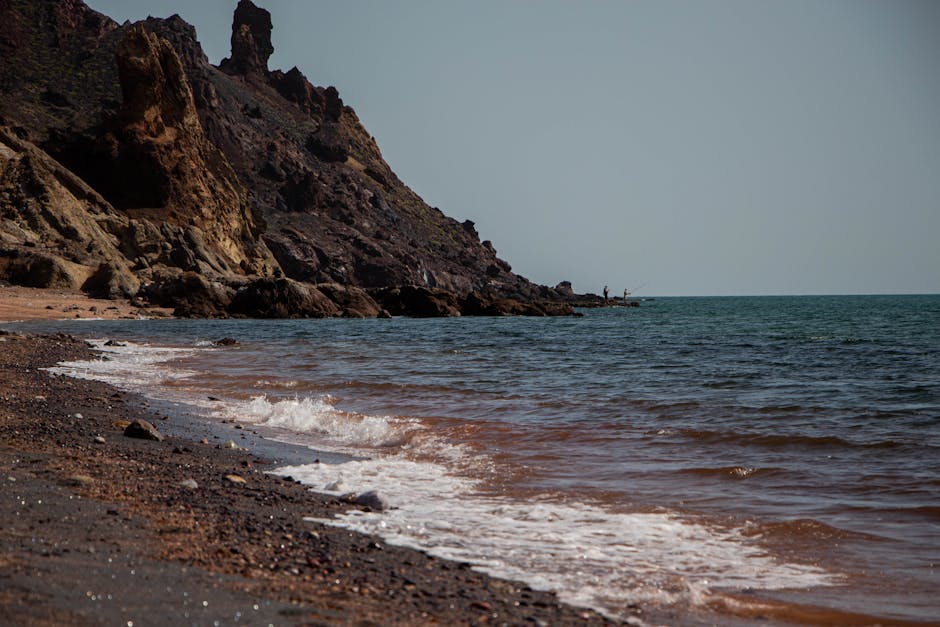 Photo — Melika Hazrati / Pexels