Breaking
/
AS-1428
/
Global
/
19:30
President Donald Trump rejected Iran’s proposal for a seven-day ceasefire framework tied to reopening the Strait of Hormuz and resuming nuclear talks. The decision keeps a major regional conflict and a critical global energy route at risk of further escalation.
Developing
/
AS-1425
/
Global
/
17:30
Iran says it will await an official U.S. response after President Donald Trump rejected Tehran’s proposal concerning the Strait of Hormuz and an end to the conflict. The standoff risks further escalation around a major global energy and shipping chokepoint.
Breaking
/
AS-1422
/
Global
/
14:30
U.S. President Donald Trump has rejected an Iranian proposal concerning the Strait of Hormuz, while Iran says it is awaiting Washington’s official response. The standoff threatens a vital global energy route and is emerging as the most consequential breaking international story.[3][11]
Developing
/
AS-1418
/
Global
/
12:01
Iran says it will await an official U.S. response after President Donald Trump rejected Tehran’s proposal to reopen the Strait of Hormuz and end the conflict. The standoff threatens a critical global energy route and could intensify regional tensions.
Developing
/
AS-1407
/
Global
/
02:30
Iran and the United States remain far apart on ending their Middle East war, while Tehran has proposed reopening the Strait of Hormuz if Washington eases military pressure and lifts its blockade. The confrontation threatens international shipping and energy supplies, with the United Nations reporting that about 80 countries have demanded the strait’s urgent reopening.
Breaking
/
AS-1406
/
Global
/
02:01
U.S. President Donald Trump has reportedly rejected an Iranian proposal to reopen the Strait of Hormuz and end fighting in the Middle East war. The development leaves diplomacy stalled while disruption to a major global energy and shipping route continues.
Breaking
/
AS-1405
/
Global
/
00:45
U.S. President Donald Trump rejected Iran’s proposal to reopen the Strait of Hormuz within seven days, calling the offer unacceptable. The decision raises the risk of continued disruption in one of the world’s most important energy and shipping routes.
Breaking
/
AS-1404
/
Global
/
00:30
U.S. President Donald Trump has rejected Iran’s offer to reopen the Strait of Hormuz and pursue a seven-day truce, reportedly leaving the possibility of renewed U.S. strikes unresolved. The decision raises the risk of further escalation involving Iran, the United States and global energy shipping.
Breaking
/
AS-1402
/
Global
/
22:45
U.S. President Donald Trump has rejected an Iranian proposal for a seven-day cease-fire linked to reopening the Strait of Hormuz. The decision raises the risk of renewed conflict and continued disruption in one of the world’s most important energy corridors.
Breaking
/
AS-1401
/
Global
/
22:30
U.S. President Donald Trump rejected Iran’s proposal to reopen the Strait of Hormuz within seven days, calling it unacceptable. The decision raises the risk of renewed U.S. strikes and further disruption to a vital global shipping and energy route.
Breaking
/
AS-1398
/
Global
/
20:30
U.S. President Donald Trump rejected an Iranian proposal linked to a cease-fire and reopening the Strait of Hormuz, according to current world-news reporting. The decision risks prolonging a confrontation affecting a strategically vital global energy route.
Breaking
/
AS-1397
/
Global
/
20:01
U.S. President Donald Trump has rejected an Iranian proposal to reopen the Strait of Hormuz and resume nuclear talks under specified conditions. The development raises the risk of continued disruption in one of the world’s most strategically important shipping routes.
Developing
/
AS-1395
/
Global
/
19:30
U.S. President Donald Trump has reportedly rejected an Iranian proposal to reopen the Strait of Hormuz within seven days in exchange for conditions aimed at ending the wider Middle East conflict. The development raises the risk of renewed military action and threatens a major global energy and shipping route.
Breaking
/
AS-1394
/
Global
/
19:01
U.S. President Donald Trump rejected Iran’s proposal to reopen the Strait of Hormuz within seven days, saying the offer was unacceptable. The decision raises immediate concern over continued disruption to a major global energy and shipping route.
Developing
/
AS-1393
/
Global
/
17:45
Iran has proposed reopening the Strait of Hormuz within seven days if the United States meets its conditions, amid escalating tensions and reports that President Trump rejected a related ceasefire proposal. The development threatens a major global energy and shipping chokepoint and could widen into a broader regional confrontation.
Breaking
/
AS-1391
/
Global
/
17:00
U.S. President Donald Trump has rejected an Iranian proposal to reopen the Strait of Hormuz and halt regional fighting for seven days, according to reporting cited by Reuters. The development raises the risk of renewed U.S. bombing and further escalation across the Middle East.
Breaking
/
AS-1390
/
Global
/
14:45
Iran has proposed a seven-day plan aimed at reopening the Strait of Hormuz amid continuing tensions and negotiations with the United States. The proposal could affect a major global energy and shipping route, but key terms and whether Washington accepts them remain unclear.
Developing
/
AS-1348
/
Global
/
08:45
The United States and Iran are discussing a phased agreement that could reopen the Strait of Hormuz and end the current blockade, according to reports citing diplomatic sources. The initiative comes amid continuing regional attacks, pressure on energy supplies, and international efforts to prevent a wider war.
Breaking
/
AS-1311
/
Global
/
06:30
Russian ballistic missiles struck Kyiv overnight, killing at least two people and injuring six amid intensified diplomatic efforts for a ceasefire. The attacks came as Ukraine and international partners pressed for an energy and Black Sea truce at the United Nations.
Breaking
/
AS-1301
/
Global
/
22:01
President Donald Trump threatened Iran during a United Nations speech, while Tehran said it would not surrender and maintained conditions for reopening the Strait of Hormuz. The confrontation risks disrupting global energy supplies and escalating into a wider regional conflict.
Breaking
/
AS-1299
/
Global
/
20:30
U.S. President Donald Trump threatened Iran with “annihilation” if no agreement is reached, while Iranian and U.S. officials held a surprise meeting after the United Nations General Assembly. Iran has reportedly submitted conditions for reopening the strategically vital Strait of Hormuz, keeping risks to global energy supplies elevated.
Developing
/
AS-1294
/
Global
/
17:45
A cargo vessel was hit by an unknown projectile in the Strait of Hormuz, leaving it on fire and adrift, according to the UK Maritime Trade Operations agency. The incident occurs amid escalating Iran-related regional tensions and threatens a critical global energy route.
Developing
/
AS-1289
/
Global
/
14:03
Iran has conveyed conditions for reopening the strategic Strait of Hormuz to a U.S. representative amid escalating tensions with Washington. President Donald Trump warned Iran at the United Nations that it could face devastating consequences without a peace deal, while regional leaders called for safe navigation.
Breaking
/
AS-1280
/
Global
/
08:01
The United States and Iran are engaged in increasingly urgent diplomacy amid an ongoing war and a crisis over reopening the Strait of Hormuz. President Donald Trump warned at the United Nations that Iran could be “annihilated” if it rejects a peace agreement, while Iranian officials reportedly conveyed conditions for reopening the strategic waterway.
Developing
/
AS-1279
/
Global
/
06:45
U.S. and Iranian delegations held a surprise three-hour meeting after President Donald Trump demanded that Tehran choose between an agreement and annihilation. The talks came as explosions were reported near Iran’s Qeshm Island and Iran linked reopening the Strait of Hormuz to conditions, keeping global energy supplies at risk.
Developing
/
AS-1261
/
Global
/
17:45
Iran has threatened a harsh military response to any new attack, while Washington and Tehran remain locked in escalating confrontation. Disruptions linked to the Iran and Ukraine wars have pushed global diesel prices to record levels, raising wider risks for energy markets and consumers.
Developing
/
AS-1257
/
Global
/
14:30
Ukrainian President Volodymyr Zelenskyy is due to meet U.S. President Donald Trump at the United Nations as Kyiv seeks an energy ceasefire with Russia. The diplomatic effort comes amid continuing regional tensions and high-level contacts involving Ukraine, the United States and Russia.
Developing
/
AS-1246
/
Global
/
06:45
Iran’s military says the United States is preparing to resume strikes, while regional fighting involving Houthi forces and Saudi Arabia continues. The developments raise the risk of a wider Middle East conflict and further disruption to energy and shipping routes.
Breaking
/
AS-1203
/
Global
/
22:30
Ukraine has launched one of its largest drone attacks of the war against Russia, sending more than 1,000 drones toward targets including Moscow and key energy facilities. The strikes reportedly killed at least two people, injured dozens, and damaged an oil refinery and residential buildings, marking a sharp escalation in the conflict and raising concerns about broader regional and energy impacts.
Breaking
/
AS-1182
/
Global
/
08:30
Thick smoke and explosions have been reported near Riyadh’s main airport, with Houthi forces claiming responsibility for an attack on the Saudi capital. Saudi authorities say they have moved to thwart the assault as regional tensions linked to the war in Iran and Yemen continue to escalate.[1][6][8][11]
Breaking
/
AS-1177
/
Global
/
02:45
The escalating Iran war and its widening regional and economic impact remain the most critical global story right now. Fighting has already cost the United States more than $38 billion, is driving a new global energy and inflation shock, and is prompting intensified diplomatic clashes at the United Nations and beyond.[2][12][13]
Breaking
/
AS-1173
/
Global
/
00:30
The United States has enacted a major sanctions package targeting Russia’s economy and energy sector, signed into law by President Donald Trump. The measures aim to squeeze Russia over its war in Ukraine and penalize buyers of Russian oil, with significant implications for global energy markets and geopolitics.[1][4][12][13][14]
Breaking
/
AS-1171
/
Global
/
22:45
The most urgent global story is the escalation of the Iran–US-led war and its spread across the Middle East, drawing in Yemen’s Houthis and threatening wider regional destabilisation.[5][8][11][13] Cross-border attacks between Saudi forces and Houthi fighters, new drone and missile strikes, and war-related energy and security concerns are driving a rapidly evolving crisis with global economic implications.[8][11][12][13]
Breaking
/
AS-1165
/
Global
/
19:45
The most urgent global story is the rapidly escalating Middle East conflict, as Saudi Arabia and Yemen’s Houthi movement exchange heavy strikes and civilians flee by boat amid spreading regional war. The fighting is now threatening key oil routes and maritime chokepoints, raising global economic and security risks.[4][5][6]
Breaking
/
AS-1155
/
Global
/
12:30
A drone has struck the cooling tower of a reactor unit at Russia’s Kursk Nuclear Power Plant while the reactor was in operation, according to the International Atomic Energy Agency (IAEA).[6][9] The IAEA says the reactor’s operating mode did not change and no fire was reported, but it has condemned attacks on nuclear facilities.[6][9] The incident heightens safety concerns amid the ongoing conflict and raises fears of escalation involving nuclear infrastructure.[6][9]
Breaking
/
AS-1153
/
Global
/
10:45
Saudi Arabia and Yemen’s Houthi forces are exchanging cross-border strikes, driving civilians to flee by boat and raising fears that the wider Middle East conflict is escalating. The clashes threaten key oil infrastructure and shipping routes, increasing global concern over energy supplies and regional stability.
Breaking
/
AS-1148
/
Global
/
08:01
The ongoing war involving Iran is widening across the Middle East, drawing in regional actors, disrupting global energy supplies and driving a new round of economic turbulence.[7][8][9] As fighting spreads to Yemen and maritime chokepoints and triggers central bank rate hikes, world leaders prepare for tense talks at the United Nations over sanctions, security and humanitarian impacts.[7][8][9]
Breaking
/
AS-1143
/
Global
/
02:30
The ongoing US war with Iran is driving up fuel prices and straining the global economy, with protests erupting worldwide over energy costs and blackouts.[6][11] The conflict has already cost tens of billions of dollars and is reshaping geopolitical and trade dynamics far beyond the Middle East.[11]
Breaking
/
AS-1140
/
Global
/
00:30
Mass protests are spreading across multiple countries as the US war with Iran fuels skyrocketing energy prices and economic strain.[5][9][12][14] Governments and central banks are scrambling to contain inflation and stabilize markets while the conflict continues to disrupt oil supply routes and broader regional security.[5][9][12][14]
Breaking
/
AS-1136
/
Global
/
22:01
Saudi forces and Yemen’s Houthi movement are exchanging cross‑border strikes, driving civilians to flee by boat as the region’s wider war spreads into Yemen. The escalation risks drawing in more regional actors and further disrupting vital Red Sea and Gulf shipping lanes.[4][7]
Breaking
/
AS-1135
/
Global
/
20:45
A second oil tanker has reportedly been struck in the Strait of Hormuz, with Iran’s Revolutionary Guard claiming responsibility for an earlier attack, sharply escalating tensions in one of the world’s most critical energy chokepoints.[14][5] The incident comes amid a broader Iran-related standoff, including U.S.-Iran war concerns and UN scrutiny of recent military actions.[1][4][5]
Breaking
/
AS-1134
/
Global
/
20:30
The ongoing US-Iran war is pushing fuel prices sharply higher and triggering power blackouts in multiple countries, sparking protests on several continents over energy costs and economic strain.[10] Governments and central banks are scrambling to contain inflation and public anger as the conflict’s impact ripples through global markets and daily life.[1][2][10]
Breaking
/
AS-1125
/
Global
/
14:30
Escalating fighting off Yemen’s western coast has brought traffic through the Bab al‑Mandeb Strait to a standstill, disrupting a key route that handles about 10% of global maritime trade.[5] Houthi forces have seized strategic coastal positions, forcing commercial vessels to reroute around Africa and raising fears of wider regional instability.[5]
Breaking
/
AS-1122
/
Global
/
12:30
Escalating fighting near Yemen’s western coast has brought shipping through the Bab al-Mandeb Strait to a standstill, disrupting a key chokepoint that carries around 10% of global maritime trade.[6] Houthi forces have reportedly seized strategic coastal positions, forcing cargo vessels to reroute around Africa and raising fears of a major spike in costs and delays.[6]
Breaking
/
AS-1121
/
Global
/
12:00
The US House of Representatives has again passed a war powers resolution aimed at halting President Donald Trump's ability to continue military action in Iran without congressional approval.[8][11] The vote comes as tensions spike after Iran’s Revolutionary Guard Corps claimed it struck an oil tanker in the Strait of Hormuz and global protests mount over soaring fuel prices tied to the conflict.[3][7] Together, these developments mark a pivotal moment in efforts to rein in a war already disrupting energy markets and maritime security.[3][7][8][11]
Breaking
/
AS-1105
/
Global
/
22:45
Saudi airstrikes and Houthi attacks are further escalating the Middle East war, deepening the humanitarian crisis and threatening regional stability.[4][10] The intensifying conflict is also raising fears over global energy supplies and trade routes, particularly around the Red Sea and Strait of Hormuz.[4][8][10]
Breaking
/
AS-1101
/
Global
/
20:30
The most significant breaking story in the available reporting is the U.S. House’s approval of a sweeping sanctions package targeting Russia’s economy and Vladimir Putin’s inner circle, with the measure headed to President Donald Trump for signature. The bill also threatens steep tariffs on major buyers of Russian oil, including China and India, making it a major escalation in global economic pressure.[1][3]
Breaking
/
AS-1081
/
Global
/
06:45
Iran’s ongoing war is now estimated to have cost around $38 billion, with projections that expenses will grow by roughly $3 billion every month, highlighting the conflict’s deepening economic and geopolitical impact.[14] The mounting cost is being closely watched by governments and markets as it intersects with rising oil prices and concerns over a broader regional and global instability.[7][14]
Breaking
/
AS-1073
/
Global
/
00:00
Protesters are taking to the streets worldwide over soaring fuel prices and rolling blackouts, driven in large part by the protracted U.S. war with Iran. Governments are facing mounting public anger as energy costs bite households and businesses and fears grow over the conflict’s economic fallout.[1][5][7][12]
Breaking
/
AS-1071
/
Global
/
22:30
Protesters are taking to the streets worldwide over soaring fuel prices and rolling blackouts linked to the prolonged U.S. war with Iran.[5][6] The conflict has sharply driven up energy costs, intensifying economic pain and political pressure on governments facing mounting public anger.[5][6]
Breaking
/
AS-1070
/
Global
/
22:00
Protesters are taking to the streets across multiple countries over soaring fuel prices and rolling blackouts linked to the ongoing US war with Iran, which has sharply driven up global energy costs.[2] The unrest underscores growing economic and political pressure on governments as the conflict’s ripple effects hit households and businesses worldwide.[2][3]
Developing
/
AS-1048
/
Global
/
06:45
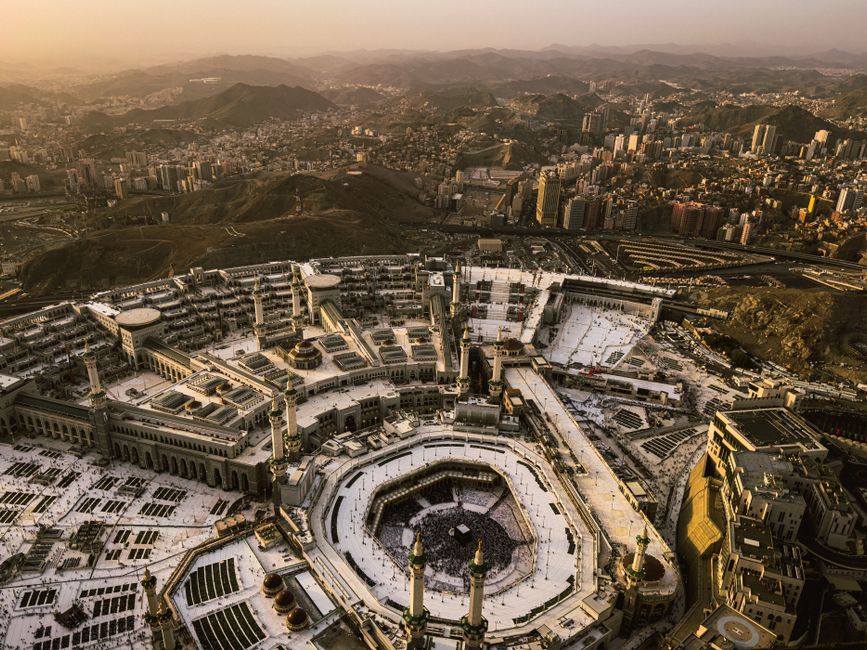
Saudi Arabia says it has intercepted Houthi drones heading toward Mecca, while the Yemen-based group denies targeting the holy city.[2][10] At the same time, reports highlight renewed Houthi strikes on Saudi infrastructure and shipping routes around the Red Sea, intensifying concerns over regional stability and energy supplies.[3][10][13] The situation is driving wider protests over fuel prices and blackouts as the broader Iran-linked conflict pushes up global energy costs.[7][11]
Breaking
/
AS-1046
/
Global
/
06:00
Yemen’s Houthi movement is expanding control over strategic Red Sea islands and shipping routes, escalating risks to global oil and trade flows.[10][6] Saudi and allied forces report renewed Houthi strikes on Saudi targets, while shipping and energy analysts warn that the chokepoint near the Bab al-Mandab strait is increasingly vulnerable.[4][10] The situation is driving fuel price spikes and protests worldwide as the conflict intersects with broader energy supply strains.[7][2]
Breaking
/
AS-1045
/
Global
/
02:45
Mass protests are breaking out across multiple countries as fuel prices spike and rolling blackouts spread, driven by the ongoing war in Iran and related disruptions to energy supplies.[2][3][13][15] Governments are facing mounting public anger and economic strain as they scramble to secure oil and gas flows and stabilize domestic markets.[2][3][13][15]
Breaking
/
AS-1044
/
Global
/
02:30
The most immediate major world story is the widening Iran war and its spillover into global energy and security. Reports across major outlets point to rising attacks, emergency alerts in the Gulf, and disruption fears around oil transit routes.
Breaking
/
AS-1037
/
Global
/
22:00
Iran-backed Houthi forces have seized two strategic islands in the southern Red Sea, tightening their grip on shipping lanes vital for global oil flows.[1][2][8] Their advance, alongside wider attacks by Iran-aligned fighters on Saudi infrastructure, is raising fears of a broader regional war and a severe oil supply shock.[1][2][8][15]
Breaking
/
AS-1021
/
Global
/
10:45
Saudi Arabia has shut down a major oil pipeline as Houthi attacks and tensions with Iran disrupt key energy transit routes in the Gulf. The move heightens fears over global oil supplies and adds new pressure to already volatile international markets.[12][13] It comes as planned talks between Iran and Gulf states on securing shipping in the Strait of Hormuz are postponed, deepening uncertainty over regional stability.[12]
Breaking
/
AS-1013
/
Global
/
06:00
Saudi Arabia has shut down a major oil pipeline, further limiting global oil flows at a time of already tight supply and elevated prices.[6] The move is raising concerns about energy security and inflation pressures worldwide as markets react to the disruption.[6]
Breaking
/
AS-1009
/
Global
/
00:45
Middle East tensions have escalated as Saudi Arabia shuts a major oil pipeline following drone attacks and Gulf states postpone crucial talks with Iran over the Strait of Hormuz. Brent crude has surged above $108 a barrel, raising fears that up to 4% of global oil supply could be at risk within days if flows are not restored.[5][7][8][14] The disruption threatens to tighten energy markets worldwide and increase economic pressure on importing countries.[5][7][8][14]
Breaking
/
AS-1008
/
Global
/
00:30
Oil prices have surged above $108 a barrel after a merchant vessel was struck in the Strait of Hormuz and Saudi Arabia shut a key pipeline that bypasses the waterway. The incidents are heightening concerns that vital Middle East energy routes could be disrupted, with major implications for global markets and geopolitics.
Breaking
/
AS-1007
/
Global
/
00:03
The most consequential breaking story right now is a reported attack in the Strait of Hormuz paired with Saudi Arabia shutting its main pipeline bypassing the waterway, sending oil prices sharply higher. Reuters says diplomacy around the Strait of Hormuz has stumbled, while Euronews reports Brent crude surged above $108 a barrel after the attack killed one crew member and heightened supply fears.
Breaking
/
AS-1003
/
Global
/
20:45
Saudi Arabia has closed a crucial crude oil pipeline after it was hit by multiple drone attacks launched from Iraq, heightening concerns over the security of global energy supplies.[1][10] The shutdown comes amid months of regional tensions and conflict affecting major oil transit routes, putting additional pressure on already volatile markets.[1][4]
Breaking
/
AS-0998
/
Global
/
19:01
The biggest breaking story visible in current coverage is the Saudi oil pipeline attack and its wider fallout, with markets reacting sharply and officials blaming Iran for the disruption. Reuters reports oil prices jumped as new strikes on Saudi energy and civilian infrastructure, plus Iranian attacks on ships in the Gulf, intensified supply fears.[13]
Breaking
/
AS-0995
/
Global
/
17:01
Drone strikes linked to the expanding Iran-related conflict have badly damaged a major Saudi east‑west oil pipeline, turning what was seen as a short‑term shock into a prolonged test for global energy markets and the world economy.[3][13][14] Oil prices have climbed back to around $110 a barrel as Gulf states postpone talks with Iran on securing shipping through the Strait of Hormuz.[3][8][13][14]
Breaking
/
AS-0985
/
Global
/
08:45
Saudi Arabia has carried out 58 airstrikes in 24 hours amid a sharp escalation in its conflict with Yemen’s Houthi movement. The surge in attacks signals a significant intensification of regional tensions with potential implications for global energy security and humanitarian conditions in Yemen.
Breaking
/
AS-0976
/
Global
/
00:45
The most prominent breaking world story in the available coverage is escalating tensions tied to Iran and its allies in the Gulf and nearby shipping routes. Reports describe attacks on commercial vessels, Houthi claims of strikes, and growing diplomatic concern about wider regional spillover.
Breaking
/
AS-0973
/
Global
/
22:45
A vessel has caught fire in the Strait of Hormuz after being struck by a projectile, according to UK Maritime Trade Operations. Local authorities are evacuating crew members, and officials are still assessing the extent of the damage and any environmental impact.[10] Given the Strait’s critical role in global oil shipments and ongoing regional tensions, the incident is being treated as a high-stakes security and economic concern.[10]
Breaking
/
AS-0971
/
Global
/
22:01
Iran has reportedly damaged US warplanes amid escalating confrontations in the Gulf region, adding to broader tensions involving Saudi Arabia, BRICS partners and Western allies.[5][11] The incident comes as Saudi Arabia faces mounting threats from Iran and its allies, and key oil infrastructure in the region has already been targeted and disrupted.[5][11]
Breaking
/
AS-0954
/
Global
/
10:30
Houthi forces in Yemen have taken control of the country’s entire Red Sea coastline after a rapid offensive that captured three strategic islands, sharply escalating regional tensions. The advance threatens key shipping lanes and raises the risk of wider confrontation involving Saudi Arabia and the United States.[2]
Breaking
/
AS-0950
/
Global
/
08:00
Saudi Arabia has closed its East-West oil pipeline after the key energy conduit was hit in an aerial attack linked to the widening Middle East conflict.[7] The shutdown raises immediate concerns about global oil supply security and regional escalation.[7] Authorities are still assessing damage and potential disruption to exports.[7]
Breaking
/
AS-0942
/
Global
/
00:30
Saudi Arabia has shut down its East-West oil pipeline after an aerial attack, as Houthis tighten their grip on a vital Red Sea shipping route. The disruption raises the risk of higher energy prices and a broader regional spillover.
Breaking
/
AS-0941
/
Global
/
00:03
Saudi Arabia has shut down a crucial crude oil pipeline after it was attacked by multiple drones launched from Iraq, forcing a halt to significant crude flows and raising fears of a sharp rise in global energy prices.[5][14] The United States has indicated Iran is likely responsible for the attack, escalating already high regional tensions and prompting concern over wider conflict and disruption in global oil markets.[5]
Breaking
/
AS-0936
/
Global
/
20:30
Saudi Arabia has closed a key oil pipeline after a drone strike launched from Iraq, triggering investigations and the removal of a local Iraqi military commander. The shutdown raises immediate concerns over global oil supplies and regional security as authorities probe responsibility for the cross‑border attack.[2][14][8]
Breaking
/
AS-0934
/
Global
/
19:45
Saudi Arabia has shut down its East-West oil pipeline after drone attacks, a move that signals a sharp escalation in the Iran-linked regional conflict and raises fresh concerns about global energy supplies. Reports from multiple outlets say the shutdown was a precaution after the pipeline was struck, with the fighting also tied to Houthi advances on Yemen’s Red Sea coast.
Breaking
/
AS-0930
/
Global
/
17:30
Saudi Arabia has shut down its East-West oil pipeline after an attack it says came from drones launched from Iraq, according to multiple outlets. The disruption raises fresh concerns about energy supply security and could push oil and fuel prices higher.
Breaking
/
AS-0928
/
Global
/
14:45
Saudi Arabia has closed a major crude oil pipeline after it was hit by multiple drones launched from Iraq, prompting immediate concern over global energy supplies.[1][12][14] The shutdown has already driven oil prices sharply higher and raised fears of further escalation in the wider Middle East conflict.[12][14]
Breaking
/
AS-0925
/
Global
/
12:30
Saudi Arabia has shut down part of its East-West oil pipeline after it was attacked, according to multiple outlets. The disruption comes amid wider regional tensions tied to the Middle East war and attacks blamed on drones from Iraq.
Breaking
/
AS-0917
/
Global
/
06:45
Saudi Arabia has shut down a major crude oil pipeline after it was attacked by multiple drones, raising immediate concerns about regional energy security. The incident is drawing the most urgent attention because it could affect oil flows and intensify tensions linked to the wider Red Sea and Gulf conflict environment.
Breaking
/
AS-0916
/
Global
/
06:30
Saudi Arabia has closed its crucial East-West crude oil pipeline after it was hit by multiple drone strikes launched from Iraq in the context of a widening Iran-related conflict in the region.[2][4][10] The closure has immediate implications for global oil markets and heightens fears of further escalation involving Iran-backed groups and U.S. allies in the Gulf.[2][4][11]
Breaking
/
AS-0906
/
Global
/
20:45
Iran-backed Houthi forces in Yemen have captured strategic territory along the Red Sea, including reaching or seizing an island at the mouth of the Bab el-Mandeb Strait, a critical global shipping chokepoint.[2][4][5][15] The advance raises immediate concerns for international trade, energy markets and regional security as control of this corridor directly affects oil exports and commercial shipping routes.[2][4][5][15]
Breaking
/
AS-0902
/
Global
/
19:30
Iran-backed Houthi forces have captured key territory along Yemen’s Red Sea coast, including the strategic island of Perim near the Bab el-Mandeb Strait. Control of this chokepoint threatens one of the world’s most important maritime trade routes, raising global concerns over energy supplies and commercial shipping security.
Breaking
/
AS-0887
/
Global
/
08:30
Escalating conflict between the United States and Iran around the Strait of Hormuz is disrupting global oil flows and driving prices above $107–108 per barrel, fueling financial market turmoil.[2][7] The confrontation is widening into a broader regional and diplomatic crisis, with the UN nuclear watchdog referring Iran to the Security Council and major economies facing trade and energy shocks.[7][15]
Breaking
/
AS-0883
/
Global
/
06:00
An Iranian Revolutionary Guard Corps operation has reportedly destroyed a US vessel in the Strait of Hormuz, with additional commercial ships hit off the coast of Oman, sharply escalating tensions in a critical global energy corridor. The incident follows recent Iranian attacks on US Navy-linked ships and reported US strikes on Iranian oil tankers, raising fears of a broader regional conflict and disruption to oil supplies.
Breaking
/
AS-0882
/
Global
/
02:45
Iran-backed Houthi rebels have reportedly taken control of the strategic Red Sea port of Mokha in Yemen, tightening their grip on one of the world’s most vital maritime chokepoints.[9][10] The move raises the risk of further disruption to global trade and energy supplies as regional tensions with Iran and its network of proxies escalate.[9][10][12]
Breaking
/
AS-0880
/
Global
/
02:01
The escalating conflict involving Iran is driving global oil prices above $100 per barrel, stoking fears of a prolonged Middle East crisis and wider economic shock.[2][6][9][11] Governments and markets are bracing for sustained disruption to energy supplies, shipping routes and financial stability as the situation shows no sign of rapid resolution.[2][6][9][11]
Breaking
/
AS-0867
/
Global
/
17:45
Iran has reportedly struck US warplanes at a base in Jordan, damaging American aircraft and intensifying the ongoing US‑Iran conflict.[4][11] US strikes on Iranian tankers and mounting tit‑for‑tat attacks are fueling global concern over energy supplies and regional stability.[6][13] President Trump has suggested the war could continue through the US midterm elections, signaling a potentially prolonged crisis.[5][6]
Breaking
/
AS-0843
/
Global
/
22:45
Global oil prices have jumped above $100 a barrel for the first time since July as hostilities between the United States and Iran intensify in the Middle East.[6][10][11] The spike raises fears of fresh economic pressure worldwide and underscores the risk that the region’s conflict could further disrupt energy supplies and trade.[6][10][11]
Breaking
/
AS-0828
/
Global
/
12:45
The most urgent global story is the rapidly escalating confrontation between Iran and the United States, involving missile attacks on US warships and American strikes on Iranian oil tankers.[4][10][12][15] This clash is driving oil prices above $100 a barrel and raising fears of a broader regional war affecting global energy markets and security.[5][6][15]
Breaking
/
AS-0813
/
Global
/
00:45
Houthi forces have carried out a large-scale barrage of ballistic missiles and drones against multiple locations in Saudi Arabia, injuring at least 73 people and damaging energy facilities. The attacks mark a significant escalation in the Houthi–Saudi conflict and have drawn warnings of retaliation from Riyadh.[5][6][7]
Breaking
/
AS-0812
/
Global
/
00:30
Iran-backed Houthi forces have struck multiple cities and oil infrastructure in southern Saudi Arabia, injuring at least 70–73 civilians and marking a significant escalation in the Middle East conflict.[3][4][14] Riyadh has vowed to retaliate, raising concerns about regional stability and global energy markets.[3][4][14]
Breaking
/
AS-0810
/
Global
/
22:45
Iran‑aligned Houthi forces have launched a major wave of ballistic missiles and drones at several cities and energy facilities in southern Saudi Arabia, injuring at least 73 people. The attacks mark a significant escalation in the long‑running regional conflict and have prompted Saudi authorities to warn of retaliation and potential disruptions to oil infrastructure.[3][4][6][15]
Breaking
/
AS-0809
/
Global
/
22:30
Iran-aligned Houthi forces have carried out large-scale missile and drone strikes on multiple cities and energy facilities in southern Saudi Arabia, wounding at least 73 civilians and workers. Riyadh has vowed retaliation, warning the attacks mark a significant escalation in the long-running conflict and threaten global energy markets.[2][3][6][7][10]
Breaking
/
AS-0800
/
Global
/
17:30
Yemen’s Houthi movement carried out attacks on Saudi Arabian cities and energy facilities, injuring at least 73 people and prompting threats of retaliation from Riyadh. Several outlets described the strikes as a major escalation in the regional war.[2][3][13]
Breaking
/
AS-0799
/
Global
/
17:01
Iran-aligned Houthi forces in Yemen have carried out a large-scale strike on Saudi Arabian cities and energy infrastructure, wounding at least 73 civilians. Saudi authorities say the attacks hit airports and Aramco-linked oil sites, and have vowed to respond, raising fears of wider regional escalation.[2][3][8][11][15]
Breaking
/
AS-0798
/
Global
/
14:45
Yemen’s Houthi forces launched attacks on multiple Saudi cities and energy sites, injuring more than 70 people and igniting fires at oil facilities. Reports describe the assault as a significant expansion of the Middle East conflict and a major escalation for regional security.
Breaking
/
AS-0789
/
Global
/
08:45
Iran has escalated tensions with the United States in and around the Persian Gulf, including claims of firing an advanced missile at US warships and threatening 'economic warfare' amid ongoing US strikes on Iranian tankers.[1][2][10][11] The standoff is focused on control of shipping through the Strait of Hormuz, where regional states warn of an impending industrial and energy supply crisis if the waterway is not fully reopened.[1][10][11]
Breaking
/
AS-0777
/
Global
/
22:45
Tensions between the United States and Iran around the Strait of Hormuz are sharply disrupting commercial shipping and raising fears of a wider regional confrontation.[4][6][7] Iran is reportedly preparing an exclusion zone near the vital waterway, while recent strikes on tankers and competing narratives over attacks on vessels have pushed traffic through the strait to its lowest levels in months.[4][6][7]
Breaking
/
AS-0776
/
Global
/
22:30
The most urgent global breaking story is the escalating U.S.-Iran confrontation, which has pushed oil prices near six-week highs and raised fears of wider disruption in the Strait of Hormuz. Reuters reports that the tit-for-tat attacks on vessels and Tehran’s threat to target energy assets across the Gulf are the key drivers of the crisis.[10][9]
Breaking
/
AS-0772
/
Global
/
20:01
The United States has carried out strikes on three Iranian oil tankers after reporting that its warships were targeted with ballistic missiles near the Strait of Hormuz.[7][4] Iran is warning of a new maritime exclusion zone in the area, heightening fears of a wider confrontation that could disrupt a critical global energy chokepoint.[7][8] The incident is unfolding amid already high regional tensions linked to the broader Israel-U.S. conflict with Iran and its proxies across the Middle East.[15]
Developing
/
AS-0767
/
Global
/
17:30
Tensions between the United States and Iran have sharply escalated around the Strait of Hormuz, a key chokepoint for global oil shipments. Reports indicate intensified confrontation and new military and economic measures, raising fears of disruption to energy markets and wider regional instability.
End of transmission — refreshing every 60s
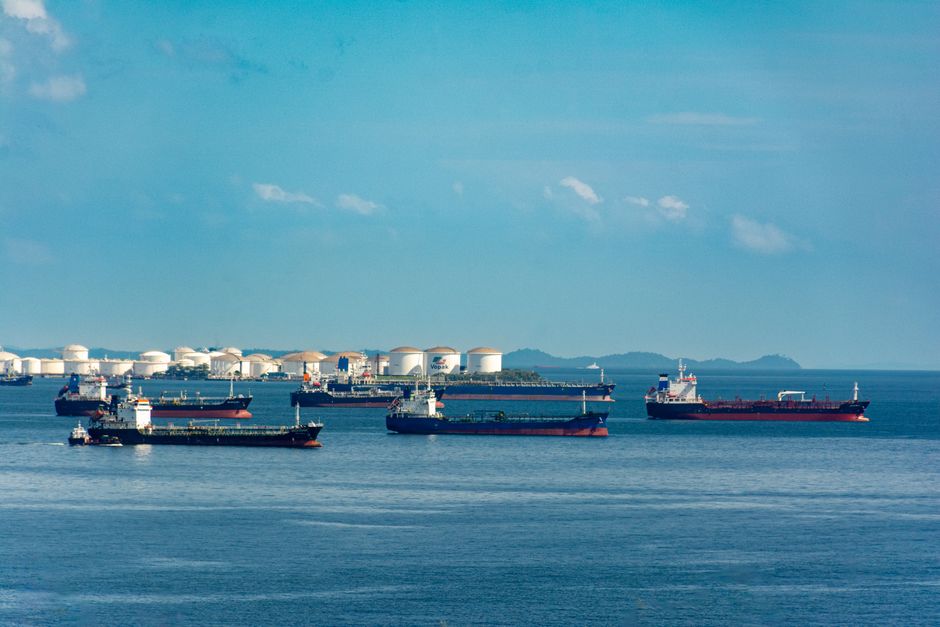
 Photo — Melika Hazrati / Pexels