Developing
/
AS-2835
/
Global
/
08:45
The COP31 climate summit opened in Antalya, Türkiye, bringing governments and civil society together for negotiations on emissions, electrification and sustainable development. The talks begin as conflict-related energy disruptions, including an attack on Iraq’s Khor Mor gas field, add urgency to global energy discussions.
Breaking
/
AS-2820
/
Global
/
20:45
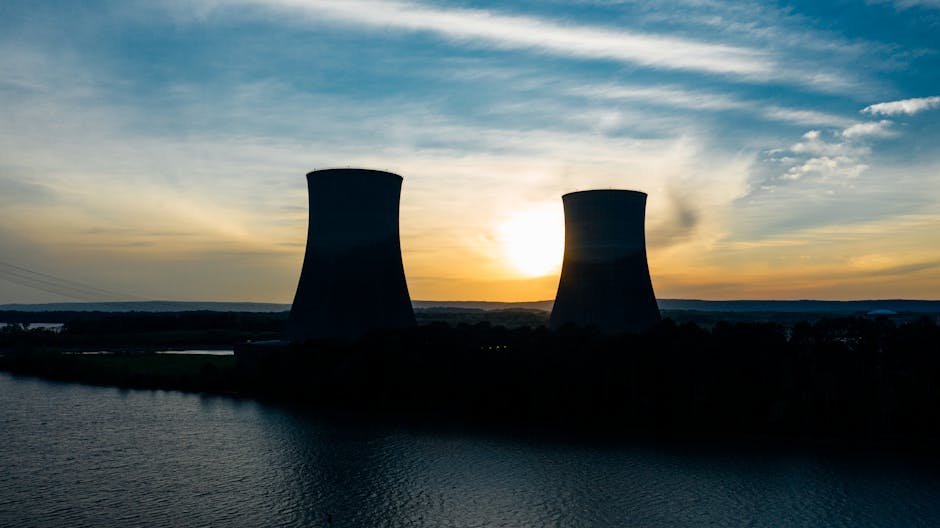
The Russian-controlled Zaporizhzhia nuclear power plant in Ukraine has lost its external electricity supply and is relying on backup generators to maintain reactor cooling. The outage heightens safety risks at Europe’s largest nuclear facility amid ongoing fighting and repeated disruptions to its power connections.[1]
Breaking
/
AS-2810
/
Global
/
14:30
The Russian-controlled Zaporizhzhia nuclear power plant in Ukraine has lost its external electricity supply and is relying on backup diesel generators to keep reactor fuel cool.[3][7] The IAEA said the plant is not producing electricity, while reported radiation levels remain normal.[7]
Breaking
/
AS-2809
/
Global
/
14:01
The Russian-controlled Zaporizhzhia nuclear power plant in southeastern Ukraine has lost its external electricity supply and is relying on backup generators to keep reactor fuel cool. The outage raises fresh concerns about nuclear safety at Europe’s largest nuclear plant, although no radiation increase was reported.
Developing
/
AS-1706
/
Global
/
06:01
Russia says Ukraine struck two facilities at the Zaporizhzhia nuclear plant, raising fresh concerns about safety at Europe’s largest nuclear facility. The claims have not been independently verified, and available reporting does not indicate a confirmed radiation release.
Developing
/
AS-1164
/
Global
/
19:30
A drone attack has struck the cooling tower of a reactor unit at Russia's Kursk nuclear power plant while it was operating, according to the International Atomic Energy Agency. The reactor continued functioning normally and no fire was reported, but the incident highlights growing security risks to critical nuclear infrastructure in the context of the Russia-Ukraine war.
Breaking
/
AS-1155
/
Global
/
12:30
A drone has struck the cooling tower of a reactor unit at Russia’s Kursk Nuclear Power Plant while the reactor was in operation, according to the International Atomic Energy Agency (IAEA).[6][9] The IAEA says the reactor’s operating mode did not change and no fire was reported, but it has condemned attacks on nuclear facilities.[6][9] The incident heightens safety concerns amid the ongoing conflict and raises fears of escalation involving nuclear infrastructure.[6][9]
Breaking
/
AS-1144
/
Global
/
02:45
A drone hit the cooling tower of a reactor unit at Russia's Kursk nuclear power plant while it was operating, according to the UN nuclear watchdog. The International Atomic Energy Agency (IAEA) says the reactor continued functioning normally and no fire broke out, but the incident underscores rising risks to civilian nuclear infrastructure amid the war in Ukraine.
Breaking
/
AS-0890
/
Global
/
10:30
The UN Security Council has convened an emergency meeting over Iran’s nuclear programme after a referral by the International Atomic Energy Agency raised the prospect of snapback sanctions and a wider escalation. Oil prices have spiked and Tehran has threatened to close the Strait of Hormuz, heightening global economic and security concerns.[10][12]
Breaking
/
AS-0886
/
Global
/
08:01
The most consequential breaking story in the available reporting is the escalating Iran crisis, with an emergency UN Security Council session triggered by a nuclear referral and mounting regional military tensions. The situation is raising fears of further confrontation in the Strait of Hormuz and potential snapback sanctions.
Breaking
/
AS-0884
/
Global
/
06:30
The UN Security Council has convened an emergency session over Iran’s nuclear program after a referral by the International Atomic Energy Agency, amid a tense military stand-off around the Strait of Hormuz. Major European powers are pushing for possible snapback sanctions, while Iran is threatening escalation that could disrupt global oil flows.[5]
Breaking
/
AS-0866
/
Global
/
17:30
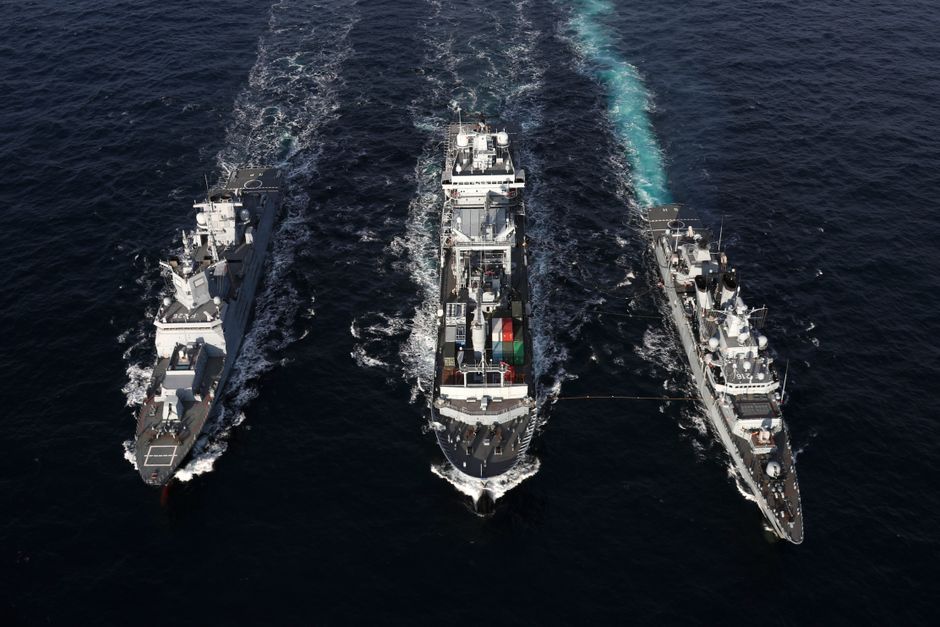
Iran has launched direct ballistic missile attacks on U.S. warships while U.S. forces claim to have destroyed multiple Iranian crude oil carriers in response.[5] At the same time, the IAEA has referred Iran’s nuclear file to the UN Security Council for the first time in 20 years, sharply raising regional and global tensions.[4][14] The combination of open military confrontation and nuclear escalation makes this the most consequential breaking story for global security today.[4][5][14]
Developing
/
AS-0863
/
Global
/
14:30
The UN nuclear watchdog has formally referred Iran to the UN Security Council for the first time in two decades over its failure to cooperate with investigations into undeclared uranium traces. This escalation comes as regional tensions rise, including direct Iranian military actions and broader Middle East instability.[1][7]
Breaking
/
AS-0861
/
Global
/
12:45
The most urgent global story is the rapidly escalating conflict between the United States and Iran, with direct attacks on U.S. warships and retaliatory strikes on Iranian tankers. This confrontation is intertwined with a broader nuclear standoff, including the IAEA referring Iran to the UN Security Council over nuclear non‑compliance.[2][5][6][12]
Breaking
/
AS-0859
/
Global
/
12:01
The International Atomic Energy Agency has formally reported Iran to the UN Security Council for failing to cooperate with a long‑running investigation into uranium traces at undeclared sites.[6][14] The referral, the first involving Iran in about two decades, sharply escalates tensions amid broader regional conflict and recent US‑Iran military confrontations.[6][14] Western governments say Iran’s lack of transparency raises grave concerns about the nature and intent of its nuclear program.[6][14]
End of transmission — refreshing every 60s
 Photo — Markus Spiske / Pexels