Breaking
/
AS-2837
/
Global
/
10:31
The UN COP31 climate summit has opened with Secretary-General António Guterres urging governments to intensify efforts against climate change. The talks run from November 9 to 20 as countries face pressure to accelerate emissions cuts and electrification.
Breaking
/
AS-2396
/
Global
/
00:30
Diplomatic efforts are intensifying as Iran and the United States face a possible return to direct hostilities, with regional allies and Iran-linked Houthi forces involved. UN Secretary-General António Guterres urged maximum restraint and diplomatic solutions as attacks and counterattacks threaten wider regional escalation.[1][2]
Developing
/
AS-2390
/
Global
/
20:30
The United States is approaching a decision on whether to pursue a deal with Iran or resume attacks, while Iranian and Houthi threats against Americans and regional infrastructure continue to grow. UN Secretary-General António Guterres has urged maximum restraint and a diplomatic solution to end the conflict.
Breaking
/
AS-2387
/
Global
/
19:30
The United States and Iran remain at war, while UN Secretary-General António Guterres is urging maximum restraint and diplomatic efforts to prevent further regional escalation.[2] Houthi attacks on Saudi infrastructure and Riyadh airport, alongside Saudi-led military action in Yemen, are intensifying the crisis.[5][8]
Breaking
/
AS-1107
/
Global
/
00:30
Coordinated airstrikes by the United States and Israel across Iran have killed at least 201 people and injured hundreds more, according to Iranian authorities.[9] The attacks, which Iran says also threaten nuclear facilities, have prompted an emergency meeting of the UN Security Council and urgent warnings from UN Secretary-General António Guterres to prevent further escalation.[9] The strikes have also disrupted air travel across the Middle East and raised fears of a broader regional war.[9]
Breaking
/
AS-0647
/
Global
/
00:30
The United Nations and global meteorological agencies are warning that the developing El Niño may be the strongest in more than 70 years, pushing the world into what they call a ‘danger zone of extreme weather’. Authorities say the event is already being “supersized”, with governments racing to prepare for potentially catastrophic floods, droughts, heatwaves and storms over the coming year.[3][12][14] This raises urgent concerns over food security, infrastructure resilience and the capacity of vulnerable countries to cope with cascading climate impacts.[3][12][14]
End of transmission — refreshing every 60s
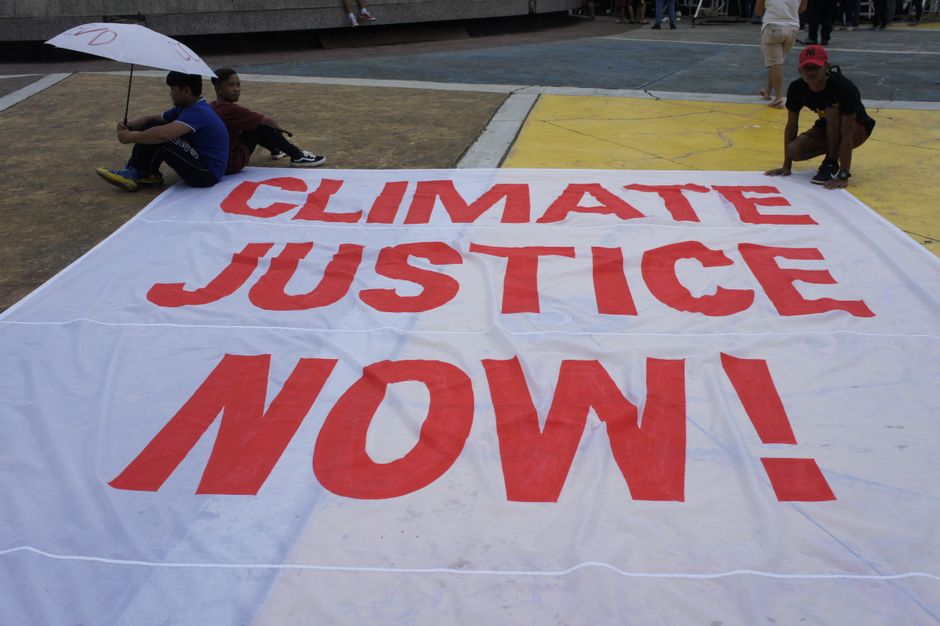 Photo — Valentin Sarte / Pexels