Developing
/
AS-0856
/
Global
/
10:01
Scientists report that August pushed global average temperatures to more than 1.5°C above pre‑industrial levels, tying the record for the hottest month on record. The EU’s Copernicus Climate Change Service warns this reinforces the long‑term trend of escalating climate change impacts worldwide.[1][6]
Breaking
/
AS-0689
/
Global
/
08:30
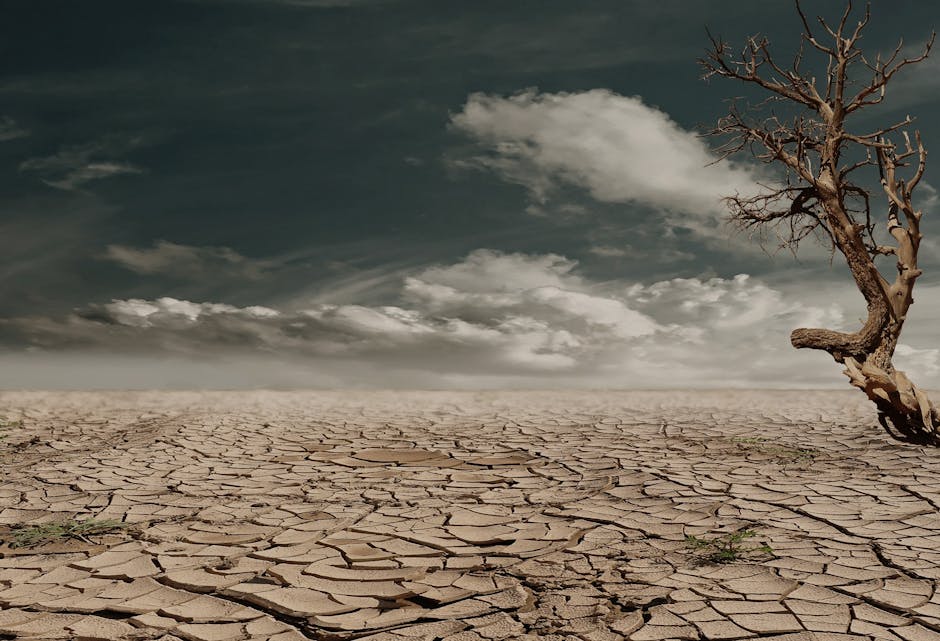
The UN’s World Meteorological Organization says the current ElNino system is on track to intensify into 2027 and could become the strongest ever recorded, sharply increasing the risk of extreme weather worldwide.[9] The agency warns that this could mean more severe droughts, floods, heatwaves and storms across multiple regions, with major implications for food security, public health and economies.[9]
Breaking
/
AS-0673
/
Global
/
20:00
A toxic haze from widespread wildfires is spreading across Southeast Asia, driven by a ‘super’ El Niño event that is intensifying extreme weather conditions. Authorities are warning of mounting health risks, transport disruptions and potential long-term impacts on food security as the haze worsens.[8][15]
Breaking
/
AS-0660
/
Global
/
10:45
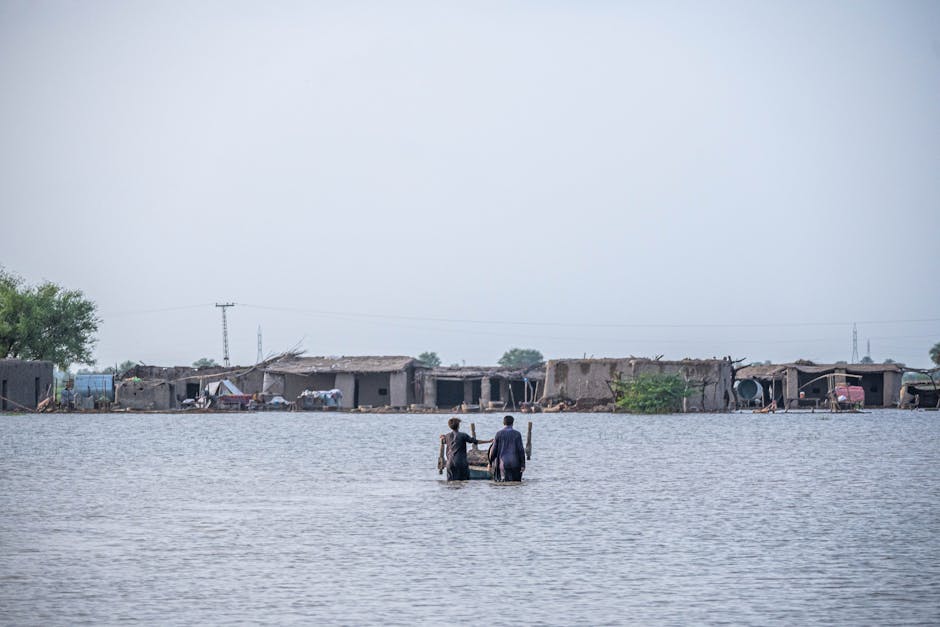
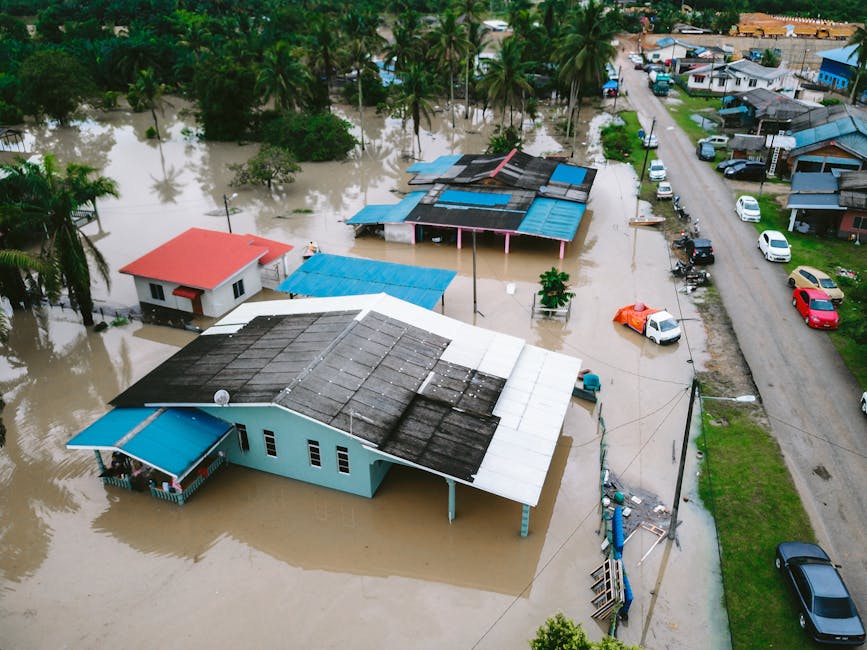
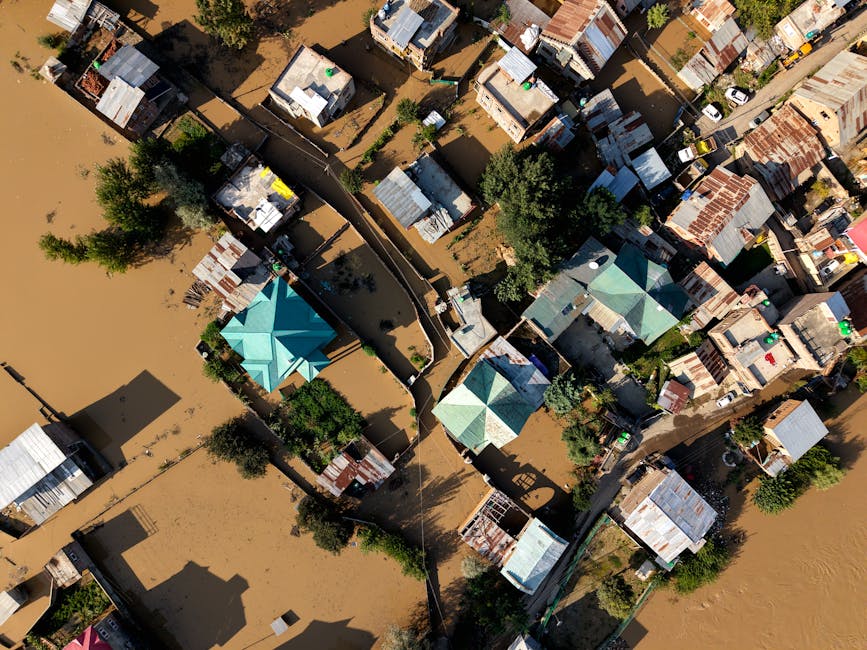
Massive flash floods on the Nepal-China border have killed more than 1,200 people and left over 5,000 missing, as search and rescue operations enter their second week.[3][4] The disaster has trapped workers in hydropower tunnels and displaced thousands, prompting international assistance and growing concern over the mounting death toll.[3][4][9]
Developing
/
AS-0656
/
Global
/
08:30
The UN weather agency warns that the current El Niño is firmly established and expected to strengthen, potentially becoming one of the strongest on record and driving heightened risks of floods, drought and extreme heat into 2027.[1][4][12] Governments and humanitarian agencies are being urged to prepare for severe climate and food-security impacts, as the phenomenon is already linked to extreme events including record Pacific hurricanes and widespread flooding in Nepal and China.[1][8][5]
Breaking
/
AS-0647
/
Global
/
00:30
The United Nations and global meteorological agencies are warning that the developing El Niño may be the strongest in more than 70 years, pushing the world into what they call a ‘danger zone of extreme weather’. Authorities say the event is already being “supersized”, with governments racing to prepare for potentially catastrophic floods, droughts, heatwaves and storms over the coming year.[3][12][14] This raises urgent concerns over food security, infrastructure resilience and the capacity of vulnerable countries to cope with cascading climate impacts.[3][12][14]
End of transmission — refreshing every 60s
 Photo — Matheus Bertelli / Pexels