Breaking
/
AS-1410
/
Global
/
06:30
U.S. President Donald Trump rejected an Iranian proposal to reopen the Strait of Hormuz and end fighting, while Tehran said diplomacy remains the only path to resolving its conflict with the United States and Israel. The standoff threatens a crucial global energy and shipping route and follows international calls for its reopening.
Breaking
/
AS-1403
/
Global
/
00:03
U.S. President Donald Trump rejected an Iranian proposal for a seven-day cease-fire and reopening of the Strait of Hormuz. The decision raises the risk of renewed U.S.-Iran military escalation and continued disruption to a vital global shipping route.
Developing
/
AS-1395
/
Global
/
19:30
U.S. President Donald Trump has reportedly rejected an Iranian proposal to reopen the Strait of Hormuz within seven days in exchange for conditions aimed at ending the wider Middle East conflict. The development raises the risk of renewed military action and threatens a major global energy and shipping route.
Breaking
/
AS-1391
/
Global
/
17:00
U.S. President Donald Trump has rejected an Iranian proposal to reopen the Strait of Hormuz and halt regional fighting for seven days, according to reporting cited by Reuters. The development raises the risk of renewed U.S. bombing and further escalation across the Middle East.
Developing
/
AS-1368
/
Global
/
22:30
The seven-month U.S.-Iran war is escalating, with threats of new attacks on energy infrastructure and a commercial vessel struck in the Strait of Hormuz. Oil prices have risen above $105 per barrel as the United Nations General Assembly produces little evidence of progress toward a peace deal.
Breaking
/
AS-1367
/
Global
/
22:01
Iran has proposed reopening the Strait of Hormuz within seven days if the United States accepts its conditions, according to an Associated Press news roundup. The development comes amid continuing U.S.-Iran hostilities, Saudi reports of fresh Houthi attacks, and heightened diplomatic activity at the United Nations.
Breaking
/
AS-1343
/
Global
/
06:01
The U.S.-Iran war remains the most consequential breaking international story, with indirect talks reportedly underway at the United Nations and Iran proposing a seven-day plan that could reopen the Strait of Hormuz and revive nuclear negotiations. Military tensions continue across the region, including Saudi interceptions of Houthi missiles and the suspension of Iranian airline flights by the United Arab Emirates.
Breaking
/
AS-1333
/
Global
/
20:45
At least seven people were killed and 12 injured in a Russian strike on a farm in Ukraine’s Kharkiv region, according to live reporting. The attack came hours after President Volodymyr Zelenskyy addressed the United Nations, underscoring the continuing escalation risk in Europe.[15]
Developing
/
AS-1332
/
Global
/
20:30
NATO aircraft were deployed over Polish and Romanian airspace in response to a new wave of Russian drone and missile attacks on Ukraine. The attacks reportedly killed civilians, including six people in the Kharkiv region and two in Kyiv, while Ukraine urged renewed efforts toward peace.[1][2]
Breaking
/
AS-1311
/
Global
/
06:30
Russian ballistic missiles struck Kyiv overnight, killing at least two people and injuring six amid intensified diplomatic efforts for a ceasefire. The attacks came as Ukraine and international partners pressed for an energy and Black Sea truce at the United Nations.
Developing
/
AS-1303
/
Global
/
22:45
U.S. President Donald Trump threatened to “annihilate” Iran during a United Nations speech while signaling that diplomacy remains possible. Iran says it has conveyed conditions for reopening the strategically vital Strait of Hormuz, as leaders pursue talks in New York.[1][2][3]
Breaking
/
AS-1301
/
Global
/
22:01
President Donald Trump threatened Iran during a United Nations speech, while Tehran said it would not surrender and maintained conditions for reopening the Strait of Hormuz. The confrontation risks disrupting global energy supplies and escalating into a wider regional conflict.
Developing
/
AS-1300
/
Global
/
20:45
President Donald Trump threatened Iran with severe military action while saying the United States remains open to diplomacy, and U.S.-Iran contacts reportedly took place on the sidelines of the United Nations General Assembly. Iran says it will negotiate only if Washington ends its blockade of Iranian ports and releases frozen assets.
Breaking
/
AS-1299
/
Global
/
20:30
U.S. President Donald Trump threatened Iran with “annihilation” if no agreement is reached, while Iranian and U.S. officials held a surprise meeting after the United Nations General Assembly. Iran has reportedly submitted conditions for reopening the strategically vital Strait of Hormuz, keeping risks to global energy supplies elevated.
Breaking
/
AS-1297
/
Global
/
19:45
Russia launched drone strikes across Kyiv on Wednesday, hitting railway infrastructure, warehouses and fuel stations, according to Reuters. The attacks came hours after Ukrainian President Volodymyr Zelenskiy met U.S. President Donald Trump to discuss peace efforts.
Breaking
/
AS-1296
/
Global
/
19:30
U.S. President Donald Trump threatened Iran with “annihilation” during his address to the United Nations, while Iran reportedly conveyed conditions for reopening the strategically vital Strait of Hormuz. The escalating rhetoric and unresolved maritime crisis raise the risk of a wider regional confrontation affecting global energy supplies.
Breaking
/
AS-1293
/
Global
/
17:30
U.S. and Iranian delegations held a surprise three-hour meeting at the United Nations after President Donald Trump warned Iran to reach an agreement or face annihilation. Iran has conveyed conditions for reopening the strategically vital Strait of Hormuz, while markets and governments monitor the risk of wider conflict and energy disruption.
Developing
/
AS-1292
/
Global
/
17:00
U.S. and Iranian delegations held an unexpected three-hour meeting at the United Nations after President Donald Trump warned Iran to choose between an agreement and annihilation. Iran has reportedly conveyed conditions for reopening the strategically vital Strait of Hormuz, while both sides continue issuing conflicting signals about diplomacy and escalation.
Breaking
/
AS-1291
/
Global
/
14:45
President Donald Trump threatened to “annihilate” Iran if it rejects a peace deal, while U.S. and Iranian representatives held talks on the sidelines of the United Nations General Assembly. The confrontation is also tied to Iran’s conditions for reopening the strategically vital Strait of Hormuz.
Breaking
/
AS-1290
/
Global
/
14:30
Iran has conveyed conditions to a U.S. representative for reopening the strategic Strait of Hormuz, while President Donald Trump warned Tehran at the United Nations that it could face devastating consequences without a peace deal. The standoff threatens a major global energy and shipping artery and is drawing diplomatic involvement from Russia and Saudi Arabia.
Developing
/
AS-1285
/
Global
/
10:45
Iran has conveyed conditions to the United States through Qatari mediators for ending the ongoing conflict, while talks at the UN General Assembly focus on reopening the strategic Strait of Hormuz. The standoff continues to affect regional security and global oil markets.
Breaking
/
AS-1282
/
Global
/
08:45
The United States and Iran are engaged in a rapidly escalating confrontation, with President Donald Trump warning Iran it could face annihilation while signaling openness to negotiations at the United Nations. Iranian officials have reportedly conveyed conditions for reopening the Strait of Hormuz, a crucial global energy route.
Breaking
/
AS-1280
/
Global
/
08:01
The United States and Iran are engaged in increasingly urgent diplomacy amid an ongoing war and a crisis over reopening the Strait of Hormuz. President Donald Trump warned at the United Nations that Iran could be “annihilated” if it rejects a peace agreement, while Iranian officials reportedly conveyed conditions for reopening the strategic waterway.
Developing
/
AS-1276
/
Global
/
02:45
US-Iran tensions are intensifying as President Donald Trump presses Tehran over its nuclear and regional policies while Iranian and US officials hold direct talks in New York. Iran has tied any reopening of the Strait of Hormuz to the lifting of a US naval blockade and the release of frozen assets.
Developing
/
AS-1272
/
Global
/
00:30
The escalating U.S.-Iran conflict is the central international crisis as world leaders gather in New York for the U.N. General Assembly. Iran-backed Houthi forces are pushing deeper into western Yemen, while the U.N. refugee agency warns continued fighting could displace up to 230,000 people.
Developing
/
AS-1269
/
Global
/
22:30
U.S. President Donald Trump issued a new warning to Iran during the United Nations General Assembly as fighting and threats intensify across the Middle East. The developments are unfolding alongside continued Israeli attacks in Gaza and warnings of possible mass displacement in Yemen.
Developing
/
AS-1268
/
Global
/
22:01
The escalating U.S.-Iran confrontation is the most consequential breaking international story, with threats involving military pressure, blockade measures and the Strait of Hormuz. Reports also indicate President Donald Trump is expected to address the United Nations as diplomatic tensions remain high.
Breaking
/
AS-1267
/
Global
/
20:45
The United States and Iran are engaged in a rapidly escalating confrontation, with President Donald Trump warning Tehran at the United Nations while Iran signals conditions for reopening the Strait of Hormuz. The standoff threatens regional security, energy supplies and global markets.
Breaking
/
AS-1266
/
Global
/
20:30
The escalating U.S.-Iran war is the most consequential global story, with President Donald Trump addressing the United Nations amid threats involving the Strait of Hormuz. Iran has reportedly offered to reopen the strategic waterway within seven days if the United States lifts its blockade, while Washington says diplomacy remains possible.
Breaking
/
AS-1265
/
Global
/
20:01
The escalating U.S.-Iran war is the most consequential global story as world leaders gather in New York for the U.N. General Assembly. President Donald Trump is expected to defend U.S. attacks on Iran, while a U.N.-commissioned mission says the United States was likely responsible for war crimes in two February 28 strikes.
Breaking
/
AS-1264
/
Global
/
19:45
World leaders are gathering in New York for the U.N. General Assembly amid the ongoing U.S.-Iran war and widening conflicts across the Middle East. President Donald Trump is expected to defend the U.S. attack on Iran, while a U.N.-commissioned report has alleged likely U.S. responsibility for war crimes in two February strikes.
Developing
/
AS-1262
/
Global
/
19:01
The U.S.-Iran war is the most consequential global breaking story, with President Donald Trump warning Tehran and Iranian leaders signaling continued resistance during the United Nations General Assembly. Diplomatic contacts remain possible, but reports indicate escalating military, economic and regional pressure.
Developing
/
AS-1260
/
Global
/
17:30
The United States and Iran are signaling openness to discussions as their conflict continues, with the issue set to dominate the United Nations General Assembly. Iran’s president is traveling to New York, while Secretary of State Marco Rubio said Washington is open to speaking with Tehran.
Developing
/
AS-1247
/
Global
/
08:01
The ongoing US-Iran war is the most consequential breaking international story, with Iran’s foreign minister arriving in New York as leaders gather for the UN General Assembly. The G7 is urging Iran to stop arming Yemen’s Houthis, while markets are watching for possible US-Iran talks.[2][4][6]
Breaking
/
AS-1229
/
Global
/
19:00
Human rights experts appointed by the United Nations say there are “reasonable grounds” to believe the United States committed war crimes in Iran, including a strike on a school in the southern city of Minab.[12] The finding sharply escalates international scrutiny of recent US military operations and could fuel major diplomatic fallout.[12] The report comes amid already heightened tensions between Washington and Tehran over sanctions, regional security, and civilian protection in conflict zones.[9][12]
Breaking
/
AS-1216
/
Global
/
08:45
The most critical breaking story is the rapid escalation of tensions involving the United States, Iran, and regional actors, as deadly fighting rages in Yemen and Washington issues security alerts across West Asia. Iran has warned the US against new attacks while international outlets and a UN panel highlight the risk that the confrontation could widen into a broader regional war.[2][8]
Breaking
/
AS-1187
/
Global
/
12:01
Ukraine has carried out what Moscow officials describe as the biggest-ever drone assault on the Russian capital, targeting the city and an oil refinery as Russia’s parliamentary election enters its final day.[3][4] Russian authorities say the attacks were aimed at disrupting the vote and report at least two deaths in the wider Moscow region.[3] The escalation comes as global leaders converge at the United Nations with the wars in Ukraine and the Middle East already straining the international order.[3][4]
Breaking
/
AS-1177
/
Global
/
02:45
The escalating Iran war and its widening regional and economic impact remain the most critical global story right now. Fighting has already cost the United States more than $38 billion, is driving a new global energy and inflation shock, and is prompting intensified diplomatic clashes at the United Nations and beyond.[2][12][13]
Breaking
/
AS-1156
/
Global
/
12:45
Saudi Arabia and Yemen’s Iran-backed Houthi movement are trading cross-border strikes as Yemenis flee fighting by boat across the Red Sea.[11] The escalating Middle East war is creating new risks for global oil supplies and contributing to rising fuel prices and broader economic strain.[11][12] This combination of military escalation, humanitarian displacement and energy-market disruption currently makes it the most globally consequential breaking story.
Breaking
/
AS-1150
/
Global
/
08:45
A new United Nations-backed investigation has found extensive sexual violence committed during the war in Ukraine, with the vast majority of verified cases attributed to Russian forces.[12] The report documents over a thousand verified incidents affecting both civilians and prisoners of war, underscoring systemic abuse and potential war crimes.[12][10]
Breaking
/
AS-1129
/
Global
/
17:45
A United Nations fact-finding mission says it found evidence that two U.S. attacks in Iran killed at least 177 civilians, many of them children. The finding has made the Iran war the most urgent global breaking story in the available reporting right now.
Breaking
/
AS-1112
/
Global
/
06:01
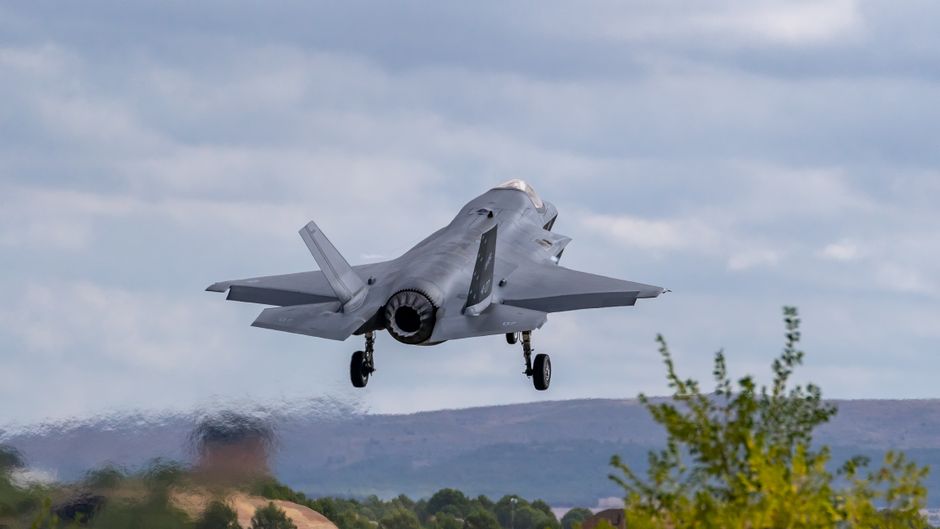
The most prominent breaking global story in the available wire coverage is the sharp escalation in West Asia, including the U.S. approval of a potential $24.3 billion sale of 48 F-35 fighter jets to Saudi Arabia amid rising regional tensions. Coverage also points to intensifying conflict-related developments around Yemen and the Iran-related diplomatic standoff at the UN.
Breaking
/
AS-1102
/
Global
/
20:45
UN investigators say the United States likely committed war crimes in Iran, including an attack on a school in Minab. The finding sharply escalates legal and diplomatic pressure over the ongoing Iran war and raises fresh questions about civilian protection in US military operations.
Breaking
/
AS-1097
/
Global
/
19:01
UN-backed human rights experts have found reasonable grounds to believe the United States committed war crimes in two deadly airstrikes in Iran, including one that hit a school in Minab. The findings sharply escalate international scrutiny of US military operations and raise urgent questions about accountability and civilian protection.[2][12]
Breaking
/
AS-0944
/
Global
/
02:01
Fighting between US and Iranian forces has sharply intensified after a brief lull, with both sides exchanging strikes and mounting concerns over civilian casualties. A reported US strike on a wedding in southern Iran killed several people and injured dozens more, heightening worries the confrontation could broaden into a wider regional or global crisis.
Breaking
/
AS-0888
/
Global
/
08:45
Yemen’s army has declared the area around the Taiz-Mocha road a military zone and warned civilians to stay away as fighting with the Houthis intensifies. The situation is developing amid broader regional tensions and warnings from the UN that renewed conflict could draw Yemen into wider confrontation.
Developing
/
AS-0690
/
Global
/
08:45
The most prominent breaking global story available from current coverage is the United Nations General Assembly vote on a new world map that reflects countries’ true relative sizes. The move follows pressure from African nations to correct long-standing distortions in how the world is depicted.
Breaking
/
AS-0689
/
Global
/
08:30
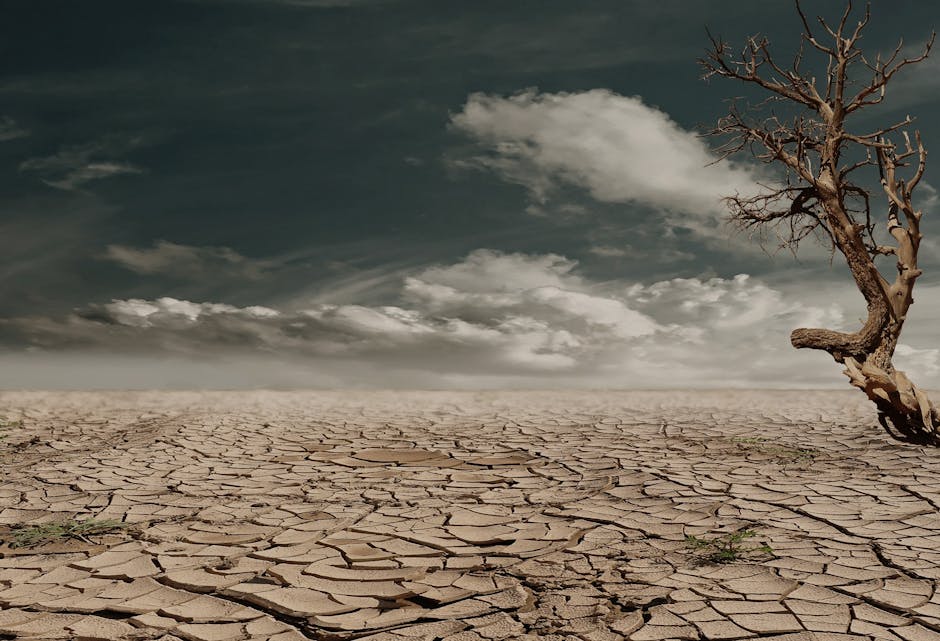
The UN’s World Meteorological Organization says the current ElNino system is on track to intensify into 2027 and could become the strongest ever recorded, sharply increasing the risk of extreme weather worldwide.[9] The agency warns that this could mean more severe droughts, floods, heatwaves and storms across multiple regions, with major implications for food security, public health and economies.[9]
Breaking
/
AS-0673
/
Global
/
20:00
A toxic haze from widespread wildfires is spreading across Southeast Asia, driven by a ‘super’ El Niño event that is intensifying extreme weather conditions. Authorities are warning of mounting health risks, transport disruptions and potential long-term impacts on food security as the haze worsens.[8][15]
Breaking
/
AS-0647
/
Global
/
00:30
The United Nations and global meteorological agencies are warning that the developing El Niño may be the strongest in more than 70 years, pushing the world into what they call a ‘danger zone of extreme weather’. Authorities say the event is already being “supersized”, with governments racing to prepare for potentially catastrophic floods, droughts, heatwaves and storms over the coming year.[3][12][14] This raises urgent concerns over food security, infrastructure resilience and the capacity of vulnerable countries to cope with cascading climate impacts.[3][12][14]
Breaking
/
AS-0590
/
Global
/
08:30
The United States and Iran have exchanged their most significant attacks in weeks, ending a recent lull in hostilities and putting both sides back on a war footing.[4][9] Washington has threatened further, more devastating strikes, while Tehran says a U.S.-linked attack killed several civilians at a wedding and wounded dozens.[4] The confrontation is heightening fears of a broader regional escalation and complicating diplomatic efforts around Iran’s nuclear program.[4]
Breaking
/
AS-0577
/
Global
/
22:00
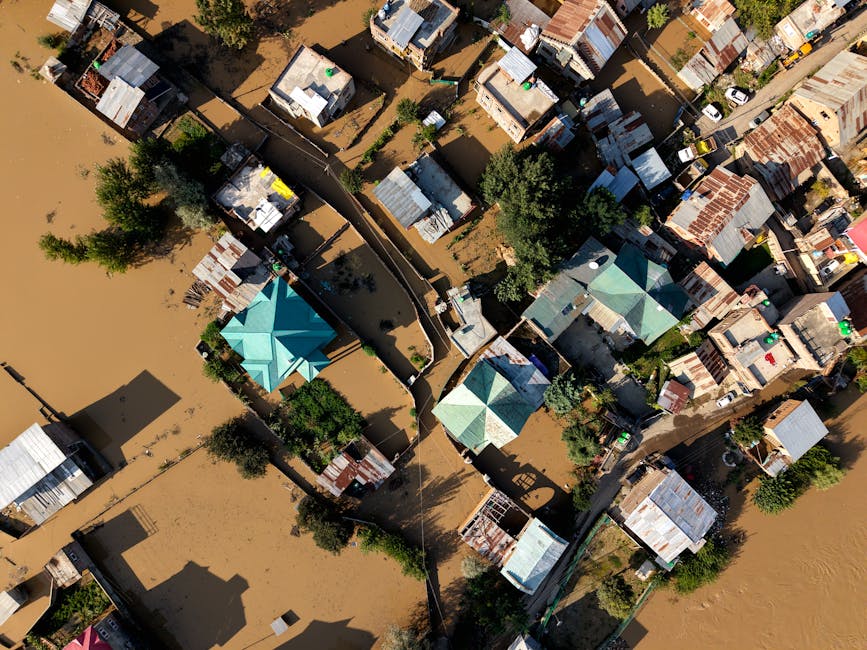
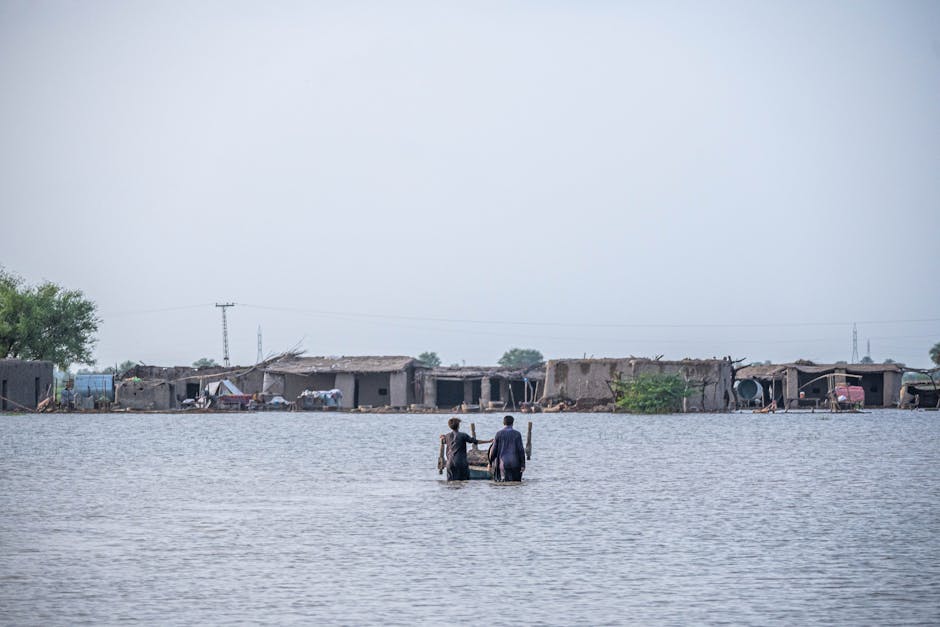
Authorities in Nepal report that more than 1,000 people have been killed and over 4,000 are missing after catastrophic flooding and flash floods hit areas of Nepal and neighboring China. Rescue teams are racing to reach survivors as heavy rain and damaged infrastructure hamper relief operations.
Breaking
/
AS-0512
/
Global
/
22:30
A catastrophic glacier collapse on the Nepal–Tibet border has triggered massive floods and landslides, killing hundreds and leaving thousands missing. Authorities and international teams are racing against time to find survivors amid dangerous terrain and worsening weather conditions.[2][6][10][11][12][15]
End of transmission — refreshing every 60s
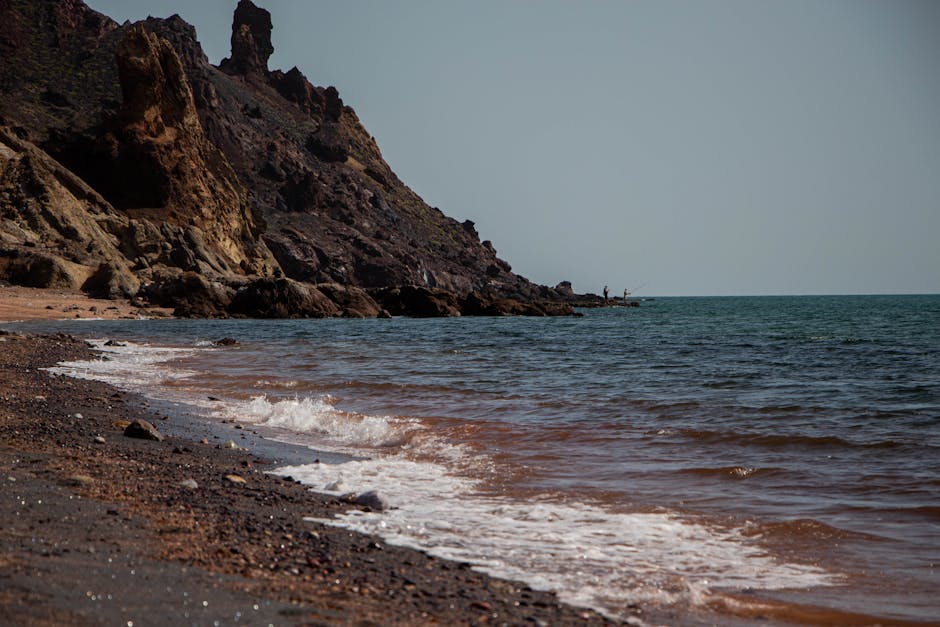 Photo — Melika Hazrati / Pexels