Breaking
/
AS-1433
/
Global
/
22:01
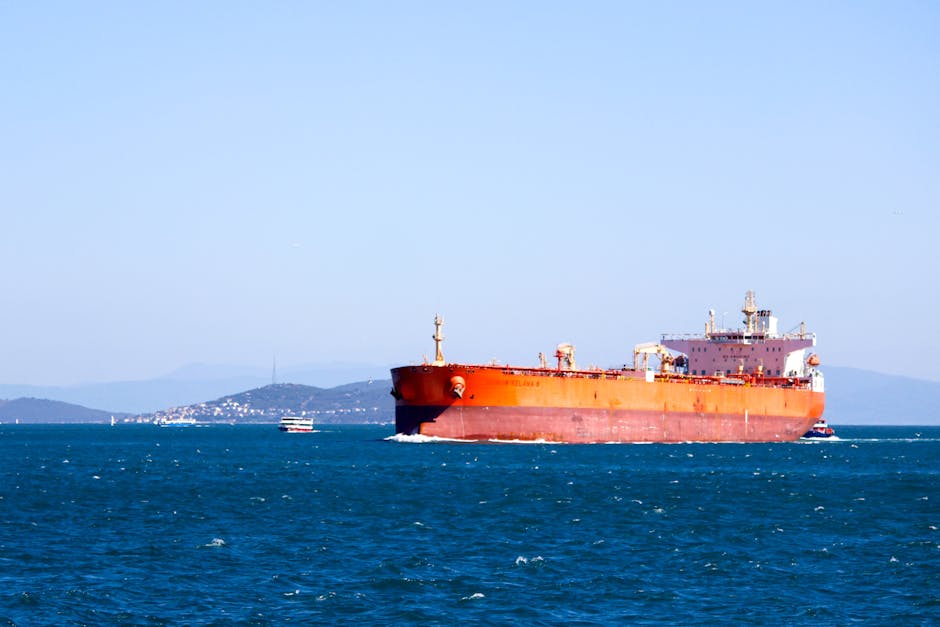
U.S. President Donald Trump said he paused an attack planned against Iran on September 27 to allow negotiations on a possible deal ending the war. Iran reportedly rejected a U.S. proposal concerning the Strait of Hormuz, leaving the conflict and risk of renewed strikes unresolved.
Breaking
/
AS-1431
/
Global
/
20:30
Iran says it will await an official U.S. response after President Donald Trump rejected a proposal concerning the Strait of Hormuz, according to BBC reporting. The development raises the risk of further escalation in a strategically vital waterway.
Developing
/
AS-1424
/
Global
/
17:00
President Donald Trump rejected Iran’s proposed seven-day peace arrangement linked to reopening the Strait of Hormuz, while Tehran said it would await an official U.S. response. The standoff threatens a major global energy and shipping chokepoint and could intensify tensions between Washington and Tehran.
Developing
/
AS-1420
/
Global
/
12:45
U.S. President Donald Trump has rejected Iran’s seven-day proposal to reopen the Strait of Hormuz, while Tehran says it is awaiting Washington’s official response through mediators. The standoff threatens a major global energy chokepoint and has intensified diplomatic and security tensions across the Middle East.
Breaking
/
AS-1416
/
Global
/
10:30
President Donald Trump rejected Iran’s conditional proposal to reopen the Strait of Hormuz, while Tehran said it still favors a diplomatic solution. The standoff threatens a vital global energy route and has contributed to the sharpest oil-price surge since 2022.
Breaking
/
AS-1413
/
Global
/
08:30
U.S. President Donald Trump rejected Iran’s proposal to reopen the Strait of Hormuz, while Tehran said it remained committed to diplomacy. The dispute raises risks for a strategically vital global energy route and could intensify U.S.-Iran tensions.
Breaking
/
AS-1411
/
Global
/
06:45
U.S. President Donald Trump has rejected Iran’s latest proposal to reopen the Strait of Hormuz, a major global energy and shipping chokepoint. The dispute is unfolding amid escalating tensions involving the United States, Iran, Gulf states and attacks affecting regional security.
Breaking
/
AS-1408
/
Global
/
02:45
U.S. President Donald Trump rejected an Iranian proposal to reopen the Strait of Hormuz within seven days, saying the offer was unacceptable. The dispute adds uncertainty to a strategically vital shipping route amid escalating tensions and fighting in the region.
Breaking
/
AS-1403
/
Global
/
00:03
U.S. President Donald Trump rejected an Iranian proposal for a seven-day cease-fire and reopening of the Strait of Hormuz. The decision raises the risk of renewed U.S.-Iran military escalation and continued disruption to a vital global shipping route.
Developing
/
AS-1399
/
Global
/
20:45
U.S. President Donald Trump has rejected an Iranian proposal to reopen the Strait of Hormuz and halt regional fighting within seven days. The development raises the risk of renewed U.S. strikes and further disruption to one of the world’s most important energy routes.
Breaking
/
AS-1392
/
Global
/
17:30
U.S. President Donald Trump has reportedly rejected an Iranian proposal to reopen the Strait of Hormuz within seven days, raising fears of prolonged disruption to a vital global energy route. The development follows escalating U.S.-Iran tensions and reports of military activity across the region.
Developing
/
AS-1389
/
Global
/
14:30
Iran has proposed a seven-day plan to the United States to reopen the strategically vital Strait of Hormuz and help end the regional war. Washington’s response is pending, with reports indicating President Donald Trump has rejected the proposal, creating uncertainty over renewed fighting and global energy supplies.
Breaking
/
AS-1388
/
Global
/
14:01
Iran has proposed reopening the strategically vital Strait of Hormuz within seven days if the United States meets specified conditions, as fighting and diplomatic pressure continue. Washington’s response remains uncertain, leaving global energy supplies and broader Middle East stability at risk.
Breaking
/
AS-1386
/
Global
/
12:30
Iran has proposed a phased arrangement to reopen the Strait of Hormuz, a critical global energy route, amid negotiations with the United States. The proposal’s viability and Washington’s response remain uncertain, keeping the risk of wider regional escalation high.
Breaking
/
AS-1384
/
Global
/
10:45
Iran has proposed reopening the Strait of Hormuz within seven days if the United States meets specified conditions, while reports say President Donald Trump has rejected the plan. The standoff threatens a major global energy and shipping chokepoint and could intensify the wider U.S.-Iran conflict.
Developing
/
AS-1383
/
Global
/
10:30
Iran is awaiting an official U.S. response after reports that President Donald Trump rejected Tehran’s proposal to reopen the Strait of Hormuz and end the wider Middle East war. The standoff threatens a critical global energy and shipping route while diplomats pursue an international mechanism to restore traffic.
Developing
/
AS-1382
/
Global
/
10:01
Iran has proposed a phased agreement to reopen the Strait of Hormuz and end the wider Middle East war, while the United States has not accepted Tehran’s terms. The development carries major global significance because the strait is a critical route for international energy shipments.
Breaking
/
AS-1381
/
Global
/
08:45
U.S. President Donald Trump has rejected an Iranian proposal to reopen the Strait of Hormuz and resume nuclear talks within seven days, reportedly signaling that U.S. bombing could resume after U.S. elections. The standoff threatens a major global energy route and raises the risk of wider conflict involving Iran, the United States and regional actors.
Breaking
/
AS-1379
/
Global
/
08:00
Iran is awaiting an official U.S. response to its proposed seven-day plan to reopen the strategically vital Strait of Hormuz and end fighting in the wider Middle East conflict. The Wall Street Journal reported that President Donald Trump rejected the proposal, raising the risk of renewed U.S. bombing and continued disruption to global energy flows.[3][11]
Breaking
/
AS-1378
/
Global
/
06:45
Iran is awaiting an official U.S. response to a seven-day proposal to reopen the Strait of Hormuz and end fighting in the wider Middle East war. The development follows a report that President Donald Trump rejected the proposal, leaving negotiations and global energy supplies at risk.
Developing
/
AS-1374
/
Global
/
02:30
Iran has proposed reopening the Strait of Hormuz within seven days if the United States meets conditions including easing military pressure and lifting its blockade. Tehran reportedly refuses to make nuclear concessions, leaving negotiations unresolved.
Developing
/
AS-1373
/
Global
/
02:02
Iran has proposed a seven-day plan to reopen the Strait of Hormuz and resume nuclear talks, but Tehran reportedly says it will make no nuclear concessions and will keep the waterway closed until U.S. conditions are met. The standoff is disrupting a major global energy route and remains the most consequential developing international crisis.
Breaking
/
AS-1372
/
Global
/
00:45
The Iran conflict is the most consequential breaking international story, with President Donald Trump threatening to annihilate Iran while U.S. and Iranian negotiators resume talks over reopening the Strait of Hormuz. The confrontation risks a wider regional war and disruption to global energy supplies.
Developing
/
AS-1368
/
Global
/
22:30
The seven-month U.S.-Iran war is escalating, with threats of new attacks on energy infrastructure and a commercial vessel struck in the Strait of Hormuz. Oil prices have risen above $105 per barrel as the United Nations General Assembly produces little evidence of progress toward a peace deal.
Breaking
/
AS-1364
/
Global
/
20:01
Iran has proposed reopening the Strait of Hormuz within seven days if the United States meets its conditions, according to Associated Press reporting. The offer comes amid reported Houthi attacks on Saudi targets and international moves to protect vital Gulf energy infrastructure.
Breaking
/
AS-1360
/
Global
/
17:45
The seven-month Iran war is intensifying, with Iran warning that it and its Houthi allies could open a new front targeting energy supplies in the Red Sea. A commercial vessel was struck in the Strait of Hormuz, killing one crew member, while oil prices rose above $105 a barrel amid stalled diplomatic efforts.
Developing
/
AS-1359
/
Global
/
17:30
The seven-month U.S.-Iran war is intensifying regional and economic risks, with the Strait of Hormuz still central to efforts to end the conflict. Negotiators are reportedly exploring a phased deal involving the reopening of the waterway and possible U.S. sanctions relief, while Iran and its Houthi allies warn of further attacks if hostilities continue.
Breaking
/
AS-1357
/
Global
/
14:45
The seven-month U.S.-Iran war remains the most consequential breaking international story, with tentative truce hopes competing against continued Houthi attacks and growing risks to regional energy supplies. Oil prices remain above $105 a barrel, while recent attacks in and around the Strait of Hormuz have caused deaths and maritime evacuations.
Developing
/
AS-1356
/
Global
/
14:30
Saudi Arabia is rallying regional military support after Iran-backed Houthi attacks intensified, raising fears of wider conflict and disruption to global oil supplies. Military chiefs from Saudi Arabia, Turkey and Pakistan are expected to discuss support under a joint defense pact.
Breaking
/
AS-1355
/
Global
/
14:01
The seven-month U.S.-Iran war is escalating across the Middle East, with renewed threats against energy infrastructure and a commercial vessel attack in the Strait of Hormuz that killed one crew member. Oil prices have risen above $105 per barrel as diplomatic efforts at the United Nations produce little visible progress.
Breaking
/
AS-1354
/
Global
/
12:45
The seven-month U.S.-Iran war is intensifying as Houthi attacks continue against Saudi Arabia and shipping near the Strait of Hormuz, while diplomatic efforts show limited progress. Oil prices remain above $105 per barrel, and a recent vessel attack killed one crew member and forced the evacuation of more than 20 mariners.
Developing
/
AS-1353
/
Global
/
12:30
The United States and Iran are discussing a phased agreement that could end the conflict and reopen the Strait of Hormuz, according to reporting cited by Arab News and The New York Times. The talks come as attacks and military tensions continue to threaten energy supplies and global shipping.
Developing
/
AS-1351
/
Global
/
10:45
The United States and Iran are discussing a phased agreement that could reopen the Strait of Hormuz and help end the war, according to reports citing diplomatic sources. The negotiations come as attacks involving Iran-backed Houthis and disruption around regional energy infrastructure continue to threaten global oil supplies.
Developing
/
AS-1349
/
Global
/
10:01
U.S. and Iranian negotiators are reportedly discussing a phased path out of the war, including reopening the Strait of Hormuz and easing the U.S. economic blockade. The talks come amid Houthi missile attacks on Saudi Arabia and continuing concern over global energy supplies.
Breaking
/
AS-1346
/
Global
/
08:01
The Iran war remains the most consequential global breaking story, with fighting involving the United States, Iran, Saudi Arabia and Houthi forces disrupting energy security and maritime trade. Iran has proposed a seven-day plan that would reopen the Strait of Hormuz and revive nuclear talks, while the U.S. Senate rejected a measure requiring congressional authorization for continued military action.
Breaking
/
AS-1345
/
Global
/
06:45
Iran has proposed a seven-day plan that would reopen the Strait of Hormuz and revive nuclear talks, while Houthi attacks and escalating violence in Yemen increase pressure on global oil supplies. France is preparing to send soldiers to Saudi Arabia to help secure energy infrastructure.
Developing
/
AS-1344
/
Global
/
06:30
Iran has proposed a seven-day plan to end the war, including reopening the Strait of Hormuz and reviving nuclear negotiations. The proposal comes as Tehran and Washington remain far apart over military pressure, sanctions and Iran’s nuclear program.
Breaking
/
AS-1342
/
Global
/
02:45
The United States and Iran are discussing a phased agreement to end their blockade and reopen the Strait of Hormuz, a vital global energy route. Negotiators remain far apart, while military tensions and threats involving regional airports continue.[2][5][10]
Developing
/
AS-1341
/
Global
/
02:30
The United States and Iran are discussing a phased agreement that could reopen the Strait of Hormuz and end the blockade, according to reports citing sources. The negotiations come as the two countries remain far apart over ending their war, while regional tensions and threats to neighboring airports continue.
Breaking
/
AS-1340
/
Global
/
02:01
The United States and Iran are discussing a phased agreement to reopen the Strait of Hormuz and end the U.S. blockade, according to reports citing sources familiar with the talks. The negotiations come amid heightened Middle East tensions, disrupted energy shipments and elevated oil prices.
Developing
/
AS-1334
/
Global
/
22:01
Saudi Arabia says it intercepted six ballistic missiles fired by Yemen’s Iran-backed Houthi movement toward cities in the kingdom. The attack comes as U.S.-Iran diplomatic efforts show little progress, raising fears of wider regional escalation.[4]
Developing
/
AS-1330
/
Global
/
19:45
The U.S.-Iran conflict remains the most consequential global story, with negotiations showing no clear breakthrough as leaders trade threats at the United Nations. Brent crude rose above $105 a barrel, while Iran-backed Houthis launched missiles toward Saudi Arabia, raising fears of wider regional escalation.
Breaking
/
AS-1319
/
Global
/
12:01
The United States and Iran remain far apart despite Tehran saying it is open to diplomacy to end the war, according to Reuters. Oil prices remain volatile as markets assess the risk of prolonged conflict and broader regional escalation.
Breaking
/
AS-1316
/
Global
/
10:01
The United States and Iran remain engaged in a war, while Tehran says it is open to diplomacy to end the conflict. Oil prices eased after Iran’s statement, but negotiations remain far apart and the risk of further escalation persists.
Developing
/
AS-1306
/
Global
/
00:45
Iran has conveyed conditions to the United States for reopening the strategically vital Strait of Hormuz, while President Donald Trump warned Tehran of severe consequences if it rejects a peace deal. The standoff is unfolding alongside high-level UN talks and could affect global energy supplies and regional security.
Developing
/
AS-1305
/
Global
/
00:30
The Middle East conflict remains the most consequential developing international story, with Iran rejecting demands to abandon its civilian nuclear program while diplomatic efforts continue at the United Nations. Fighting and instability are also worsening in Yemen, while markets are reacting to rising oil prices and uncertainty over talks.
Breaking
/
AS-1296
/
Global
/
19:30
U.S. President Donald Trump threatened Iran with “annihilation” during his address to the United Nations, while Iran reportedly conveyed conditions for reopening the strategically vital Strait of Hormuz. The escalating rhetoric and unresolved maritime crisis raise the risk of a wider regional confrontation affecting global energy supplies.
Breaking
/
AS-1293
/
Global
/
17:30
U.S. and Iranian delegations held a surprise three-hour meeting at the United Nations after President Donald Trump warned Iran to reach an agreement or face annihilation. Iran has conveyed conditions for reopening the strategically vital Strait of Hormuz, while markets and governments monitor the risk of wider conflict and energy disruption.
Developing
/
AS-1292
/
Global
/
17:00
U.S. and Iranian delegations held an unexpected three-hour meeting at the United Nations after President Donald Trump warned Iran to choose between an agreement and annihilation. Iran has reportedly conveyed conditions for reopening the strategically vital Strait of Hormuz, while both sides continue issuing conflicting signals about diplomacy and escalation.
Breaking
/
AS-1291
/
Global
/
14:45
President Donald Trump threatened to “annihilate” Iran if it rejects a peace deal, while U.S. and Iranian representatives held talks on the sidelines of the United Nations General Assembly. The confrontation is also tied to Iran’s conditions for reopening the strategically vital Strait of Hormuz.
Developing
/
AS-1288
/
Global
/
12:45
The United States and Iran have held their first talks since June, while Tehran has set conditions for reopening the strategically vital Strait of Hormuz. President Donald Trump described the discussions as productive but simultaneously threatened Iran with “annihilation” if it rejects a peace deal.
Breaking
/
AS-1287
/
Global
/
12:30
The United States and Iran held their first reported talks since June after President Donald Trump threatened to “annihilate” Iran unless it accepted a peace deal. Iran conveyed conditions for reopening the strategic Strait of Hormuz, while diplomatic efforts continued at the UN General Assembly.
Developing
/
AS-1285
/
Global
/
10:45
Iran has conveyed conditions to the United States through Qatari mediators for ending the ongoing conflict, while talks at the UN General Assembly focus on reopening the strategic Strait of Hormuz. The standoff continues to affect regional security and global oil markets.
Developing
/
AS-1283
/
Global
/
10:01
Iran has conveyed conditions for reopening the strategic Strait of Hormuz to the United States through diplomatic channels, while President Donald Trump has threatened severe consequences if Tehran does not reach a deal. The development comes amid a nearly seven-month US-Iran war and heightened pressure at the United Nations General Assembly.
Developing
/
AS-1281
/
Global
/
08:30
U.S. President Donald Trump said talks with Iran had been productive, while Tehran reportedly conveyed conditions for reopening the strategically vital Strait of Hormuz through Qatari mediators. Explosions were also reported near Iran’s Qeshm Island, leaving the situation volatile and unresolved.
Breaking
/
AS-1278
/
Global
/
06:30
Explosions were reported near the Strait of Hormuz as U.S. President Donald Trump said American and Iranian representatives held talks in New York. The developments come amid threats to disrupt Iran’s energy exports and rising fears of a wider regional escalation.
Breaking
/
AS-1274
/
Global
/
02:01
Iranian Foreign Minister Abbas Araghchi reportedly met US envoy Steve Witkoff and set conditions for reopening the Strait of Hormuz, including lifting a US naval blockade and releasing frozen Iranian assets. The negotiations could affect global energy supplies and sharply escalate or ease tensions across the Middle East.
Developing
/
AS-1268
/
Global
/
22:01
The escalating U.S.-Iran confrontation is the most consequential breaking international story, with threats involving military pressure, blockade measures and the Strait of Hormuz. Reports also indicate President Donald Trump is expected to address the United Nations as diplomatic tensions remain high.
Breaking
/
AS-1267
/
Global
/
20:45
The United States and Iran are engaged in a rapidly escalating confrontation, with President Donald Trump warning Tehran at the United Nations while Iran signals conditions for reopening the Strait of Hormuz. The standoff threatens regional security, energy supplies and global markets.
Breaking
/
AS-1266
/
Global
/
20:30
The escalating U.S.-Iran war is the most consequential global story, with President Donald Trump addressing the United Nations amid threats involving the Strait of Hormuz. Iran has reportedly offered to reopen the strategic waterway within seven days if the United States lifts its blockade, while Washington says diplomacy remains possible.
Breaking
/
AS-1253
/
Global
/
12:01
The Iran-U.S. conflict is intensifying, with Houthi forces reportedly advancing in Yemen and claiming a drone attack on Saudi Arabia. Oil prices have risen toward $100 a barrel, while Washington has warned Americans to reconsider travel to the Middle East.
Developing
/
AS-1250
/
Global
/
10:01
The Iran-US war is escalating across the Gulf, with renewed Houthi attacks on Saudi Arabia and reported strikes affecting shipping near the Strait of Hormuz. Gulf leaders are seeking greater US protection as negotiations over reopening the waterway stall.
Breaking
/
AS-1190
/
Global
/
14:01
Yemen’s Houthi rebels have launched coordinated missile and drone attacks targeting Saudi Arabia, including attempts against Riyadh and key oil facilities, prompting new US travel alerts and security warnings. The strikes heighten already severe regional tensions, with officials warning that the situation could escalate rapidly and disrupt air travel and energy infrastructure.[2][12][15]
Breaking
/
AS-1183
/
Global
/
08:45
Saudi forces have intercepted major Houthi attacks while Yemenis flee by boat as the Middle East conflict spreads, raising fears of wider regional war.[3][2] The fighting is increasingly impacting key maritime and oil routes, putting global energy markets and civilian shipping at risk.[3][4][7]
Breaking
/
AS-1178
/
Global
/
06:01
The most urgent global story is the fast-escalating US–Iran war and broader Middle East conflict, as Iran publicly sets detailed conditions for renewed talks with Washington while regional attacks and security alerts intensify.[4][6][11] Saudi forces are reported to have thwarted Houthi attacks on Riyadh, Houthis claim strikes on Riyadh and Aramco, and the US has issued expanded travel and security warnings over the risk of rapid escalation.[4][6][11] This combination of active military incidents, Iranian negotiating conditions, and global economic and security fallout makes the Middle East war the top breaking story worldwide.[4][8][11]
Breaking
/
AS-1174
/
Global
/
00:45
Saudi Arabia and Yemen’s Houthi forces have exchanged cross‑border strikes, forcing civilians to flee by boat as the broader Middle East conflict widens. The violence is raising fears of a larger regional war, threatening key oil and maritime routes.
Breaking
/
AS-1166
/
Global
/
20:01
Saudi forces and Yemen’s Houthi movement are exchanging cross‑border strikes as the war centered on Iran spreads across the Middle East.[4][5][7] The escalating conflict is driving civilians to flee by boat, threatening regional stability and global energy markets.[4][10]
Breaking
/
AS-1165
/
Global
/
19:45
The most urgent global story is the rapidly escalating Middle East conflict, as Saudi Arabia and Yemen’s Houthi movement exchange heavy strikes and civilians flee by boat amid spreading regional war. The fighting is now threatening key oil routes and maritime chokepoints, raising global economic and security risks.[4][5][6]
Breaking
/
AS-1163
/
Global
/
19:01
Saudi Arabia and Yemen’s Houthi movement have exchanged new cross-border strikes, forcing civilians to flee by boat as fighting spreads and intensifies across the wider Middle East. The clashes are driving fresh displacement and heightening regional and global concerns over oil supply routes and broader conflict escalation.[1][9][10][15]
Breaking
/
AS-1159
/
Global
/
14:45
US President Donald Trump has signed a sweeping Russia and Iran sanctions bill that could trigger tariffs of up to 100% on Russian oil imports by major buyers including India and China. The move sharply escalates economic pressure on Moscow and Tehran while threatening significant disruption to global energy markets. Key importers now face a choice between higher costs, supply diversification or reduced dependence on Russian crude.[2][6][14]
Breaking
/
AS-1156
/
Global
/
12:45
Saudi Arabia and Yemen’s Iran-backed Houthi movement are trading cross-border strikes as Yemenis flee fighting by boat across the Red Sea.[11] The escalating Middle East war is creating new risks for global oil supplies and contributing to rising fuel prices and broader economic strain.[11][12] This combination of military escalation, humanitarian displacement and energy-market disruption currently makes it the most globally consequential breaking story.
Breaking
/
AS-1153
/
Global
/
10:45
Saudi Arabia and Yemen’s Houthi forces are exchanging cross-border strikes, driving civilians to flee by boat and raising fears that the wider Middle East conflict is escalating. The clashes threaten key oil infrastructure and shipping routes, increasing global concern over energy supplies and regional stability.
Breaking
/
AS-1146
/
Global
/
06:30
US President Donald Trump has signed a major Russia sanctions bill that opens the door to tariffs of up to 100% on Russian oil exports to key buyers including India and China.[1][4][6][13] The move dramatically escalates economic pressure on Moscow while potentially reshaping global energy markets and relations with large emerging economies.[1][4][6][13]
Breaking
/
AS-1145
/
Global
/
06:01
The most prominent breaking world story is U.S. President Donald Trump signing a Russia sanctions bill that could open the door to steep tariffs on countries buying Russian oil, including India and China. The move comes just ahead of a planned Trump-Xi meeting and is already raising major diplomatic and economic concerns.
Breaking
/
AS-1143
/
Global
/
02:30
The ongoing US war with Iran is driving up fuel prices and straining the global economy, with protests erupting worldwide over energy costs and blackouts.[6][11] The conflict has already cost tens of billions of dollars and is reshaping geopolitical and trade dynamics far beyond the Middle East.[11]
Breaking
/
AS-1135
/
Global
/
20:45
A second oil tanker has reportedly been struck in the Strait of Hormuz, with Iran’s Revolutionary Guard claiming responsibility for an earlier attack, sharply escalating tensions in one of the world’s most critical energy chokepoints.[14][5] The incident comes amid a broader Iran-related standoff, including U.S.-Iran war concerns and UN scrutiny of recent military actions.[1][4][5]
Breaking
/
AS-1134
/
Global
/
20:30
The ongoing US-Iran war is pushing fuel prices sharply higher and triggering power blackouts in multiple countries, sparking protests on several continents over energy costs and economic strain.[10] Governments and central banks are scrambling to contain inflation and public anger as the conflict’s impact ripples through global markets and daily life.[1][2][10]
Breaking
/
AS-1128
/
Global
/
17:30
A second commercial tanker has reportedly been hit in the Strait of Hormuz, hours after another vessel was struck as tensions flare in the strategic waterway. Iran’s Islamic Revolutionary Guard Corps has claimed responsibility for the first attack, while global authorities warn of mounting disruption to energy and trade flows. The World Trade Organization chief has called the situation the worst threat to global trade in decades.
Developing
/
AS-1095
/
Global
/
17:30
Regional conflict between Saudi Arabia and Iran-backed Houthi forces has sharply escalated, with new Saudi airstrikes and expanded Houthi attacks broadening the Middle East war beyond Yemen. The fighting is raising fears of a wider regional conflagration and drawing intense concern from global powers over energy supplies and civilian casualties.
Breaking
/
AS-1091
/
Global
/
14:01
Saudi-led airstrikes and intensified Houthi attacks are sharply escalating the Middle East conflict, drawing in regional and global powers.[4][5] The widening war is driving up energy prices, disrupting shipping routes, and raising fears of broader instability across the region.[4][14]
Breaking
/
AS-1078
/
Global
/
02:45
Global tensions are escalating as the Iran war’s financial toll surges and an apparent missile strike hits a US-contracted vessel near the Strait of Hormuz. The conflict’s rising cost and spillover into one of the world’s most critical energy choke points raise immediate concerns for regional security and the global economy.
Breaking
/
AS-1073
/
Global
/
00:00
Protesters are taking to the streets worldwide over soaring fuel prices and rolling blackouts, driven in large part by the protracted U.S. war with Iran. Governments are facing mounting public anger as energy costs bite households and businesses and fears grow over the conflict’s economic fallout.[1][5][7][12]
Breaking
/
AS-1051
/
Global
/
08:45
The United States has carried out additional airstrikes against Islamic Revolutionary Guards Corps targets in Iran, escalating the ongoing 2026 Iran war and the broader Strait of Hormuz crisis.[13] The strikes follow attempted attacks on commercial shipping and US troops in the region, underscoring rising risks to global energy supplies and regional stability.[13]
Breaking
/
AS-1049
/
Global
/
08:00
Yemen’s Houthi movement has seized strategic Red Sea islands and resumed strikes on Saudi targets, while talks over securing the Strait of Hormuz have stalled. These moves deepen a growing crisis for global energy supplies and maritime trade, with major powers warning of an impending oil shock.[3][4][13][10][14]
Breaking
/
AS-1046
/
Global
/
06:00
Yemen’s Houthi movement is expanding control over strategic Red Sea islands and shipping routes, escalating risks to global oil and trade flows.[10][6] Saudi and allied forces report renewed Houthi strikes on Saudi targets, while shipping and energy analysts warn that the chokepoint near the Bab al-Mandab strait is increasingly vulnerable.[4][10] The situation is driving fuel price spikes and protests worldwide as the conflict intersects with broader energy supply strains.[7][2]
Breaking
/
AS-1045
/
Global
/
02:45
Mass protests are breaking out across multiple countries as fuel prices spike and rolling blackouts spread, driven by the ongoing war in Iran and related disruptions to energy supplies.[2][3][13][15] Governments are facing mounting public anger and economic strain as they scramble to secure oil and gas flows and stabilize domestic markets.[2][3][13][15]
Breaking
/
AS-1044
/
Global
/
02:30
The most immediate major world story is the widening Iran war and its spillover into global energy and security. Reports across major outlets point to rising attacks, emergency alerts in the Gulf, and disruption fears around oil transit routes.
Breaking
/
AS-1043
/
Global
/
02:01
Yemen’s Houthi movement has seized strategic Red Sea islands and tightened its grip on a critical shipping chokepoint, raising fears of a new global oil and trade shock.[6][8] Major outlets report that the advance threatens maritime security near the Bab al-Mandab strait and could further disrupt energy supplies and commercial traffic worldwide.[6][8] Diplomacy and military posturing in the region are intensifying as states seek to protect shipping routes and limit economic fallout.[3][4][6]
Breaking
/
AS-1039
/
Global
/
22:45
Iran‑aligned Houthi forces in Yemen have seized strategic islands and positions along the Red Sea, tightening control over one of the world’s most critical oil and trade chokepoints.[3][5][11] The advance is escalating regional tensions, disrupting shipping and feeding fears of a broader economic shock through higher energy prices and insurance costs.[1][8][11]
Breaking
/
AS-1037
/
Global
/
22:00
Iran-backed Houthi forces have seized two strategic islands in the southern Red Sea, tightening their grip on shipping lanes vital for global oil flows.[1][2][8] Their advance, alongside wider attacks by Iran-aligned fighters on Saudi infrastructure, is raising fears of a broader regional war and a severe oil supply shock.[1][2][8][15]
Developing
/
AS-1025
/
Global
/
14:00
Yemen’s Houthi movement has launched new attacks on Saudi targets used for oil transit while planned talks over shipping security in the Strait of Hormuz have been postponed. The disruption is raising concern over global energy supplies and the stability of a key maritime chokepoint.
Breaking
/
AS-1021
/
Global
/
10:45
Saudi Arabia has shut down a major oil pipeline as Houthi attacks and tensions with Iran disrupt key energy transit routes in the Gulf. The move heightens fears over global oil supplies and adds new pressure to already volatile international markets.[12][13] It comes as planned talks between Iran and Gulf states on securing shipping in the Strait of Hormuz are postponed, deepening uncertainty over regional stability.[12]
Breaking
/
AS-1013
/
Global
/
06:00
Saudi Arabia has shut down a major oil pipeline, further limiting global oil flows at a time of already tight supply and elevated prices.[6] The move is raising concerns about energy security and inflation pressures worldwide as markets react to the disruption.[6]
Breaking
/
AS-1011
/
Global
/
02:30
Tensions in the Middle East are escalating as attacks and security incidents near key oil transit routes raise fears for global energy supplies.[7][9][10] Diplomacy has stumbled, with a key regional meeting on securing the Strait of Hormuz postponed amid competing claims over recent tanker and infrastructure strikes.[7][10] The situation is driving concerns over potential oil shocks and wider economic fallout.[2][7]
Breaking
/
AS-1009
/
Global
/
00:45
Middle East tensions have escalated as Saudi Arabia shuts a major oil pipeline following drone attacks and Gulf states postpone crucial talks with Iran over the Strait of Hormuz. Brent crude has surged above $108 a barrel, raising fears that up to 4% of global oil supply could be at risk within days if flows are not restored.[5][7][8][14] The disruption threatens to tighten energy markets worldwide and increase economic pressure on importing countries.[5][7][8][14]
Breaking
/
AS-1008
/
Global
/
00:30
Oil prices have surged above $108 a barrel after a merchant vessel was struck in the Strait of Hormuz and Saudi Arabia shut a key pipeline that bypasses the waterway. The incidents are heightening concerns that vital Middle East energy routes could be disrupted, with major implications for global markets and geopolitics.
Breaking
/
AS-1007
/
Global
/
00:03
The most consequential breaking story right now is a reported attack in the Strait of Hormuz paired with Saudi Arabia shutting its main pipeline bypassing the waterway, sending oil prices sharply higher. Reuters says diplomacy around the Strait of Hormuz has stumbled, while Euronews reports Brent crude surged above $108 a barrel after the attack killed one crew member and heightened supply fears.
Breaking
/
AS-1004
/
Global
/
22:00
A major Saudi oil pipeline has been shut down after sustaining serious damage, raising concerns about disruptions to crude supplies to Europe and Asia. The incident is already stoking volatility in global energy markets and heightening geopolitical tensions over critical infrastructure security.
Breaking
/
AS-1003
/
Global
/
20:45
Saudi Arabia has closed a crucial crude oil pipeline after it was hit by multiple drone attacks launched from Iraq, heightening concerns over the security of global energy supplies.[1][10] The shutdown comes amid months of regional tensions and conflict affecting major oil transit routes, putting additional pressure on already volatile markets.[1][4]
Breaking
/
AS-1002
/
Global
/
20:30
Saudi Arabia has shut a critical oil pipeline after reported damage from recent attacks, raising concerns over global oil supplies and market stability.[2][3] Satellite imagery shows significant damage to the infrastructure as regional tensions with Iran and the Yemen conflict intensify.[3] Key energy markets are closely watching for potential price spikes and further escalation.[2][3]
End of transmission — refreshing every 60s
 Photo — Chait Goli / Pexels