Developing
/
AS-2924
/
Global
/
00:30
The United States told G7 foreign ministers it will continue imposing what it called “devastating” economic costs on Iran, while warning it has options beyond war or accepting Iranian demands. The warning comes amid reports of worsening regional tensions and Iranian concerns about winter gas shortages.
Breaking
/
AS-2810
/
Global
/
14:30
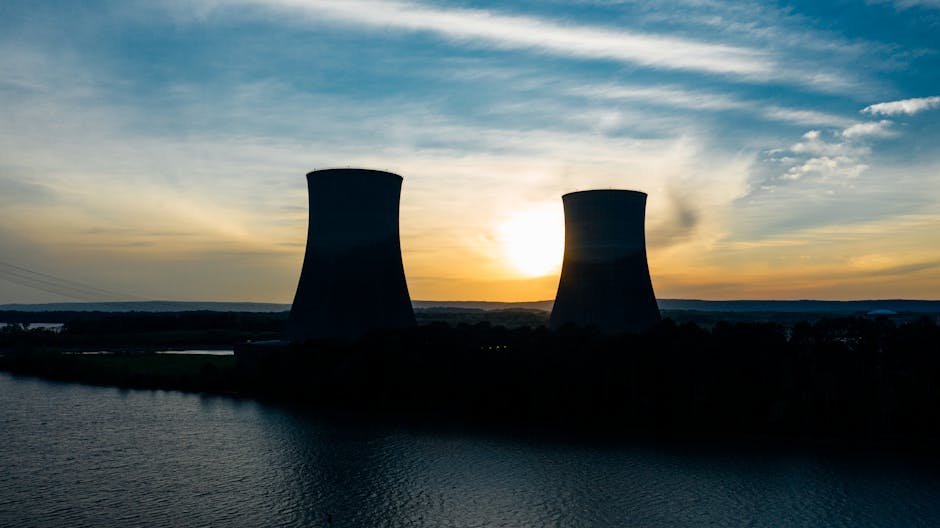
The Russian-controlled Zaporizhzhia nuclear power plant in Ukraine has lost its external electricity supply and is relying on backup diesel generators to keep reactor fuel cool.[3][7] The IAEA said the plant is not producing electricity, while reported radiation levels remain normal.[7]
Breaking
/
AS-2732
/
Global
/
06:30
The United States and Iran remain engaged in a widening conflict, with President Donald Trump warning that Washington may escalate military action despite saying he would prefer not to destroy more of Iran. The war is driving mounting political pressure in Washington and prompting new regional defense alignments involving Turkey, Pakistan and Saudi Arabia.
Breaking
/
AS-2333
/
Global
/
02:30
The United States appears to be preparing to resume major strikes against Iran, while Tehran has threatened retaliation and negotiations remain unresolved. The escalation is raising broader concerns about attacks across the Gulf, regional security and oil markets.
Breaking
/
AS-2199
/
Global
/
02:45
Iran is prolonging talks while refusing to move any enriched uranium out of the country, as the wider Middle East war continues to disrupt energy markets. The Strait of Hormuz remains effectively closed, intensifying pressure on oil supplies and global economies.
Breaking
/
AS-2068
/
Global
/
06:01
President Donald Trump said the United States may need to target Iran’s Pickaxe Mountain, a site linked to the country’s nuclear program. The warning signals a potentially major escalation in tensions between Washington and Tehran, while regional conflict is already spreading across the Middle East.
Developing
/
AS-1738
/
Global
/
02:45
U.S. President Donald Trump is reportedly considering renewed major combat operations against Iran as negotiations stall. The potential escalation follows months of conflict and unresolved disputes over Iran’s nuclear-enrichment capacity.
Developing
/
AS-1550
/
Global
/
12:01
The United States has warned Iran it faces a choice between reaching a deal and facing further attacks, while Iran says it has received a U.S. proposal to end hostilities and reopen the Strait of Hormuz. The confrontation remains the most consequential developing international crisis, with military, nuclear and global energy-security implications.
Developing
/
AS-1488
/
Global
/
14:32
Iran says Qatar will convey new proposals to the United States aimed at reopening the Strait of Hormuz and ending the war. The initiative represents a fresh diplomatic effort amid continuing military tensions and uncertainty over Washington’s response.
Developing
/
AS-1453
/
Global
/
12:45
US-Iran peace talks remain deadlocked, while Iran says it will make no nuclear concessions and keep the Strait of Hormuz closed until Washington meets its demands. The standoff is driving oil prices higher and poses a wider threat to global energy supplies.
Breaking
/
AS-1390
/
Global
/
14:45
Iran has proposed a seven-day plan aimed at reopening the Strait of Hormuz amid continuing tensions and negotiations with the United States. The proposal could affect a major global energy and shipping route, but key terms and whether Washington accepts them remain unclear.
Developing
/
AS-1302
/
Global
/
22:30
Iranian President Masoud Pezeshkian said Tehran cannot be forced to surrender but remains open to diplomacy with the United States. Iran has also conveyed conditions for reopening the strategically vital Strait of Hormuz, while President Donald Trump has threatened harsher action if no agreement is reached.
Breaking
/
AS-1155
/
Global
/
12:30
A drone has struck the cooling tower of a reactor unit at Russia’s Kursk Nuclear Power Plant while the reactor was in operation, according to the International Atomic Energy Agency (IAEA).[6][9] The IAEA says the reactor’s operating mode did not change and no fire was reported, but it has condemned attacks on nuclear facilities.[6][9] The incident heightens safety concerns amid the ongoing conflict and raises fears of escalation involving nuclear infrastructure.[6][9]
Breaking
/
AS-1107
/
Global
/
00:30
Coordinated airstrikes by the United States and Israel across Iran have killed at least 201 people and injured hundreds more, according to Iranian authorities.[9] The attacks, which Iran says also threaten nuclear facilities, have prompted an emergency meeting of the UN Security Council and urgent warnings from UN Secretary-General António Guterres to prevent further escalation.[9] The strikes have also disrupted air travel across the Middle East and raised fears of a broader regional war.[9]
Breaking
/
AS-0884
/
Global
/
06:30
The UN Security Council has convened an emergency session over Iran’s nuclear program after a referral by the International Atomic Energy Agency, amid a tense military stand-off around the Strait of Hormuz. Major European powers are pushing for possible snapback sanctions, while Iran is threatening escalation that could disrupt global oil flows.[5]
Developing
/
AS-0863
/
Global
/
14:30
The UN nuclear watchdog has formally referred Iran to the UN Security Council for the first time in two decades over its failure to cooperate with investigations into undeclared uranium traces. This escalation comes as regional tensions rise, including direct Iranian military actions and broader Middle East instability.[1][7]
Breaking
/
AS-0859
/
Global
/
12:01
The International Atomic Energy Agency has formally reported Iran to the UN Security Council for failing to cooperate with a long‑running investigation into uranium traces at undeclared sites.[6][14] The referral, the first involving Iran in about two decades, sharply escalates tensions amid broader regional conflict and recent US‑Iran military confrontations.[6][14] Western governments say Iran’s lack of transparency raises grave concerns about the nature and intent of its nuclear program.[6][14]
End of transmission — refreshing every 60s
 Photo — Sergei Starostin / Pexels