Developing
/
AS-2924
/
Global
/
00:30
The United States told G7 foreign ministers it will continue imposing what it called “devastating” economic costs on Iran, while warning it has options beyond war or accepting Iranian demands. The warning comes amid reports of worsening regional tensions and Iranian concerns about winter gas shortages.
Breaking
/
AS-2890
/
Global
/
00:03
Russian and Ukrainian officials are meeting in Abu Dhabi for their first peace talks since February, in a new U.S.-backed effort to end the war. The negotiations come as Russia intensifies attacks on Ukraine’s energy infrastructure ahead of winter.
Breaking
/
AS-2872
/
Global
/
12:01
Russia, Ukraine and the United States are set to begin a new round of trilateral peace talks in Abu Dhabi, reviving diplomatic efforts to end the war. The negotiations come as G7 officials focus on Ukraine, though expectations for an immediate breakthrough remain low.
Breaking
/
AS-2867
/
Global
/
08:30
Russian, Ukrainian and US delegations are meeting in Abu Dhabi for a new round of trilateral talks aimed at advancing a possible Russia-Ukraine peace agreement. The discussions represent a renewed diplomatic effort after earlier negotiations failed to produce a settlement.
Developing
/
AS-1635
/
Global
/
00:30
Russia struck a major bridge in Kyiv, reportedly the second significant bridge attack in two days, disrupting transport as Ukraine braces for further attacks. The G7 also agreed to release 100 million barrels from emergency reserves amid surging energy prices and global volatility.
Breaking
/
AS-1633
/
Global
/
22:45
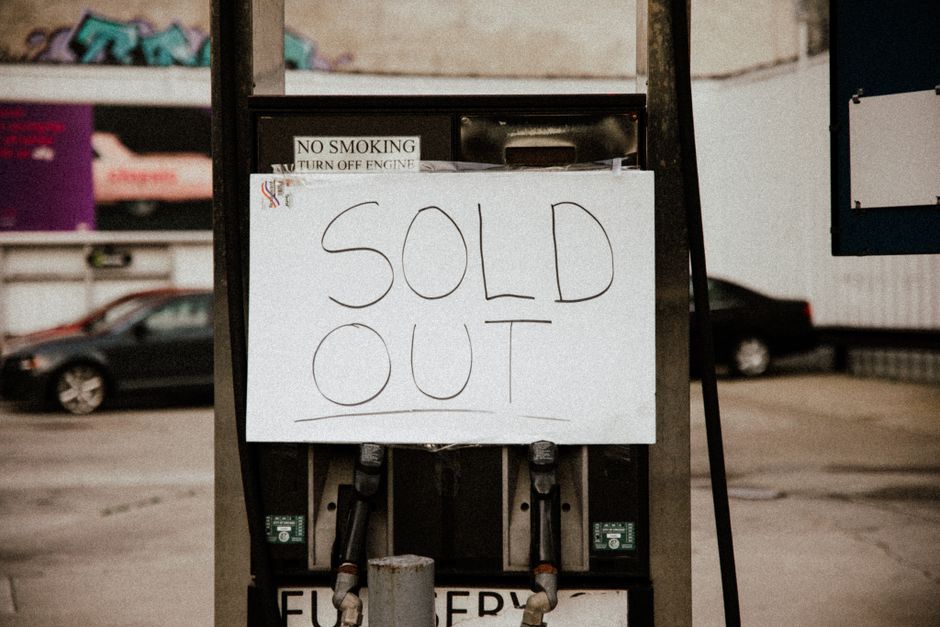
G7 leaders agreed to release 100 million barrels from emergency reserves over four months as the Iran war pushes up energy prices and increases market volatility. The move is intended to stabilize fuel supplies amid wider concerns about disruptions around the Strait of Hormuz.
Breaking
/
AS-1632
/
Global
/
22:30
G7 leaders agreed to coordinate the release of 100 million barrels from emergency oil reserves over four months as energy prices surge and markets become increasingly volatile. The move is intended to stabilize global fuel supplies and limit economic fallout.
Breaking
/
AS-1630
/
Global
/
20:45
G7 leaders agreed to coordinate the release of 100 million barrels from emergency reserves as oil prices surge and global energy markets become increasingly volatile. The move is intended to ease fuel shortages and limit economic disruption, with substantial diesel supplies reportedly prioritized.
Breaking
/
AS-1629
/
Global
/
20:30
G7 leaders agreed to release up to 100 million barrels of diesel and crude oil from emergency reserves over four months to stabilize global energy markets amid surging prices and volatility. The coordinated action reflects growing concern that conflicts and supply disruptions could trigger broader economic consequences.
Breaking
/
AS-1627
/
Global
/
19:45
G7 leaders agreed to release 100 million barrels of crude oil and diesel over four months to stabilize surging global energy prices. The coordinated action reflects growing volatility linked to conflicts and disruptions affecting international energy markets.
Breaking
/
AS-1626
/
Global
/
19:30
G7 leaders agreed to coordinate the release of 100 million barrels from emergency oil reserves over four months as energy prices and market volatility rise. The move is intended to stabilize fuel supplies and limit economic disruption worldwide.
Breaking
/
AS-1622
/
Global
/
17:00
G7 leaders agreed to release up to 100 million barrels of diesel and crude oil from emergency reserves over four months as energy prices surge amid escalating conflicts. The move is intended to stabilize global fuel markets and limit supply disruptions.
Breaking
/
AS-1621
/
Global
/
14:45
G7 leaders agreed to release up to 100 million barrels of diesel and other oil reserves over four months to stabilize volatile global energy markets. The move follows disruptions linked to wars in Ukraine and Iran and surging fuel prices.
Breaking
/
AS-1617
/
Global
/
12:30
G7 leaders agreed to coordinate the release of up to 100 million barrels of oil and diesel reserves over four months as conflict-driven disruptions send energy prices higher. The move is intended to stabilize global fuel markets and prioritize diesel supplies in the near term.
Breaking
/
AS-1615
/
Global
/
10:45
G7 leaders agreed to coordinate the release of up to 100 million barrels from emergency oil reserves over four months as prices surge amid the escalating Middle East conflict and Strait of Hormuz disruptions. The move signals that governments view the energy shock as a major global economic and security threat.
Breaking
/
AS-1613
/
Global
/
10:01
G7 leaders agreed to coordinate the release of 100 million barrels from emergency oil reserves over four months as energy prices surge and market volatility intensifies. The move is intended to stabilize global fuel markets and limit the economic impact of supply disruptions.
Breaking
/
AS-1611
/
Global
/
08:30
G7 countries, coordinating with the International Energy Agency, will release up to 100 million barrels of diesel and other oil reserves over four months. The move follows rising Middle East tensions, disrupted energy supplies and pressure from U.S. President Donald Trump.[8][11]
Breaking
/
AS-1610
/
Global
/
08:01
The Group of Seven and the International Energy Agency agreed to release up to 100 million barrels of diesel and crude oil over four months to address elevated energy prices. The coordinated action is among the most globally consequential developments reported today because it could affect fuel markets, inflation and energy security.
Developing
/
AS-1605
/
Global
/
02:30
The G7 has agreed to release 100 million barrels from strategic reserves, including diesel, amid rapidly rising fuel prices. The move follows pressure from U.S. President Donald Trump and aims to stabilize energy markets and protect consumers.[3][9]
Developing
/
AS-1604
/
Global
/
02:01
The U.S.-Iran conflict is driving a major energy-market response, with G7 countries agreeing to release 100 million barrels of crude and diesel from emergency reserves. The move comes as Washington weighs further military action and seeks to contain fuel-price increases before U.S. midterm elections.
Breaking
/
AS-1601
/
Global
/
00:03
G7 countries agreed to release diesel and crude-oil stocks to ease surging fuel prices linked to the Iran war, according to Reuters. The move follows urgent pressure from the United States and discussions of releasing up to 50 million barrels each of diesel and crude oil.
Breaking
/
AS-1598
/
Global
/
22:01
G7 countries agreed to release 100 million barrels of oil and diesel stocks as the Iran conflict drives fuel prices higher. The move follows pressure from U.S. President Donald Trump to prevent further diesel shortages and price spikes.
Breaking
/
AS-1597
/
Global
/
20:45
The U.S.-Iran conflict is escalating as Washington weighs further strikes while deploying thousands of additional troops and naval forces to the Middle East. Rising tensions around the Strait of Hormuz are pushing oil prices higher and prompting coordinated emergency fuel-stock measures by G7 countries.
Breaking
/
AS-1596
/
Global
/
20:30
G7 countries agreed to release 100 million barrels of oil and diesel through the International Energy Agency as fuel prices surge amid the continuing Iran war. The move follows pressure from the United States and aims to stabilize disrupted global energy markets.
Breaking
/
AS-1595
/
Global
/
20:01
G7 nations agreed to release 100 million barrels of crude oil and diesel as fuel prices surge during the eight-month Iran war. The move follows pressure from U.S. President Donald Trump and is intended to stabilize global energy supplies.
Breaking
/
AS-1593
/
Global
/
19:30
G7 countries agreed to release emergency diesel and crude-oil reserves after fuel prices surged amid the Iran war. The move follows U.S. pressure and aims to ease tightening global energy supplies and protect fuel markets.
Breaking
/
AS-1592
/
Global
/
19:01
G7 countries agreed to release emergency diesel and crude-oil reserves after fuel prices surged amid the Iran war and tightening global supplies. The coordinated action is intended to ease pressure on energy markets and protect consumers from further price increases.
Breaking
/
AS-1254
/
Global
/
12:30
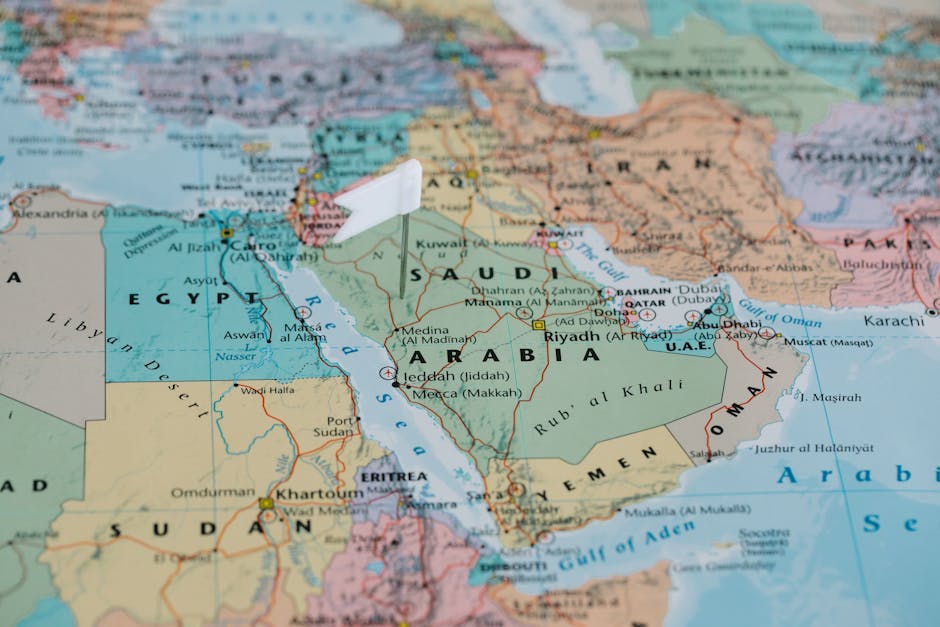
Saudi Arabia has launched airstrikes on Yemen’s strategic Red Sea port city of Mokha after renewed attacks by Iran-backed Houthi forces, reportedly killing at least six people and injuring eight. Britain says it will provide defensive military support to Saudi Arabia, while the G7 has condemned Houthi strikes and called on Iran to end its support.
Developing
/
AS-1247
/
Global
/
08:01
The ongoing US-Iran war is the most consequential breaking international story, with Iran’s foreign minister arriving in New York as leaders gather for the UN General Assembly. The G7 is urging Iran to stop arming Yemen’s Houthis, while markets are watching for possible US-Iran talks.[2][4][6]
Breaking
/
AS-1041
/
Global
/
00:30
Government borrowing costs jumped to their highest levels since the 2008 financial crisis, with the 10-year U.S. Treasury yield rising above 5%. The move is rattling stocks and raising pressure on highly indebted borrowers worldwide.
End of transmission — refreshing every 60s
 Photo — Sergei Starostin / Pexels