Breaking
/
AS-1397
/
Global
/
20:01
U.S. President Donald Trump has rejected an Iranian proposal to reopen the Strait of Hormuz and resume nuclear talks under specified conditions. The development raises the risk of continued disruption in one of the world’s most strategically important shipping routes.
Breaking
/
AS-1396
/
Global
/
19:45
U.S. President Donald Trump has reportedly rejected an Iranian offer to reopen the Strait of Hormuz and resume nuclear talks in exchange for sanctions relief and a ceasefire. The decision raises the risk of continued disruption in one of the world’s most important energy corridors.
Breaking
/
AS-1381
/
Global
/
08:45
U.S. President Donald Trump has rejected an Iranian proposal to reopen the Strait of Hormuz and resume nuclear talks within seven days, reportedly signaling that U.S. bombing could resume after U.S. elections. The standoff threatens a major global energy route and raises the risk of wider conflict involving Iran, the United States and regional actors.
Developing
/
AS-1307
/
Global
/
02:01
The United States and Iran held hours of indirect talks through mediators at the United Nations General Assembly, while President Donald Trump said he faces a major decision between diplomacy and further military action. New U.S. sanctions targeting Iran’s aviation sector are also taking effect, raising pressure on Tehran.
Developing
/
AS-1284
/
Global
/
10:30
The United States is increasing pressure on Iran while President Donald Trump warns Tehran it may lose its chance to reach an agreement. Iranian officials have reportedly sent conditions for ending the conflict through Qatari mediators as tensions spread across the region.
Breaking
/
AS-1282
/
Global
/
08:45
The United States and Iran are engaged in a rapidly escalating confrontation, with President Donald Trump warning Iran it could face annihilation while signaling openness to negotiations at the United Nations. Iranian officials have reportedly conveyed conditions for reopening the Strait of Hormuz, a crucial global energy route.
Developing
/
AS-1279
/
Global
/
06:45
U.S. and Iranian delegations held a surprise three-hour meeting after President Donald Trump demanded that Tehran choose between an agreement and annihilation. The talks came as explosions were reported near Iran’s Qeshm Island and Iran linked reopening the Strait of Hormuz to conditions, keeping global energy supplies at risk.
Breaking
/
AS-1278
/
Global
/
06:30
Explosions were reported near the Strait of Hormuz as U.S. President Donald Trump said American and Iranian representatives held talks in New York. The developments come amid threats to disrupt Iran’s energy exports and rising fears of a wider regional escalation.
Developing
/
AS-1277
/
Global
/
06:01
Explosions were reported near the Strait of Hormuz as U.S. President Donald Trump said Washington had held talks with an Iranian delegation. The developments come as the United States threatens sweeping sanctions against Iranian airlines and warns Tehran to act quickly.
Developing
/
AS-1276
/
Global
/
02:45
US-Iran tensions are intensifying as President Donald Trump presses Tehran over its nuclear and regional policies while Iranian and US officials hold direct talks in New York. Iran has tied any reopening of the Strait of Hormuz to the lifting of a US naval blockade and the release of frozen assets.
Breaking
/
AS-1274
/
Global
/
02:01
Iranian Foreign Minister Abbas Araghchi reportedly met US envoy Steve Witkoff and set conditions for reopening the Strait of Hormuz, including lifting a US naval blockade and releasing frozen Iranian assets. The negotiations could affect global energy supplies and sharply escalate or ease tensions across the Middle East.
Developing
/
AS-1248
/
Global
/
08:30
Iran’s foreign minister is traveling to New York for the UN General Assembly as tensions with the United States remain high and prospects for peace appear limited. Washington is also threatening to intensify pressure on Iranian airlines, while Iran-backed Houthis continue attacks affecting regional security.
Breaking
/
AS-1232
/
Global
/
20:00
Russia’s ruling pro-Putin party is on track to secure a dominant majority in national parliamentary elections held under wartime conditions and tight political control.[10][15] The vote unfolded as Ukraine launched large-scale drone attacks on Moscow and other targets, underscoring the conflict’s direct impact on Russia’s domestic politics.[5][10][15]
Breaking
/
AS-1173
/
Global
/
00:30
The United States has enacted a major sanctions package targeting Russia’s economy and energy sector, signed into law by President Donald Trump. The measures aim to squeeze Russia over its war in Ukraine and penalize buyers of Russian oil, with significant implications for global energy markets and geopolitics.[1][4][12][13][14]
Breaking
/
AS-1161
/
Global
/
17:30
US President Donald Trump has signed into law a major sanctions package targeting Russia and Iran, clearing the way for tariffs of up to 100% on Russian oil exports to key buyers including India and China. The move escalates economic pressure over Russia’s war in Ukraine and Iran’s role in the Middle East conflict, with immediate implications for global energy prices and trade flows.
Breaking
/
AS-1160
/
Global
/
17:00
The biggest breaking story is the U.S. signing a sweeping new sanctions package targeting Russia, with added pressure on allies and trading partners. Multiple outlets also report related fallout in Europe and warnings from Moscow about the impact on diplomacy.
Breaking
/
AS-1159
/
Global
/
14:45
US President Donald Trump has signed a sweeping Russia and Iran sanctions bill that could trigger tariffs of up to 100% on Russian oil imports by major buyers including India and China. The move sharply escalates economic pressure on Moscow and Tehran while threatening significant disruption to global energy markets. Key importers now face a choice between higher costs, supply diversification or reduced dependence on Russian crude.[2][6][14]
Breaking
/
AS-1157
/
Global
/
14:00
US President Donald Trump has signed a major Russia sanctions bill, tightening economic restrictions and paving the way for sharply higher tariffs on key countries. The law also underpins expanded military and economic measures linked to the Ukraine war and broader US foreign policy shifts.
Breaking
/
AS-1146
/
Global
/
06:30
US President Donald Trump has signed a major Russia sanctions bill that opens the door to tariffs of up to 100% on Russian oil exports to key buyers including India and China.[1][4][6][13] The move dramatically escalates economic pressure on Moscow while potentially reshaping global energy markets and relations with large emerging economies.[1][4][6][13]
Breaking
/
AS-1145
/
Global
/
06:01
The most prominent breaking world story is U.S. President Donald Trump signing a Russia sanctions bill that could open the door to steep tariffs on countries buying Russian oil, including India and China. The move comes just ahead of a planned Trump-Xi meeting and is already raising major diplomatic and economic concerns.
Breaking
/
AS-1138
/
Global
/
22:45
A United Nations fact‑finding mission on Iran has reported evidence that US forces committed war crimes in two attacks that killed at least 177 civilians, many of them children.[1] The findings come as the Iran war, regional tensions and new US sanctions on Iran and Russia intensify scrutiny of Washington’s conduct.[1][10][13] The report is likely to trigger significant diplomatic fallout and renewed debate over accountability for civilian casualties.[1][4]
Breaking
/
AS-1106
/
Global
/
00:00
The most prominent breaking world story in the available reporting is the U.S. move toward sweeping new sanctions on Russia, with additional pressure on major buyers of Russian oil such as China and India. Reuters, Euronews, and other outlets say the measure is tied to broader efforts to squeeze Moscow’s economy and shape the war in Ukraine.
Breaking
/
AS-1101
/
Global
/
20:30
The most significant breaking story in the available reporting is the U.S. House’s approval of a sweeping sanctions package targeting Russia’s economy and Vladimir Putin’s inner circle, with the measure headed to President Donald Trump for signature. The bill also threatens steep tariffs on major buyers of Russian oil, including China and India, making it a major escalation in global economic pressure.[1][3]
Breaking
/
AS-1098
/
Global
/
19:30
The most prominent breaking world story right now is the U.S. push to impose sweeping new sanctions on Russia over the war in Ukraine. Reports say the measure has passed the House and is headed to President Trump, while Russia warns it would make any peace deal harder.
Breaking
/
AS-1096
/
Global
/
17:45
The most consequential breaking world story appears to be the U.S. House’s approval of a sweeping Russia sanctions package, which also threatens tariffs on major buyers of Russian oil such as China and India. Reuters and the Associated Press say the bill has cleared Congress and is headed to Trump for signature, making it a major escalation with broad global economic implications.
Breaking
/
AS-1063
/
Global
/
17:45
Russian officials have issued a stark warning that any future war with Europe would be "very short," as European governments and militaries step up preparations for potential conflict.[11] Germany is reportedly preparing hospitals for a possible war with Russia, while Ukraine continues strikes against Russian military assets.[11] The warnings come alongside new US and European political moves targeting Russia and Iran, underscoring a rapidly deteriorating security environment.[11][12][14]
Breaking
/
AS-0890
/
Global
/
10:30
The UN Security Council has convened an emergency meeting over Iran’s nuclear programme after a referral by the International Atomic Energy Agency raised the prospect of snapback sanctions and a wider escalation. Oil prices have spiked and Tehran has threatened to close the Strait of Hormuz, heightening global economic and security concerns.[10][12]
Breaking
/
AS-0884
/
Global
/
06:30
The UN Security Council has convened an emergency session over Iran’s nuclear program after a referral by the International Atomic Energy Agency, amid a tense military stand-off around the Strait of Hormuz. Major European powers are pushing for possible snapback sanctions, while Iran is threatening escalation that could disrupt global oil flows.[5]
Breaking
/
AS-0859
/
Global
/
12:01
The International Atomic Energy Agency has formally reported Iran to the UN Security Council for failing to cooperate with a long‑running investigation into uranium traces at undeclared sites.[6][14] The referral, the first involving Iran in about two decades, sharply escalates tensions amid broader regional conflict and recent US‑Iran military confrontations.[6][14] Western governments say Iran’s lack of transparency raises grave concerns about the nature and intent of its nuclear program.[6][14]
Breaking
/
AS-0845
/
Global
/
00:30
Britain has announced a sweeping ban on goods from Israeli settlements in the occupied West Bank, with the foreign secretary accusing extremist settlers of carrying out the ethnic cleansing of Palestinians. In a rapid and furious response, Israel has ordered the closure of the UK consulate in East Jerusalem, sharply escalating diplomatic tensions between a key Western ally and the Israeli government.
Breaking
/
AS-0842
/
Global
/
22:30
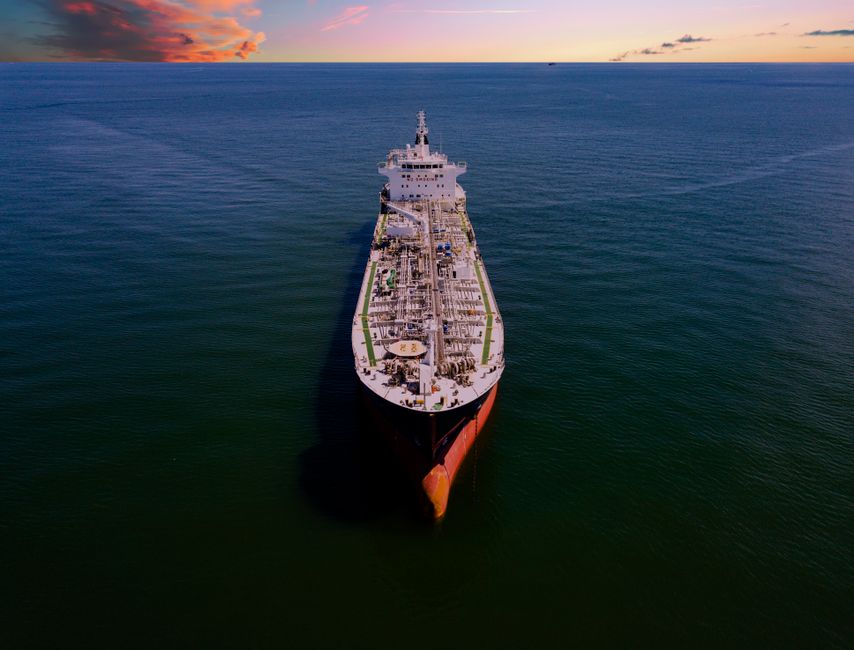
US forces have carried out new strikes on multiple Iranian oil tankers near Kharg Island in the Persian Gulf, marking a sharp escalation in the confrontation between Washington and Tehran. Iranian-linked forces have also attacked US Navy vessels, raising regional fears over shipping safety and energy supplies.[1][6][12] The incident comes alongside expanded US sanctions on Iranian airlines and a broader campaign targeting Iran’s economic networks.[1][6][8][12]
Breaking
/
AS-0835
/
Global
/
19:00
The most significant breaking story is the sharp escalation between the United States and Iran, after U.S. forces reportedly struck five Iranian oil tankers and Washington announced new Iran-related sanctions. Iranian officials have threatened Gulf shipping in response, raising the risk of a wider regional crisis and disruption to global energy markets.
Breaking
/
AS-0829
/
Global
/
14:00
The United States has reportedly sunk an Iranian oil tanker near Kharg Island, prompting Iran’s Revolutionary Guard to launch a retaliatory missile attack on a US base in Jordan. The exchange marks a sharp escalation in tensions tied to the wider Middle East conflict and raises fears of a broader regional confrontation.
Breaking
/
AS-0824
/
Global
/
10:30
The most consequential breaking story right now is the sharp escalation between the United States and Iran, with reports of U.S. strikes on Iranian tankers and new Iranian threats against Gulf oil vessels. This carries immediate global implications because it could disrupt oil flows through a critical shipping corridor.
Breaking
/
AS-0815
/
Global
/
02:30
Escalating military confrontation between the United States and Iran has intensified around the Strait of Hormuz, with US forces striking Iranian-linked assets and Iran launching attacks on US targets. The clash is driving fears of a wider regional war and threatening global oil supplies and trade routes.
Breaking
/
AS-0808
/
Global
/
22:00
The United Kingdom is set to announce sanctions targeting Israeli settlements in the occupied West Bank, including restrictions on related products and services. The move marks a significant policy shift by a key US ally and is already facing strong opposition from both Israel and the United States.
Developing
/
AS-0807
/
Global
/
20:45
The United Kingdom is preparing to impose new restrictions on products and services linked to Israeli settlements in the occupied West Bank, a step opposed by both Israel and the United States.[1][11][13][14] The move, coordinated with several allies, would mark one of the most significant Western policy shifts on the settlements issue in years.[1][11][13][14]
Breaking
/
AS-0771
/
Global
/
19:45
Iran is preparing to announce a new restricted zone around the Strait of Hormuz and to place any ship attempting to transit the area on its sanctions list.[7] The move comes amid already sharply reduced commercial shipping and heightened military tension following recent U.S. and Iranian strikes on tankers.[8]
Breaking
/
AS-0765
/
Global
/
14:45
Iran says it will soon declare a restricted zone outside the Strait of Hormuz and place any ship transiting the area on its sanctions list, sharply escalating tensions in one of the world’s most critical energy chokepoints.[5] Shipping through Hormuz has already fallen to its lowest level in months after recent U.S. and Iranian strikes on tankers raised risks for commercial vessels.[7] The moves raise global concerns over oil supply security and the potential for wider regional confrontation.
Developing
/
AS-0757
/
Global
/
10:01
Iranian officials say they will soon declare a restricted zone outside the Strait of Hormuz, placing any ship that transits the area on Tehran’s sanctions list.[7] The announcement comes after days of U.S. and Iranian strikes and harassment targeting oil tankers, sharply reducing commercial shipping traffic through one of the world’s most critical energy chokepoints.[3][8] The move raises fears of a wider confrontation and major disruption to global oil supplies.[7][8]
Breaking
/
AS-0681
/
Global
/
00:45
The most critical global story right now is the rapid escalation of **US-Iran military tensions**, with recent US airstrikes in Iran causing multiple civilian casualties and injuries.[3][13] This confrontation is unfolding alongside broader US-led economic pressure on Iran and allied states, raising risks of wider regional conflict.[3][7][10] International actors are closely watching for potential spillover across the Middle East and impacts on global security and energy markets.[3][9][13]
Breaking
/
AS-0680
/
Global
/
00:30
The most consequential breaking story today is the sharp escalation in the **US–Iran military confrontation**, with reported US airstrikes in Iran causing civilian casualties and Tehran targeting US bases in response.[3][9][15] This is unfolding alongside new US-led economic sanctions and growing concern that the confrontation could broaden into a wider regional conflict.[3][7][10][15] Military actions, political rhetoric and sanctions are all developing rapidly, with major powers closely watching the situation.[3][9][15]
Breaking
/
AS-0670
/
Global
/
19:00
The ongoing US military campaign against Iran is intensifying, with Iranian officials reporting at least 18 people killed and over 140 injured in recent American airstrikes. As criticism mounts over a reported strike on an Iranian wedding party, US leaders defend the operations while expanding economic pressure on Tehran.[5][11][13] The confrontation is drawing in allies and adversaries and risks sparking wider regional instability.[5][12][13]
Breaking
/
AS-0669
/
Global
/
17:45
The most urgent global story today is the escalating US-Iran conflict, including reported US airstrikes that have killed at least 18 people and injured over 140 in Iran. This comes as the US and its allies tighten economic pressure on Tehran, raising risks of broader regional destabilization and humanitarian fallout.[3][6][8][9]
Breaking
/
AS-0665
/
Global
/
14:30
The most consequential global story right now is the escalating confrontation between the United States and Iran, combining sustained military strikes with a widening economic offensive. US forces are carrying out airstrikes that Iranian officials say have killed and injured civilians, while Washington and its allies tighten sanctions and rule out talks until Iran halts attacks on commercial shipping.[2][6][8][13] The crisis is reshaping regional security around the Strait of Hormuz and raising risks for global energy markets and wider conflict.[2][8][13]
Breaking
/
AS-0663
/
Global
/
12:45
The most consequential breaking story globally is the escalating confrontation between the United States and Iran, combining military strikes, mounting casualties and sweeping economic measures. US forces have carried out airstrikes that Iranian officials say killed at least 18 people and injured over 140, while Washington and its allies tighten coordinated economic pressure on Tehran.[1][9][11][15]
Breaking
/
AS-0637
/
Global
/
19:00
The United States has carried out heavy strikes on Iranian targets and says it is prepared to launch further attacks at any time, while Iran reports at least 18 dead and over 100 wounded and vows to defend its sovereignty.[3][7] The confrontation is spreading across the Gulf, with Iran-linked drones and missiles targeting Kuwait and Bahrain and Washington warning countries not to help Tehran evade sanctions.[2][3][12] This rapid escalation is raising fears of a broader Middle East war with global economic and security repercussions.
Breaking
/
AS-0556
/
Global
/
08:01
The United States has carried out strikes against Iran, with President Donald Trump vowing further military action after the first tit-for-tat attacks in a month.[2][15] The confrontation is heightening concerns that the long-running standoff could escalate into open regional conflict, threatening stability and global energy supplies via the Strait of Hormuz.[1][2][15]
Breaking
/
AS-0541
/
Global
/
20:01
U.S. forces have carried out fresh strikes on Iranian launchers on Larak Island, marking the first publicly acknowledged American attacks on Iran since a military campaign was paused in late July.[1][4][11][12][14] Iran has responded with fire on U.S. bases in Jordan and threats of further escalation, raising fears of a wider regional conflict and disruption to shipping through the Strait of Hormuz.[1][11][12][14]
End of transmission — refreshing every 60s
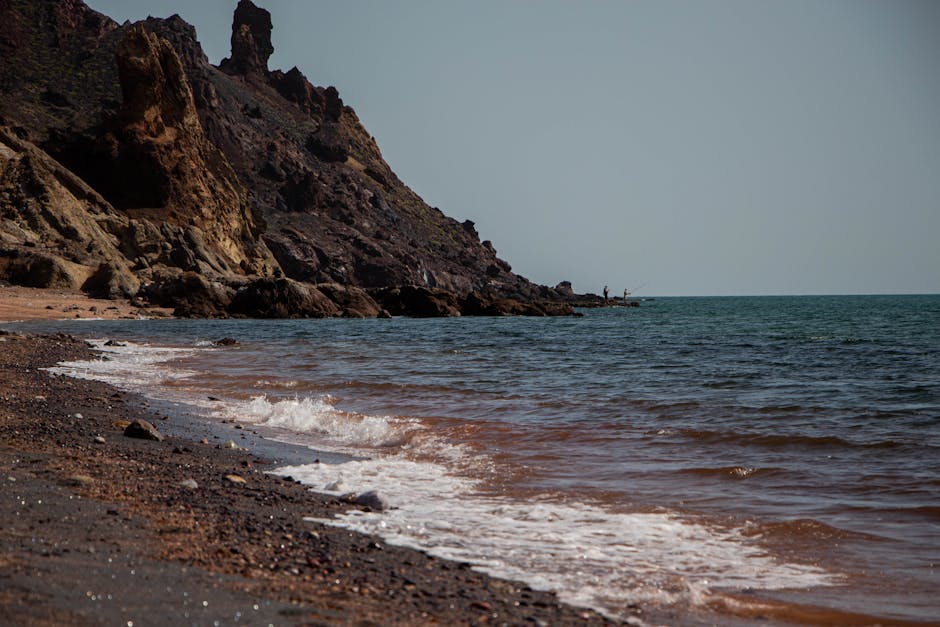 Photo — Melika Hazrati / Pexels