Breaking
/
AS-1412
/
Global
/
08:01
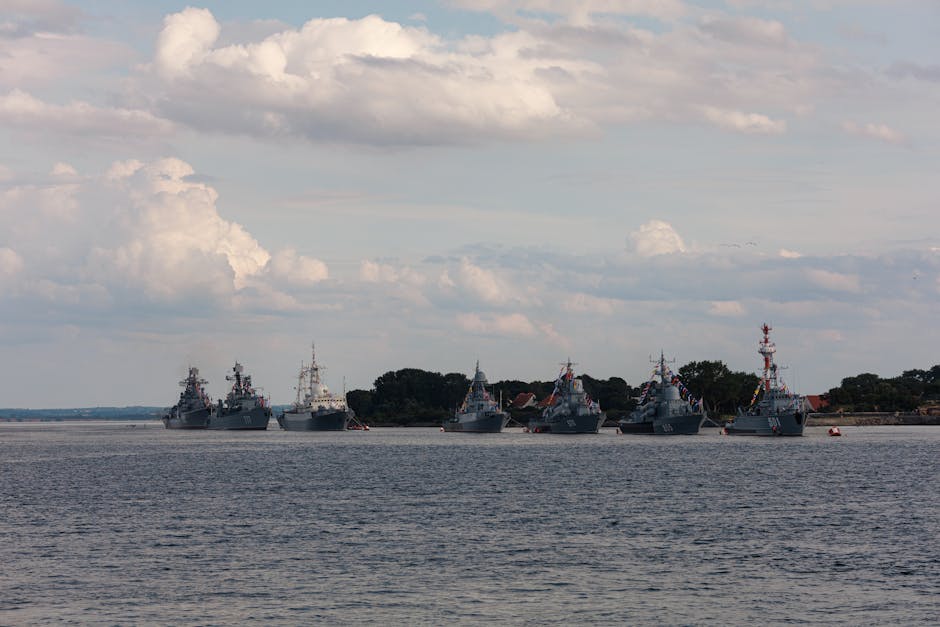
U.S. President Donald Trump rejected Iran’s proposal to reopen the Strait of Hormuz, calling it unacceptable. The dispute raises the risk of prolonged disruption in one of the world’s most important energy corridors and heightens tensions between Washington and Tehran.
Developing
/
AS-1371
/
Global
/
00:30
U.S. President Donald Trump and Chinese President Xi Jinping concluded talks in Washington amid public displays of cooperation, but key details and evidence of substantive agreements remain limited. The meeting is the most consequential current development for global security and the world economy.
Developing
/
AS-1363
/
Global
/
19:45
U.S. President Donald Trump and Chinese President Xi Jinping held high-profile talks in Washington on the U.S.-China relationship, with no major breakthrough reported. The meeting comes amid tariff tensions and a wider period of geopolitical instability, including the war in Ukraine and conflict involving Iran.
Developing
/
AS-1327
/
Global
/
17:45
U.S. President Donald Trump is welcoming Chinese President Xi Jinping to Washington for a state summit focused on trade and diplomatic stability. Reuters reports the meeting is expected to emphasize cooperation publicly while leaving major strategic disagreements unresolved.
Developing
/
AS-1312
/
Global
/
06:45
U.S. President Donald Trump welcomed Chinese President Xi Jinping to Washington for a rare state visit focused on trade, technology, military ties and global conflicts. The talks could shape relations between the world’s two largest economies and test whether recent trade tensions can ease.
Developing
/
AS-1310
/
Global
/
06:01
U.S. President Donald Trump welcomed Chinese President Xi Jinping to Washington for a closely watched state visit focused on trade, technology, artificial intelligence, military ties and global conflicts. The summit is the most consequential diplomatic event currently reported, though major disputes remain unresolved.
Developing
/
AS-1309
/
Global
/
02:45
Chinese President Xi Jinping has arrived in the United States for a state visit hosted by President Donald Trump, with trade, technology, Taiwan and international conflicts expected to dominate talks. The meeting is among the most consequential diplomatic developments reported today because it could affect relations between the world’s two largest economies and broader security crises.
Breaking
/
AS-1308
/
Global
/
02:30
Chinese President Xi Jinping has arrived in the United States for a state visit and talks with President Donald Trump. The meeting is expected to address trade, technology competition and cooperation on major global conflicts.
Breaking
/
AS-1227
/
Global
/
17:30
The most consequential breaking story is the rapidly escalating confrontation between the United States and Iran, including US strikes, Iranian threats of retaliation and UN Security Council divisions over Iran sanctions and monitoring.[3][8][9][10] This standoff has immediate implications for regional war risks, global energy security, and great-power tensions, as Russia and China move to shield Iran diplomatically while Washington signals it is prepared for further military action.[3][8][9][10]
Breaking
/
AS-1213
/
Global
/
06:45
The most prominent breaking international story is the escalating U.S.-China confrontation ahead of high-level talks between Donald Trump and Xi Jinping. Coverage says tariff policy, AI controls, and broader economic fallout are driving the story as markets and governments watch for signals from both sides.
Breaking
/
AS-1169
/
Global
/
22:00
The United States and Denmark have reached a landmark deal granting Washington permanent security control and an expanded military presence in Greenland while barring adversary states from establishing bases there.[10][11][13] The agreement significantly elevates Greenland’s role in Arctic security and is aimed at countering growing Chinese and Russian strategic activity in the region.[10][13]
Breaking
/
AS-1161
/
Global
/
17:30
US President Donald Trump has signed into law a major sanctions package targeting Russia and Iran, clearing the way for tariffs of up to 100% on Russian oil exports to key buyers including India and China. The move escalates economic pressure over Russia’s war in Ukraine and Iran’s role in the Middle East conflict, with immediate implications for global energy prices and trade flows.
Breaking
/
AS-1159
/
Global
/
14:45
US President Donald Trump has signed a sweeping Russia and Iran sanctions bill that could trigger tariffs of up to 100% on Russian oil imports by major buyers including India and China. The move sharply escalates economic pressure on Moscow and Tehran while threatening significant disruption to global energy markets. Key importers now face a choice between higher costs, supply diversification or reduced dependence on Russian crude.[2][6][14]
Breaking
/
AS-1152
/
Global
/
10:30
The United States, Denmark and Greenland have agreed on a deal allowing a significant expansion of the US military presence on Greenland, while blocking rival powers from establishing bases on the strategic Arctic island.[5] Donald Trump announced the agreement, describing it as a way to secure US interests and limit access for adversaries.[5] The move underscores intensifying great-power competition over the Arctic’s military and economic future.[5][11][12]
Breaking
/
AS-1147
/
Global
/
06:45
The most prominent breaking world story available from current reporting is Donald Trump’s announcement of a new U.S.-Denmark deal giving Washington permanent security control over Greenland. Coverage says the arrangement is being framed as a strategic move against rival influence in the Arctic.
Breaking
/
AS-1146
/
Global
/
06:30
US President Donald Trump has signed a major Russia sanctions bill that opens the door to tariffs of up to 100% on Russian oil exports to key buyers including India and China.[1][4][6][13] The move dramatically escalates economic pressure on Moscow while potentially reshaping global energy markets and relations with large emerging economies.[1][4][6][13]
Breaking
/
AS-1145
/
Global
/
06:01
The most prominent breaking world story is U.S. President Donald Trump signing a Russia sanctions bill that could open the door to steep tariffs on countries buying Russian oil, including India and China. The move comes just ahead of a planned Trump-Xi meeting and is already raising major diplomatic and economic concerns.
Breaking
/
AS-1106
/
Global
/
00:00
The most prominent breaking world story in the available reporting is the U.S. move toward sweeping new sanctions on Russia, with additional pressure on major buyers of Russian oil such as China and India. Reuters, Euronews, and other outlets say the measure is tied to broader efforts to squeeze Moscow’s economy and shape the war in Ukraine.
Breaking
/
AS-1101
/
Global
/
20:30
The most significant breaking story in the available reporting is the U.S. House’s approval of a sweeping sanctions package targeting Russia’s economy and Vladimir Putin’s inner circle, with the measure headed to President Donald Trump for signature. The bill also threatens steep tariffs on major buyers of Russian oil, including China and India, making it a major escalation in global economic pressure.[1][3]
Breaking
/
AS-1098
/
Global
/
19:30
The most prominent breaking world story right now is the U.S. push to impose sweeping new sanctions on Russia over the war in Ukraine. Reports say the measure has passed the House and is headed to President Trump, while Russia warns it would make any peace deal harder.
Breaking
/
AS-1096
/
Global
/
17:45
The most consequential breaking world story appears to be the U.S. House’s approval of a sweeping Russia sanctions package, which also threatens tariffs on major buyers of Russian oil such as China and India. Reuters and the Associated Press say the bill has cleared Congress and is headed to Trump for signature, making it a major escalation with broad global economic implications.
Breaking
/
AS-1036
/
Global
/
20:45
The United States has publicly acknowledged for the first time that it has deployed weapons in orbit, confirming a long-suspected militarisation of space. The announcement comes amid growing tensions with China and Russia, both of which have warned that Washington is turning space into a battlefield.[5][10] The disclosure raises urgent questions about arms control, strategic stability and the risk of escalation beyond Earth.[5][10]
Breaking
/
AS-1035
/
Global
/
20:30
The United States has publicly acknowledged for the first time that it has deployed weapons in Earth’s orbit, confirming the existence of offensive space capabilities. Officials say the move is aimed at deterring adversaries such as China and Russia, amid growing concerns over the militarisation of space and strategic competition.[1][2][4][9] The revelation is raising urgent questions about escalation risks, arms control, and the future of existing space treaties.[2][4][9]
Breaking
/
AS-1034
/
Global
/
20:00
The biggest breaking story appears to be the U.S. confirmation that it has arms deployed in orbit, prompting urgent warnings from China and Russia. The development has raised immediate concerns about a new phase of militarization in space.
Breaking
/
AS-1033
/
Global
/
19:45
The United States has publicly acknowledged for the first time that it has weapons deployed in orbit above Earth, a disclosure that has immediately drawn sharp warnings from China and Russia. The move raises fears of a new arena of military competition and has sparked international debate over the weaponisation of space.[2][8]
Breaking
/
AS-1031
/
Global
/
19:00
The United States has for the first time officially acknowledged that it has deployed weapons in orbit above Earth, marking a major shift in global military strategy.[6][7][10] The announcement has alarmed rivals China and Russia, who warn that the move risks turning outer space into a battlefield and accelerating an arms race beyond existing legal frameworks.[6][10]
Breaking
/
AS-1030
/
Global
/
17:45
The United States has publicly acknowledged for the first time that it has weapons deployed in orbit above Earth, marking a major shift in military and strategic policy. The announcement has drawn sharp warnings from Russia and China, who say Washington is turning outer space into a battlefield amid the absence of a comprehensive legal framework governing space weaponization.
Breaking
/
AS-1024
/
Global
/
12:45
The United States has publicly confirmed that it has deployed weapons in space, marking the first official acknowledgment of such on-orbit military capabilities. US officials say the systems are intended to defend American forces, while critics warn the move risks accelerating a new arms race beyond Earth.
Developing
/
AS-0992
/
Global
/
14:00
Chinese President Xi Jinping is urging a significant expansion of economic and political cooperation under a so‑called Greater BRICS framework, aiming to give the bloc a larger role in global governance and finance.[3] The initiative comes as emerging economies seek alternatives to Western‑dominated institutions, potentially reshaping trade, investment flows and geopolitical alignments.[3]
Breaking
/
AS-0872
/
Global
/
20:30
The most prominent breaking world news item available is a deadly cargo ship fire in Qingdao, eastern China, which has left at least 25 people dead according to the latest reports. Other major stories are also developing, including reported Iran-U.S. escalation and conflict in Yemen, but the Qingdao fire is the clearest single verified breaking story in the sources gathered.[13][14]
Breaking
/
AS-0712
/
Global
/
00:03
The most urgent global breaking story is the catastrophic flash floods and mudslides along the Nepal-China border, where the death toll has surpassed 1,300 and thousands remain missing. Rescue and recovery operations are continuing amid severe destruction and major humanitarian needs.
Breaking
/
AS-0708
/
Global
/
20:45
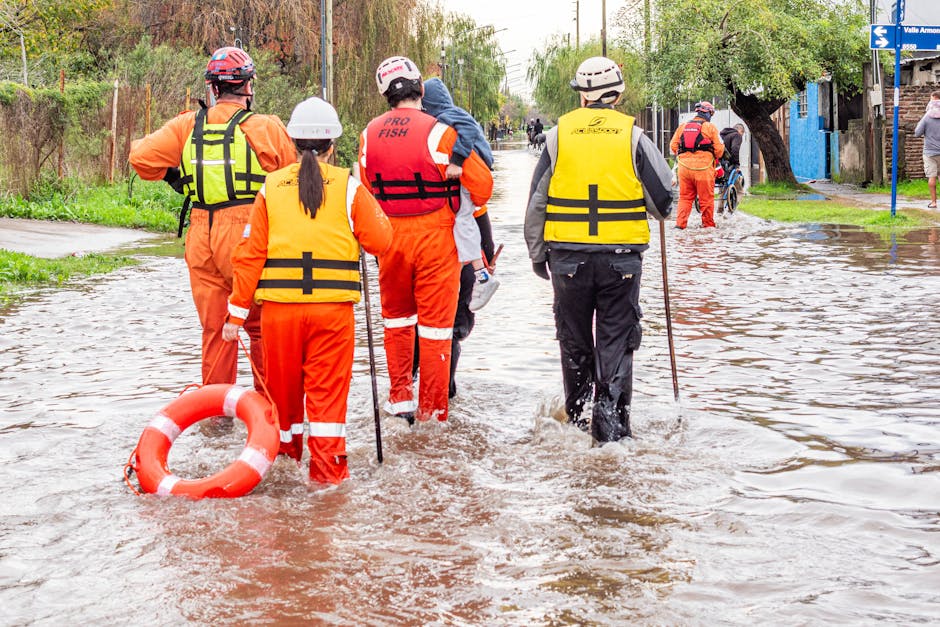
The most urgent global breaking story is the catastrophic floods and mudslides along the Nepal-China border, where authorities are still searching for survivors and the death toll has risen sharply. Rescue teams have pulled people out alive even days after the disaster, but large numbers remain missing and the humanitarian situation is worsening.
Breaking
/
AS-0687
/
Global
/
06:45
The most urgent world story in the available coverage is the devastating Nepal floods, with reports of a rapidly rising death toll and hundreds to thousands still missing. Search results indicate the disaster has caused severe destruction across the Himalayan region and is still unfolding.
Breaking
/
AS-0683
/
Global
/
02:30
Rescuers in Nepal have pulled two workers alive from a hydropower tunnel nine days after catastrophic floods, raising hopes that more trapped workers may still be found. The disaster has devastated towns, swept away villages, and left a dozen others believed missing.
Breaking
/
AS-0679
/
Global
/
00:03
The United States has imposed sweeping new tariffs on imports from Canada, China and Mexico, triggering sharp falls in global stock markets and raising fears of a major trade war.[10] The measures, ordered by President Donald Trump, include additional duties on Canadian energy products and have already rattled investors across Asia, Europe and North America.[10]
Breaking
/
AS-0678
/
Global
/
22:45
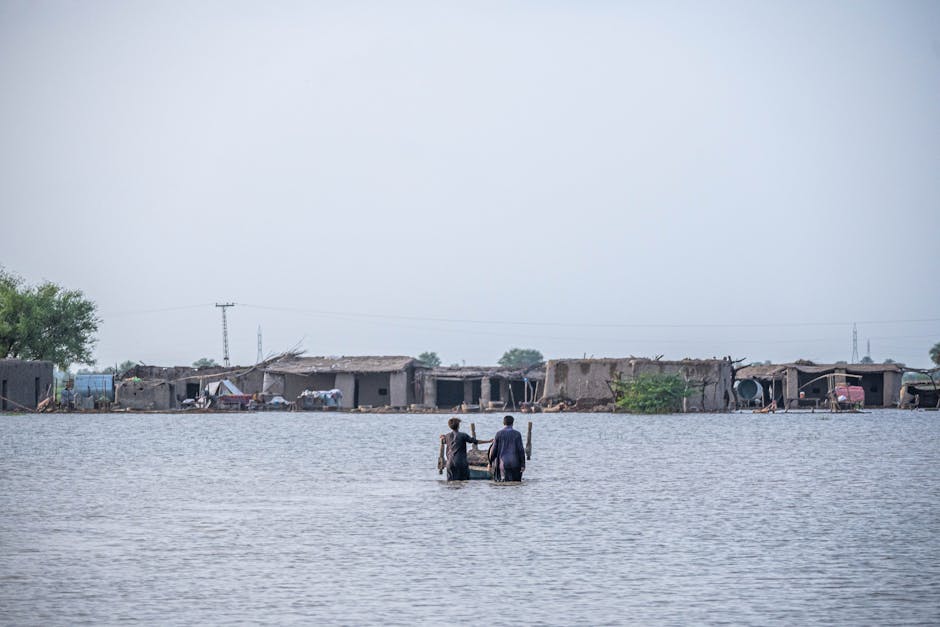
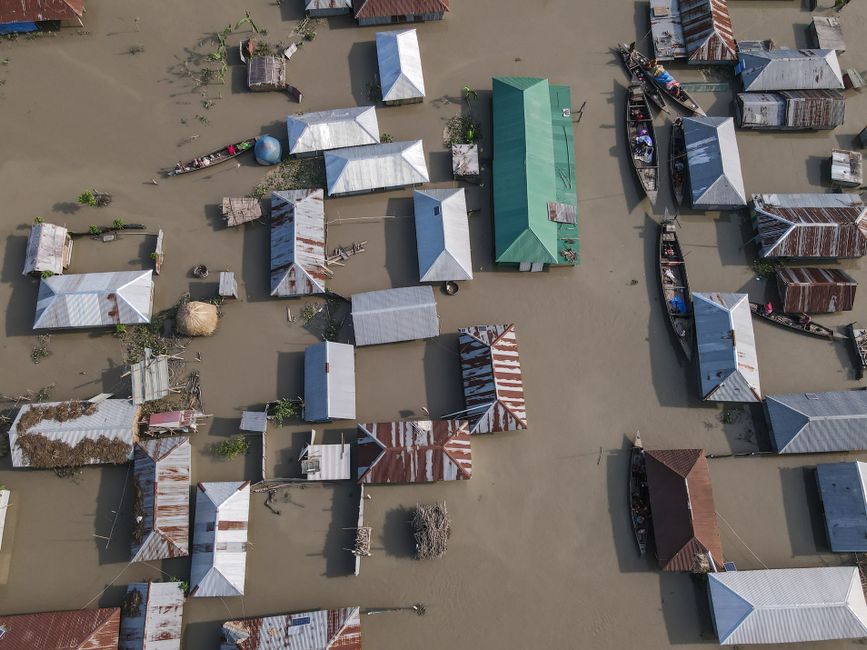
Devastating flash floods in Nepal and China have killed at least 1,280 people, with more than 5,620 still missing as search and rescue operations enter their second week.[2] The scale of the disaster and the prolonged rescue effort make this one of the most severe current global emergencies.[2]
Breaking
/
AS-0677
/
Global
/
22:30
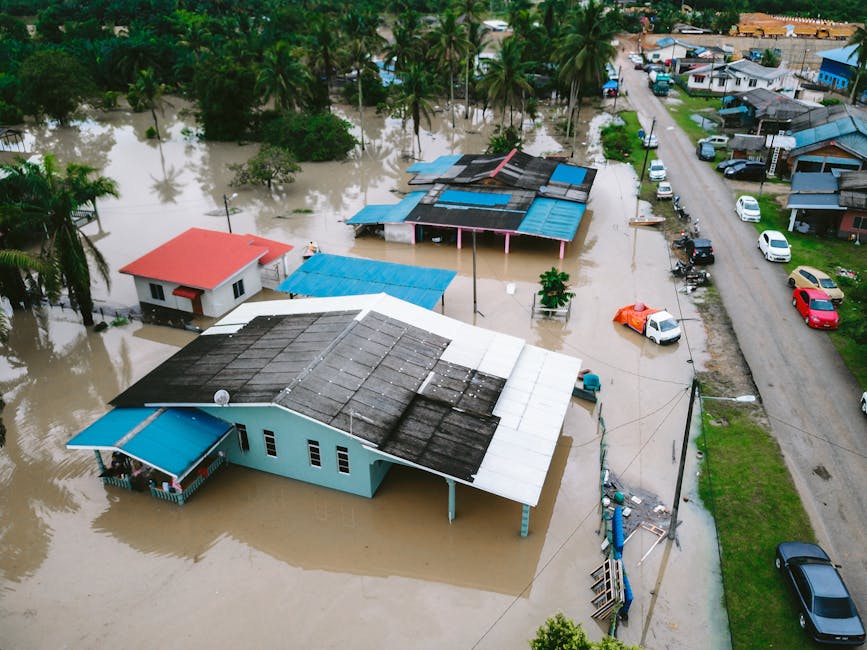
Devastating flash floods in Nepal and China have killed at least 1,280 people and left more than 5,620 missing as search and rescue operations enter a second week.[3] The scale of destruction and the prolonged emergency make this one of the deadliest recent climate-related disasters in Asia.[3][5] Authorities and aid agencies are racing to reach isolated communities while the death toll is expected to rise.[3]
Breaking
/
AS-0675
/
Global
/
20:45
Devastating flash floods across Nepal and China have killed around 1,280 people, with more than 5,600 still missing as search and rescue operations enter a second week.[2][6][13] Authorities report thousands displaced and infrastructure severely damaged, making this the most acute global humanitarian emergency today.[2][6][13]
Breaking
/
AS-0668
/
Global
/
17:30
The most urgent global breaking story is the catastrophic flash flooding in Nepal and China, where the death toll has risen to 1,280 and more than 5,620 people are missing. Rescue operations are still underway a week later, with the disaster also causing major infrastructure damage and humanitarian concern.
Breaking
/
AS-0664
/
Global
/
14:01
Massive flash floods along the Nepal-China border have killed more than 1,200 people and left over 5,000 missing, triggering a large-scale international rescue effort.[1][13][15] The disaster, now entering its second week, has drawn global concern as authorities race to find survivors and assess the long-term impact on Himalayan communities and infrastructure.[1][13][3]
Breaking
/
AS-0662
/
Global
/
12:30
Devastating flash floods along the Nepal–China border have killed more than 1,280 people, with over 5,600 still missing as search and rescue operations enter their second week. The disaster has triggered large-scale international response efforts and raised fresh concerns about climate-driven extreme weather in the Himalayas.
Breaking
/
AS-0661
/
Global
/
12:01
Massive flash floods in Nepal and China have killed at least 1,280 people, with more than 5,620 reported missing as search and rescue operations enter their second week.[1][9][14][15] The disaster has devastated hydropower projects and communities, prompting large-scale emergency responses and raising concerns about extreme weather linked to a strengthening El Nino.[1][4][6]
Breaking
/
AS-0660
/
Global
/
10:45
Massive flash floods on the Nepal-China border have killed more than 1,200 people and left over 5,000 missing, as search and rescue operations enter their second week.[3][4] The disaster has trapped workers in hydropower tunnels and displaced thousands, prompting international assistance and growing concern over the mounting death toll.[3][4][9]
Breaking
/
AS-0659
/
Global
/
10:30
The most severe breaking world story in the available reporting is the catastrophic floods in Nepal and China, where the death toll has risen to 1,280 and more than 5,620 people remain missing. Search and rescue operations are still underway, making this an active humanitarian emergency.[2]
Breaking
/
AS-0658
/
Global
/
10:00
Catastrophic flash floods in Nepal and China have killed at least 1,280 people and left over 5,620 missing as search and rescue operations enter their second week.[3][10][13] Authorities report massive damage to housing, infrastructure, and hydropower projects, with ongoing efforts to locate survivors and assess the full scale of the disaster.[3][10][13]
Breaking
/
AS-0657
/
Global
/
08:45
Catastrophic flash floods in the Himalayan region of Nepal and China have killed at least 1,280 people, with more than 5,600 still missing as search and rescue operations enter their second week.[1][2][5][7][13][15] Authorities report massive damage to hydropower projects and infrastructure, while international teams are deploying to assist overwhelmed local responders.[1][7][13]
Developing
/
AS-0656
/
Global
/
08:30
The UN weather agency warns that the current El Niño is firmly established and expected to strengthen, potentially becoming one of the strongest on record and driving heightened risks of floods, drought and extreme heat into 2027.[1][4][12] Governments and humanitarian agencies are being urged to prepare for severe climate and food-security impacts, as the phenomenon is already linked to extreme events including record Pacific hurricanes and widespread flooding in Nepal and China.[1][8][5]
Breaking
/
AS-0655
/
Global
/
08:01
Record-breaking Himalayan floods along the Nepal–China border have killed well over 1,200 people and left thousands missing and displaced, triggering a major international rescue effort. Authorities are scrambling to find survivors as foreign disaster response teams deploy and regional governments express serious concern over their nationals caught in the disaster.[2][3][4]
Breaking
/
AS-0577
/
Global
/
22:00
Authorities in Nepal report that more than 1,000 people have been killed and over 4,000 are missing after catastrophic flooding and flash floods hit areas of Nepal and neighboring China. Rescue teams are racing to reach survivors as heavy rain and damaged infrastructure hamper relief operations.
Breaking
/
AS-0572
/
Global
/
19:30
Catastrophic flooding in Nepal and parts of China has killed more than 1,000 people and left several thousand missing, triggering a massive international search-and-rescue effort. Authorities are racing to locate survivors, many believed trapped in hydropower tunnels, while overwhelmed local services struggle to manage mass burials and emergency aid.
Breaking
/
AS-0571
/
Global
/
19:01
Massive flash floods and landslides in Nepal and neighboring parts of China have killed more than 1,000 people, with thousands still missing and heavy rain hampering rescue efforts.[1][13][15] Regional and international teams are being deployed as authorities struggle to reach remote mountain areas and damaged hydropower tunnels.[5][10][15]
Breaking
/
AS-0553
/
Global
/
06:01
The most critical breaking story today is the catastrophic flooding and mudslides in Nepal and China that have left over 900 people dead and around 4,000 missing. Authorities are struggling with overwhelmed morgues, unidentified bodies, and a mounting public health crisis, while rescue and recovery operations continue in devastated border regions.[1][8]
Breaking
/
AS-0514
/
Global
/
00:00
Massive flash floods and landslides in Nepal and China's Tibet region have killed at least 675–750 people, with around 2,500–3,000 still missing. Authorities and international agencies warn the disaster is rapidly becoming one of the world's largest humanitarian crises, with more flooding possible in the coming days.[2][7][9][14]
Breaking
/
AS-0513
/
Global
/
22:45
Catastrophic floods and landslides along the Nepal–China (Tibet) border have killed hundreds of people and left thousands missing. Rescue operations are struggling amid rain and fog as authorities warn the toll is likely to rise further.
Breaking
/
AS-0511
/
Global
/
22:00
Massive flash floods and landslides in Nepal and China’s Tibet region have killed around 750–797 people, with more than 2,500–3,000 still missing. Authorities warn the toll is likely to rise and have appealed for urgent international assistance as rescue operations struggle in remote, mountainous areas.
Breaking
/
AS-0508
/
Global
/
20:01
Devastating flash floods and landslides at the Nepal-China border are the most urgent global breaking story, with reported deaths rising to around 750 and more than 3,000 people still missing. Rescue and relief efforts are ongoing, but access and weather conditions are complicating operations.
Breaking
/
AS-0507
/
Global
/
19:45
Devastating flash floods and landslides in Nepal and China’s Tibet region have killed at least 750 people, with more than 3,000 still missing. The disaster is dominating global coverage because of the scale of the death toll, the ongoing rescue effort, and the risk of the number rising further.
Breaking
/
AS-0506
/
Global
/
19:30
A massive flood and landslide on the Nepal–Tibet border have killed hundreds of people and left thousands missing, including foreign nationals from more than 20 countries.[4][11][13] Rescue operations are ongoing on both sides of the Himalayan frontier as authorities struggle with destroyed infrastructure and difficult terrain.[4][11][13] The scale and cross-border impact of the disaster make it the most significant breaking global news story at this time.[4][11][13]
Breaking
/
AS-0505
/
Global
/
19:00
Catastrophic flash floods and landslides across Nepal and China’s Tibet region have killed around 750–800 people, with more than 3,000 still missing. Authorities warn the toll is likely to rise as rescue teams struggle to reach isolated mountain communities and critical infrastructure remains heavily damaged.[1][12][14]
End of transmission — refreshing every 60s
 Photo — Melika Hazrati / Pexels