Breaking
/
AS-2939
/
Global
/
12:30
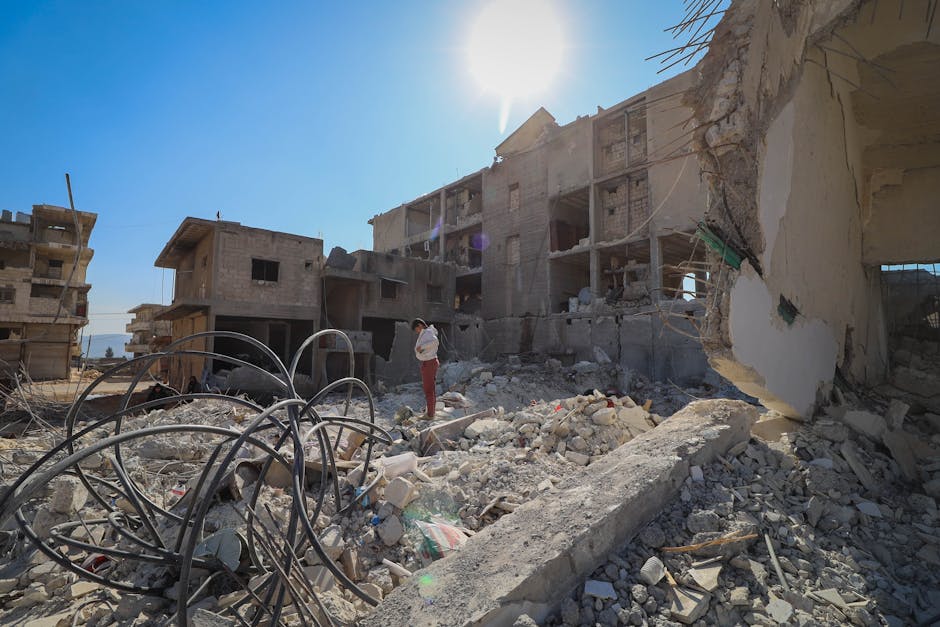
Torrential rain has flooded Gaza, damaging shelters and humanitarian facilities and leaving displaced families exposed. At least four people, including three children, were killed after a collapsed sand embankment crushed tents, while calls grow for Israel to permit more aid.
Breaking
/
AS-2937
/
Global
/
10:45
An Israeli strike on Nasser Hospital in Khan Younis killed at least six people and wounded at least 20, according to Gaza’s civil defence agency. The attack hit the hospital’s surgery department and caused extensive damage.[9]
Breaking
/
AS-2932
/
Global
/
08:01
US and Iranian officials held separate discussions with mediators in a renewed effort to end seven months of war, but talks remain stalled. Iran is pressing for a two-day proposal while Washington has not provided a clear response, raising fears of renewed military escalation.
Developing
/
AS-2880
/
Global
/
17:45
U.S. President Donald Trump said the war in Iran is “effectively over,” while Tehran denied that planned talks had been agreed. The statement could signal a pause in hostilities but leaves the conflict’s diplomatic and military future uncertain.
Breaking
/
AS-2821
/
Global
/
22:01
Iran’s Islamic Revolutionary Guard Corps has warned of a “devastating response” to a reported U.S.-Israeli attack, while Washington and Tehran reported shipping incidents in or near the Strait of Hormuz. President Donald Trump said he was highly unlikely to order further strikes if talks to end the conflict continue.
Breaking
/
AS-2806
/
Global
/
12:01
The United States says it disabled a commercial cargo vessel in the Gulf of Oman after the crew allegedly ignored warnings and attempted to breach a naval blockade against Iran. Washington is also forming a task force to disrupt Iranian weapons and sanctioned-material supply routes, raising the risk of a wider regional conflict.
Breaking
/
AS-2726
/
Global
/
00:30
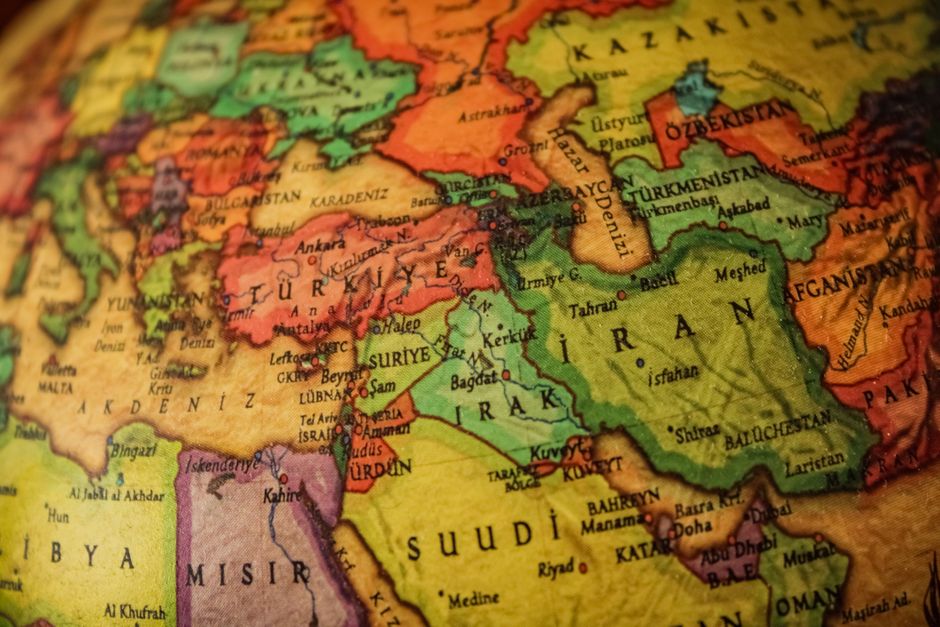
The Iran war is driving the most consequential global developments, with tensions around the Strait of Hormuz disrupting maritime traffic and raising risks to energy supplies. Iran reported fires involving two oil tankers and a tugboat after alleged unauthorized attempts to navigate the strait, while the United States imposed additional sanctions tied to Tehran’s oil revenues.
Developing
/
AS-2705
/
Global
/
10:30
Democrats’ sweeping US midterm victory has reshaped expectations for the eight-month US-Israeli war with Iran, sending oil prices sharply lower and intensifying pressure on President Donald Trump to pursue negotiations. The market reaction reflects growing hopes that the election result could reduce the risk of further escalation.[1][5]
Breaking
/
AS-2704
/
Global
/
10:01
Democrats have won control of both chambers of the US Congress, creating a new political reality for President Donald Trump. The result is drawing international attention because voters cited the Iran war and higher fuel prices among factors behind the Republican defeat.
Developing
/
AS-2698
/
Global
/
06:01
Democrats won control of the House and Senate in a sweeping midterm-election upset, delivering a major rebuke to President Donald Trump. The result could reshape the US legislative agenda and foreign policy, including aid for Ukraine and policy toward Iran and Israel.
Breaking
/
AS-2694
/
Global
/
00:45
Democrats have taken control of Congress in the 2026 midterm elections, dealing President Donald Trump a major political setback. The result could reshape US policy on the Iran war, Israel aid and other international issues.
Developing
/
AS-2691
/
Global
/
22:45
Democrats are projected to take control of the U.S. House and Congress after major gains in the 2026 midterm elections, delivering a significant political setback to President Donald Trump.[8][9] The result could reshape congressional oversight, U.S. foreign policy, and debates over the administration’s wars and military aid.[6][7]
Developing
/
AS-2682
/
Global
/
17:45
Iran is using guerrilla tactics to disrupt oil flows through the Strait of Hormuz as negotiations with the United States remain deadlocked. The crisis is intensifying after Washington signaled major changes to military aid for Israel, raising the risk of a wider Middle East confrontation.
Breaking
/
AS-2680
/
Global
/
17:01
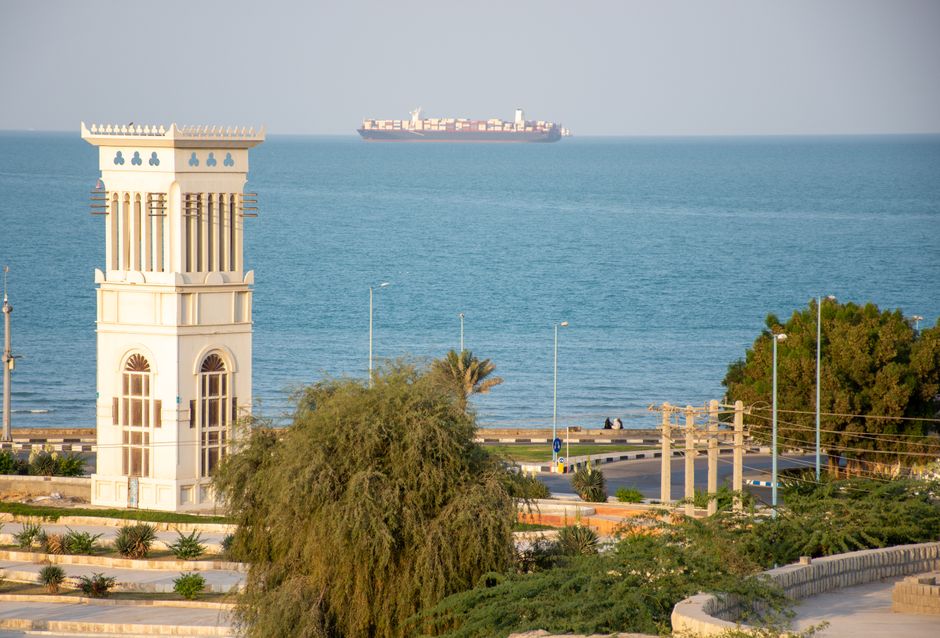
Reports say the United States conducted limited strikes on Iran’s Qeshm Island after Iranian surface-to-air missiles targeted U.S. aircraft. The action has intensified fears that negotiations could collapse and that regional hostilities may widen.
Breaking
/
AS-2663
/
Global
/
02:30
The United States reportedly launched a surprise attack on Iran’s Qeshm Island in the Strait of Hormuz, sharply escalating tensions in a strategically vital waterway. Iran’s military chief warned that Iranian forces would respond immediately to threats from the United States or Israel, while diplomatic efforts appear stalled.
Breaking
/
AS-2658
/
Global
/
22:45
The United States has conducted strikes on Iranian targets in the Strait of Hormuz, prompting Iran’s chief negotiator to warn Washington it must act to prevent a renewed war. The escalation comes amid fragile mediation efforts and growing risks to commercial shipping and global energy supplies.
Breaking
/
AS-2651
/
Global
/
19:30
The United States has carried out strikes on Iran’s Qeshm Island, according to U.S. officials cited in multiple reports. The action comes as Washington and Tehran remain publicly engaged in diplomacy, while the Strait of Hormuz faces mounting security threats.
Breaking
/
AS-2649
/
Global
/
17:45
The United States has struck Iranian targets in and around the Strait of Hormuz, while Iran warns Washington it must act to prevent renewed war. Indirect talks mediated by Qatar have produced revised proposals but no breakthrough, leaving the strategic waterway and wider Middle East at acute risk.
Breaking
/
AS-2637
/
Global
/
08:45
The United States has carried out limited defensive strikes against Iranian targets, including on Qeshm Island and near the Strait of Hormuz, while indirect negotiations remain deadlocked.[1][5][7] Regional allies are preparing for possible further attacks, raising the risk of a wider Middle East conflict.[5][7]
Developing
/
AS-2630
/
Global
/
02:30
Fears are mounting that the Iran conflict could resume after the US midterm elections, as negotiations in Doha ended without a breakthrough. Tehran’s position on the Strait of Hormuz and possible US or Israeli military action remain central to the escalating regional crisis.
Developing
/
AS-2624
/
Global
/
22:30
Iranian and US negotiators are working toward a proposal that could end the war and reopen the Strait of Hormuz, while tensions remain high. Iran’s delegation has left Qatar, and further talks are still under discussion.
Breaking
/
AS-2621
/
Global
/
20:30
Iran says it could reopen the Strait of Hormuz within two days and resume nuclear talks with the United States if Washington meets its conditions. The proposal comes as regional tensions rise and concerns grow that the U.S. and Israel could return to full-scale conflict with Iran after the U.S. midterm elections.[4][7]
Developing
/
AS-2618
/
Global
/
19:30
Israel is pressing the United States to attack Iran after midterm elections, while Washington continues pursuing negotiations. The standoff risks renewed hostilities affecting the Gulf, energy markets and regional security.
Breaking
/
AS-2615
/
Global
/
17:30
Iran says it plans to reopen the Strait of Hormuz within two days while resuming nuclear negotiations with the United States. The development comes amid heightened regional tensions, Israeli pressure for military action, and renewed fighting affecting Yemen and Gaza.
Developing
/
AS-2609
/
Global
/
12:30
The Middle East is edging toward a potential return to full-scale war as Washington and Israel consider military action against Iran. Tehran says diplomatic messaging with the United States continues, with negotiations focused partly on the Strait of Hormuz.[4]
Breaking
/
AS-2605
/
Global
/
10:01
The US-Israel war with Iran remains the most consequential global story, with diplomatic efforts continuing as attacks threaten civilian mariners and energy routes in the Persian Gulf. Iranian negotiators have held talks with Qatar, while oil prices fell as markets assessed prospects for a ceasefire and reopening the Strait of Hormuz.[6][8][10]
Developing
/
AS-2604
/
Global
/
08:45
President Donald Trump is prioritizing diplomatic engagement with Iran despite pressure from Israeli Prime Minister Benjamin Netanyahu for military strikes after the US midterm elections. Iranian negotiators were reported in Doha for talks with Qatari mediators aimed at ending the conflict, making the standoff the most consequential developing international crisis in current coverage.
Developing
/
AS-2598
/
Global
/
02:45
U.S. President Donald Trump said the United States may need to use force against Iran, while reports indicated he discussed possible expanded combat operations with Israeli Prime Minister Benjamin Netanyahu. The development raises the risk of a broader regional conflict.
Breaking
/
AS-2595
/
Global
/
00:45
Iranian negotiators are in Doha for a third consecutive day of talks with Qatari mediators aimed at ending the US-Israeli war on Iran.[1] The diplomatic effort comes as the conflict disrupts energy flows and raises fears of wider regional escalation.
Developing
/
AS-2592
/
Global
/
22:45
Iran’s supreme leader has threatened an immediate response without geographic limits if Israel or the United States attacks, while diplomatic efforts continue to avert renewed full-scale conflict. U.S. and Israeli leaders are weighing whether to intensify operations against Iran, according to reports cited in current world coverage.
Breaking
/
AS-2591
/
Global
/
22:30
Iranian negotiators are in Doha for a third consecutive day of talks with Qatari mediators aimed at ending the US-Israeli war on Iran. The negotiations come amid concern that fighting could intensify after the November 3 US midterm elections.
Developing
/
AS-2559
/
Global
/
22:45
Iran’s supreme leader and army warned that any new U.S. or Israeli attack could trigger a geographically unrestricted response and expand the conflict. The warnings come as Washington weighs further strikes and diplomatic efforts involving Iran and Qatar continue.
Breaking
/
AS-2557
/
Global
/
22:01
Iran’s supreme leader has warned that any attack by the United States or Israel would trigger an immediate response with no geographic limits. The threat comes as reporting details extensive damage to U.S. bases and growing fears of a wider Middle East war.
Breaking
/
AS-2555
/
Global
/
20:30
Iran’s supreme leader warned that any attack by the United States or Israel would trigger an immediate response with no geographic limits. The warning comes amid heightened regional tensions and reports of intensive Iran-Qatar negotiations.
Breaking
/
AS-2552
/
Global
/
19:30
Iran’s army warned that any further US attack would broaden the conflict, amid threats of additional military action by Washington and Israel. The warning comes as Tehran and Qatar reportedly conducted marathon negotiations aimed at restoring direct US-Iran talks.[10][3]
Breaking
/
AS-2546
/
Global
/
14:30
Iran’s leader has threatened an immediate response to any potential attack, intensifying fears of a wider Middle East conflict. Regional officials are warning that further escalation could produce more destructive consequences across the region.
Breaking
/
AS-2516
/
Global
/
17:30
A tanker was attacked with explosive devices attached by a small boat in the Strait of Hormuz, according to the UKMTO. The incident highlights escalating risks to one of the world’s most important oil-shipping routes amid the continuing US-Israeli war with Iran.
Breaking
/
AS-2506
/
Global
/
10:01
A tanker was attacked with explosives attached by a small boat while transiting the Strait of Hormuz, temporarily disabling the vessel. The incident is intensifying concern over energy supplies amid the continuing US-Israeli war on Iran.
Breaking
/
AS-2503
/
Global
/
08:01
A tanker was hit by explosive devices attached by a small boat in the Strait of Hormuz, according to the UKMTO, as the US-Israeli war with Iran enters its eighth month. Oil prices rose, putting crude on course for a fourth consecutive monthly gain.[1]
Developing
/
AS-2447
/
Global
/
14:30
Israel’s parliamentary election remains too close to call, with Prime Minister Benjamin Netanyahu’s bloc leading but short of a governing majority. The result could determine Israel’s political direction amid ongoing regional tensions and conflict.[1][4]
Developing
/
AS-2445
/
Global
/
12:45
Israel’s national election has produced no clear winner, with Prime Minister Benjamin Netanyahu’s bloc projected to fall short of the 61-seat majority needed to form a government. Arab parties may hold the balance of power as coalition negotiations begin.[1][2]
Developing
/
AS-2444
/
Global
/
12:30
The United States is reportedly considering resuming attacks on Iran after next week’s US midterm elections, while Tehran has prepared potential retaliation against Gulf undersea cables. Qatar has presented Iran with a draft agreement aimed at ending the conflict, but no settlement has been reached.
Developing
/
AS-2443
/
Global
/
12:01
Israel’s pivotal election appears deadlocked, with Benjamin Netanyahu’s bloc and the opposition led by Gadi Eisenkot both falling short of the 61-seat majority needed to form a government. Arab parties may hold the balance of power in coalition negotiations.[1][2]
Developing
/
AS-2439
/
Global
/
08:45
Israel’s election has produced no clear majority, with Prime Minister Benjamin Netanyahu’s bloc reportedly ahead of the opposition but short of the seats needed to govern. Arab-led parties may become decisive coalition partners, prolonging political uncertainty in a strategically vital region.
Developing
/
AS-2438
/
Global
/
08:30
Israel’s parliamentary election has produced no clear winner, with neither Prime Minister Benjamin Netanyahu’s bloc nor opposition leader Gadi Eisenkot’s bloc projected to reach the 61 seats needed to form a government. With nearly half the vote counted, Netanyahu’s bloc held a narrow projected lead, leaving coalition negotiations and political uncertainty ahead.
Developing
/
AS-2436
/
Global
/
06:45
Israel’s wartime election has produced no clear governing majority, with exit polls showing a narrow advantage for opposition leader Gadi Eisenkot’s bloc over Prime Minister Benjamin Netanyahu’s coalition. Coalition negotiations could determine whether Eisenkot forms a government or Netanyahu remains caretaker prime minister.
Developing
/
AS-2435
/
Global
/
06:30
Exit polls indicate Israeli opposition leader Gadi Eisenkot’s bloc may have narrowly outperformed Prime Minister Benjamin Netanyahu’s coalition, but neither side appears able to form a government alone. The result could trigger prolonged coalition negotiations and create significant uncertainty over Israel’s wartime leadership and policy direction.
Developing
/
AS-2434
/
Global
/
06:01
Israel’s wartime election produced no clear winner, with exit polls indicating that neither Prime Minister Benjamin Netanyahu’s coalition nor the opposition led by Gadi Eisenkot can immediately form a government. The result could trigger prolonged coalition negotiations and leave Netanyahu governing in a caretaker capacity.
Breaking
/
AS-2433
/
Global
/
02:45
Israel’s national election has produced no clear winner, with exit polls suggesting opposition leader Gadi Eisenkot’s bloc is ahead of Prime Minister Benjamin Netanyahu’s coalition. Eisenkot says he will move quickly to form a government, but coalition negotiations could lead to prolonged political uncertainty.
Breaking
/
AS-2432
/
Global
/
02:30
Israel’s election has produced no clear winner, with early projections showing opposition leader Gadi Eisenkot’s bloc ahead of Prime Minister Benjamin Netanyahu’s ruling coalition. Eisenkot says the result reflects a loss of confidence in Netanyahu and pledges to move quickly to form a government.[1][2]
Developing
/
AS-2431
/
Global
/
02:01
Exit polls in Israel project opposition parties ahead of Prime Minister Benjamin Netanyahu’s bloc, but neither side appears to have a clear parliamentary majority. The result could produce a prolonged coalition-building process and uncertainty over Israel’s political direction.
Developing
/
AS-2429
/
Global
/
00:30
Israel’s pivotal general election has ended without a clear winner, raising the prospect of prolonged coalition negotiations. The result could shape the country’s security policy, Gaza strategy and wider regional diplomacy.
Developing
/
AS-2428
/
Global
/
00:03
Israel’s national election has ended without a clear winner, with turnout reportedly exceeding 77% in the country’s first election since the October 7, 2023 Hamas attacks. The result could determine whether Prime Minister Benjamin Netanyahu’s coalition remains in power as regional tensions and threats to shipping continue.[2][7]
Developing
/
AS-2427
/
Global
/
22:45
Iran held talks with Saudi Arabia, Turkey and Pakistan aimed at preventing the Middle East war from reigniting. The discussions followed warnings that hostilities involving Iran, Israel and the United States could resume, making regional de-escalation the most consequential developing story in the available coverage.
Breaking
/
AS-2425
/
Global
/
22:01
Qatar said Iran must show good intentions, stop threatening Gulf states and reopen the Strait of Hormuz for mediation to succeed. The conflict has disrupted shipping and oil supplies, while the Houthis separately claimed an attack on Saudi Arabia’s Ras Tanura refinery, which Riyadh has not confirmed.
Breaking
/
AS-2423
/
Global
/
20:30
Israelis are voting in the country’s first parliamentary election since the Hamas-led attacks of October 7, 2023, with turnout reported at its highest in decades. The election is widely viewed as a referendum on Prime Minister Benjamin Netanyahu and could shape Israel’s policy toward Gaza and the wider region.
Breaking
/
AS-2421
/
Global
/
19:45
Israelis are voting in a national election widely viewed as a referendum on Prime Minister Benjamin Netanyahu’s leadership, the October 7 attacks and the wars that followed. The result could reshape Israel’s domestic politics and influence the region’s security trajectory.
Breaking
/
AS-2419
/
Global
/
19:01
Israelis are voting in the country’s first national election since the October 7 attacks, with Prime Minister Benjamin Netanyahu facing a closely contested race. The result could determine whether Netanyahu remains in power or whether an opposition bloc led by former general Gadi Eisenkot forms the next government.
Developing
/
AS-2418
/
Global
/
17:45
Qatar says Iran must demonstrate good intentions for mediation to succeed, including ending threats against Gulf states and reopening the Strait of Hormuz. The conflict has disrupted shipping and oil supplies, while Houthi forces claim an attack on Saudi Arabia’s Ras Tanura refinery.
Breaking
/
AS-2415
/
Global
/
14:45
Israeli voters are heading to the polls in the country’s first election since the October 7 attacks, with the result potentially determining Benjamin Netanyahu’s political future. The vote comes amid heightened regional tensions and continuing efforts to prevent renewed conflict in the Middle East.
Breaking
/
AS-2404
/
Global
/
08:01
Israelis are voting in the country’s first election since the October 7, 2023 attacks, with Prime Minister Benjamin Netanyahu facing a strong challenge from former military chief Gadi Eisenkot. Neither major bloc is expected to secure a parliamentary majority, raising the prospect of prolonged coalition negotiations.[4][7]
Breaking
/
AS-2399
/
Global
/
02:30
Saudi Arabia, Turkey and Pakistan held talks with Iran aimed at preventing the Middle East conflict from escalating, while fighting and airstrikes continued across Yemen and Syria. The diplomatic effort comes as Israel and the United States signal that renewed action against Iran remains possible.[2][3]
Developing
/
AS-2398
/
Global
/
02:01
Senior officials from Saudi Arabia, Turkey and Pakistan held talks with Iran in Tehran to reduce tensions and prevent hostilities from resuming. The discussions followed warnings from the United States, Iran and Israel that the eight-month regional conflict could reignite.
Breaking
/
AS-2389
/
Global
/
20:00
High-level Saudi, Turkish and Pakistani delegations are meeting in Tehran as the Middle East faces a heightened risk of renewed fighting involving Iran, Israel and the United States. UN Secretary-General António Guterres has urged maximum restraint and diplomatic solutions, while U.S. President Donald Trump warned that a decision on negotiations or renewed attacks is approaching.
Developing
/
AS-2379
/
Global
/
12:45
The Israeli military is pressing ahead with a large-scale operation in the occupied West Bank, making the escalation the most consequential developing international security story in current coverage. The operation comes amid broader regional tensions involving Iran, Yemen’s Houthis and Saudi Arabia.
Breaking
/
AS-2374
/
Global
/
10:01
U.S. forces in the Middle East are reportedly prepared for potentially major operations against Iran if President Donald Trump orders them, according to U.S. officials. Regional delegations are meeting in Tehran amid efforts to prevent renewed fighting involving Iran, Israel and the United States.
Breaking
/
AS-2373
/
Global
/
08:45
Israeli forces are pressing ahead with a large-scale military operation in the occupied West Bank, making it the most consequential immediate security development in current world coverage. The operation risks further escalation, displacement and international condemnation.
Breaking
/
AS-2372
/
Global
/
08:30
The Israeli military is pressing ahead with a large-scale operation in the occupied West Bank, making it the most consequential immediate international security development in current coverage. The escalation risks further casualties, displacement and regional tensions.
Developing
/
AS-2371
/
Global
/
08:01
Israeli forces are pressing ahead with a large-scale military operation in the occupied West Bank, according to the Associated Press. The escalation is the most immediate major conflict development identified in current global coverage.
Breaking
/
AS-2370
/
Global
/
06:45
The Israeli military is pressing ahead with a large-scale operation in the occupied West Bank, making it the most consequential breaking international security story in current coverage. The escalation risks further casualties, displacement and regional tensions.
Breaking
/
AS-2369
/
Global
/
06:30
The Israeli military is pressing ahead with a large-scale operation in the occupied West Bank, making it the most consequential breaking international security development in current coverage. The escalation threatens to deepen regional tensions and increase civilian risks.
Breaking
/
AS-2368
/
Global
/
06:01
The Israeli military is pressing ahead with a major operation in the occupied West Bank, making it the most urgent developing international security story in current coverage. The operation risks escalating violence and worsening an already severe humanitarian and political crisis.
Breaking
/
AS-2365
/
Global
/
02:01
Fears of a broader Middle East conflict are intensifying as the United States weighs possible military action against Iran while Tehran signals it will not change policy. Houthi attacks on Saudi Arabia and diplomatic efforts by Qatar are adding urgency to attempts to prevent escalation.
Breaking
/
AS-2361
/
Global
/
22:45
Israeli forces have launched a large-scale military operation in the occupied West Bank, with troops deployed across several areas and Palestinian families reportedly forced to evacuate in Hebron. The escalation follows the killing of two Israeli soldiers by Palestinian gunmen and comes amid heightened regional tensions ahead of Israel’s parliamentary elections.
Breaking
/
AS-2360
/
Global
/
22:30
U.S. President Donald Trump said Washington could strike Iran as soon as tomorrow or pursue an agreement with Tehran, according to Anadolu Agency. The threat comes amid heightened regional military activity, including claimed Houthi attacks on Saudi airports and energy facilities and elevated Israeli military alert levels.
Breaking
/
AS-2353
/
Global
/
19:00
U.S. President Donald Trump says Washington could strike Iran as soon as tomorrow or pursue a major agreement with Tehran. The possibility of renewed conflict is raising regional tensions, with Israel on its highest alert and Iran-linked forces claiming attacks on Saudi targets.
Developing
/
AS-2352
/
Global
/
17:45
U.S. President Donald Trump said Washington could strike Iran as soon as tomorrow or pursue an agreement, while reports indicate renewed attacks are under consideration. The threat comes amid heightened military activity involving Iran, Saudi Arabia, Yemen’s Houthis and Israel ahead of Israel’s parliamentary election.
Developing
/
AS-2348
/
Global
/
14:30
U.S. President Donald Trump said Washington could strike Iran as soon as tomorrow or pursue a new agreement with Tehran. The warning comes amid reported consideration of renewed attacks and heightened regional tensions involving Israel, Saudi Arabia and Yemen.
Breaking
/
AS-2347
/
Global
/
14:00
U.S. President Donald Trump is weighing a potential strike on Iran or a deal with Tehran, with Washington signaling military action could come as soon as tomorrow. The developments coincide with Houthi claims of missile and drone attacks on Saudi airports and energy infrastructure, raising the risk of wider regional escalation.
Breaking
/
AS-2346
/
Global
/
12:45
U.S. President Donald Trump said Washington could strike Iran as soon as tomorrow, while also suggesting a major agreement with Tehran remains possible. The warning comes amid reported Houthi attacks on Saudi infrastructure and heightened Israeli military alert levels.
Breaking
/
AS-2345
/
Global
/
12:30
U.S. President Donald Trump said Washington could strike Iran as soon as tomorrow while also suggesting a possible agreement with Tehran. The warning comes amid reports that his administration is weighing renewed attacks, raising immediate fears of a wider regional conflict.
Breaking
/
AS-2344
/
Global
/
12:01
U.S. President Donald Trump said Washington could strike Iran as soon as tomorrow or pursue a major agreement with Tehran. The warning comes amid reports of renewed U.S. attack planning and heightened regional tensions involving Iran, Israel, Saudi Arabia and Yemen’s Houthi rebels.
Breaking
/
AS-2343
/
Global
/
10:45
President Donald Trump said the United States could strike Iran as soon as Monday or reach an agreement with Tehran, raising the risk of a major regional escalation. The uncertainty comes amid heightened Israeli military alert levels and reports of missile and drone attacks involving Saudi Arabia.
Developing
/
AS-2342
/
Global
/
10:30
U.S. President Donald Trump said Washington could strike Iran as soon as tomorrow or pursue a deal with Tehran, according to a regional morning briefing. The threat comes amid continuing Saudi-Houthi missile exchanges and heightened Israeli military alert levels, raising the risk of a wider Middle East conflict.
Breaking
/
AS-2341
/
Global
/
10:01
U.S. President Donald Trump said Washington could strike Iran as soon as tomorrow or pursue an agreement with Tehran, according to a regional news briefing. The possibility of renewed U.S. attacks raises the risk of a wider Middle East conflict and disruption to energy security.
Breaking
/
AS-2340
/
Global
/
08:45
The United States and Israel have reportedly drawn up plans for renewed strikes against Iran, while President Donald Trump said Washington could attack as soon as tomorrow or pursue an agreement with Tehran. The prospect has heightened anxiety across Iran and raised the risk of a broader regional conflict.
Breaking
/
AS-2339
/
Global
/
08:30
President Donald Trump said the United States could strike Iran as soon as tomorrow or pursue a major agreement with Tehran, while reports indicate Washington and Israel have prepared plans for renewed attacks.[1][5] The threat comes amid escalating Houthi-Saudi attacks and heightened Israeli military alert levels.[1][3]
Breaking
/
AS-2338
/
Global
/
08:01
The United States and Israel have reportedly drawn up plans for renewed attacks on Iran, while President Donald Trump said Washington could strike as soon as tomorrow or pursue an agreement with Tehran. The threat is raising fears of a wider regional conflict and disruption across the Middle East.[1][2]
Developing
/
AS-2337
/
Global
/
06:45
The United States and Israel are reportedly considering renewed military strikes against Iran, while President Donald Trump says Washington could attack soon or pursue an agreement with Tehran. The threat is raising fears of a wider Middle East conflict involving Iran’s allies and regional energy infrastructure.
Developing
/
AS-2336
/
Global
/
06:30
The United States and Israel have reportedly drawn up plans for renewed strikes against Iran, prompting heightened anxiety among Iranian residents. Tehran has warned that US military ships will not be allowed into the Persian Gulf, raising fears of a broader regional escalation.[3][9]
Breaking
/
AS-2326
/
Global
/
00:03
Israel imposed widespread closures across Hebron in the West Bank after Palestinian gunmen killed two Israeli soldiers. Troops evacuated residents and shut the city’s entrances, raising fears of broader escalation in the region.[1]
Breaking
/
AS-2317
/
Global
/
19:01
Israel has imposed widespread closures and displaced residents in Hebron after Palestinian gunmen killed two Israeli soldiers. The escalation comes amid broader violence across the West Bank and heightened regional tensions.[1]
Breaking
/
AS-2309
/
Global
/
12:30
Tensions are intensifying around Iran, Israel, the United States and the Persian Gulf as Iran warns that U.S. warships will not be allowed near its waters. Increased attacks around the Strait of Hormuz and continuing violence in Yemen and the West Bank are heightening fears of a broader regional conflict.[3]
Breaking
/
AS-2308
/
Global
/
12:01
Iran warned that U.S. warships will not be allowed to enter the Persian Gulf as attacks and tensions around the Strait of Hormuz increase. The confrontation raises the risk of a broader regional conflict involving Iran, the United States and Israel.
Developing
/
AS-2300
/
Global
/
06:30
The United States and Israel are reportedly preparing possible renewed strikes on Iran after the U.S. midterm elections, while Iranian officials have discussed targeting undersea communications cables in the Gulf if attacked. The developments raise the risk of a broader confrontation affecting regional security, shipping and global communications.
Breaking
/
AS-2299
/
Global
/
06:01
President Donald Trump is weighing whether to seek a rapid end to the Iran war or allow the conflict to continue, amid escalating regional tensions. Reports indicate continuing attacks and disruptions involving Iran, Israel, the United States and the Strait of Hormuz.
Breaking
/
AS-2298
/
Global
/
02:45
The Middle East conflict is intensifying as Iran-aligned Houthis launch attacks linked to Saudi Arabia, while Israel tightens security in the West Bank and the United States weighs its next move toward Iran. Rising oil prices and ongoing military actions are increasing concern that the crisis could spread across the region.
Breaking
/
AS-2296
/
Global
/
02:01
US President Donald Trump has warned that further military action against Iran could come soon, while Iran’s Revolutionary Guard has threatened US bases and reported mine strikes damaging two tankers in the Strait of Hormuz. The escalation threatens global energy supplies and raises the risk of a broader regional conflict.
Breaking
/
AS-2292
/
Global
/
22:45
Israel has ordered its army to prepare for a full closure of the West Bank following a deadly shooting in the occupied Palestinian territory. The move risks intensifying tensions and restricting movement across the area.
Breaking
/
AS-2261
/
Global
/
00:30
Iran says seven oil tankers were damaged in the Strait of Hormuz, the largest single-day toll reported since the United States and Israel began their war with Iran. The escalation threatens global energy supplies and raises the risk of a wider regional conflict.
End of transmission — refreshing every 60s
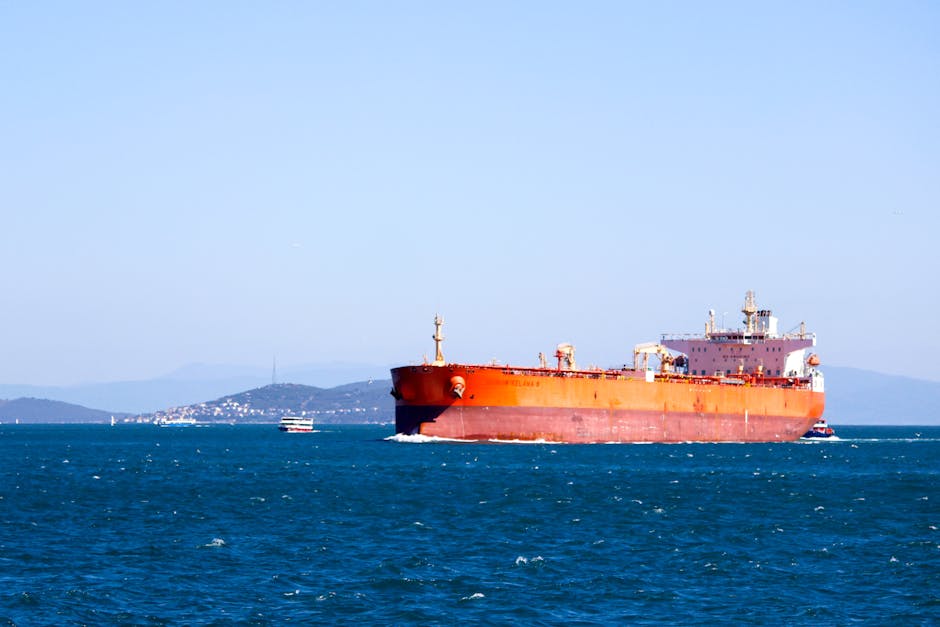
 Photo — Hosny salah / Pexels