Breaking
/
AS-1212
/
Global
/
06:30
Iran has warned the United States and its allies that it will retaliate against any major new attack, saying it has credible intelligence that fresh military action is imminent.[5] The warning comes amid heightened regional tensions, including recent strikes by Yemen’s Iran‑aligned Houthis on Saudi targets that have disrupted energy supplies and maritime traffic.[5] Markets and governments are closely watching for escalation that could further destabilize the Gulf and global oil flows.[2][5]
Developing
/
AS-1211
/
Global
/
06:01
Tensions between the United States and Iran in the Gulf are disrupting traffic through the strategic Strait of Hormuz, a key chokepoint for global oil and commodity flows.[2] About a dozen commodity vessels transited the strait over the weekend, down sharply from 35 the prior weekend, as both sides remain locked in a political and military stalemate.[2] The standoff is unfolding against a backdrop of wider regional instability, including recent Houthi attacks on Saudi targets and threats of further retaliation.[6][7]
Breaking
/
AS-1161
/
Global
/
17:30
US President Donald Trump has signed into law a major sanctions package targeting Russia and Iran, clearing the way for tariffs of up to 100% on Russian oil exports to key buyers including India and China. The move escalates economic pressure over Russia’s war in Ukraine and Iran’s role in the Middle East conflict, with immediate implications for global energy prices and trade flows.
Breaking
/
AS-1141
/
Global
/
00:45
Iran’s Islamic Revolutionary Guard Corps has struck a foreign oil tanker and effectively closed the Strait of Hormuz, sharply disrupting global oil traffic and deepening a wider Middle East confrontation[15][9]. The shutdown of one of the world’s most critical energy chokepoints is driving fears over fuel supplies, market volatility, and potential military escalation involving the US, Saudi Arabia, Yemen’s Houthis and European allies[15][3][9].
Breaking
/
AS-1140
/
Global
/
00:30
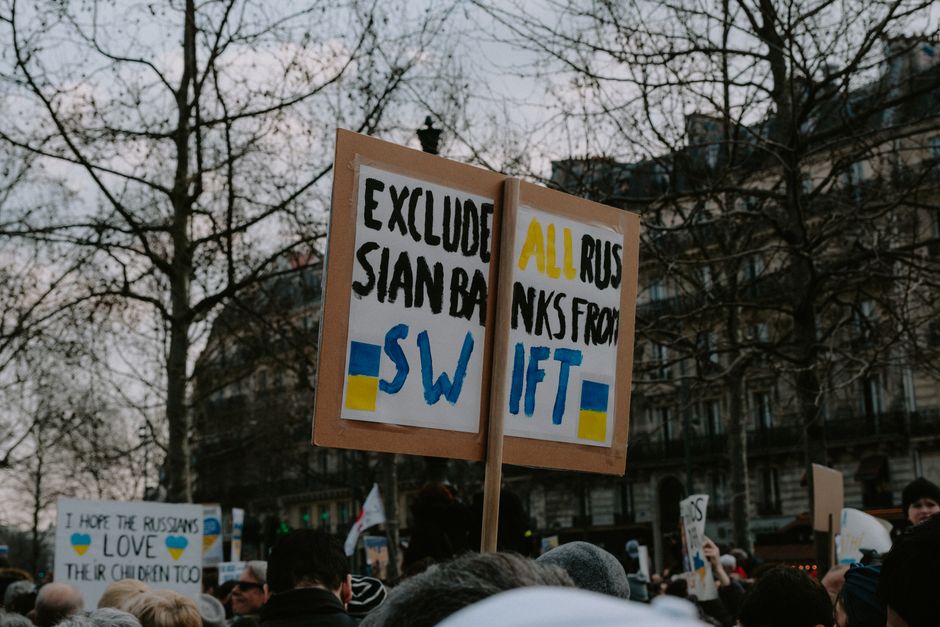
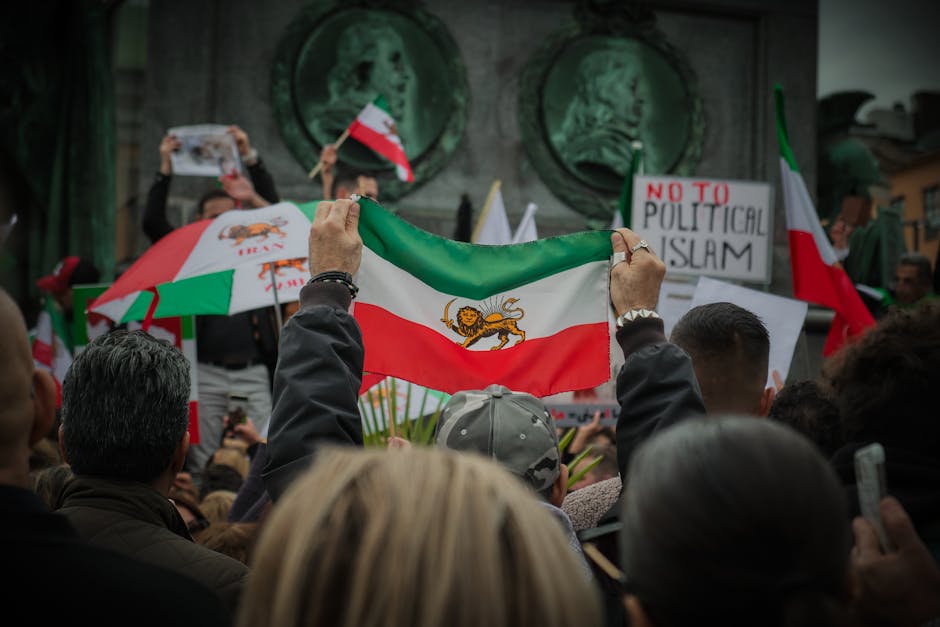
Mass protests are spreading across multiple countries as the US war with Iran fuels skyrocketing energy prices and economic strain.[5][9][12][14] Governments and central banks are scrambling to contain inflation and stabilize markets while the conflict continues to disrupt oil supply routes and broader regional security.[5][9][12][14]
Breaking
/
AS-1137
/
Global
/
22:30
A security incident in the Strait of Hormuz and escalating clashes near Yemen’s Bab al-Mandeb chokepoint are disrupting key maritime routes that handle a major share of global oil and trade.[3][8][12] Governments and markets are increasingly alarmed that prolonged instability in these waterways could sharply worsen the ongoing global energy crisis and inflation pressures.[3][8][12]
Breaking
/
AS-1123
/
Global
/
12:45
Escalating clashes around Yemen and the Bab al-Mandeb Strait, combined with cross‑border strikes between Saudi Arabia and Yemen’s Iran‑backed Houthis, are disrupting a key chokepoint that handles a large share of global maritime trade and oil flows.[5][10] The widening Middle East conflict and major new US arms sales to Saudi Arabia are raising fears of broader regional war and severe impacts on global energy markets.[10][13]
Breaking
/
AS-1118
/
Global
/
10:00
US President Donald Trump says he is approaching a “big decision” on whether to resume major attacks on Iran, as the conflict around the Strait of Hormuz intensifies.[3][10] Iran’s Revolutionary Guard has claimed responsibility for striking a tanker in the strategic waterway, heightening fears over global oil supplies and regional war.[4][7][10]
Breaking
/
AS-1109
/
Global
/
02:00
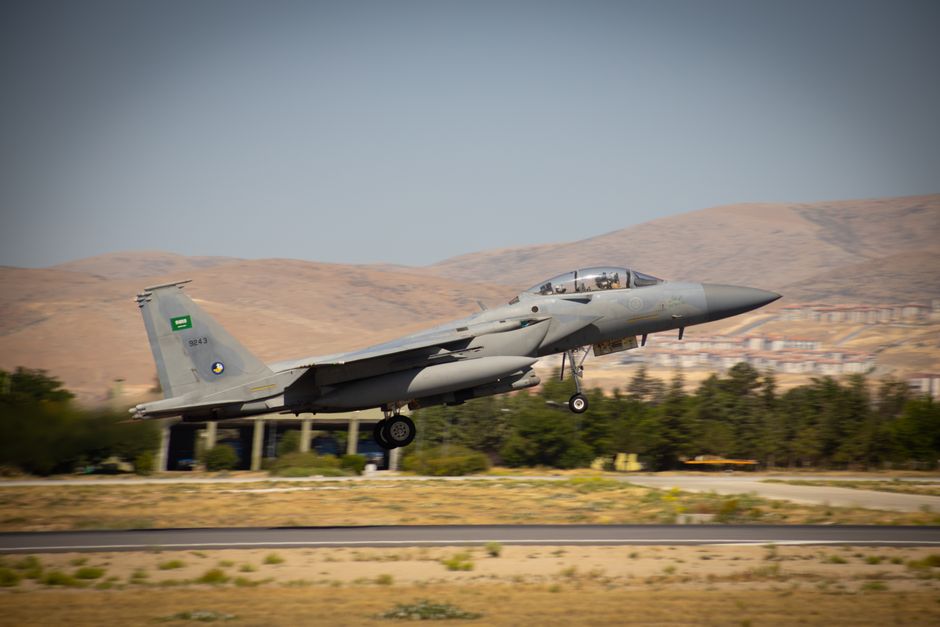
Iran-backed Houthi rebels say they have shot down a Saudi F-15 fighter jet over Yemen and released video of the wreckage, as their rapid military advances deepen regional instability. The escalation is adding pressure on global energy supplies and heightening fears of wider confrontation in the Gulf.
Breaking
/
AS-1067
/
Global
/
20:00
Skyrocketing fuel prices linked to the ongoing US war with Iran are triggering protests and civil unrest in multiple countries, alongside widespread power blackouts. Governments are facing mounting pressure as energy costs soar and supply disruptions deepen, making this the most significant cross-border crisis unfolding right now.[2][5][12]
Breaking
/
AS-1066
/
Global
/
19:45
Protesters are taking to the streets across multiple countries over soaring fuel prices and rolling blackouts, as the protracted US-led war with Iran pushes global energy costs sharply higher.[1][13] The conflict is now estimated to be costing tens of billions of dollars and is disrupting key oil transit routes, deepening concerns over worldwide economic stability.[4][6][15]
Breaking
/
AS-1057
/
Global
/
12:45
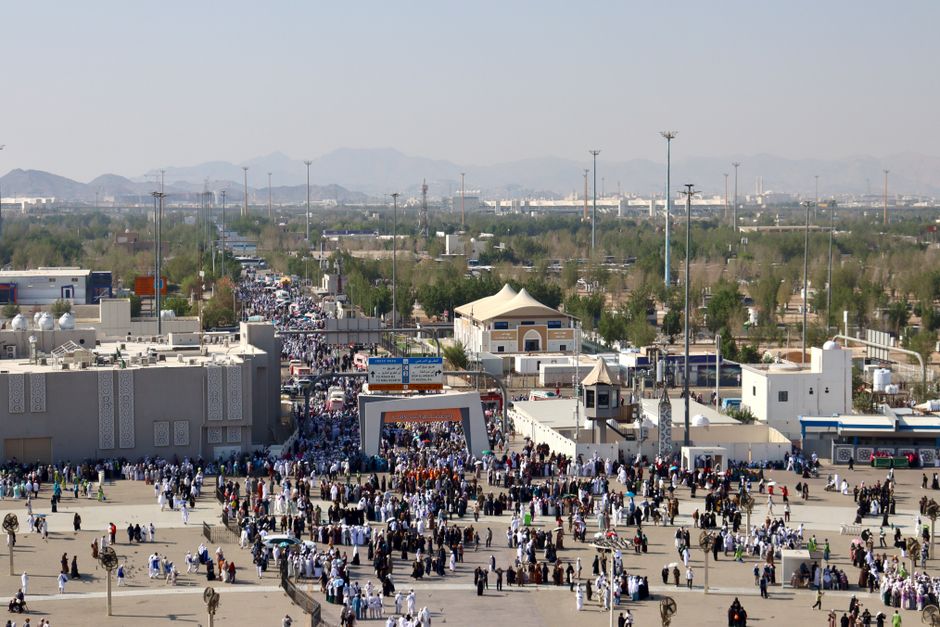
Saudi Arabia’s US-backed military coalition says it has destroyed a Houthi drone south of Mecca before it could enter prohibited airspace over Islam’s holiest city. The incident comes as Iranian-backed forces expand operations and a months-long US–Iran war drives up global fuel prices and heightens regional tensions.[4][14][5] Authorities say the interception prevented a potential strike that could have had enormous religious, political and energy-market repercussions.[4][14][5]
Breaking
/
AS-1054
/
Global
/
10:45
Saudi Arabia has launched a new multinational maritime coalition aimed at securing shipping routes in the Gulf as regional tensions and attacks on vessels escalate. The initiative follows a series of drone and missile incidents and growing disruption to commercial traffic amid the ongoing US-Iran confrontation.[1][2][12][13]
Breaking
/
AS-1042
/
Global
/
00:45
Yemen’s Houthi movement has captured the strategic Red Sea islands of Greater and Lesser Hanish near the Bab al-Mandab chokepoint, raising concerns over disruption to vital global shipping and oil routes.[4][7][8] Gulf states warn that losing secure access to the strait could be catastrophic for energy markets already strained by regional conflicts and pipeline attacks.[1][3][8]
Breaking
/
AS-1028
/
Global
/
17:01
Talks aimed at securing shipping in the Strait of Hormuz have been postponed as Houthi forces intensify attacks on Saudi and regional oil transit routes, driving fresh concerns over global energy supplies.[5][3][4] The disruption risk in one of the world’s most critical chokepoints for oil has heightened market volatility and raised fears of a broader regional escalation involving Iran and Gulf states.[5][3][4]
Breaking
/
AS-1026
/
Global
/
14:30
Iran-Gulf talks on securing shipping in the Strait of Hormuz have been postponed as Houthi forces launch new strikes on Saudi oil transit routes, heightening fears over global energy supplies.[3][6] The disruption at a critical chokepoint for world oil flows is driving concerns about broader regional escalation and economic fallout.[3][6]
Breaking
/
AS-1017
/
Global
/
08:30
The United States has confirmed the deployment of its first **on-orbit space weapon**, described by the Air Force Secretary as necessary to protect US forces from hostile actions in space.[1][8] The disclosure marks a major shift in military use of space and comes as regional conflicts and energy-strategy disputes already strain global security.[1][2][4][8] Analysts warn the move could accelerate an arms race in orbit and complicate existing international norms on the peaceful use of space.[8]
Breaking
/
AS-1015
/
Global
/
06:45
Diplomatic efforts to secure shipping in the Strait of Hormuz have stalled after planned talks between Iran and Gulf states were postponed, while attacks near key oil transit routes escalate concerns over global energy supplies.[8][11][5] The disruption threatens one of the world’s most critical chokepoints for oil and gas, raising risks for global markets and regional security.[8][11]
Breaking
/
AS-1014
/
Global
/
06:30
Key talks between Iran and Gulf states on securing shipping in the Strait of Hormuz have been postponed, while a series of attacks on vital Middle East oil transit routes is raising global alarm over energy supplies.[3][5][15] Saudi Arabia has shut a crucial crude pipeline after drone strikes and reissued danger alerts for multiple southern cities amid rising attacks linked to Yemen’s Houthi forces.[7][5][15]
Breaking
/
AS-1000
/
Global
/
19:45
Oil prices have surged above $108 a barrel after a merchant vessel was struck in the Strait of Hormuz and Saudi Arabia shut a key pipeline that bypasses the waterway. The incidents have renewed fears that critical Middle East energy supply routes could be closing, threatening global markets and energy security.[3][9]
Breaking
/
AS-0999
/
Global
/
19:30
Oil prices have surged above $108 a barrel after a merchant vessel was struck in the Strait of Hormuz and Saudi Arabia shut a key pipeline that bypasses the waterway. The incidents are raising fears over the security of Middle East energy routes and the risk of wider regional escalation.[5][8][12]
Breaking
/
AS-0994
/
Global
/
14:45
Global oil prices have surged past $108 a barrel after a merchant vessel was attacked in the Strait of Hormuz and Saudi Arabia shut its main pipeline that bypasses the key waterway. The incident killed one crew member and renewed fears that vital Middle East energy supply routes could be disrupted.[1] The spike in prices is rippling through financial markets and raising concerns about inflation and energy security worldwide.[1]
Breaking
/
AS-0990
/
Global
/
12:30
A planned meeting between Iran and Gulf states on reopening the **Strait of Hormuz** without US participation has been postponed, heightening concerns over regional stability and global energy supplies.[9][14] The delay comes amid mounting threats around Hormuz, pipeline attacks, Houthi strikes and expanded Iranian attacks on shipping and US targets.[1][10][13]
Developing
/
AS-0988
/
Global
/
10:45
A planned meeting between Iran and several Gulf states on creating a temporary shipping lane through the Strait of Hormuz has been postponed, as regional attacks near key oil transit routes continue. The delay underscores rising fears over global energy supplies and the risk of broader escalation in the Middle East.
Breaking
/
AS-0984
/
Global
/
08:30
The widening Iran-linked conflict across the Middle East has forced Saudi Arabia to shut a critical oil pipeline following drone strikes, while renewed attacks near the Strait of Hormuz are heightening fears over global energy supplies.[11][14][15] Analysts say the disruption now looks less like a brief shock and more like a prolonged test of the world economy’s resilience.[11] Oil markets and governments are bracing for sustained volatility and potential price spikes as the risk to key shipping lanes and infrastructure grows.[11][15]
Breaking
/
AS-0983
/
Global
/
08:00
Saudi Arabia has reportedly launched dozens of airstrikes amid a rising regional conflict, while new reports of attacks on shipping near the Strait of Hormuz are heightening fears over global oil supply. Together with mounting tensions across the Middle East, these developments are driving oil prices higher and raising concerns about broader economic and security fallout.
Breaking
/
AS-0982
/
Global
/
06:45
Reports of new attacks on shipping near the Strait of Hormuz are intensifying concerns over global oil supplies and energy security.[9][15] Oil prices have climbed sharply as regional talks between Iran and Gulf states aimed at easing tensions have been postponed.[9][15] The situation remains highly fluid, with governments and markets closely watching for further escalation.[9][15]
Breaking
/
AS-0981
/
Global
/
06:30
The conflict between the United States and Iran has sharply intensified again, with both sides exchanging new strikes in and around the strategic Strait of Hormuz. The renewed escalation is raising global concern over civilian casualties and the security of a vital artery for world oil shipments.
Breaking
/
AS-0979
/
Global
/
02:45
Fresh attacks on shipping in the Strait of Hormuz and strikes in Saudi Arabia are intensifying the ongoing Iran-US conflict and deepening fears of a wider regional war. These incidents are disrupting oil flows through one of the world’s most critical chokepoints, heightening volatility in global energy markets and raising the risk of direct confrontation among major powers.[3][6][8][13][14]
Breaking
/
AS-0978
/
Global
/
02:30
The United States has carried out additional airstrikes against Islamic Revolutionary Guard Corps targets in Iran, citing recent attempted attacks on commercial shipping in the Strait of Hormuz and on U.S. forces in the region.[13] The escalation deepens the ongoing 2026 Iran war and heightens concerns over global energy security and regional stability.[13]
Breaking
/
AS-0968
/
Global
/
20:00
Maritime trackers received new reports of an attack on a ship in the **Strait of Hormuz**, deepening concerns about threats to global energy supplies amid wider Middle East tensions.[4] The incident compounds earlier disruptions, including Saudi Arabia’s shutdown of a vital oil pipeline after aerial attacks linked to the regional conflict.[4] Authorities and markets are closely watching for escalation that could further destabilize global oil flows.[4][6]
Breaking
/
AS-0959
/
Global
/
14:00
Houthi fighters have captured the Yemeni port of Mocha and nearby Perim Island, effectively locking down the Bab al-Mandeb Strait and halting Saudi Arabia’s oil exports through the Red Sea.[1][5] The move sharply escalates regional tensions and raises the risk of major disruption to global energy markets.[1][5] Experts say the advance could strengthen Iran’s strategy of leveraging higher oil and gas prices to pressure the United States.[8]
Breaking
/
AS-0953
/
Global
/
10:00
Maritime trackers and Iranian officials report a merchant vessel has been struck in the Strait of Hormuz, killing at least one person and injuring several others. The incident is amplifying concerns about Iran-related threats to global energy supplies at a time when regional tensions are already elevated.
Breaking
/
AS-0952
/
Global
/
08:45
Maritime trackers have reported a new attack on a merchant vessel in the Strait of Hormuz, intensifying concerns about threats to global energy supplies. The incident is linked to rising Iran-related tensions in one of the world’s most critical oil shipping lanes.[1][14]
Breaking
/
AS-0932
/
Global
/
19:00
Iran‑aligned Houthi forces are consolidating control over strategic Red Sea waterways, including areas near the Bab al‑Mandab Strait, while Saudi Arabia has shut a crucial East‑West oil pipeline following a drone attack launched from Iraq.[1][4][6][8][15] The escalation is raising urgent concerns over global energy supplies and maritime trade flows through one of the world’s most important shipping routes.[4][6][8]
Breaking
/
AS-0921
/
Global
/
10:01
Iran-aligned Houthi forces have captured a strategic island near the Bab al-Mandab Strait and advanced along Yemen’s Red Sea coast, prompting Saudi Arabia to shut its East-West oil pipeline after an aerial attack. The move opens a dangerous new front in the wider Iran war, sending oil prices sharply higher and raising fears for global shipping and energy markets.[1][2][9][10]
Breaking
/
AS-0919
/
Global
/
08:30
Iran-backed Houthi rebels have taken control of strategic territory and a port city on Yemen’s Red Sea coast, while Saudi Arabia has shut down a crucial crude oil pipeline following drone attacks. These moves sharply raise the threat to global oil shipments and maritime trade through one of the world’s most important chokepoints. The situation is evolving, with regional tensions and energy markets already reacting to the disruption.
Breaking
/
AS-0915
/
Global
/
06:00
Yemen’s Houthi movement has captured Perim Island and advanced along the Red Sea coast near the Bab al-Mandab Strait, a vital chokepoint for global trade and oil shipments.[3][8][9] The move significantly heightens risks to international shipping and Saudi oil exports in one of the world’s most strategic waterways.[1][4][9]
Breaking
/
AS-0911
/
Global
/
00:45
Iran‑backed Houthi forces have routed Yemeni government troops and seized control of Yemen’s entire Red Sea coastline, including the strategic Bab al‑Mandab strait and Perim Island.[2][4][8][10][11][14] The advance raises the risk of a wider escalation in the Iran–US war and a major disruption to global trade routes already strained by attacks near the Strait of Hormuz.[2][6][13][14]
Breaking
/
AS-0897
/
Global
/
14:45
Iranian officials are warning that the Middle East is "on the brink of World War Three" as fighting between Iran and US-aligned forces intensifies. Houthi militants aligned with Iran have seized Yemen’s strategic Perim Island at the mouth of the Bab el-Mandeb Strait after government forces withdrew, heightening fears for global oil flows and regional security.
Breaking
/
AS-0889
/
Global
/
10:01
Armed confrontation between US forces and Iran’s Revolutionary Guard has intensified around the Strait of Hormuz, with Iran’s IRGC claiming it destroyed a US vessel and attacks reported on commercial ships near Oman. The United States is simultaneously asserting greater control over the vital shipping lane as part of a broader war with Iran, sharply raising global security and energy market risks.[6][13][15]
Breaking
/
AS-0878
/
Global
/
00:30
Iran-backed Houthi forces have captured or advanced toward the strategic Yemeni port of Mokha and the Bab el-Mandab Strait, tightening control over a vital global shipping chokepoint.[2][4][8][9] The move raises the risk to Red Sea trade and Saudi oil exports and has prompted emergency consultations at the UN Security Council.[2][4][7][9] Oil prices have already surged above $105 a barrel amid fears the wider Middle East conflict will drag on.[5][7][9]
Breaking
/
AS-0873
/
Global
/
20:45
Iran-backed Houthi forces have captured the strategic Red Sea port city of Mokha in Yemen, tightening their grip on access to the Bab el-Mandeb Strait, a critical global shipping chokepoint.[1][4][5][7][10] The offensive raises fears of a wider regional conflict linked to the Iran war and risks major disruption to international trade and energy markets.[3][8][9][10]
Breaking
/
AS-0853
/
Global
/
08:01
Iran says its forces have attacked more than a dozen vessels attempting to pass through waters around the Strait of Hormuz, expanding a declared no-go zone beyond the strategic waterway it has blocked for months.[10] The escalation has pushed Brent crude prices back above $100 per barrel and intensified pressure on the United States to respond with a counter-blockade of Iranian ports.[10] The confrontation raises immediate risks for global energy supplies, regional security and world financial markets.
Breaking
/
AS-0852
/
Global
/
06:45
Iran has struck more than a dozen vessels near the Strait of Hormuz, widening a declared maritime no-go zone beyond the strategic chokepoint. The escalation has sent Brent crude prices back above $100 per barrel and intensified a confrontation with the United States and other powers.[10][13]
Breaking
/
AS-0834
/
Global
/
17:45
Iran’s Revolutionary Guard and US forces are trading claims of attacks across the region, amid reported strikes on Iranian tankers and alleged missile and drone incidents around Jordan and the Gulf. The confrontation is helping drive Brent crude above $100 a barrel and deepening fears of a wider regional war involving key shipping lanes and energy supplies.[3][5][6][10][13]
Breaking
/
AS-0830
/
Global
/
14:30
Tensions between Iran and the United States have sharply escalated after reported US strikes on Iranian oil tankers near Kharg Island in the Persian Gulf and Iran’s capture of a US submarine drone in the Strait of Hormuz. The spike in hostilities is driving crude prices toward $100 and raising fears of wider conflict and disruption to global energy supplies.
Breaking
/
AS-0827
/
Global
/
12:30
US forces and Iran have carried out strikes and seizures against multiple oil tankers in the Gulf, sharply escalating tensions and driving Brent crude above $100 a barrel.[1][4][15] Iran’s Revolutionary Guards say they captured a US submarine drone in the Strait of Hormuz and issued evacuation warnings for tanker crews in Kuwait and Bahrain, raising fears of a broader regional conflict and global economic shock.[4][8]
Breaking
/
AS-0826
/
Global
/
12:00
The U.S. military has destroyed five Iranian crude oil tankers after missile attacks on an American warship, prompting Iran to retaliate against U.S. warships and a regional base. This rapidly escalating clash in and around the Strait of Hormuz is driving oil prices toward $100 a barrel and raising fears of a wider regional war.
Breaking
/
AS-0823
/
Global
/
10:01
US forces have targeted multiple Iranian oil tankers near Kharg Island, sharply escalating tensions between Washington and Tehran.[3][11] In response or parallel, Iran’s Revolutionary Guard says it has attacked a US base in Jordan and warned tanker crews in Kuwait and Bahrain to evacuate.[10][11] The confrontation is stoking fears over Gulf oil shipping, regional security and global energy prices.[1][3]
Breaking
/
AS-0818
/
Global
/
06:30
US forces have destroyed five Iranian oil tankers amid an escalating confrontation with Tehran, as Iran warns of a 'painful response' to further attacks.[2][6][13][15] The strikes are driving oil prices toward $100 a barrel and raising fears of broader conflict across the Middle East and global energy markets.[13][15]
Breaking
/
AS-0814
/
Global
/
02:01
The United States has carried out strikes on Iranian oil tankers near Iran’s Kharg Island following an attempted attack on US Navy ships, sharply escalating tensions in the Gulf. Iran says it has captured a US sea drone in the Strait of Hormuz and is warning of a ‘painful response’ if it suffers further attacks.
Breaking
/
AS-0811
/
Global
/
00:00
The United States and Iran have conducted reciprocal missile attacks against vessels and U.S. Navy ships in waters around Iran, sharply escalating tensions in the Gulf. The confrontation is driving concerns over regional security and contributing to a surge in global oil prices.[10][9]
Breaking
/
AS-0787
/
Global
/
08:01
The most globally significant breaking story is the sharp escalation in military confrontation between the United States and Iran around the Strait of Hormuz and across several Gulf countries. US forces have launched new strikes on Iranian targets while Tehran has responded with missile and drone attacks in Jordan, Bahrain and Kuwait, alongside threats of further action and contested claims about attacks on US vessels.[13][14]
Breaking
/
AS-0783
/
Global
/
02:45
The United States has carried out additional airstrikes on Islamic Revolutionary Guard Corps targets in Iran amid an ongoing crisis in the Strait of Hormuz linked to the 2026 Iran war.[5] The strikes follow attempted attacks on commercial shipping and US forces, raising global concerns over energy security and regional stability.[5][12] Oil prices are surging as tensions intensify and questions grow over whether Iran can enforce restrictions in the vital waterway.[12]
Breaking
/
AS-0781
/
Global
/
02:01
The United States has carried out strikes on three Iranian oil tankers after reporting that its warships were targeted with ballistic missiles near the Strait of Hormuz.[11] Iran says it plans to declare a new ‘exclusion zone’ in the strategic waterway, sharply escalating tensions in a vital global shipping route.[11] The incident risks widening the ongoing Iran War and driving further volatility in global energy markets.[11]
Breaking
/
AS-0775
/
Global
/
22:00
The United States has carried out additional airstrikes against Islamic Revolutionary Guard Corps targets in Iran, escalating the ongoing Strait of Hormuz crisis. The strikes follow attempted attacks on commercial shipping and U.S. forces in the region, heightening fears of a wider Middle East conflict and global energy disruption.[9][7]
Breaking
/
AS-0774
/
Global
/
20:45
Tensions between the United States and Iran are sharply escalating as Washington strikes Iranian-linked oil tankers and Tehran signals plans for a new exclusion zone near the strategic Strait of Hormuz.[5][4][9] The US denies claims that Iran hit an uncrewed American military vessel, while warning that further attacks could trigger stronger military and economic responses.[5][4] The standoff raises immediate concerns for global oil shipments and regional security.[4][9]
Breaking
/
AS-0771
/
Global
/
19:45
Iran is preparing to announce a new restricted zone around the Strait of Hormuz and to place any ship attempting to transit the area on its sanctions list.[7] The move comes amid already sharply reduced commercial shipping and heightened military tension following recent U.S. and Iranian strikes on tankers.[8]
Breaking
/
AS-0762
/
Global
/
12:45
The most consequential breaking story is the rapidly escalating U.S.–Iran confrontation around the **Strait of Hormuz**, a chokepoint for global oil and gas shipments.[5][6][7][8][10][14] Recent U.S. strikes on Iranian oil tankers, Iranian missile launches toward U.S. warships, and Tehran’s plan to declare a restricted zone and sanction transiting ships have sharply increased the risk of wider conflict and major disruption to world energy markets.[6][7][8][10][14]
Breaking
/
AS-0752
/
Global
/
06:30
US and Iranian forces have exchanged fire on vessels near Iran in the strategic Strait of Hormuz, with the US striking several Iranian oil tankers after Navy warships were targeted with ballistic missiles.[4][7][10] Iran has claimed attacks on US ships while Washington disputes parts of Tehran’s account, raising fears of a wider regional conflict and new shocks to global energy markets.[4][8][10] The confrontation comes amid already heightened Middle East tensions and ongoing conflicts involving Israel, Lebanon and Gaza.[4][10][12]
Breaking
/
AS-0749
/
Global
/
02:30
The United States military has struck three Iranian crude oil tankers after US Navy warships were targeted with ballistic missiles near the Strait of Hormuz. Iran claims to have hit a US-linked vessel and has reportedly launched missiles toward US warships, sharply escalating confrontation in the Gulf region.[2][6][7][9][15] The incident raises fears of a wider regional conflict and disruption to global oil supplies.[2][7][10][15]
Breaking
/
AS-0743
/
Global
/
22:30
US and Iranian forces have exchanged fire against vessels near Iran, striking multiple oil carriers and tankers in and around the Strait of Hormuz.[9][11][14] The confrontation, coming after earlier missile attacks on US Navy warships and American strikes on Iranian oil tankers, has sharply raised tensions in one of the world’s most critical energy chokepoints.[9][11][14] Analysts warn the situation could threaten global oil supplies and widen into a broader regional crisis.[9][14]
Breaking
/
AS-0730
/
Global
/
14:00
US forces have struck multiple Iranian oil tankers after Iran’s Revolutionary Guard launched ballistic missiles toward two US Navy warships near the Strait of Hormuz. The exchange, which damaged tankers but did not hit the US warships, marks a major escalation in already tense relations and threatens stability along one of the world’s most critical energy chokepoints.
Breaking
/
AS-0715
/
Global
/
02:01
The United States military has carried out strikes on three Iranian oil tankers in retaliation for recent missile attacks on American naval vessels. According to multiple outlets, U.S. Central Command reports no American personnel were harmed in the Iranian attacks, but the response marks a sharp escalation in tensions between Washington and Tehran. This confrontation raises the risk of wider regional instability and potential disruption to global energy markets.
Breaking
/
AS-0651
/
Global
/
02:45
The most urgent global story is the rapidly escalating military confrontation between the United States and Iran around the Strait of Hormuz. U.S. forces have struck targets in Iran while Tehran says it is retaliating and expanding attacks on U.S. bases in the Gulf, raising fears of a wider regional war and disruption to global energy supplies.
Breaking
/
AS-0650
/
Global
/
02:30
Iran has launched attacks on US military bases in Kuwait and the United Arab Emirates, vowing revenge for a suspected US airstrike that hit a wedding gathering. The escalation is heightening fears of a wider regional conflict and potential disruption to global oil supplies.
Breaking
/
AS-0646
/
Global
/
00:03
The most critical global story right now is the escalating war between the United States and Iran, with both sides trading fresh strikes and threats around the strategic Strait of Hormuz. President Donald Trump has warned of additional attacks while Iran claims new casualties and fresh mining of Gulf waters, heightening fears of a wider regional conflict.[7][8][9][10][6][5][4] The situation is driving energy market volatility and raising alarms among US allies and international bodies over regional and global security.[6][5][7][8]
Breaking
/
AS-0639
/
Global
/
19:45
Tensions between Iran and the United States are intensifying around the Strait of Hormuz, with President Donald Trump warning of further military strikes and Iran claiming to have laid new naval mines. Recent US attacks have reportedly killed and injured civilians in Iran and drawn in Gulf neighbors through missile and drone exchanges.[4][12][14] The confrontation is reshaping regional security and raising global concerns over energy supplies and broader war escalation.[2][4][12]
Breaking
/
AS-0638
/
Global
/
19:30
The United States has launched new strikes on Iran as Tehran retaliates across the Gulf, with at least 18 people reported killed and over 100 injured in the latest round of attacks. The sudden escalation is drawing global concern over rising civilian casualties and regional stability.[4][5][12] President Donald Trump says Washington is prepared to hit Iran "any time we want," while Iran claims it has laid new mines in the strategic Strait of Hormuz.[4][5]
Breaking
/
AS-0634
/
Global
/
17:01
U.S. President Donald Trump has warned that the American military is prepared to launch further strikes against Iran "any time we want" after a heavy attack that killed at least 18 people and wounded over 100, according to Iranian officials.[6][2] The deepening confrontation is spilling across the Gulf, with Iran accused of targeting U.S. allies and laying new mines in the Strait of Hormuz.[2][3] The crisis is raising fears of a wider regional war and severe disruption to global oil supplies.[2][6]
Breaking
/
AS-0632
/
Global
/
14:30
A sharp escalation of military strikes between the United States and Iran is drawing renewed global concern over civilian casualties and the risk of a broader regional conflict. Recent U.S. assaults have killed at least 18 people in Iran, including civilians at a wedding, as both sides trade threats and limited commitments to an interim deal.[4][8][11]
Breaking
/
AS-0628
/
Global
/
12:01
The United States and Iran have exchanged new rounds of airstrikes, sharply escalating tensions and reviving fears of a broader regional conflict. The latest attacks have drawn scrutiny over civilian casualties and appear to undermine hopes that recent hostilities would remain limited.[6][12][15] Military officials say they are investigating incidents amid growing international concern that miscalculation could trigger a wider war.[6][12][15]
Breaking
/
AS-0621
/
Global
/
06:45
The most urgent global breaking story is the renewed escalation between the United States and Iran, with both sides exchanging attacks after a brief lull. Reuters reports that Washington is threatening further strikes while Iran says civilians were killed and wounded, and multiple major outlets are treating the crisis as the leading international story.[6][13][15]
Breaking
/
AS-0618
/
Global
/
02:45
The United States has launched large-scale airstrikes on Iranian targets, prompting Iran to fire missiles and drones in retaliation. The confrontation marks the most serious escalation in weeks, raising fears for Gulf security and global oil supplies.
Breaking
/
AS-0616
/
Global
/
02:00
The United States and Iran have launched significant new military strikes against each other, ending a brief lull and putting the two countries back on a war footing.[2][9] Iran alleges U.S. attacks killed civilians at a wedding, while Washington threatens further devastating strikes, raising fears of wider regional escalation.[2][9] Oil prices have jumped and global markets are on edge as the confrontation intensifies.[8]
Breaking
/
AS-0612
/
Global
/
22:45
The United States has launched extensive overnight strikes against Iran after what Washington describes as attempted attacks in the Strait of Hormuz and elsewhere. Iran and the U.S. are now back on a war footing, with Iran accusing the U.S. of killing civilians in a strike on a wedding and vowing retaliation. Regional allies are on high alert as fears grow that the confrontation could widen into a broader Middle East war.
Breaking
/
AS-0610
/
Global
/
22:00
U.S. forces have launched new strikes on targets linked to Iran’s Revolutionary Guard, while Iran claims a U.S. missile attack killed several civilians at a wedding and has responded with attacks on Gulf states. The flare-up signals a sharp escalation after a brief lull in hostilities, raising fears of a wider regional conflict and renewed threats to shipping and energy supplies.
Breaking
/
AS-0607
/
Global
/
20:01
The United States has carried out large-scale strikes on multiple targets in Iran, killing and injuring civilians and military personnel, while Iran has responded by attacking US bases and assets across the region.[1][11] The escalation around the Strait of Hormuz and in several Gulf states is sharply raising fears of a wider regional war and major disruption to global oil shipping.[1][6][14]
Breaking
/
AS-0598
/
Global
/
14:00
The United States has carried out large-scale airstrikes on Iranian targets after what Washington describes as attempted attacks on commercial shipping and U.S. personnel. President Donald Trump has warned of further, more powerful strikes as Tehran condemns the moves and reports civilian casualties. The escalation marks a sharp rise in U.S.-Iran hostilities with global implications for regional security and energy markets.
Breaking
/
AS-0595
/
Global
/
12:01
The United States has launched new airstrikes on Iranian military targets near the Strait of Hormuz, prompting Iran’s Revolutionary Guard to fire missiles and drones at US bases in multiple Middle Eastern countries.[1][3][4][11][12][13] The exchange marks the most significant flare-up in weeks, raising fears of a wider regional war and further disruption to global energy markets.[1][3][4][11][12][13]
Breaking
/
AS-0591
/
Global
/
08:45
The United States has launched new strikes on targets in Iran near the Strait of Hormuz, while Iran has responded with missile and drone attacks amid a wider flare-up in hostilities.[2][4][11] The exchange marks the most serious escalation in weeks, raising fears over regional stability and global oil supplies.[2][4][10]
Breaking
/
AS-0585
/
Global
/
02:45
The United States has carried out airstrikes on Iranian rocket launchers near the Strait of Hormuz, the first such military action in several weeks, amid a broader flare-up in US-Iran hostilities.[4][5][10] The strikes follow what US officials describe as Iranian attempts to target commercial shipping and American personnel, raising fears of renewed escalation in a critical global oil chokepoint.[4][5][10]
Breaking
/
AS-0584
/
Global
/
02:30
Tensions between the United States and Iran have sharply escalated after US strikes on Iranian targets and reported Iranian missile responses in the Gulf region. The flare-up follows alleged Iranian attempts to target commercial shipping and US service members near the Strait of Hormuz, prompting new US military action and threats of further retaliation from both sides.
Breaking
/
AS-0583
/
Global
/
02:01
The United States has carried out fresh air strikes on targets linked to Iran’s Revolutionary Guard, sharply escalating already high tensions after earlier lethal attacks. Iranian forces and allied groups have begun retaliatory actions, raising fears of wider regional conflict and renewed pressure on global energy markets.
Breaking
/
AS-0581
/
Global
/
00:30
Escalating tit-for-tat strikes between the United States and Iran in and around the Strait of Hormuz are raising fears of a broader regional war and potential disruption to global oil supplies.[5][7][8] President Trump has promised further strikes after recent exchanges, while Iran says it is ready to return to a June ceasefire deal if Washington does the same.[5][7][10]
Breaking
/
AS-0579
/
Global
/
22:45
The United States has carried out fresh airstrikes on Iranian targets, marking the second such operation in a few days as hostilities escalate around the Strait of Hormuz. The strikes come amid a broader Middle Eastern crisis in which Iran and the U.S. are trading attacks and accusations over naval incidents and drone activity in the region.
Breaking
/
AS-0576
/
Global
/
20:45
The most critical breaking story today is the renewed military confrontation between the United States and Iran around the strategic Strait of Hormuz. US forces have carried out fresh strikes on Iranian minelaying units, and Iran has responded with ballistic missile attacks on US-operated bases in Jordan, raising fears of a wider regional conflict.[6][14][15] This escalation threatens global energy security and shipping routes through one of the world’s most important oil chokepoints.[14][9]
Breaking
/
AS-0569
/
Global
/
17:30
The United States has carried out new strikes on Iranian rocket launchers near the Strait of Hormuz, marking the first US military action against Iran in weeks.[5][13][11] The attacks come amid already high tensions, with President Trump threatening further action and Iran warning of consequences while urging Washington to honor an interim deal.[6][11][15] These developments raise the risk of wider regional conflict and potential disruption to global oil shipments through one of the world’s most critical chokepoints.[4][6][11]
Breaking
/
AS-0561
/
Global
/
10:45
The United States has carried out airstrikes on Iranian rocket launchers and related sites near the Strait of Hormuz, its first known military action against Iran in several weeks.[1][4][7][11] The move follows renewed tensions in the vital shipping corridor and fresh threats from both Washington and Tehran.[3][4][7] Oil prices and global markets are reacting to the escalation amid fears of a wider regional conflict.[7][12]
Breaking
/
AS-0559
/
Global
/
10:00
The United States has carried out strikes on Iranian rocket launchers on or near the Strait of Hormuz, marking the first known US-Iran exchange of fire in several weeks. The action has heightened concerns over a potential wider regional escalation and its impact on global oil supplies.
Breaking
/
AS-0547
/
Global
/
00:04
US forces have carried out strikes on Iranian missile launchers on Larak Island, prompting Iran to retaliate with ballistic missile attacks on US bases in Jordan and drone strikes toward the UAE.[1][2][6][11] The exchange marks the most serious flare-up in weeks and is heightening fears of a broader regional conflict affecting global energy markets.[2][6][10]
Breaking
/
AS-0546
/
Global
/
22:45
The United States and Iran have resumed military attacks against each other for the first time in weeks, including US strikes on Iranian rocket launchers on Larak Island and Iranian retaliation against US forces in the region.[5][13][14] The flare‑up is driving oil prices higher and unsettling global markets as G20 finance officials gather in the US to confront mounting economic risks.[9][12]
Breaking
/
AS-0540
/
Global
/
19:45
US forces have launched new strikes on Iranian rocket launchers at Larak Island in the Strait of Hormuz, prompting retaliatory attacks by Iran on American bases in Jordan.[1][7][8] The flare‑up is part of a broader 2026 Iran war and Strait of Hormuz crisis that is already roiling global energy markets and heightening concerns of a wider regional conflict.[7][8]
Breaking
/
AS-0538
/
Global
/
19:01
The United States has launched fresh strikes on Iranian rocket launchers on Larak Island in the Strait of Hormuz, marking a renewed escalation in the ongoing war with Iran after about a month of relative calm.[6][10][15] Iran has responded with attacks on U.S. military bases in Jordan, raising fears of a broader regional conflict and further disruption to global energy supplies.[6][3]
Breaking
/
AS-0534
/
Global
/
14:45
U.S. forces have carried out strikes on Iranian rocket launchers in the Strait of Hormuz, marking a major escalation in the ongoing Iran war. The action targets launchers used by Iran’s Islamic Revolutionary Guard Corps and comes amid wider regional attacks involving U.S. bases in Jordan and Iranian responses.[8][9][13]
Breaking
/
AS-0533
/
Global
/
14:30
The most urgent global story is the renewed escalation in the **US–Iran conflict**, as American forces launch strikes on Iranian rocket sites in the **Strait of Hormuz** amid a wider regional war. These attacks follow Iranian assaults on US bases in **Jordan** and threats to shipping and energy infrastructure, raising the risk of a broader Middle East confrontation and major disruption to global oil flows.[12][9] The situation remains highly volatile, with governments and markets closely watching for further military action or diplomatic intervention.[12][9]
Breaking
/
AS-0532
/
Global
/
14:01
The most consequential breaking story is the escalating military confrontation between the United States and Iran centered on the Strait of Hormuz. U.S. forces have struck Iranian rocket launchers on Larak Island, prompting Iranian retaliatory attacks on U.S. bases in Jordan and raising global concerns over energy security and wider regional war risks.[6][9][11][12] This marks the first U.S. strikes on Iran in weeks and a sharp uptick in tensions in an already volatile Gulf region.[7][11][12]
End of transmission — refreshing every 60s
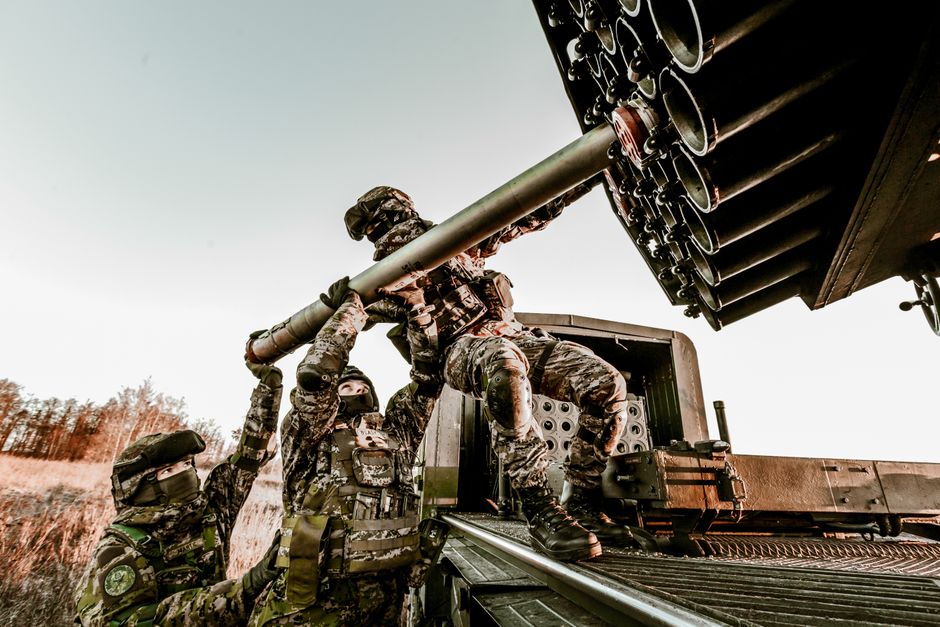
 Photo — Sima Ghaffarzadeh / Pexels