Breaking
/
AS-0990
/
Global
/
12:30
A planned meeting between Iran and Gulf states on reopening the **Strait of Hormuz** without US participation has been postponed, heightening concerns over regional stability and global energy supplies.[9][14] The delay comes amid mounting threats around Hormuz, pipeline attacks, Houthi strikes and expanded Iranian attacks on shipping and US targets.[1][10][13]
Breaking
/
AS-0883
/
Global
/
06:00
An Iranian Revolutionary Guard Corps operation has reportedly destroyed a US vessel in the Strait of Hormuz, with additional commercial ships hit off the coast of Oman, sharply escalating tensions in a critical global energy corridor. The incident follows recent Iranian attacks on US Navy-linked ships and reported US strikes on Iranian oil tankers, raising fears of a broader regional conflict and disruption to oil supplies.
Breaking
/
AS-0842
/
Global
/
22:30
US forces have carried out new strikes on multiple Iranian oil tankers near Kharg Island in the Persian Gulf, marking a sharp escalation in the confrontation between Washington and Tehran. Iranian-linked forces have also attacked US Navy vessels, raising regional fears over shipping safety and energy supplies.[1][6][12] The incident comes alongside expanded US sanctions on Iranian airlines and a broader campaign targeting Iran’s economic networks.[1][6][8][12]
Breaking
/
AS-0835
/
Global
/
19:00
The most significant breaking story is the sharp escalation between the United States and Iran, after U.S. forces reportedly struck five Iranian oil tankers and Washington announced new Iran-related sanctions. Iranian officials have threatened Gulf shipping in response, raising the risk of a wider regional crisis and disruption to global energy markets.
Breaking
/
AS-0834
/
Global
/
17:45
Iran’s Revolutionary Guard and US forces are trading claims of attacks across the region, amid reported strikes on Iranian tankers and alleged missile and drone incidents around Jordan and the Gulf. The confrontation is helping drive Brent crude above $100 a barrel and deepening fears of a wider regional war involving key shipping lanes and energy supplies.[3][5][6][10][13]
Breaking
/
AS-0833
/
Global
/
17:30
The U.S. military says it has destroyed five Iranian crude oil tankers after missile attacks on a U.S. Navy warship, sharply escalating tensions with Tehran and in key shipping lanes. The strikes come as Iran’s Revolutionary Guard expands restricted zones in the Gulf of Oman and Arabian Sea and global oil prices push past $100 a barrel, raising fears of a wider regional conflict and economic shock.
Breaking
/
AS-0831
/
Global
/
14:45
The United States has carried out strikes on Iranian oil tankers near Kharg Island in the Persian Gulf as Iran reportedly targets US-linked vessels, driving global crude prices above $100 a barrel. The confrontation is sharply escalating tensions in the Gulf and raising fears of broader disruption to energy supplies and inflation worldwide.
Breaking
/
AS-0830
/
Global
/
14:30
Tensions between Iran and the United States have sharply escalated after reported US strikes on Iranian oil tankers near Kharg Island in the Persian Gulf and Iran’s capture of a US submarine drone in the Strait of Hormuz. The spike in hostilities is driving crude prices toward $100 and raising fears of wider conflict and disruption to global energy supplies.
Breaking
/
AS-0829
/
Global
/
14:00
The United States has reportedly sunk an Iranian oil tanker near Kharg Island, prompting Iran’s Revolutionary Guard to launch a retaliatory missile attack on a US base in Jordan. The exchange marks a sharp escalation in tensions tied to the wider Middle East conflict and raises fears of a broader regional confrontation.
Breaking
/
AS-0825
/
Global
/
10:45
US and Iranian forces have carried out strikes and vessel seizures targeting oil tankers near the Strait of Hormuz, sharply escalating tensions in the Gulf region.[2][3][12] The confrontation is driving crude prices toward $100 a barrel and raising global concerns over energy supplies and inflation.[2]
Breaking
/
AS-0823
/
Global
/
10:01
US forces have targeted multiple Iranian oil tankers near Kharg Island, sharply escalating tensions between Washington and Tehran.[3][11] In response or parallel, Iran’s Revolutionary Guard says it has attacked a US base in Jordan and warned tanker crews in Kuwait and Bahrain to evacuate.[10][11] The confrontation is stoking fears over Gulf oil shipping, regional security and global energy prices.[1][3]
Breaking
/
AS-0816
/
Global
/
02:45
The most prominent breaking story in the available coverage is a reported U.S. strike on multiple Iranian oil tankers near Kharg Island, escalating tensions between Washington and Tehran. Iranian authorities are threatening Gulf oil vessels in response, raising fears of a wider regional confrontation.
Breaking
/
AS-0793
/
Global
/
12:01
Iran is escalating tensions in the Persian Gulf by vowing to declare a new restricted or 'exclusion' zone and publish maps for an alternative shipping corridor through the Strait of Hormuz, directly challenging U.S. and allied maritime interests.[2][9] This comes amid broader confrontation that includes Iranian missile threats against U.S. warships, Houthi attacks on Saudi targets, and continued disruption to regional shipping lanes.[2][8][10]
Breaking
/
AS-0790
/
Global
/
10:01
Iran is escalating pressure on the United States by threatening to use the Strait of Hormuz as leverage and claiming it fired an advanced missile at a US warship, a claim Washington disputes.[1][11][15] The standoff is raising fears of a wider regional conflict and major disruption to global energy and shipping routes.[1][10][15]
Breaking
/
AS-0789
/
Global
/
08:45
Iran has escalated tensions with the United States in and around the Persian Gulf, including claims of firing an advanced missile at US warships and threatening 'economic warfare' amid ongoing US strikes on Iranian tankers.[1][2][10][11] The standoff is focused on control of shipping through the Strait of Hormuz, where regional states warn of an impending industrial and energy supply crisis if the waterway is not fully reopened.[1][10][11]
Breaking
/
AS-0771
/
Global
/
19:45
Iran is preparing to announce a new restricted zone around the Strait of Hormuz and to place any ship attempting to transit the area on its sanctions list.[7] The move comes amid already sharply reduced commercial shipping and heightened military tension following recent U.S. and Iranian strikes on tankers.[8]
Breaking
/
AS-0765
/
Global
/
14:45
Iran says it will soon declare a restricted zone outside the Strait of Hormuz and place any ship transiting the area on its sanctions list, sharply escalating tensions in one of the world’s most critical energy chokepoints.[5] Shipping through Hormuz has already fallen to its lowest level in months after recent U.S. and Iranian strikes on tankers raised risks for commercial vessels.[7] The moves raise global concerns over oil supply security and the potential for wider regional confrontation.
Developing
/
AS-0757
/
Global
/
10:01
Iranian officials say they will soon declare a restricted zone outside the Strait of Hormuz, placing any ship that transits the area on Tehran’s sanctions list.[7] The announcement comes after days of U.S. and Iranian strikes and harassment targeting oil tankers, sharply reducing commercial shipping traffic through one of the world’s most critical energy chokepoints.[3][8] The move raises fears of a wider confrontation and major disruption to global oil supplies.[7][8]
Breaking
/
AS-0743
/
Global
/
22:30
US and Iranian forces have exchanged fire against vessels near Iran, striking multiple oil carriers and tankers in and around the Strait of Hormuz.[9][11][14] The confrontation, coming after earlier missile attacks on US Navy warships and American strikes on Iranian oil tankers, has sharply raised tensions in one of the world’s most critical energy chokepoints.[9][11][14] Analysts warn the situation could threaten global oil supplies and widen into a broader regional crisis.[9][14]
Breaking
/
AS-0739
/
Global
/
20:00
US forces have carried out strikes on Iranian oil carriers in the Persian Gulf following missile attacks on US Navy ships by Iran’s Islamic Revolutionary Guard Corps. The escalation is drawing global concern over energy security and the risk of a wider regional conflict.
Breaking
/
AS-0735
/
Global
/
17:45
The United States military has carried out strikes on three Iranian oil tankers after US Navy warships were targeted with ballistic missiles in waters near Iran. The Pentagon is warning it is prepared to destroy more of Iran’s limited and exposed oil fleet if necessary, sharply escalating tensions in the Persian Gulf. This confrontation raises immediate risks for regional security and global oil markets.
Breaking
/
AS-0711
/
Global
/
22:45
The US military has struck three Iranian crude oil tankers after Iran’s Islamic Revolutionary Guard Corps launched ballistic missiles toward two US Navy warships near a critical global oil route. The tankers were destroyed or disabled, and the missiles did not hit the US vessels, marking a sharp escalation in tensions between Washington and Tehran.[1][2][3][4] Military officials say the action is intended to impose higher economic costs on Iran and protect American forces in the region.[1][2][4]
Breaking
/
AS-0700
/
Global
/
17:00
U.S. forces have carried out strikes on three Iranian crude oil carriers near Iran’s key oil hub, days after a deadly strike on an Iranian wedding and reported missile launches linked to the Islamic Revolutionary Guard Corps. The incident sharply escalates tensions around the Persian Gulf and Strait of Hormuz, a chokepoint for global energy supplies.
Breaking
/
AS-0648
/
Global
/
00:45
The most urgent global story is the rapidly escalating military confrontation between the United States and Iran, following heavy U.S. strikes inside Iran and Iranian retaliation across the Gulf region.[6][8][9][13] President Donald Trump says the U.S. is prepared to launch further attacks “any time we want,” while Iranian officials report dozens killed and wounded and accuse Washington of war crimes.[6][8][9]
End of transmission — refreshing every 60s
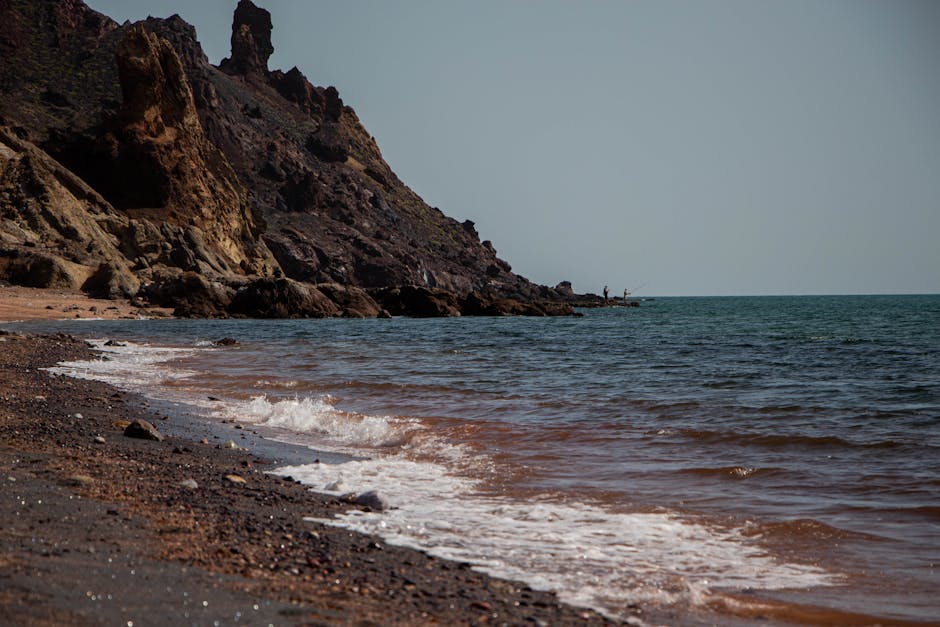 Photo — Melika Hazrati / Pexels