Breaking
/
AS-0871
/
Global
/
20:01
Reports indicate Iranian strikes damaged several U.S. fighter jets at a Jordanian military base, escalating an already volatile U.S.-Iran conflict. The story is drawing the widest immediate attention because it raises the risk of direct military escalation involving American forces.
Breaking
/
AS-0844
/
Global
/
00:00
Global oil prices have climbed back above $100 a barrel amid a sharp escalation in tensions between the United States and Iran. The latest flare-up, including U.S. strikes on Iranian oil tankers and threats of further retaliation, is stoking fears over energy supplies and regional stability in the Middle East.
Breaking
/
AS-0818
/
Global
/
06:30
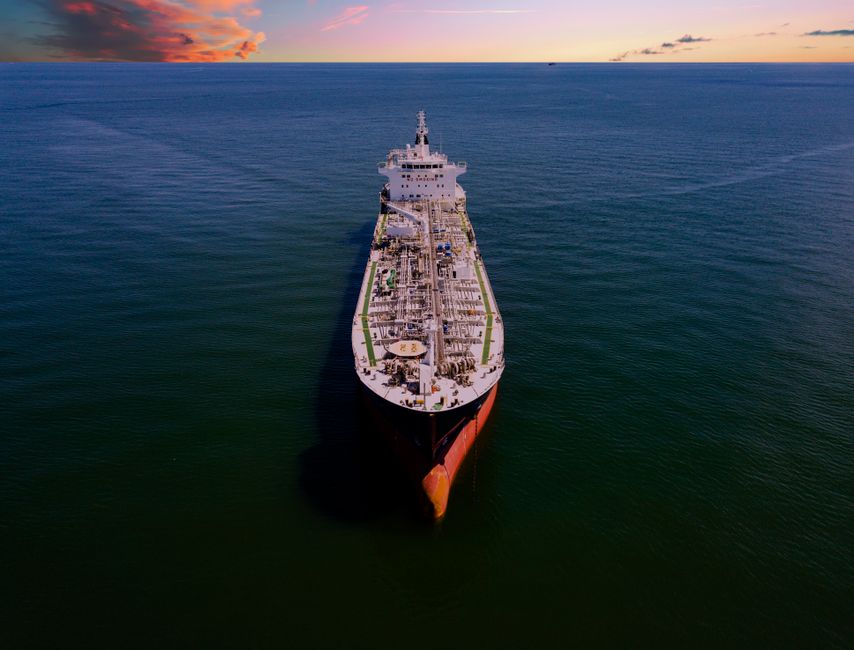
US forces have destroyed five Iranian oil tankers amid an escalating confrontation with Tehran, as Iran warns of a 'painful response' to further attacks.[2][6][13][15] The strikes are driving oil prices toward $100 a barrel and raising fears of broader conflict across the Middle East and global energy markets.[13][15]
Breaking
/
AS-0785
/
Global
/
06:30
Military confrontation between the United States and Iran is intensifying in and around the Strait of Hormuz, with reciprocal strikes, missile launches and contested claims over attacks on vessels and drones.[4][5][9][12] The flare-up is widening across the Middle East, with Iran reportedly launching missile and drone attacks into countries hosting US forces and Washington vowing further action.[9][12]
Breaking
/
AS-0783
/
Global
/
02:45
The United States has carried out additional airstrikes on Islamic Revolutionary Guard Corps targets in Iran amid an ongoing crisis in the Strait of Hormuz linked to the 2026 Iran war.[5] The strikes follow attempted attacks on commercial shipping and US forces, raising global concerns over energy security and regional stability.[5][12] Oil prices are surging as tensions intensify and questions grow over whether Iran can enforce restrictions in the vital waterway.[12]
Breaking
/
AS-0763
/
Global
/
14:00
Iran claims it has struck an uncrewed US military vessel in the strategic Strait of Hormuz, while the United States flatly denies the attack and calls the assertion a "total lie." The incident comes amid a wider Iran War backdrop, recent US strikes on Iranian oil tankers, and Tehran's plans to declare a new exclusion zone near the waterway.[5][10]
Breaking
/
AS-0727
/
Global
/
12:00
US forces and Iranian units have exchanged fire on multiple oil tankers in waters near Iran, including strikes on Iranian carriers by the US and retaliatory attacks by Iran on tankers it says were on unauthorized routes. No American personnel have been reported hurt, but the confrontation has sharply raised tensions around the critical Strait of Hormuz shipping lane.
Breaking
/
AS-0610
/
Global
/
22:00
U.S. forces have launched new strikes on targets linked to Iran’s Revolutionary Guard, while Iran claims a U.S. missile attack killed several civilians at a wedding and has responded with attacks on Gulf states. The flare-up signals a sharp escalation after a brief lull in hostilities, raising fears of a wider regional conflict and renewed threats to shipping and energy supplies.
Breaking
/
AS-0609
/
Global
/
20:45
The most critical global story today is the rapid escalation of armed conflict between the United States and Iran, with US forces launching major strikes across Iran and Tehran retaliating against US bases and assets in the wider Middle East. Reports describe significant casualties in Iran and widening attacks that now involve Gulf neighbors and US positions in Bahrain, Jordan and Iraq, raising fears of a broader regional war.
Breaking
/
AS-0591
/
Global
/
08:45
The United States has launched new strikes on targets in Iran near the Strait of Hormuz, while Iran has responded with missile and drone attacks amid a wider flare-up in hostilities.[2][4][11] The exchange marks the most serious escalation in weeks, raising fears over regional stability and global oil supplies.[2][4][10]
Breaking
/
AS-0585
/
Global
/
02:45
The United States has carried out airstrikes on Iranian rocket launchers near the Strait of Hormuz, the first such military action in several weeks, amid a broader flare-up in US-Iran hostilities.[4][5][10] The strikes follow what US officials describe as Iranian attempts to target commercial shipping and American personnel, raising fears of renewed escalation in a critical global oil chokepoint.[4][5][10]
Breaking
/
AS-0584
/
Global
/
02:30
Tensions between the United States and Iran have sharply escalated after US strikes on Iranian targets and reported Iranian missile responses in the Gulf region. The flare-up follows alleged Iranian attempts to target commercial shipping and US service members near the Strait of Hormuz, prompting new US military action and threats of further retaliation from both sides.
Breaking
/
AS-0579
/
Global
/
22:45
The United States has carried out fresh airstrikes on Iranian targets, marking the second such operation in a few days as hostilities escalate around the Strait of Hormuz. The strikes come amid a broader Middle Eastern crisis in which Iran and the U.S. are trading attacks and accusations over naval incidents and drone activity in the region.
Breaking
/
AS-0555
/
Global
/
06:45
US President Donald Trump has promised retaliation after Iran fired ballistic missiles at US forces stationed in Jordan, marking a sharp escalation in tensions between Washington and Tehran.[5][11] The exchange follows recent US strikes on Iranian launchers in the Strait of Hormuz and represents the first direct trading of strikes in weeks.[11]
Breaking
/
AS-0540
/
Global
/
19:45
US forces have launched new strikes on Iranian rocket launchers at Larak Island in the Strait of Hormuz, prompting retaliatory attacks by Iran on American bases in Jordan.[1][7][8] The flare‑up is part of a broader 2026 Iran war and Strait of Hormuz crisis that is already roiling global energy markets and heightening concerns of a wider regional conflict.[7][8]
Breaking
/
AS-0538
/
Global
/
19:01
The United States has launched fresh strikes on Iranian rocket launchers on Larak Island in the Strait of Hormuz, marking a renewed escalation in the ongoing war with Iran after about a month of relative calm.[6][10][15] Iran has responded with attacks on U.S. military bases in Jordan, raising fears of a broader regional conflict and further disruption to global energy supplies.[6][3]
Breaking
/
AS-0529
/
Global
/
12:01
Iran has launched ballistic missiles at US-linked air bases in Jordan in retaliation for American strikes on Iranian missile launchers on Larak Island in the Strait of Hormuz.[7][9][11] The exchange marks a sharp escalation in tensions between Washington and Tehran and raises concerns about a broader regional confrontation.[7][9][11]
Breaking
/
AS-0527
/
Global
/
10:30
Iran has launched ballistic missiles at US air bases in Jordan hours after American forces struck Iranian rocket launchers on Iran’s Larak Island in the Strait of Hormuz. The exchange marks a sharp escalation in the US-Iran confrontation, with Tehran’s Revolutionary Guard framing the US action as aggression and vowing further response.[4][5][8][11][12][15] This developing clash raises immediate risks for regional stability and global energy markets given the strategic importance of the Hormuz shipping lane.[4][5][11][14][15]
Breaking
/
AS-0524
/
Global
/
08:30
U.S. forces struck Iranian launchers on Larak island, and Iran retaliated with attacks on U.S. forces, marking the first major escalation between the two sides in over a month.[1][4][11][15] Multiple outlets say this is the most urgent developing story in world news, with the situation centered on the Strait of Hormuz and nearby U.S. bases in Jordan.[1][11][15]
Breaking
/
AS-0522
/
Global
/
06:45
US forces have carried out strikes on Iranian-linked launch sites around Iran’s Larak Island in the Strait of Hormuz, prompting retaliatory attacks by Iran’s Islamic Revolutionary Guard Corps on airbases in Jordan used by US personnel.[5][8][10][12] The exchanges mark a sharp escalation in US‑Iran confrontation, raising immediate concerns over regional war and disruption to global energy supplies.[5][8][10][12]
End of transmission — refreshing every 60s
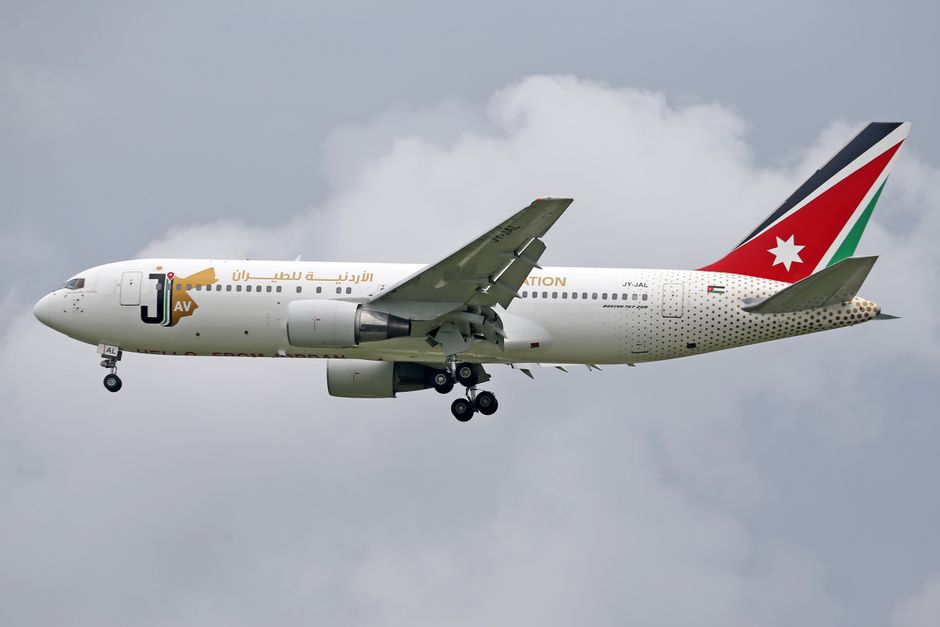 Photo — Jeffry Surianto / Pexels