Developing
/
AS-1215
/
Global
/
08:30
US President Donald Trump says he has entered a critical "deciding mode" on the Iran war, warning that "big things" are in store if Tehran does not change course.[1][6][8] Iranian officials, citing intelligence that new US strikes may be imminent, threaten retaliation against the United States and its allies.[1][6][8] The standoff is heightening fears of a wider regional conflict affecting energy supplies and global security.[6][8]
Breaking
/
AS-1214
/
Global
/
08:01
US President Donald Trump has signaled he is in a critical ‘deciding mode’ over the ongoing war with Iran and warned that ‘big things’ could happen soon if Tehran does not change course.[1][6][7] Iranian officials say they have intelligence that the United States is preparing to resume strikes and have threatened retaliation against the US and its allies.[1][6][7] The standoff is heightening regional tensions, disrupting energy supplies, and prompting calls for a new security framework in the Gulf.[1][6]
Developing
/
AS-1211
/
Global
/
06:01
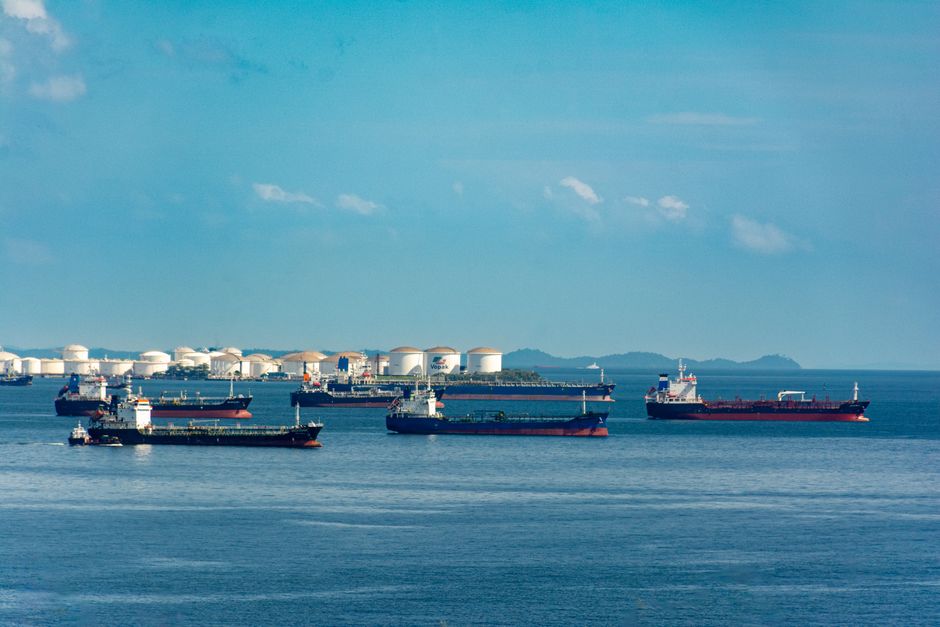
Tensions between the United States and Iran in the Gulf are disrupting traffic through the strategic Strait of Hormuz, a key chokepoint for global oil and commodity flows.[2] About a dozen commodity vessels transited the strait over the weekend, down sharply from 35 the prior weekend, as both sides remain locked in a political and military stalemate.[2] The standoff is unfolding against a backdrop of wider regional instability, including recent Houthi attacks on Saudi targets and threats of further retaliation.[6][7]
Breaking
/
AS-0967
/
Global
/
19:45
Reports of an attack on a commercial vessel in the Strait of Hormuz and fresh threats to regional energy infrastructure are intensifying concerns over global oil supplies. The incident comes amid an ongoing confrontation between the US and Iran over control of the strategic waterway, with regional allies and armed groups raising the risk of wider escalation.
Breaking
/
AS-0889
/
Global
/
10:01
Armed confrontation between US forces and Iran’s Revolutionary Guard has intensified around the Strait of Hormuz, with Iran’s IRGC claiming it destroyed a US vessel and attacks reported on commercial ships near Oman. The United States is simultaneously asserting greater control over the vital shipping lane as part of a broader war with Iran, sharply raising global security and energy market risks.[6][13][15]
Breaking
/
AS-0852
/
Global
/
06:45
Iran has struck more than a dozen vessels near the Strait of Hormuz, widening a declared maritime no-go zone beyond the strategic chokepoint. The escalation has sent Brent crude prices back above $100 per barrel and intensified a confrontation with the United States and other powers.[10][13]
Breaking
/
AS-0851
/
Global
/
06:30
Iranian forces have attacked more than a dozen vessels near and beyond the Strait of Hormuz, widening a declared maritime no-go zone around one of the world’s most critical energy chokepoints.[6][9] The escalation has pushed Brent crude oil prices back above $100 per barrel and intensified the wider US–Iran conflict.[6][9][13]
Breaking
/
AS-0818
/
Global
/
06:30
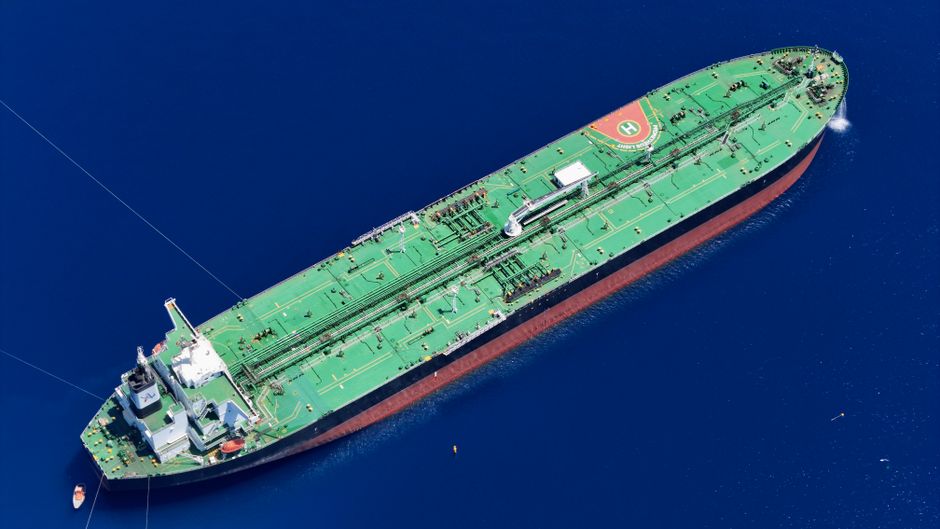
US forces have destroyed five Iranian oil tankers amid an escalating confrontation with Tehran, as Iran warns of a 'painful response' to further attacks.[2][6][13][15] The strikes are driving oil prices toward $100 a barrel and raising fears of broader conflict across the Middle East and global energy markets.[13][15]
Breaking
/
AS-0774
/
Global
/
20:45
Tensions between the United States and Iran are sharply escalating as Washington strikes Iranian-linked oil tankers and Tehran signals plans for a new exclusion zone near the strategic Strait of Hormuz.[5][4][9] The US denies claims that Iran hit an uncrewed American military vessel, while warning that further attacks could trigger stronger military and economic responses.[5][4] The standoff raises immediate concerns for global oil shipments and regional security.[4][9]
Breaking
/
AS-0744
/
Global
/
22:45
Iranian forces have carried out new attacks on US vessels in the Strait of Hormuz following US strikes on Iranian oil tankers, sharply escalating tensions in the Gulf. Washington says the strikes were retaliation for earlier Iranian attacks on US warships, while Tehran warns of a "faster, heavier, more painful" response.
Breaking
/
AS-0723
/
Global
/
08:45
US forces have struck multiple Iranian oil tankers after American Navy warships were targeted with ballistic missiles near Iran. Iran says it has responded by attacking several tankers it claims were sailing on unauthorized routes in the strategic Strait of Hormuz, escalating already high regional tensions.[4][8]
Breaking
/
AS-0718
/
Global
/
06:01
The US military says it struck three Iranian crude oil carriers after Iran’s Revolutionary Guard launched ballistic missiles toward two US Navy warships near a key global oil route, though the missiles did not hit the vessels.[7] The incident marks a sharp escalation in tensions between Washington and Tehran with direct implications for energy security and regional stability.[7]
Breaking
/
AS-0714
/
Global
/
00:45
The United States military has carried out strikes on three Iranian crude oil tankers after Iran’s Islamic Revolutionary Guard Corps launched ballistic missiles toward two US Navy warships. The missiles reportedly did not hit the vessels, but the incident marks a sharp escalation in the ongoing confrontation between Washington and Tehran.[3][5][10] US officials are framing the action as retaliation and deterrence amid a broader conflict that President Trump has publicly downplayed.[5][10][11]
Breaking
/
AS-0713
/
Global
/
00:30
Iran’s state media reports that a US missile attack hit an Iranian oil tanker near the key export hub of Kharg Island, amid a broader campaign of US strikes following Iranian attacks on ships and American forces.[7][5][13] The US military has not yet confirmed the specific tanker strike, but US‑Iran tensions in the Gulf are sharply escalating around energy infrastructure and maritime security.[7][5][13]
Breaking
/
AS-0705
/
Global
/
19:45
The United States military says its forces have struck three Iranian crude oil carriers after Iran’s Islamic Revolutionary Guard Corps launched ballistic missiles toward two US Navy warships. The incident sharply escalates tensions between Washington and Tehran and raises fears of a wider confrontation in the region.
Breaking
/
AS-0651
/
Global
/
02:45
The most urgent global story is the rapidly escalating military confrontation between the United States and Iran around the Strait of Hormuz. U.S. forces have struck targets in Iran while Tehran says it is retaliating and expanding attacks on U.S. bases in the Gulf, raising fears of a wider regional war and disruption to global energy supplies.
Breaking
/
AS-0646
/
Global
/
00:03
The most critical global story right now is the escalating war between the United States and Iran, with both sides trading fresh strikes and threats around the strategic Strait of Hormuz. President Donald Trump has warned of additional attacks while Iran claims new casualties and fresh mining of Gulf waters, heightening fears of a wider regional conflict.[7][8][9][10][6][5][4] The situation is driving energy market volatility and raising alarms among US allies and international bodies over regional and global security.[6][5][7][8]
Breaking
/
AS-0643
/
Global
/
22:01
The United States and Iran are trading military strikes across the region, with Washington targeting Iranian Revolutionary Guard sites and Tehran hitting US positions and bases, including in Kuwait.[3][4][11][13] The clashes around the Strait of Hormuz have killed dozens and disrupted vital energy shipping routes, prompting regional states and the UN to warn of a potential wider conflict.[3][4][7][13]
Breaking
/
AS-0641
/
Global
/
20:30
The United States has launched heavy strikes on Iran and says it is prepared to carry out more attacks at any time, as President Donald Trump warns of further action while insisting renewed fighting will not last long.[7][8] Iranian officials report at least 18 people killed and over 100 wounded in the latest round of U.S. strikes, while Tehran condemns what it calls acts of aggression and vows to defend its sovereignty.[7][8]
Breaking
/
AS-0639
/
Global
/
19:45
Tensions between Iran and the United States are intensifying around the Strait of Hormuz, with President Donald Trump warning of further military strikes and Iran claiming to have laid new naval mines. Recent US attacks have reportedly killed and injured civilians in Iran and drawn in Gulf neighbors through missile and drone exchanges.[4][12][14] The confrontation is reshaping regional security and raising global concerns over energy supplies and broader war escalation.[2][4][12]
Breaking
/
AS-0634
/
Global
/
17:01
U.S. President Donald Trump has warned that the American military is prepared to launch further strikes against Iran "any time we want" after a heavy attack that killed at least 18 people and wounded over 100, according to Iranian officials.[6][2] The deepening confrontation is spilling across the Gulf, with Iran accused of targeting U.S. allies and laying new mines in the Strait of Hormuz.[2][3] The crisis is raising fears of a wider regional war and severe disruption to global oil supplies.[2][6]
Breaking
/
AS-0615
/
Global
/
00:45
U.S. forces have launched large-scale airstrikes on targets linked to Iran’s Revolutionary Guard, and Iran has responded with missile and drone attacks. The exchange marks the most serious escalation in weeks, rattling energy markets and raising concerns about a broader conflict involving Gulf states and global shipping lanes.
Breaking
/
AS-0579
/
Global
/
22:45
The United States has carried out fresh airstrikes on Iranian targets, marking the second such operation in a few days as hostilities escalate around the Strait of Hormuz. The strikes come amid a broader Middle Eastern crisis in which Iran and the U.S. are trading attacks and accusations over naval incidents and drone activity in the region.
Breaking
/
AS-0556
/
Global
/
08:01
The United States has carried out strikes against Iran, with President Donald Trump vowing further military action after the first tit-for-tat attacks in a month.[2][15] The confrontation is heightening concerns that the long-running standoff could escalate into open regional conflict, threatening stability and global energy supplies via the Strait of Hormuz.[1][2][15]
Breaking
/
AS-0552
/
Global
/
02:45
Iran has launched retaliatory attacks on US forces days after the US military struck Iranian rocket launchers near the Strait of Hormuz, marking the first major escalation between the two sides in weeks.[8][12] President Trump has vowed to hit Iran "hard" in response, heightening concerns that the confrontation could spiral into a broader regional war with global economic repercussions.[10][13][15]
End of transmission — refreshing every 60s
 Photo — ali Saleh / Pexels