Breaking
/
AS-1158
/
Global
/
14:30
Protesters are taking to the streets across multiple countries to denounce skyrocketing fuel prices and widespread power cuts linked to the war in Iran.[2][8] The unrest highlights mounting social and economic pressure as the conflict drives up global energy costs and strains already fragile power grids.[2]
Breaking
/
AS-1157
/
Global
/
14:00
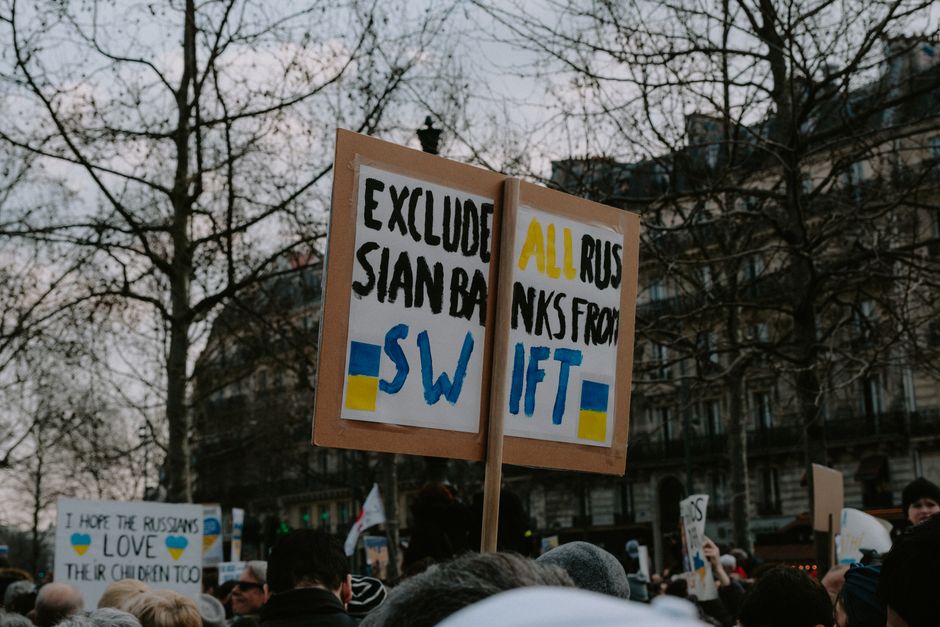
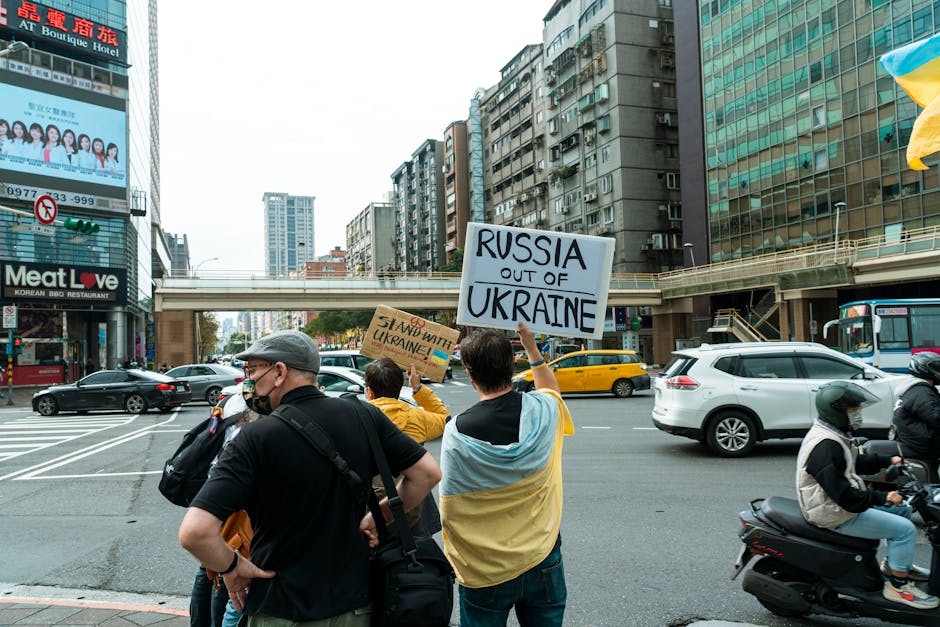
US President Donald Trump has signed a major Russia sanctions bill, tightening economic restrictions and paving the way for sharply higher tariffs on key countries. The law also underpins expanded military and economic measures linked to the Ukraine war and broader US foreign policy shifts.
Breaking
/
AS-1130
/
Global
/
19:00
Japan’s central bank has raised its key interest rate to 1.25%, the highest level in 31 years, in an effort to curb persistent price increases. The move aligns Japan with recent monetary tightening by the US Federal Reserve and European Central Bank and is being closely watched by global markets.
Breaking
/
AS-1108
/
Global
/
00:45
The U.S. Federal Reserve has raised its benchmark interest rate by about a quarter-point to roughly 3.9%, its first increase since 2023 as it moves to tackle stubborn inflation. The decision marks a major shift in global monetary policy and is expected to ripple through financial markets, borrowing costs and economies worldwide.
Breaking
/
AS-1099
/
Global
/
19:45
The U.S. Federal Reserve has raised interest rates for the first time since 2023, lifting its benchmark range by 0.25 percentage points to around 3.75%-4% as inflation remains above target. This latest move is reverberating across global markets, with major Asian indices reacting and policymakers worldwide watching closely.[5][7][8][11]
Breaking
/
AS-1093
/
Global
/
14:45
The US Federal Reserve has raised interest rates for the first time since 2023, lifting its benchmark range to 3.75%-4% in a unanimous decision. The move comes despite opposition from President Trump’s administration, underscoring concerns over stubborn inflation and signaling further rate increases ahead.[5][6][11]
Developing
/
AS-1089
/
Global
/
12:30
The US Federal Reserve has raised its benchmark interest rate range to 3.75%-4%, its first hike since 2023, even as President Donald Trump publicly opposed tighter monetary policy.[1][9] The decision underscores the Fed’s focus on persistent above-target inflation and its independence from the White House.[1][9]
Breaking
/
AS-1088
/
Global
/
12:01
The U.S. Federal Reserve has raised its benchmark interest rate to 3.75%-4%, the first hike since 2023, in a unanimous decision that goes against President Donald Trump’s calls for lower rates. Policymakers signaled further tightening ahead as inflation remains above target and concerns grow over the economic impact of tariffs, energy shocks and the AI investment boom.[5][13][3][14]
Breaking
/
AS-1085
/
Global
/
10:01
The US Federal Reserve has raised its benchmark interest rate for the first time in over three years, marking a major shift in global financial conditions.[4][5][15] The move, aimed at tackling resurgent inflation, will ripple through world markets, borrowing costs and emerging economies.[4][5][15]
Breaking
/
AS-1064
/
Global
/
19:00
Protesters are marching in cities across multiple continents over surging fuel prices and rolling blackouts linked to the ongoing US war with Iran[3][8][5]. The energy shock is driving widespread economic strain and political anger, making it a central global crisis cutting across domestic and international politics[3][8][5].
Breaking
/
AS-1013
/
Global
/
06:00
Saudi Arabia has shut down a major oil pipeline, further limiting global oil flows at a time of already tight supply and elevated prices.[6] The move is raising concerns about energy security and inflation pressures worldwide as markets react to the disruption.[6]
Breaking
/
AS-1009
/
Global
/
00:45
Middle East tensions have escalated as Saudi Arabia shuts a major oil pipeline following drone attacks and Gulf states postpone crucial talks with Iran over the Strait of Hormuz. Brent crude has surged above $108 a barrel, raising fears that up to 4% of global oil supply could be at risk within days if flows are not restored.[5][7][8][14] The disruption threatens to tighten energy markets worldwide and increase economic pressure on importing countries.[5][7][8][14]
Breaking
/
AS-1008
/
Global
/
00:30
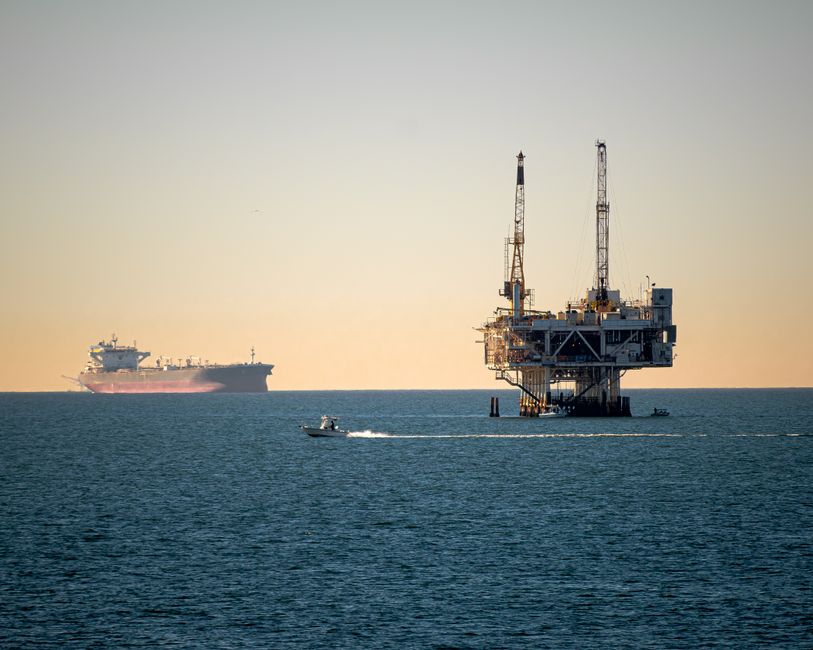
Oil prices have surged above $108 a barrel after a merchant vessel was struck in the Strait of Hormuz and Saudi Arabia shut a key pipeline that bypasses the waterway. The incidents are heightening concerns that vital Middle East energy routes could be disrupted, with major implications for global markets and geopolitics.
Breaking
/
AS-1002
/
Global
/
20:30
Saudi Arabia has shut a critical oil pipeline after reported damage from recent attacks, raising concerns over global oil supplies and market stability.[2][3] Satellite imagery shows significant damage to the infrastructure as regional tensions with Iran and the Yemen conflict intensify.[3] Key energy markets are closely watching for potential price spikes and further escalation.[2][3]
Breaking
/
AS-0963
/
Global
/
17:30
Saudi Arabia’s closure of a key oil pipeline after a suspected drone attack is threatening about 4% of global oil supply and raising fears of broader regional conflict.[4][12][15] The outage and related security warnings around the Strait of Hormuz have intensified concerns over energy markets and Middle East escalation.[12][15]
Breaking
/
AS-0936
/
Global
/
20:30
Saudi Arabia has closed a key oil pipeline after a drone strike launched from Iraq, triggering investigations and the removal of a local Iraqi military commander. The shutdown raises immediate concerns over global oil supplies and regional security as authorities probe responsibility for the cross‑border attack.[2][14][8]
Breaking
/
AS-0880
/
Global
/
02:01
The escalating conflict involving Iran is driving global oil prices above $100 per barrel, stoking fears of a prolonged Middle East crisis and wider economic shock.[2][6][9][11] Governments and markets are bracing for sustained disruption to energy supplies, shipping routes and financial stability as the situation shows no sign of rapid resolution.[2][6][9][11]
Breaking
/
AS-0854
/
Global
/
08:30
Global oil prices have pushed above $100 a barrel amid a renewed escalation in military tensions between the United States and Iran and their proxies across the Middle East. The spike is raising concerns about energy supplies, inflation and the broader stability of global markets.
Breaking
/
AS-0748
/
Global
/
02:01
US and Iranian forces have exchanged strikes on oil tankers and naval vessels around the Strait of Hormuz and the Gulf of Oman, sharply escalating a months‑long confrontation. The US military says it hit multiple Iranian crude oil tankers after Navy warships were targeted with ballistic missiles, while Iran claims to have struck US vessels and even an aircraft carrier.
Breaking
/
AS-0624
/
Global
/
08:45
The United States has carried out strikes on targets in Iran near the Strait of Hormuz, while Iran says it is retaliating against U.S. interests and regional targets. The confrontation, part of a months‑long conflict, is driving up oil prices and shaking the global economy.[5][8][13] Escalation in this key maritime chokepoint is raising fears of a wider regional war and further disruption to global energy supplies.[5][8][13]
End of transmission — refreshing every 60s
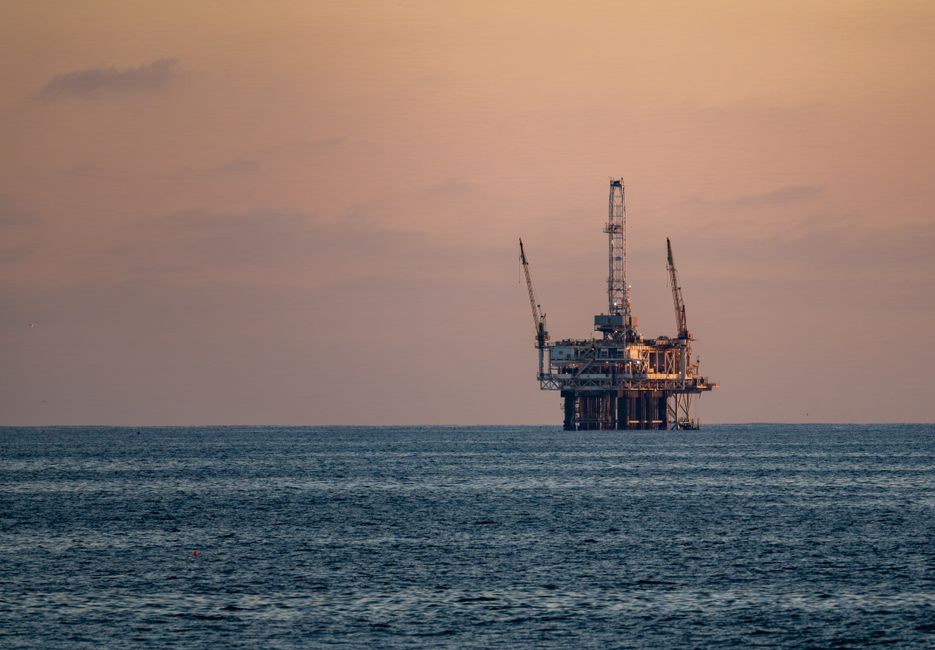
 Photo — Tony Zohari / Pexels