Share this edition
US-CHINA RIVALRY INTENSIFIES OVER ASIA-PACIFIC MARITIME CONTROL AND CRITICAL TEC
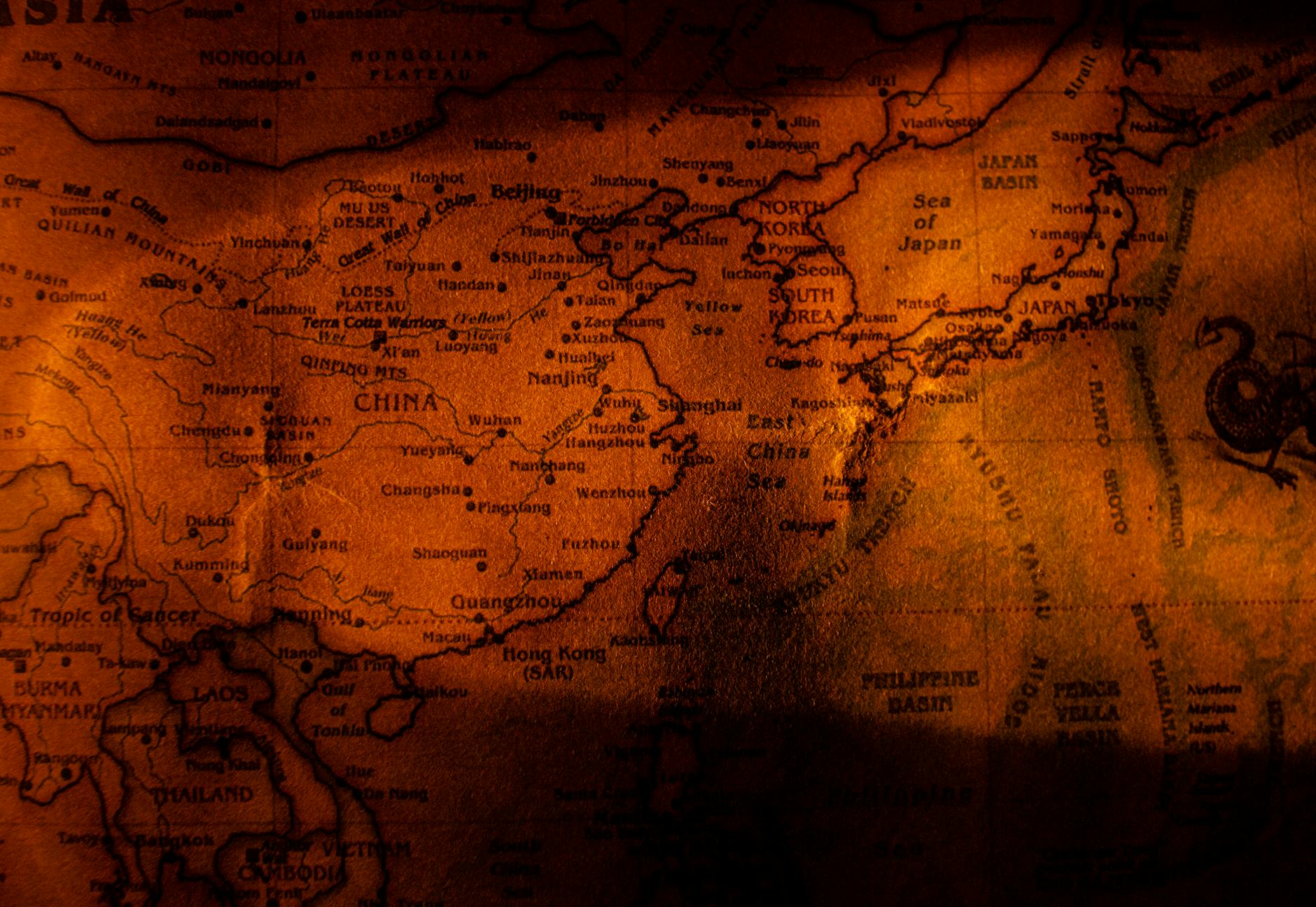
The United States and China are competing intensely for dominance over key Asia-Pacific maritime routes, strategic islands, and critical technology supply chains in 2026[1]. Control of geographic chokepoints including the Malacca Strait, Taiwan, and the South China Sea determines access to energy resources and trade flows connecting global markets[1]. Taiwan and Japan have strengthened their security partnership across semiconductors, maritime security, and cybersecurity to build strategic resilience against Chinese coercion[2]. Taiwan's production of over 90% of the world's advanced semiconductors makes any regional crisis a potential global economic shock, with estimates suggesting the EU alone could lose 1% of GDP from disrupted semiconductor flows[3].
This edition is available to Premium subscribers.
Upgrade to access all global editions.