📖 Longform
50 articles · Updated every 2 hours
The World Economy’s Uneasy Balance: Inflation Returns, Recession Fears Linger
The global economy has avoided the kind of synchronized downturn that often precedes a recession, but the margin for error is thin. Inflation is proving stickier than policymakers hoped, tariffs are distorting trade, and supply chains are being redesigned under geopolitical pressure rather than economic logic.
America’s Economy Is Running on Fewer Cylinders Than the Market Wants to Admit
The latest jobs and spending data suggest a U.S. economy still expanding, but with less balance and more strain beneath the surface. Stronger consumer spending, a firmer dollar, and repeated debt-ceiling brinkmanship are masking deeper problems: a cooling labor market, a more unequal recovery, and households that are becoming increasingly split between those who can absorb higher rates and those who cannot.

America’s economy is still moving — but not in the same direction
The latest U.S. economic data point to a country split between resilience and fatigue: hiring is slowing, consumers are spending more cautiously, and the dollar is still powerful enough to distort the rest of the world. Beneath the headline numbers, inequality is shaping who can absorb higher prices, higher rates and higher debt, and who cannot.
The World Economy’s Thin Ice: Inflation, Tariffs, and the Return of Policy Panic
The global economy is no longer collapsing, but neither is it healthy. Inflation has stopped falling, growth is weakening, and a new mix of tariffs, war shocks and supply-chain fragmentation is pushing policymakers toward a narrower and more dangerous balancing act.
The World Economy’s New Fear: Not a Crash, but a Slow Grind Down
Inflation is no longer exploding, but it is no longer cleanly retreating either. As the IMF and World Bank warn of a world economy stuck between tariff shocks, geopolitical fragmentation, and a housing market that refuses to heal, the bigger danger is becoming not a sudden recession but a prolonged, uneven stagnation.
America’s Economy Is Not Breaking — It Is Repricing Reality
The U.S. economy in mid-2026 is sending a message of uneasy balance: hiring is slowing, consumers are still spending, the dollar remains unusually strong, and debt politics hover over every forecast. Beneath the headlines, a deeper story is taking shape about who is still winning in this economy — and who is being asked to absorb the adjustment.

America’s Economy Runs on Two Speeds: The Labor Market Still Holds, but the Social Contract Is Fraying
The U.S. economy in mid-2026 is not weak so much as split. Jobs and spending still look resilient in the aggregate, yet the gains are increasingly concentrated among higher-income households while lower-income Americans absorb the strain of inflation, debt and a softer labor market.

The $18.8 Trillion Tightrope: America’s Fraying Economy in Mid-2026
By mid-2026, the U.S. economy stands on a precarious ledge: household debt has surged to a record $18.8 trillion while the labor market cools, consumer spending grows uneven, and the specter of a debt ceiling breach looms over millions of jobs. The dollar remains strong, yet income inequality deepens, exposing a resilient but increasingly brittle American consumer.
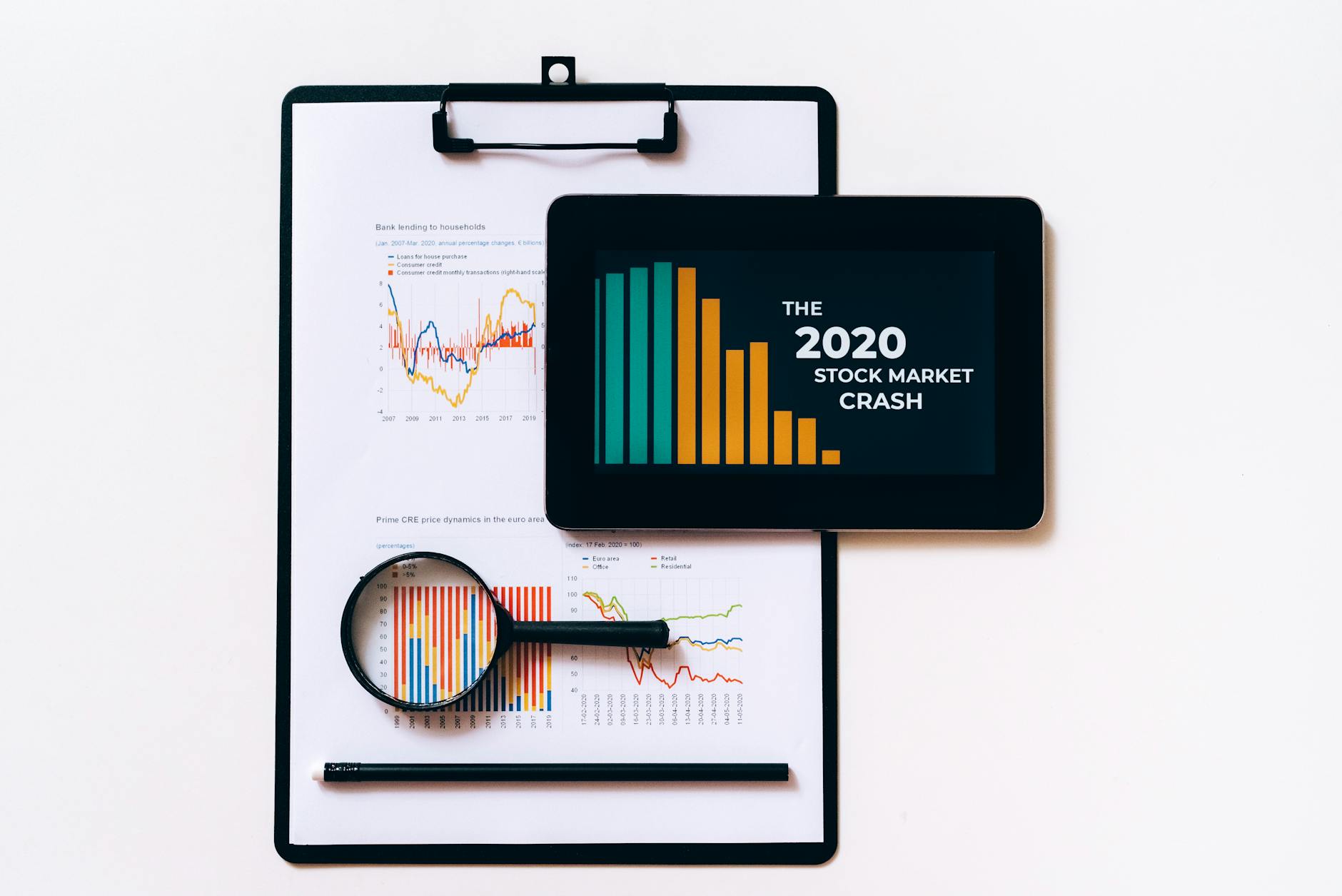
The Fragile Paradox: America's Booming Jobs Market Betrayed by a Debt Edifice and a K-Shaped Reality
The U.S. economy presents a dangerous contradiction in 2026: a resilient labor market and persistent consumer spending mask a looming debt crisis, widening income inequality, and a growing pessimism among households that threatens to unravel the current stability.

The Great American Stall: Why Jobs, Spending, and Confidence Are Hitting a Wall
The US economy is entering a perilous phase of weakening momentum, with July's job additions falling drastically below forecasts and consumer behavior growing increasingly fragile. As the dollar strengthens and inequality widens, the nation faces a looming crisis that threatens to derail the fragile recovery and expose the deep structural cracks in American prosperity.

Steel Safeguards Expire: EU Faces Ukraine Trade War as China and Russia Oil Sanctions Tighten
With steel safeguards set to expire on July 1, the EU confronts a trade war with Ukraine over steel quotas while simultaneously tightening sanctions on Russian oil tankers and Chinese critical components. The Commission's implementing act aims to balance war-time needs with market protection, but trading partners push back against country-specific quotas.
The K-Shift: America's Jobs, Spending, and the Inequality Crisis That Will Define the Next Decade
The U.S. economy displays a paradoxical resilience, with robust consumer spending and a steady labor market masking a deepening divide between the wealthy and the struggling majority. As the debt ceiling looms and dollar strength persists, the structural crisis of income inequality threatens to unravel the very foundations of American prosperity.
The World Economy’s New Stagflation Test
The global economy is entering a dangerous phase in which inflation is no longer collapsing cleanly, growth is losing momentum, and trade conflict is creeping back into the center of policy. The IMF and World Bank now sound less like forecasters than crisis managers, warning that tariffs, supply-chain fragmentation, and a worsening housing squeeze could turn a slow expansion into something uglier.

The Great American Tension: How Jobs, Debt, and Inequality Are Reshaping the Economy
The U.S. economy is navigating a precarious paradox where consumer resilience and a robust labor market clash with widening inequality, a looming debt ceiling crisis, and a dollar under pressure. This deep dive reveals how the K-shaped reality of spending and the fragility of wage growth define America's path forward.

The K-Shaped Trap: America's Deepening Economic Crisis and the Jobs That Won't Save It
As the U.S. jobs market stabilizes, a deeper structural crisis looms: soaring debt, record inequality, and a consumer spending divide that threatens to fracture the economy. The dollar strengthens while the middle class weakens, revealing a nation on an unsustainable path.

The Long Winter of Global Growth: How Inflation, War, and Trade Wars Are Reshaping the Economic Order
As the Middle East conflict halts momentum and tariffs fragment supply chains, the world faces slower growth, stubborn inflation, and the third global recession of this century. The IMF and World Bank warn that the 'worst is yet to come' for billions caught in a cost-of-living crisis.
The Global Economy on the Brink: Inflation, Tariffs, and the Shadow of Recession
As tariffs mount and geopolitical conflicts worsen, the IMF warns the global economy faces a dangerous slowdown, with inflation resurgence and recession fears threatening to derail recovery. Housing crises and supply chain disruptions add further peril to an already precarious outlook.
The Great Stagnation: How War, Tariffs, and Broken Supply Chains Are Fueling a New Global Crisis
The global economy is facing a historic shock as the Middle East war disrupts oil markets, reigniting inflation and stoking fears of stagflation. With the IMF and World Bank warning of slowed growth, rising tariffs, and a housing crisis, nations must navigate a fragile path between recession and renewed price spirals.
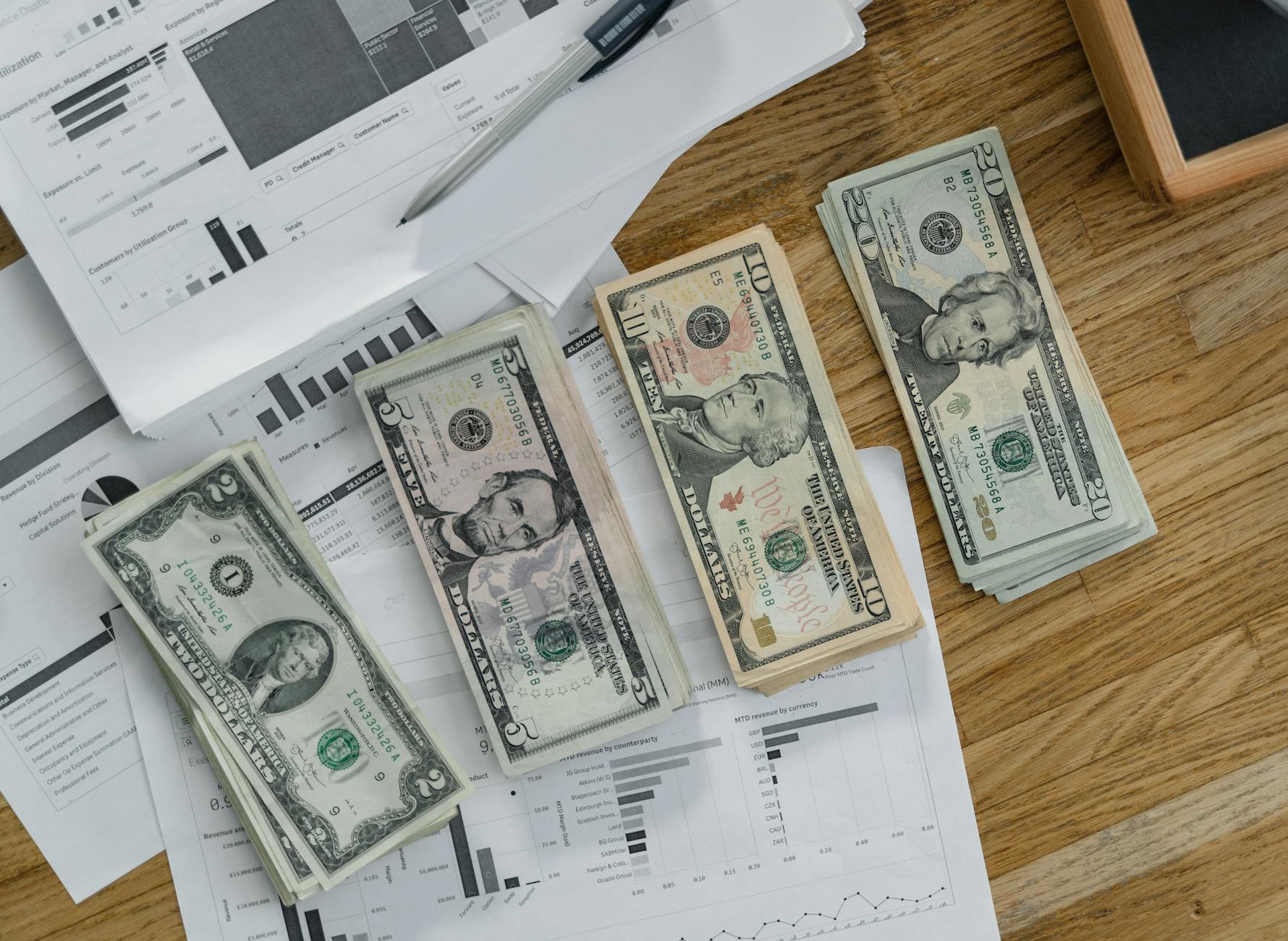
The U.S. Jobs Paradox: Why 172,000 New Workers Haven’t Ended the Economic Anxiety
The May 2026 jobs report delivered a stunning surprise with 172,000 new positions, shattering expectations, yet the unemployment rate remains stubbornly at 4.3%. This deep dive reveals a labor market split between booming sectors like leisure and hospitality and ailing financial activities, while persistent long-term unemployment, declining savings, and rising inflation fears continue to erode consumer confidence.
The Silent Recession: America's Fractured Economy Amid Debt, Inequality, and a Whispering Job Market
As the U.S. labor market stalls with record-low payroll gains and consumer spending narrows to the top earners, a deep structural crisis looms beneath the headline GDP growth, driven by soaring debt, extreme inequality, and a fragile dollar.
The Great Unraveling: How War, Tariffs, and Inflation Are Pushing the Global Economy Toward Collapse
As the world grapples with a war-fueled inflation spike and a fracturing trade system, the IMF and World Bank warn that the global economy is facing its most severe recession risk since the 2008 crisis. From shattered supply chains to a housing crisis in advanced economies, the convergence of policy failures and geopolitical chaos is dismantling the foundations of global prosperity.
America’s Economy Is Not Breaking — It Is Splitting
The latest U.S. economic data point to an economy that is still expanding, but with its gains concentrated in the hands of those already ahead. Jobs, spending and a strong dollar are keeping the machine running, while debt-ceiling brinkmanship and stubborn inequality are making the balance of that growth harder to sustain.
The World Economy’s New Fragility
The global economy has become a study in contradictions: inflation is easing in some places even as recession fears linger, tariffs are creeping back into policymaking, and supply chains remain more political than ever. Beneath the noise, the deeper story is not collapse but fragility — a housing crunch, higher-for-longer borrowing costs, and a trade system that no longer behaves as if globalization is a settled fact.

America’s Economy Is Split Between Strength and Strain
The U.S. economy enters mid-2026 with a paradox at its core: jobs remain a stabilizing force, consumer spending is still carrying growth, and the dollar is unusually firm, yet households, policymakers, and markets are all behaving as if the next break could be the wrong one. Beneath the headline resilience lies a more uncomfortable truth — that the recovery has become increasingly unequal, and increasingly dependent on a narrow set of supports.
America’s Economy Is Growing Up — and Hitting Its Limits
The latest U.S. economic data tell a story of unusual resilience: a labor market that still holds together, consumers who keep spending, and a dollar that remains powerful enough to shape the world. But beneath the surface, debt politics, weaker hiring, and widening inequality are making the expansion feel less like a boom than a balancing act.
The World’s Economy Is Not in Crisis. That May Be the Problem.
Inflation has cooled enough to tempt central banks into easing, yet growth remains fragile, trade rules are hardening, and recession fears keep resurfacing. Beneath the headline resilience lies a more unsettling story: a global economy being reshaped by tariffs, supply-chain politics, and a housing market that still resists relief.

America’s Economy Is Still Hiring — and Still Squeezing
The U.S. labor market is not collapsing, but it is losing its old easy momentum. Jobs are still being created, consumer demand is still holding up, and the dollar remains stubbornly strong — yet each of those strengths now carries a shadow: weaker hiring quality, more fragile household balance sheets, and deeper inequality beneath the headline numbers.
America’s Two-Speed Economy: Jobs, Spending, Debt and the Struggle for Balance
The U.S. economy still looks sturdy from a distance, but its foundations are uneven. Jobs, spending and a strong dollar are keeping growth alive even as debt politics, stubborn price pressure and widening inequality reveal an economy that is increasingly split between those who can absorb shocks and those who cannot.
The World Economy’s New Stagflation Test
Inflation is easing in some places, but the global economy is entering a more dangerous phase: slower growth, renewed tariff pressure, fragile supply chains, and a housing market that keeps families squeezed even where headline prices have cooled. The IMF and World Bank are warning, in different ways, that the next shock may not look like the last one.
The World Economy’s New Fragility: Why Inflation, Tariffs and Housing Are Converging
The global economy has not collapsed, but it has become more brittle. Inflation is easing without fully disappearing, recession fears keep returning in a changed form, and trade wars are now feeding a quieter but more persistent squeeze on supply chains, prices and housing markets.

America’s Economy Is Not Breaking — It Is Splitting
The latest US data point to an economy that still creates jobs and keeps consumers spending, but only by leaning on a narrow base of wage gains, resilient households, and a strong dollar that amplifies the divide. Beneath the headline stability, debt politics and inequality are shaping a more fragile national balance sheet.
The New Age of Scarcity: How Inflation, Tariffs and War Are Rewiring the Global Economy
The global economy is entering a more fragile phase: growth is slowing, inflation is proving sticky, and the IMF warns that war-driven energy shocks could push expansion dangerously close to recession. Beneath the headlines, tariff battles, supply-chain rewiring and a worsening housing crisis are exposing how little slack remains in the world economy.
America’s Splintering Expansion: Jobs, Spending and the New Arithmetic of Inequality
The U.S. economy still looks sturdy in the aggregate, but its supports are unevenly distributed: payrolls are growing, spending has held up, and the dollar remains unusually strong. Beneath that composure, however, lie familiar fault lines—slower hiring, fragile consumer confidence, recurring debt-ceiling brinkmanship and an income gap that increasingly defines who feels the recovery and who merely hears about it.
America’s Economy Is Holding Up — But Not Holding Together
The U.S. economy still has the look of resilience: jobs are being added, consumers are still spending, and the dollar remains firm. But beneath the aggregate strength is a more fragile reality — one defined by unequal income gains, a squeezed middle class, and a fiscal system that keeps flirting with self-inflicted crisis.
The World Economy’s New Fault Line: Inflation, Protectionism, and the Return of Scarcity
The global economy is entering a more brittle phase, where inflation risks, tariff wars, and housing shortages are colliding with slower growth and rising recession anxiety. The IMF and World Bank warn that shocks once treated as temporary—trade barriers, supply-chain disruption, energy volatility—are becoming structural features of the economic landscape.
The World Economy’s New Stagflationary Mood
The global economy is entering 2026 under a familiar but more dangerous cloud: growth is slowing, inflation is proving stubborn, and policymakers are again trying to avoid a recession without reigniting the price surge they thought they had beaten. The IMF and World Bank warn that war, tariffs, and fractured supply chains are turning a soft landing into a narrower, rougher path.
The Age of Friction: Inflation, Fear, and the New Global Economy
The world economy is no longer being shaped by a single shock but by a stack of them: stubborn inflation, higher-for-longer interest rates, geopolitical trade barriers, and a housing market that refuses to become affordable. The result is a slower, more brittle global system in which recession fears never quite disappear, even when growth does.
America’s Economy Is Split Between Strength and Strain
The U.S. economy enters mid-2026 with a split personality: jobs are still creating the appearance of resilience, but spending, debt politics, a firm dollar and widening inequality are exposing the fault lines underneath. The result is not a recessionary collapse, but a harder-to-read economy in which headline strength masks growing fragility for households lower down the income ladder.
America’s Economy Is Slowing, Not Stalling — and That May Be the Most Dangerous Kind of Stability
The latest jobs data shows an economy still adding workers, but with less momentum and more unevenness beneath the surface. Consumer spending remains resilient, the dollar is unusually strong, and debt-ceiling brinkmanship threatens to turn a soft landing into a policy-made shock.

America’s Economy Is Growing — But Not Equally
The latest labor data suggests the U.S. economy is still adding jobs, but the quality of that growth is uneven, consumer spending is increasingly stratified, and the strength of the dollar is amplifying the divide. Beneath the surface, debt-ceiling politics and stubborn income inequality are shaping an economy that looks resilient in the aggregate and fragile in its distribution.
America’s economy is cooling into a strange new equilibrium
The latest jobs data suggest a labor market that is still resilient, but no longer roaring, while consumer demand, fiscal brinkmanship and a stronger dollar are beginning to pull the economy in different directions. Beneath the headline calm lies a more unsettling story: growth is increasingly uneven, and the gains are being distributed with less and less grace.
The World Economy’s Next Test: Inflation’s Afterlife, Tariff Politics, and the Return of Stagflationary Fear
The global economy has escaped the worst of the inflation surge, but not the politics and vulnerabilities it exposed. As tariffs spread, supply chains harden, and housing stays unaffordable, the IMF and World Bank are warning that growth is becoming more fragile just as recession fears return.

America’s Strange Economic Strength: Jobs, Spending and a Dollar That Masks the Fractures Beneath
The American economy in late spring 2026 looks robust on the surface: payrolls are still rising, consumers are still spending and the dollar remains unusually strong. But beneath that resilience lie quieter stresses — a narrower labor market, persistent inequality, political brinkmanship over the debt ceiling and a currency that is as much a sign of global confidence as of domestic imbalance.

The World Economy Has Avoided the Crash—For Now
Inflation has retreated, recession has been deferred, and the global economy has proved more durable than many expected. But beneath the calm, a harder story is unfolding: tariffs are fracturing trade, supply chains are being rewired for geopolitics rather than efficiency, and housing shortages are turning financial stability into a social crisis.
The World Economy’s New Fragility: Inflation Has Eased, but the Hard Part Isn’t Over
The global economy has escaped the worst inflation shock in a generation, but not the forces that made it so dangerous: trade fragmentation, higher borrowing costs, housing stress, and the political temptation to weaponize tariffs. The IMF and World Bank see resilience on paper; beneath it, households, firms, and governments are still absorbing the aftershocks of a more volatile world.
America’s Economy Looks Strong—Until You Ask Who Is Paying for It
The latest U.S. economic signals tell a story of startling contradiction: resilient consumer spending, a still-solid jobs market, and a dollar that keeps drawing global capital, all against a backdrop of stubborn inequality and renewed fiscal brinkmanship. The country appears rich, stable, and powerful—yet increasingly split between households that can absorb higher prices and those living one shock away from distress.
America’s Strong Labor Market Is Hiding a More Fragile Economy
The United States looks resilient on the surface: jobs are still being created, consumers are still spending, and the dollar is still formidable. But beneath that strength lies a more brittle story of elevated inequality, persistent debt pressures, and a government that keeps bumping against its own fiscal ceiling.
The World Economy’s New Fear: Stagflation by a Thousand Cuts
The global economy is no longer being squeezed by one crisis but by several at once: war-driven energy shocks, tariff escalation, supply-chain rerouting, and a housing crunch that keeps inflation sticky even as growth weakens. The IMF’s latest warnings suggest the world may be drifting toward a more dangerous kind of slowdown—one in which prices stay high, confidence falls, and the policy tools that once rescued the economy start working against one another.
The World Economy’s New Fault Line: Inflation, Trade Wars and the Return of Scarcity
After a brief post-pandemic reprieve, the global economy is confronting a harsher reality: inflation is proving sticky, growth is weakening, and the tools once used to stabilize the system are now colliding with one another. From IMF warnings to housing squeezes, tariff wars, and fractured supply chains, the world is drifting into an era where scarcity—not abundance—sets the terms of prosperity.
The World Economy’s New Malaise: Inflation Without Relief, Growth Without Confidence
The global economy is entering a more dangerous phase: inflation is easing in some places but not disappearing, growth is slowing, and policy makers are being asked to fight the last crisis while preparing for the next. Tariffs, trade wars, supply-chain rewiring and a housing crunch are no longer side stories—they are the mechanisms through which today’s stagnation is spreading.