The Great Stagnation: How War, Tariffs, and Broken Supply Chains Are Fueling a New Global Crisis
The global economy is facing another major shock, one that has the potential to derail the fragile recovery achieved in the wake of the post-pandemic tumult. The conflict in the Middle East, now escalating into a full-scale war involving Iran and the Houthis, has triggered sharp increases in energy prices, renewed inflationary pressures, and fueled expectations of tighter monetary policy. This is not merely a regional disturbance; it is a systemic crisis that threatens to push the world into a period of sustained stagnation, characterized by the toxic combination of high inflation and low growth known as stagflation.
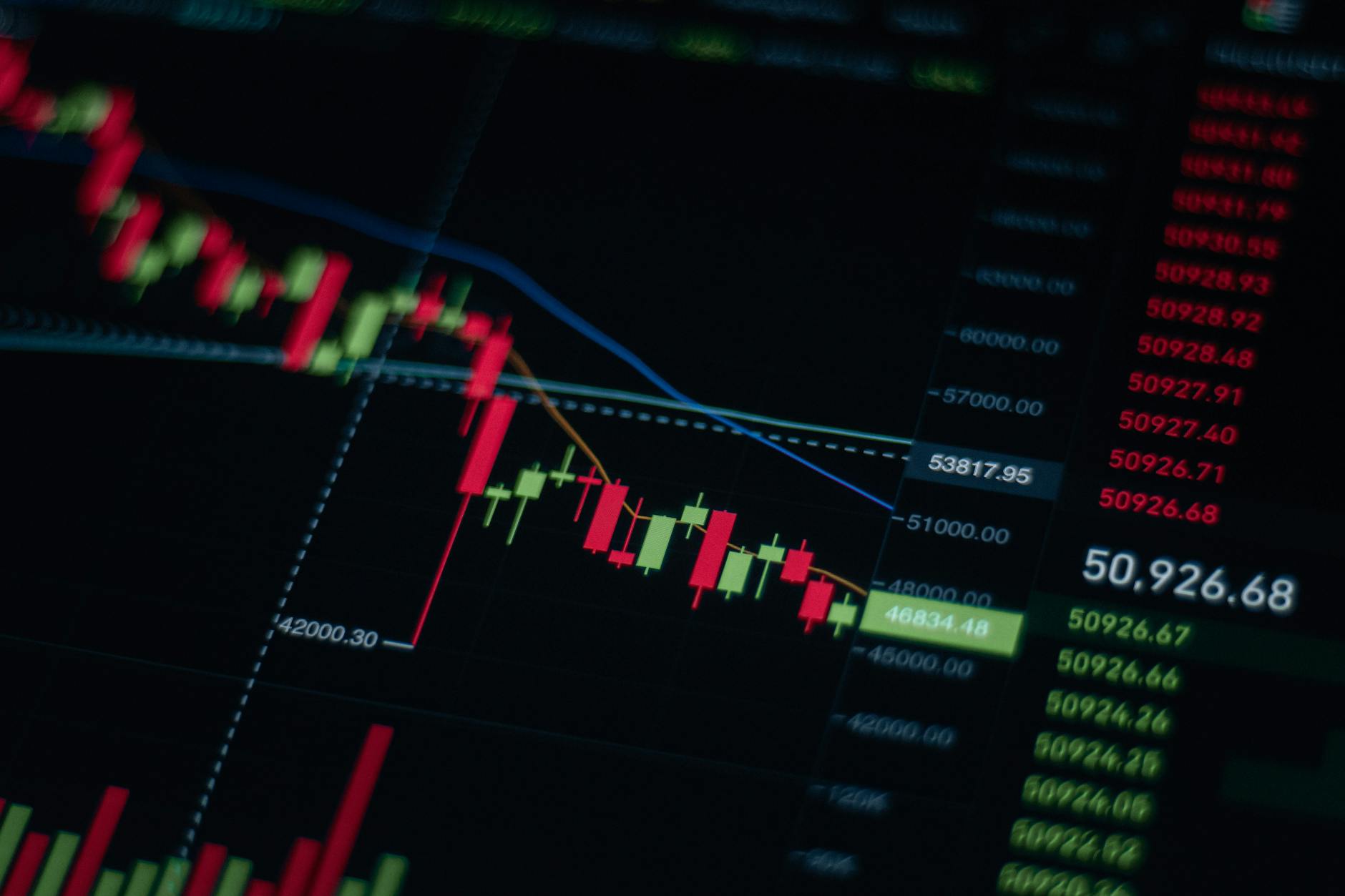
The irony is palpable. Just as policymakers were beginning to celebrate the return of disinflation, the global economy has been knocked off course by a supply disruption so severe that the International Energy Agency has characterized it as the "largest supply disruption in the history of the global oil market." The closure of the Strait of Hormuz, a critical chokepoint for global energy flows, has echoes of the 1970s energy crisis, but with modern complexities: digital financial markets, intertwined supply chains, and a geopolitical landscape far more fractured than before. The result is a surge in prices, a sell-off in bonds, and a global stock market decline that has sent fresh panic through financial centers from Wall Street to London.
The Return of Stagflation
The primary economic terror of 2026 is not just inflation, but stagflation. The conflict has led to acute supply shortages, currency volatility, and heightened risks of a recession that is accompanied by rising prices. This is the nightmare scenario for central banks. In the past, when inflation rose, the solution was to cut interest rates to stimulate growth. But when growth is already stagnant and inflation is driven by supply shocks, cutting rates can only worsen price pressures. The alternative—raising rates to crush inflation—can deepen the recession, crushing businesses and households alike.
Interest rate reductions, which were expected to be a cornerstone of the 2026 economic strategy, have now been postponed or, in some cases, reversed. The cost of this pivot is already being felt by consumers. The 30-year mortgage rate climbed to 6.38% in March, a figure that has effectively frozen the housing market for millions of Americans. The price of furniture and household maintenance has increased by 72.8%, and the price of transportation has surged by 67.5%. These are not abstract statistics; they are the daily reality of families trying to afford a home, a car, or a meal.
The pain is not distributed equally. Rural areas, which are often more dependent on transportation and energy-intensive industries, have experienced year-on-year inflation of 86.5%, while urban areas have seen a more moderate, though still devastating, 69.3%. This disparity is a stark reminder of the fragility of the global economic system and the vulnerability of those on the margins. The IMF has warned that if the war drags on, the risk of a global recession increases significantly, with the potential for a prolonged period of economic weakness that could last for years.
The IMF and World Bank: Cracks in the Global Dam
The International Monetary Fund and the World Bank, the twin pillars of the global financial architecture, are now issuing dire warnings. The IMF has projected that global growth will slow to 3.1 percent in 2026, a sharp deviation from the 3.4 percent forecast made before the conflict. Headline inflation is expected to rise to 4.4 percent, reversing the trend of disinflation that had taken hold in recent years. The World Bank, in its Global Economic Prospects report for June 2026, has gone even further, projecting growth to fall to just 2.5 percent in 2026—the lowest rate since the COVID-19 pandemic.
These institutions are not merely predicting a slowdown; they are warning of a systemic failure. The World Bank has noted that risks to the outlook are skewed to the downside, meaning that the probability of a worse outcome is higher than that of a better one. A renewed escalation of hostilities or more prolonged disruptions to commodity flows could further raise commodity prices, intensify inflation, and deepen the recession. The IMF has emphasized that the world economy has lost momentum from the impact of higher interest rates, the invasion of Ukraine, and widening geopolitical rifts. Now, the Middle East war poses a new uncertainty that threatens to push the global economy into a freefall.
The response from these institutions is a call for caution and targeted support. The IMF has urged governments to reject go-it-alone actions, keep fiscal support targeted and temporary, prevent inflation expectations from breaking anchor, and rebuild fiscal space. These are not new ideas, but they are ideas that are becoming increasingly difficult to implement in a world where trust is low and cooperation is hard. The world has become a more fragmented and potentially more dangerous place, and policymakers' reactions are driving markets and economies down.
Tariffs, Trade Wars, and the Collapse of Supply Chains
Beyond the war, the global economy is also being battered by a resurgence of trade wars and tariffs. The United States, in a bid to protect its domestic industries, has increased its trade war with China, leading to a significant drop in global trade flows. This has had a profound impact on countries like Canada, which have seen their energy prices drive up and their inflation rates rise. The rising oil prices have increased transportation and input costs, placing upward pressure on food prices and further exacerbating the inflation crisis.
The supply chains that have been the backbone of global trade for decades are now in a state of collapse. The closure of the Strait of Hormuz has disrupted the flow of oil, gas, and other critical commodities, leading to shortages and price surges. This has forced companies to rethink their supply chain strategies, moving away from the efficiency-focused model of the past and toward a more resilient, albeit less efficient, approach. The result is a rise in costs, a slowdown in production, and a further drag on economic growth.
The trade wars and tariffs are not just a problem for the United States and China; they are a problem for the entire world. The European Union has increased its inflation forecast to between 2.6% and 4.4%, depending on the severity of the war. The UK is expected to breach 5% in inflation in 2026, the highest prediction for Europe. The OECD forecasts that inflation in the US will be 4.2% this year, higher by 1.2% than previous predictions. These are not isolated cases; they are part of a global trend that is driven by the war, the trade wars, and the collapse of supply chains.
The Housing Crisis: A Silent Recession
While the war and the trade wars are the most visible threats to the global economy, there is another crisis that is quietly eroding the foundations of the economy: the housing crisis. The surge in mortgage rates has made it impossible for millions of Americans to buy a home, leading to a freeze in the housing market. This has not only hurt the housing industry, but it has also hurt the broader economy, as the housing sector is a key driver of economic growth.
The housing crisis is not just a problem for the United States; it is a problem for the entire world. The European Union has seen a rise in housing prices, leading to a surge in inflation. The UK has seen a similar trend, with housing prices rising by 7% in 2025. These price surges are not just a problem for the rich; they are a problem for the working class, who are struggling to afford a home. The housing crisis is a silent recession that is eroding the foundations of the economy, and it is a problem that will not be solved by tariffs or trade wars.
The Path Forward: A Fragile Resilience
The path forward is not clear. The world is facing a new period of economic weakness, one that is characterized by high inflation, low growth, and a fragile resilience. The IMF and the World Bank have warned that the world economy is being tested again, and that the war in the Middle East poses a new uncertainty that threatens to push the global economy into a freefall. The response from these institutions is a call for caution and targeted support, but it is a call that is becoming increasingly difficult to implement in a world where trust is low and cooperation is hard.
The world has become a more fragmented and potentially more dangerous place, and policymakers' reactions are driving markets and economies down. The war in the Middle East, the trade wars, and the collapse of supply chains are not just problems for the United States and China; they are problems for the entire world. The response to these problems is not easy, but it is necessary. The world must work together to build a more resilient, more efficient, and more sustainable economy. The future is uncertain, but it is not hopeless. The world has the potential to overcome these challenges, but it must do so with a sense of unity and a commitment to the common good.
As the global economy faces this new crisis, the question is not whether the world will recover, but how quickly it will do so. The answer lies in the ability of policymakers to work together, to reject go-it-alone actions, and to build a more resilient, more efficient, and more sustainable economy. The future is uncertain, but it is not hopeless. The world has the potential to overcome these challenges, but it must do so with a sense of unity and a commitment to the common good.
"The world economy has lost momentum from the impact of higher interest rates, the invasion of Ukraine, and widening geopolitical rifts, and it now faces a new uncertainty posed by the war in the Middle East." - International Monetary Fund
"The conflict has echoed the 1970s energy crisis through acute supply shortages, currency volatility, inflation and heightened risks of stagflation and recession." - Wikipedia on the Economic impact of the 2026 Iran war
"Our reference forecast, which assumes a short-lived conflict and a moderate 19 percent increase in energy commodities prices in 2026, still puts global growth at only 3.1 percent this year and headline inflation at 4.4 percent, a sharp deviation from the global disinflation trend in recent years." - IMF World Economic Outlook