📖 Longform
50 articles · Updated every 2 hours
The New Space Race Is Not a Race to the Moon — It Is a Test of Civilization
Spaceflight in 2026 is no longer a cinematic contest between superpowers. It is a harder, more consequential experiment: can rockets, biology, and climate science be turned into systems that make human progress faster than human fragility?

The New Frontiers of Proof: How 2026 Is Rewriting Science’s Oldest Questions
From SpaceX’s industrialized access to orbit to NASA’s patient search for life, 2026 has become a year when scientific ambition is colliding with engineering scale. The most consequential breakthroughs are not a single discovery but a pattern: medicine, physics and climate research are increasingly advancing by turning once-theoretical ideas into usable systems.

The New Medicine Is Here — but the Hard Part Has Only Just Begun
This year’s drug approvals point to a defining shift in medicine: more oral treatments, more precision therapies, and more attempts to prevent disease before it becomes irreversible. Yet the same breakthroughs that are widening the therapeutic arsenal are exposing a harder truth about cancer, mental health, pandemics, and longevity: biology is yielding more slowly than investors, regulators, and patients would like.
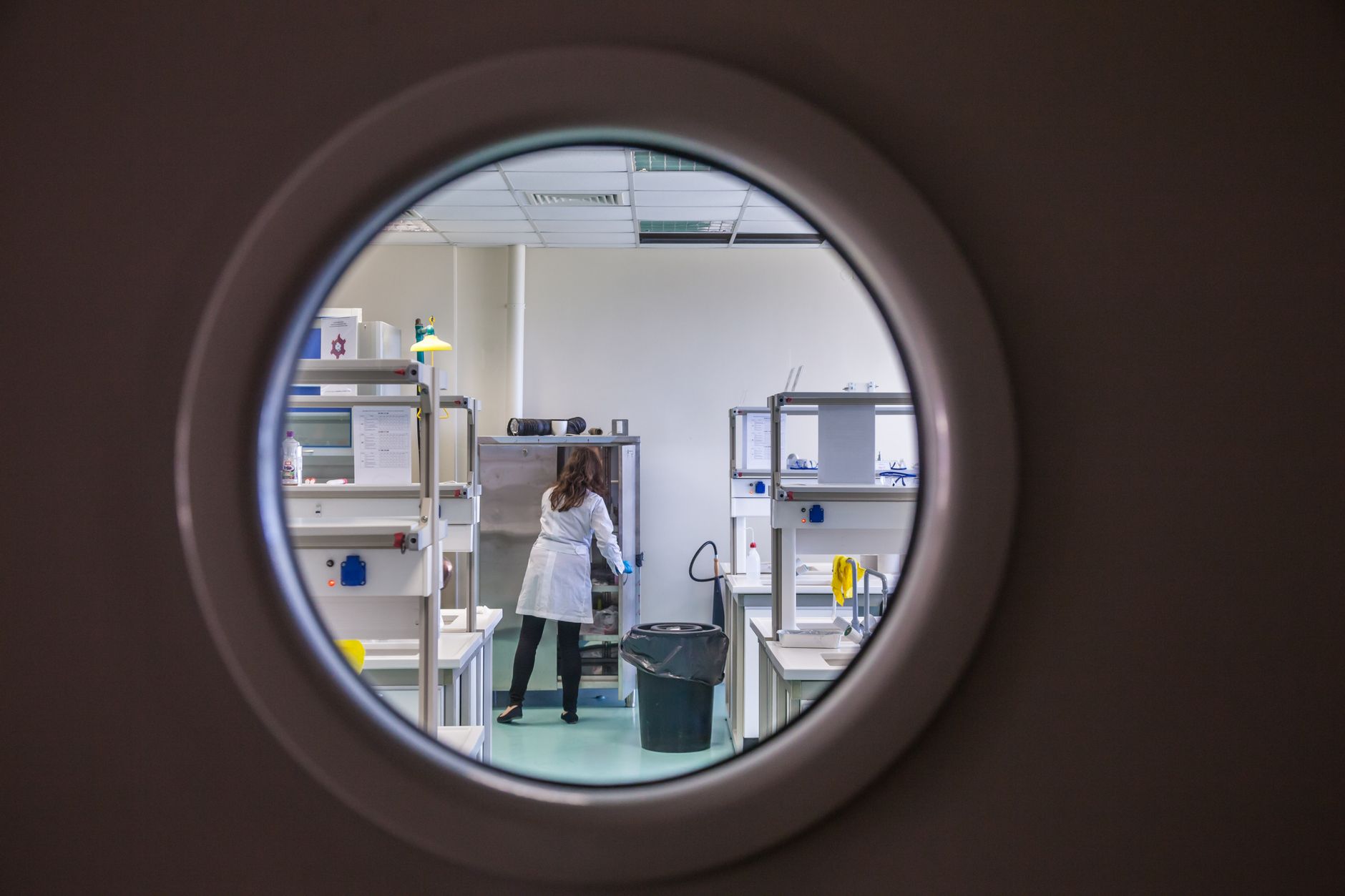
The New Drug Age: Medicine’s Advance, and Its Limits
The first half of 2026 has brought a burst of new drugs across cancer, infectious disease, hypertension and obesity, reinforcing a simple truth: biomedical innovation is still moving fast. But the deeper story is not just about approvals. It is about the widening gap between what science can now make possible and what health systems can reliably deliver.
The New Medicine Economy: Why 2026 Is Turning Out to Be a Test of Hope, Cost, and Control
This year’s drug pipeline is not just producing more treatments; it is exposing the shape of modern medicine itself. From oral obesity pills and next-generation cancer drugs to long-shot longevity science and the lingering threat of pandemics, the real question is no longer whether innovation is accelerating, but who will benefit when it does.

The New Pharmacology of Hope
Medicine in 2026 is being remade by two opposing forces: the thrilling arrival of genuinely novel drugs, and the stubborn complexity of the diseases they are meant to tame. From oral GLP-1s and next-generation cancer therapies to first-in-class approaches for rare disorders, biotechnology is widening the frontier even as mental health, pandemic readiness, and longevity science expose how much remains unresolved.
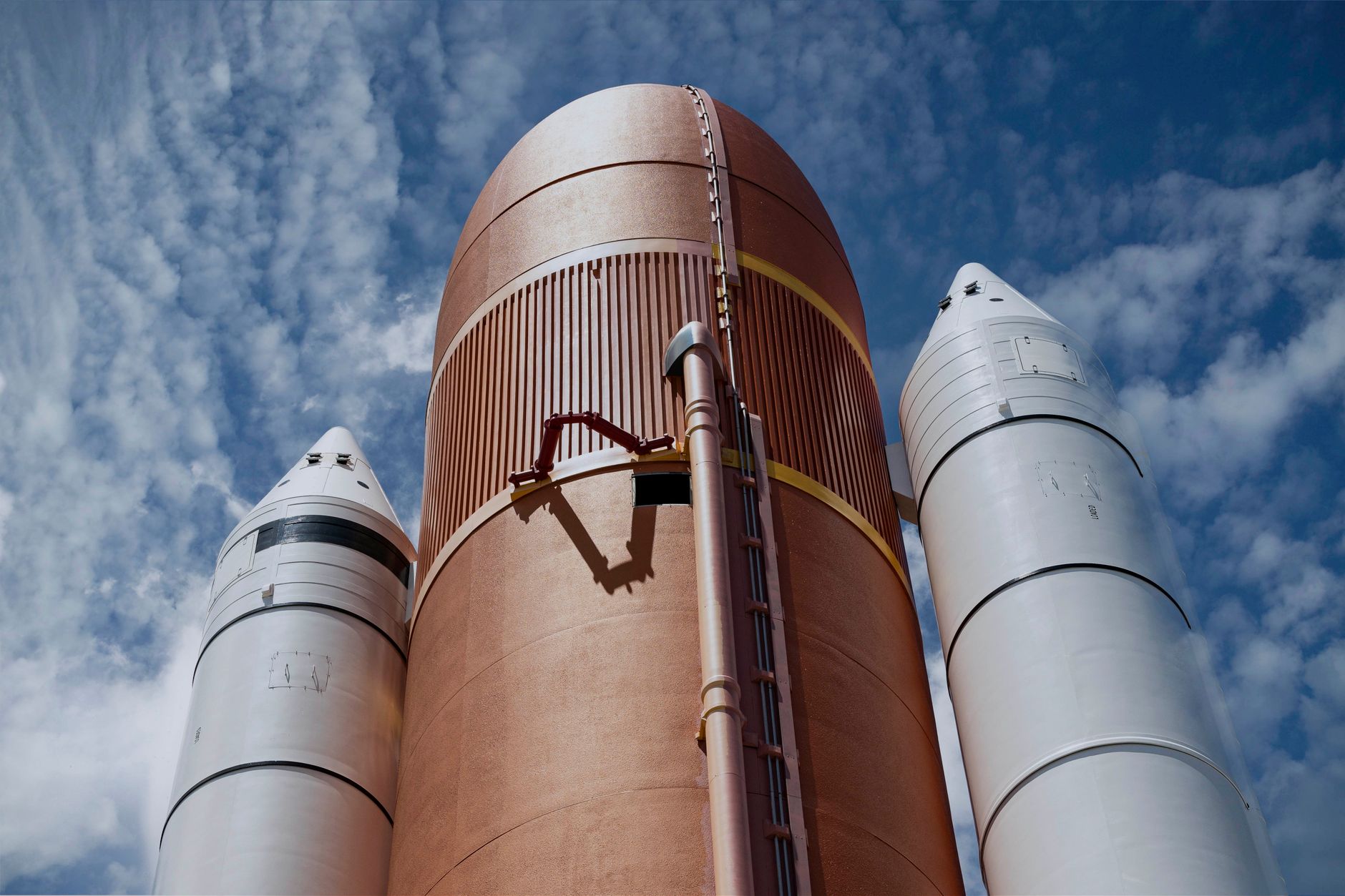
The New Space Age Is No Longer About Arriving First
NASA’s latest science missions and SpaceX’s launch cadence point to a deeper shift in exploration: space is becoming a laboratory, an infrastructure layer, and a competitive industrial market at once. From mapping the universe to monitoring the Sun, the newest breakthroughs show that the frontier now belongs less to flags than to data, reuse, and speed.
The New Space Race Is Really a New Science Machine
SpaceX’s launch cadence, NASA’s new observatories, and a wave of advances in medicine, physics, and climate science are beginning to look less like separate headlines than one integrated scientific system. The common thread is not just ambition, but speed: the ability to put instruments, data, and sometimes humans into the right place at the right time, repeatedly.

The Great Unlocking: How Medicine Finally Learned to Outsmart Cancer and Age
Cancer survival rates have hit a historic 70%, driven by a revolution in immunotherapy and personalized vaccines that are turning fatal diagnoses into manageable conditions. Beyond oncology, breakthroughs in AI-driven drug design, cellular therapies, and longevity research are reshaping the very definition of health, offering a future where disease is detected early and treated with precision rather than brute force.

The Great Unraveling: How Cancer, Once a Death Sentence, Is Becoming a Manageable Condition
In 2026, a historic convergence of immunotherapy, mRNA vaccines, and AI-driven diagnostics has pushed the five-year survival rate for all cancers to 70%, transforming metastatic diseases from terminal diagnoses into chronic conditions. New breakthroughs in liquid biopsies and personalized RNA vaccines are not just extending lives but sparing patients from the ravages of surgery and radiation, heralding a new era of precision medicine.
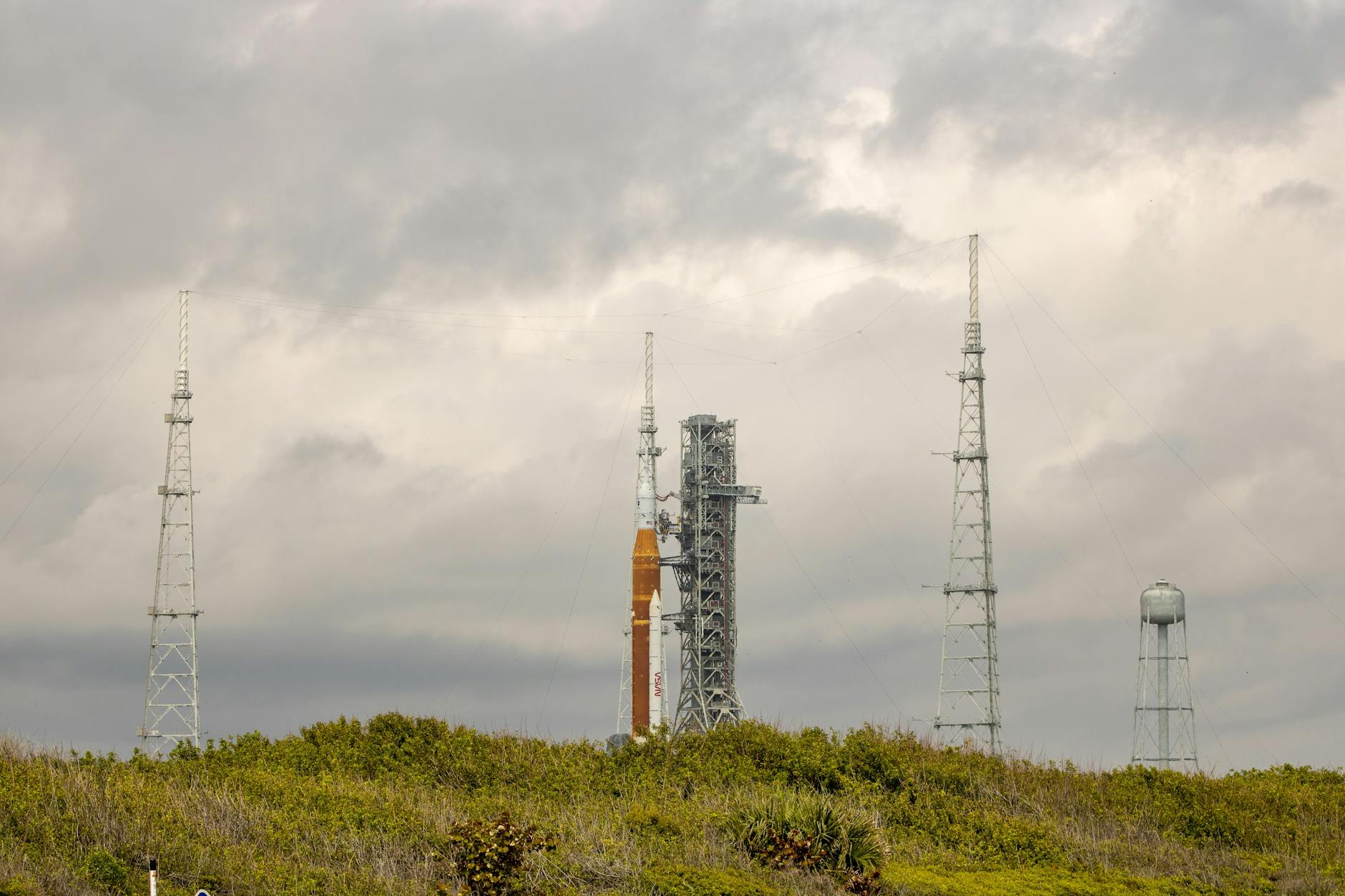
The Year Space Went Commercial: How 2026 Rewrote the Rules of Cosmic Exploration
2026 marks the definitive pivot from government-led spaceflight to a commercial cosmic economy, anchored by NASA's Artemis II crewed lunar flyby and SpaceX's next-generation Starship V3. As private space stations launch, asteroid samples return, and new telescopes confront dark matter, the sector is transforming from a Cold War relic into the engine of the next industrial revolution.
The New Space Age: How 2026 Is Redefining Humanity's Frontier
From NASA's Artemis II lunar flyby to SpaceX's relentless launch cadence, 2026 marks a pivotal year where space exploration converges with breakthroughs in medicine, climate science, and physics. This sharp analytical journey reveals how artificial cells, root-engineered crops, and quantum discoveries are reshaping life on Earth and beyond.

The Cancer Revolution: How New Drugs, Smart Biologics, and AI Are Rewriting the Odds in 2026
In 2026, cancer is no longer a death sentence for most; with survival rates hitting 70%, breakthroughs in immunotherapy, personalized vaccines, and AI-driven diagnostics are transforming how doctors fight the disease—and who survives it.
The Great Survival Shift: How New Drugs and Biotech Are Rewriting Cancer, Mental Health, and Longevity
2026 marks a historic turning point in health and medicine, with immunotherapy pushing five-year cancer survival to 70% and mRNA vaccines personalizing treatment. As smart T-cell therapies, AI-driven diagnostics, and longevity breakthroughs converge, the era of incurable disease is yielding to a new paradigm of precision and prevention.
The 2026 Cure: How Smart Drugs, DNA Vaccines, and AI Are Rewriting the Future of Health
In 2026, cancer is no longer a death sentence for many, with five-year survival rates hitting 70% thanks to immunotherapy and cellular therapies. From mRNA-based personalized vaccines to AI-driven drug discovery, biotech is conquering the old barriers of metastasis and resistance, offering a glimpse of a world where pandemics are predicted and longevity is engineered.
The Age of Medicine’s Great Recalibration
Biomedicine is entering a more demanding era: one in which the most exciting drugs are also the most scrutinized, and the boldest claims about cancer, mental health, and longevity must survive real-world proof. From KRAS inhibitors to gene editing, from GLP-1s to senolytics, the field is moving fast—but not in a straight line.
The New Space Age Is Arriving Faster Than Its Grown-Ups Can Govern It
Space exploration in 2026 is no longer a single national project but a crowded system of lunar ambitions, commercial launchers, telescopes, and scientific bets that stretch from the Moon to the clinic. The year’s biggest breakthroughs may matter less as isolated feats than as evidence that space, medicine, climate science, and physics are becoming one intertwined industrial age.
The New Space Age Is Really About Earth
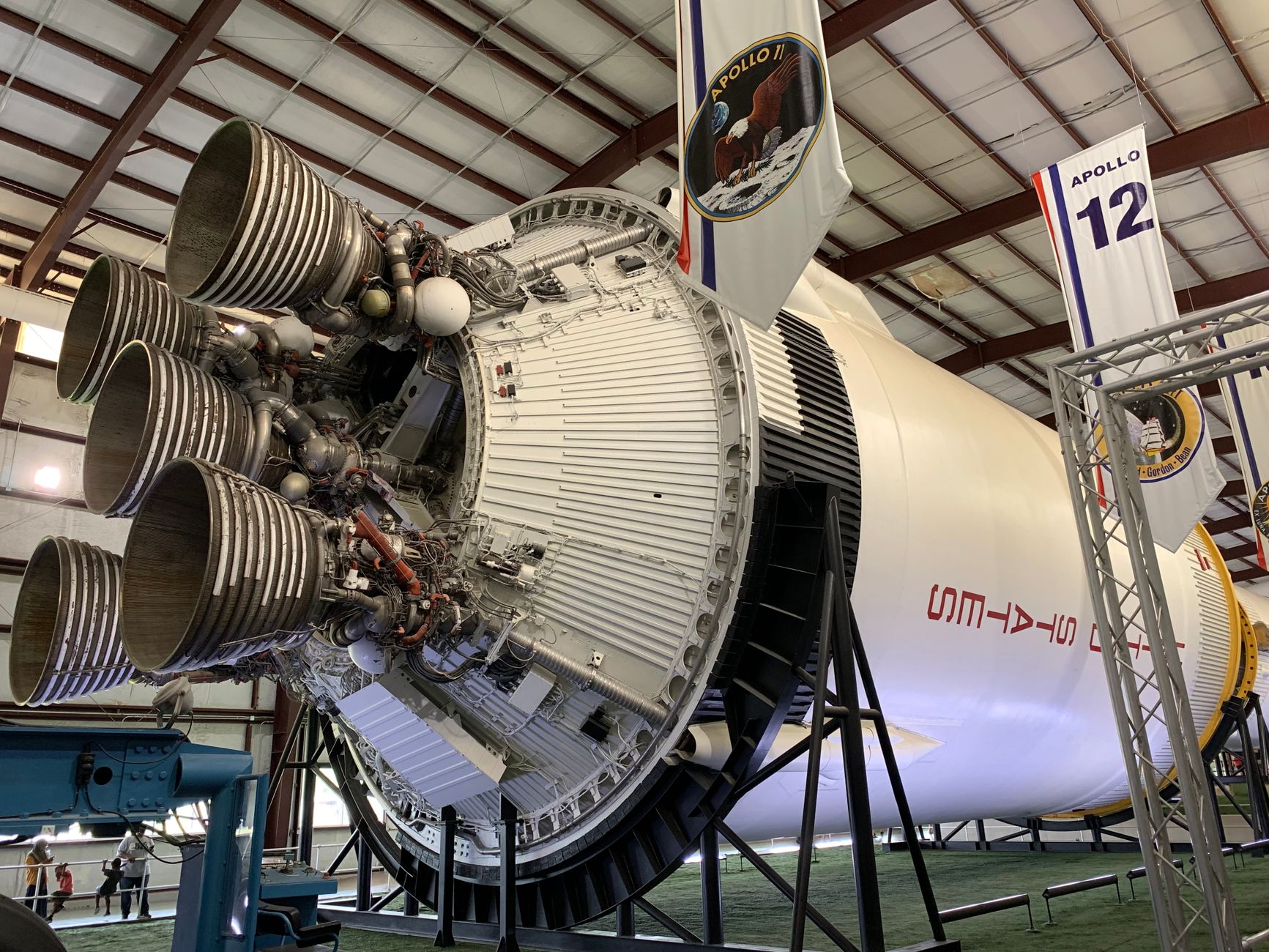
Space exploration is entering a more consequential phase: rockets are becoming reusable, NASA’s lunar ambitions are being rebuilt around private launchers, and the medical and physical sciences are turning microgravity into a laboratory for the human body and matter itself. The result is a space race that is less about flags than about infrastructure, less about spectacle than about the hidden technologies and discoveries that may reshape life on Earth.
The New Space Age Is No Longer a Future Tense
A surge of missions in 2026 is turning space exploration from spectacle into infrastructure: lunar flybys, telescope launches, asteroid studies and even sample returns that could redraw what science knows about the solar system. The deeper story is not a single breakthrough, but a convergence of ambition across NASA, SpaceX, Europe, Japan, China and India—and the way that convergence is beginning to touch medicine, physics and climate research on Earth.
The New Medicine of Old Age
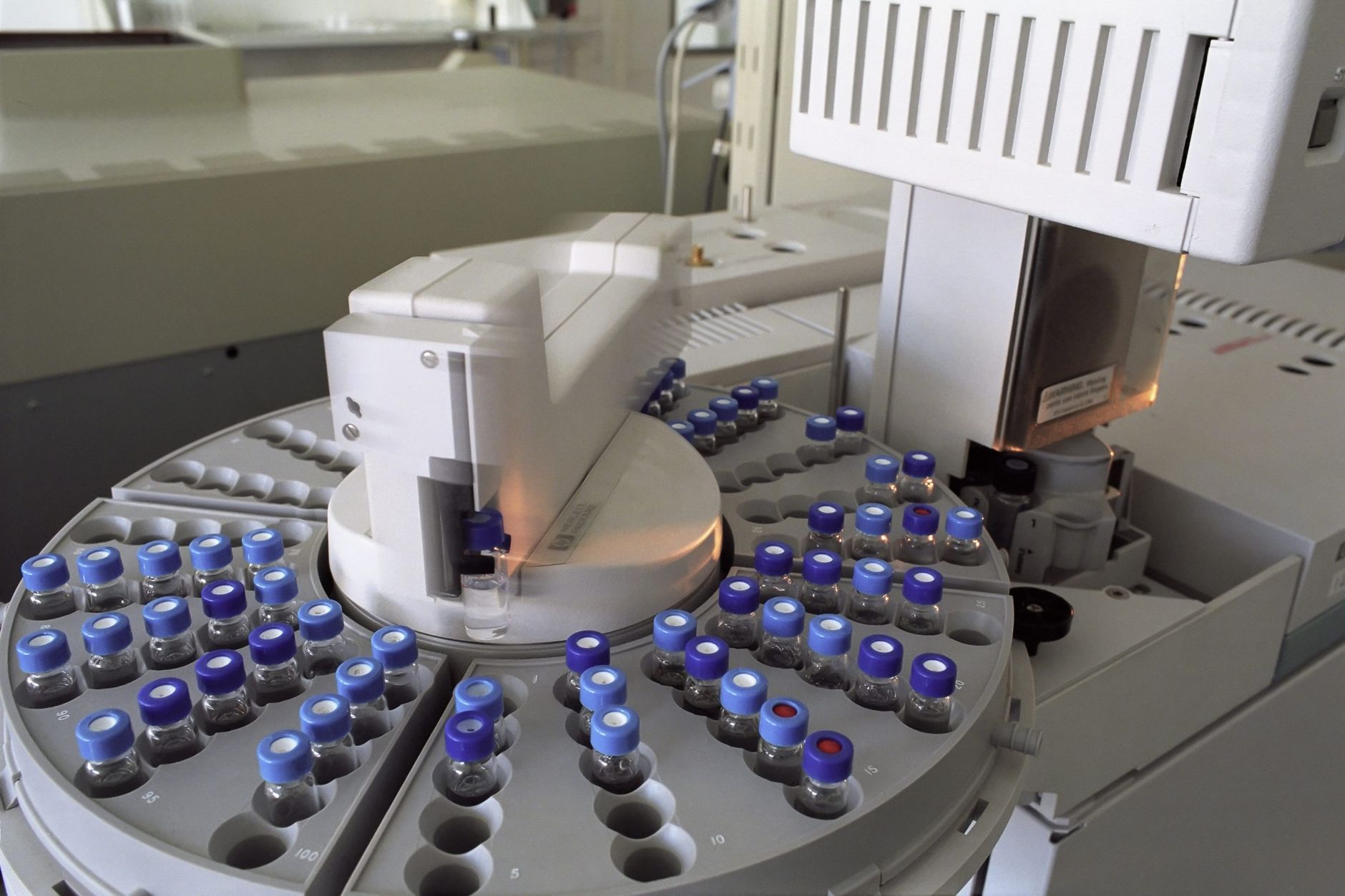
Biomedicine is entering a strange and consequential phase: the sharpest advances in drugs, cancer treatment, mental health and infectious disease are converging with a longer-term ambition to slow aging itself. What once looked like separate revolutions now appears to be one system-wide effort to turn illness from a fate into a problem of timing, mechanism and prevention.
The New Space Race Is Really a Knowledge Race
2026 is shaping up as a year when space exploration, biomedical research, and climate science begin to converge around a single theme: the struggle to turn spectacular engineering into durable knowledge. From NASA’s Roman telescope and Artemis II to SpaceX’s Starship test program and new findings in medicine and physics, the frontier is no longer just about reaching farther — it is about building systems that can survive contact with reality.
The New Medicine Is Arriving in Fragments—and Together
The frontiers of medicine are no longer arriving as singular miracles but as a dispersed, accelerating system: targeted cancer drugs, smarter diagnostics, engineered immune cells, and a deeper understanding of the biology of aging and mental illness. The challenge now is not whether the science works, but whether health systems, regulators, and patients can keep pace with its cost, complexity, and uneven access.
The New Space Race Is No Longer Just About Going First
From lunar flybys and flagship telescopes to a faster, more commercial launch economy, 2026 is turning space exploration into a test of industrial scale, scientific patience and geopolitical nerve. The real breakthrough is not any single rocket or mission, but the way space is becoming the proving ground for medicine, physics and climate science on Earth and beyond.
Medicine’s New Frontier: Better Drugs, Earlier Cures, and a Longer, Harder Life
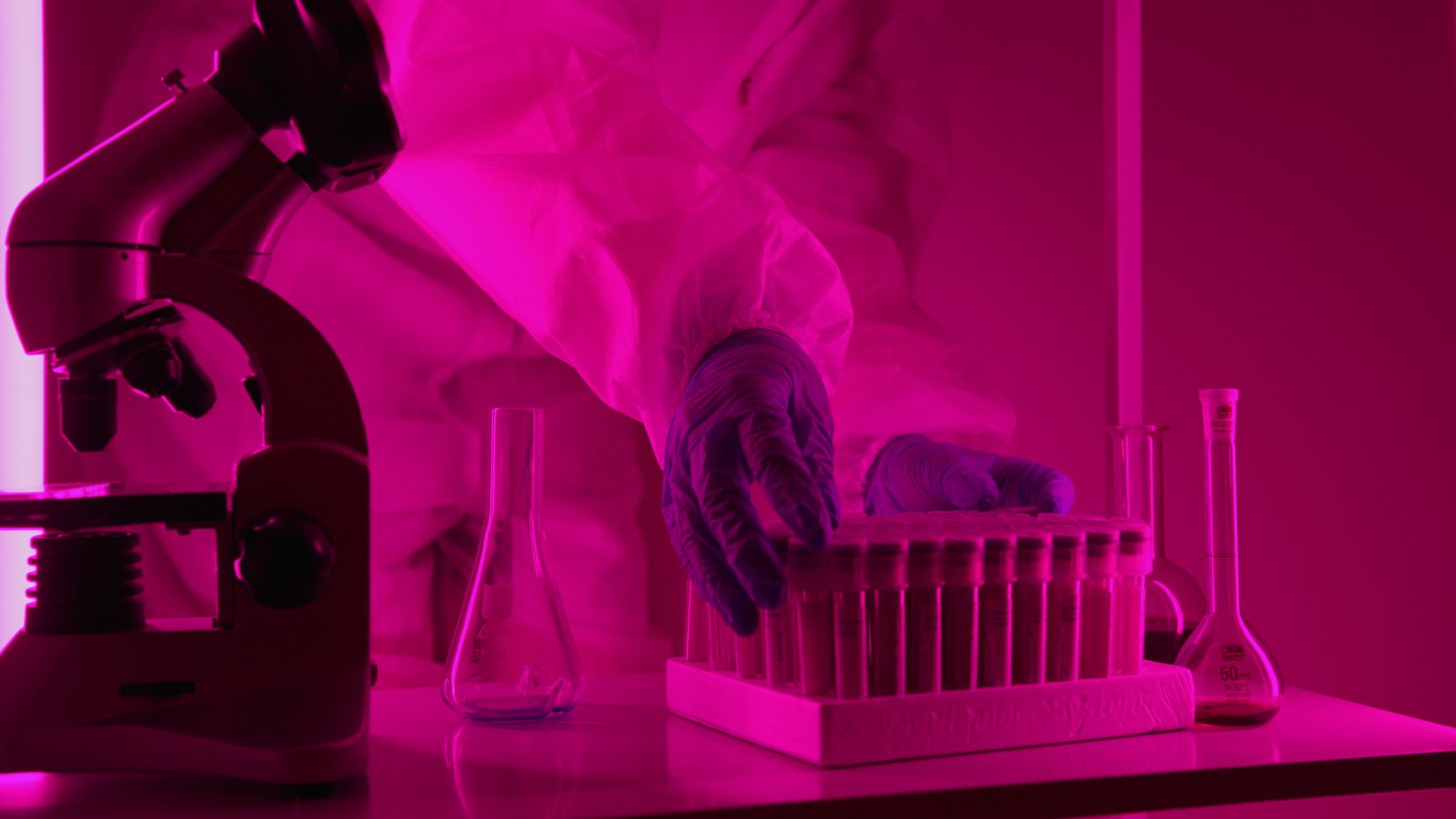
Biomedicine is entering a more exacting phase: cancer science is shifting toward earlier detection, smarter combinations, and therapies aimed at the tumor’s surroundings rather than the tumor alone. At the same time, drug discovery, mental health, pandemic preparedness, and longevity research are converging into a single question—how to extend life without extending frailty.

Medicine’s New Frontier: Why the Next Breakthrough May Be Less a Cure Than a System
Cancer, biotech, mental health, and longevity research are converging into a single, more ambitious era of medicine—one that prizes earlier detection, better targeting, and smarter deployment of data over heroic one-shot cures. The result is not just a pipeline of new drugs, but a reordering of how modern medicine thinks about risk, resilience, and time.

The New Medicine of Plenty
Biomedicine is entering an era defined less by single breakthroughs than by convergence: drugs that do more than one thing, cancer therapies built around immune precision, and longevity research that is moving from speculation to strategy. The question now is not whether science can extend life, but whether health systems, regulators, and patients can keep pace with what is being discovered.
The New Medicine Is Getting Smarter—And More Uneven
Cancer is entering a more granular age, with earlier detection, smarter trials, and a new generation of targeted therapies promising gains that are real but still fragile. At the same time, mental health, pandemic readiness, and longevity science are moving from slogans to systems—revealing both progress and the widening gap between what medicine can do and what health systems can deliver.
The New Biology of Medicine: Faster Drugs, Older Populations, Bigger Bets
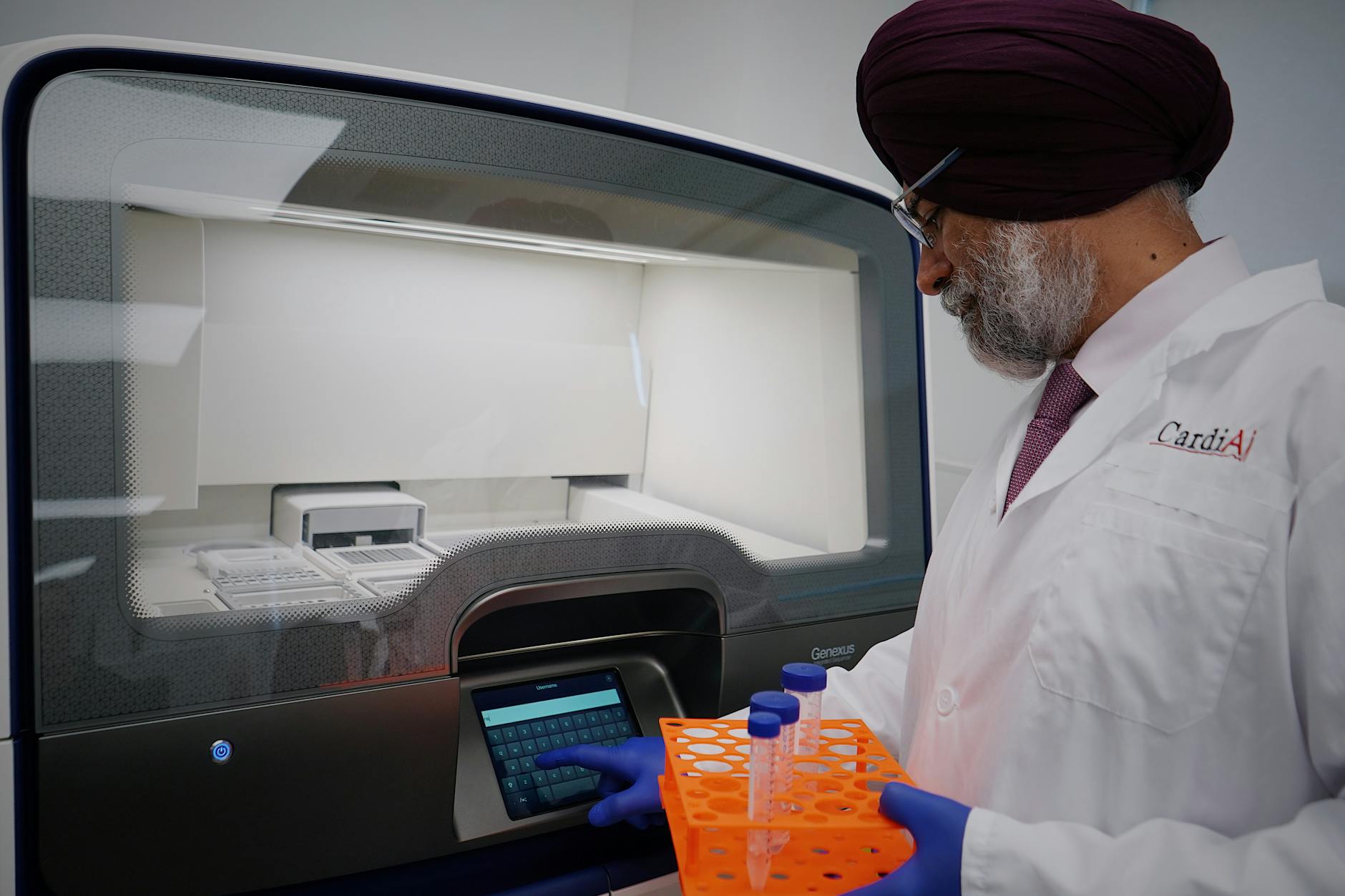
Medicine is entering a phase in which the same scientific tools are reshaping cancer, mental health, infectious disease, and ageing itself. The result is not a single breakthrough but a convergence: more precise drugs, more ambitious biology, and a health system trying to catch up.
The New Medicine Is Bigger Than a Drug
Biomedicine is entering a phase of unusual ambition: drugs are becoming more precise, cancer research more programmable, mental-health treatment more mechanistic, and longevity science more corporate. The result is not a single breakthrough but a broad reordering of what medicine thinks it can do—and what it can promise.
The Next Frontier Is Already on the Launchpad
Space exploration is entering a phase defined less by spectacle than by systems: reusable rockets, robotic precursors, and a growing industrial base that is making deep-space ambition routine. At the same time, new medical, physics, and climate findings are showing that the most consequential breakthroughs of this decade may come not from a single discovery, but from the accelerating marriage of engineering and science.
The New Medicine: How Biotech Is Redrawing the Boundaries of Illness, Ageing and Survival
A wave of new drugs, from GLP-1s to gene-edited therapies, is changing what medicine can do, and what investors think it is worth. Yet the deeper story is not any single breakthrough, but the convergence of cancer biology, mental-health therapeutics, pandemic preparedness and longevity science into one contested race to turn discovery into durable public benefit.
The New Space Age Is Really Three Revolutions at Once
Space exploration in 2026 is no longer a single race to the Moon or Mars. It is a collision of launch economics, scientific discovery, and terrestrial problem-solving, where NASA, SpaceX, and the broader research world are turning rockets, physics, and medicine into one interconnected industrial system.
The New Biology of Survival
Medicine is entering a new era in which cancer is treated earlier, more precisely and, in some cases, almost like a chronic disease. But the same scientific machine that is transforming oncology is also exposing the limits of what biotech can deliver, from psychiatric drugs to anti-ageing promises and pandemic preparedness.
The New Space Age Is Not About Conquest. It Is About Consequence.
Space exploration has entered a pragmatic era in which reusable rockets, orbital laboratories and commercial launch systems are no longer symbols of prestige but tools for discovery. From SpaceX’s launch economics to NASA’s medical and climate research, the frontier is increasingly judged by what it returns to Earth.
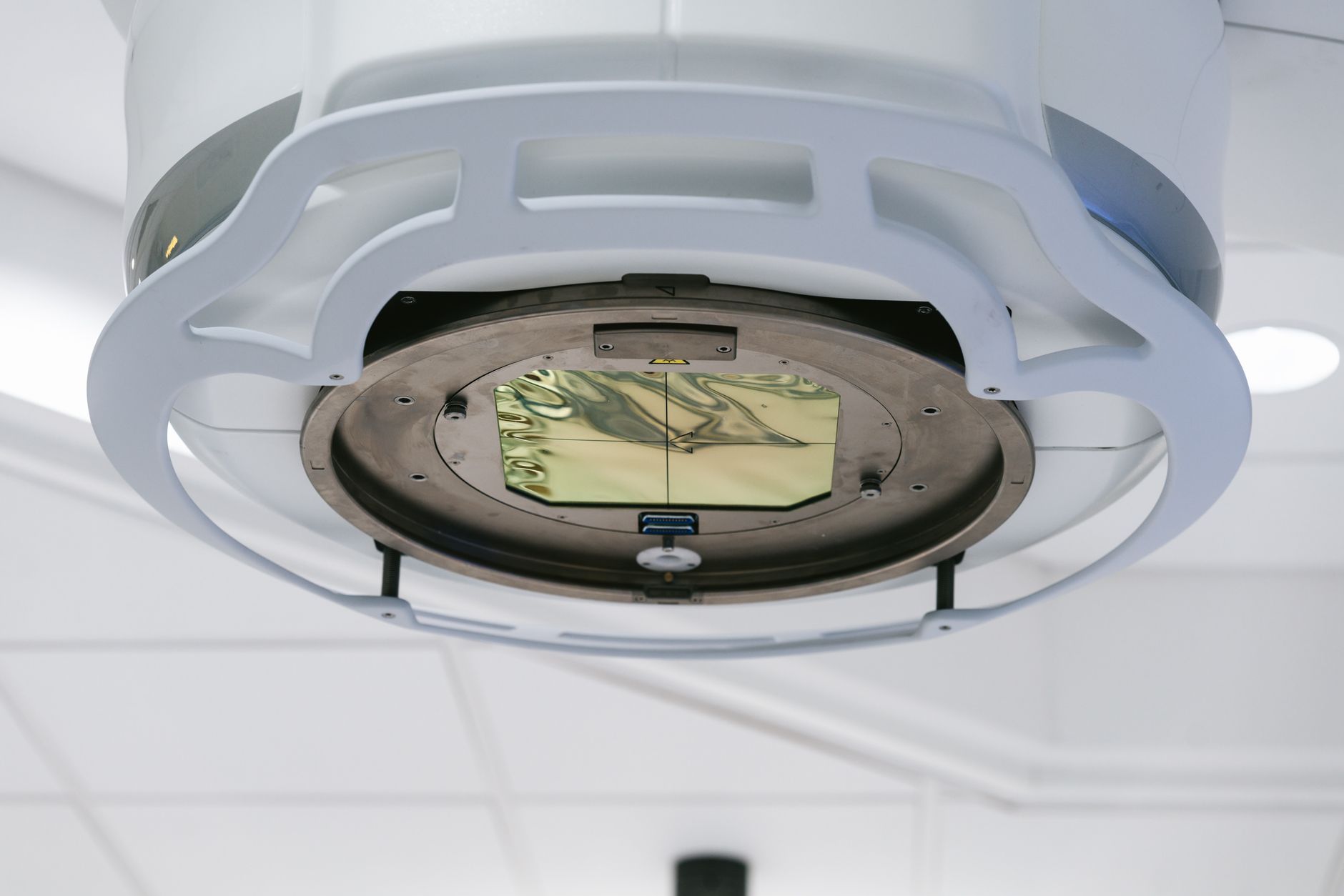
The New Age of Medicine Is Arriving—Unevenly, Uneasily, and in Real Time
Medicine is entering a strangely bifurcated era: breathtaking scientific progress on one side, institutional fragility on the other. From cancer drugs and AI-discovered compounds to mental health, pandemic preparedness, and longevity biotech, the next phase of health care may be defined less by a single breakthrough than by the race to turn many partial breakthroughs into something usable, equitable, and safe.

The New Age of Medicine: How Biotech Is Redrawing the Boundary Between Cure and Care
A wave of drug approvals, cancer breakthroughs, mental-health innovation and longevity science is transforming medicine from a discipline of rescue into one of prediction, prevention and repair. Yet the same technological optimism that powers biotech’s advance is exposing the limits of hospitals, regulators and public trust.
The New Space Age Is Really About Earth
A burst of progress in rockets, orbital science, and deep-space planning is creating a quieter revolution on Earth, where the same machines that aim for the Moon are reshaping medicine, climate research, and our understanding of physics. The spectacle of launch is real; the deeper story is that space is becoming a laboratory, a supply chain, and a civic utility at once.
The New Biology of Hope
Medicine is entering a rare phase in which breakthroughs are arriving across several fronts at once: cancer therapy, psychiatric drugs, pandemic preparedness and the science of aging. The danger is not that progress has stalled, but that it is accelerating unevenly—rewarding the rich, challenging institutions and forcing a rethink of what medicine is for.
The New Space Age Is Really a New Science Age
Spaceflight has become more than a competition of rockets and flags. In 2026, launches by SpaceX and NASA are increasingly serving as platforms for medical research, fundamental physics, and climate observation, turning orbit into a laboratory that is reshaping life on Earth. The real breakthrough is not that humans are going farther, but that they are learning to use space with unprecedented scientific purpose.

The New Space Age Is Already Changing Medicine, Physics, and the Climate Debate
Spaceflight has ceased to be a spectacle reserved for national flags and heroic portraits. It is now an industrial, scientific, and commercial system producing spillovers in medicine, materials science, climate observation, and the physics of extreme environments. The paradox of the modern space race is that its most important gains may be arriving not on Mars, but in operating rooms, weather models, and laboratories on Earth.
The New Age of Discovery: How Space, Medicine, and Physics Are Colliding in 2026
A remarkable moment is unfolding across science: rockets are becoming more routine, space agencies are preparing the next generation of exploration, and discoveries in physics and medicine are reshaping what “breakthrough” means. From SpaceX launches to NASA missions, from climate sensing to biomedical advances, 2026 is revealing a deeper truth: the frontier is no longer one frontier, but many, linked by the same appetite for risk, computation, and scale.
The New Age of Discovery: How Spaceflight, Medicine, and Physics Are Converging Into One Scientific Moment
From rockets and lunar probes to gene therapies and particle physics, 2026 is shaping up as a year when the boundaries between disciplines feel newly porous. The most consequential breakthroughs are no longer arriving as isolated triumphs, but as part of a connected system of research, industry, and public ambition.

The Longevity Revolution: How Cancer Drugs and AI Are Rewriting the Rules of Aging
In 2025, breakthroughs in GLP-1 agonists, next-generation TOR inhibitors, and AI-driven therapies propelled longevity research from fringe science to biopharma's hottest frontier. Repurposed cancer drugs are extending lifespans in labs, while regulatory shifts signal a new era of anti-aging medicines. But as Big Pharma races in, ethical questions loom over who will live longer—and at what cost.
The Longevity Revolution: How AI and Cancer Drugs Are Rewriting the Rules of Aging
As biotechnology surges forward in 2026, AI-driven drug discovery and unexpected anti-aging breakthroughs from cancer research are converging to challenge our understanding of human lifespan. From Insilico Medicine's pioneering Longevity Board to TOR inhibitors extending yeast life, these innovations promise to shift medicine from disease treatment to proactive healthspan extension. Yet, amid hype, skeptics warn of overhyped claims and regulatory hurdles in translating lab wins to human trials.
The Dawn of Curable Cancer: How 2026's Biotech Revolution Is Rewriting Medicine's Rules
In 2026, cancer's five-year survival rate has hit 70%, propelled by immunotherapy, targeted degraders, and AI-driven personalization. From menin inhibitors shattering AML barriers to mRNA vaccines slashing recurrences, these breakthroughs signal a seismic shift in oncology. Yet amid triumphs in longevity and biotech, mental health and pandemic preparedness reveal medicine's uneven frontiers.
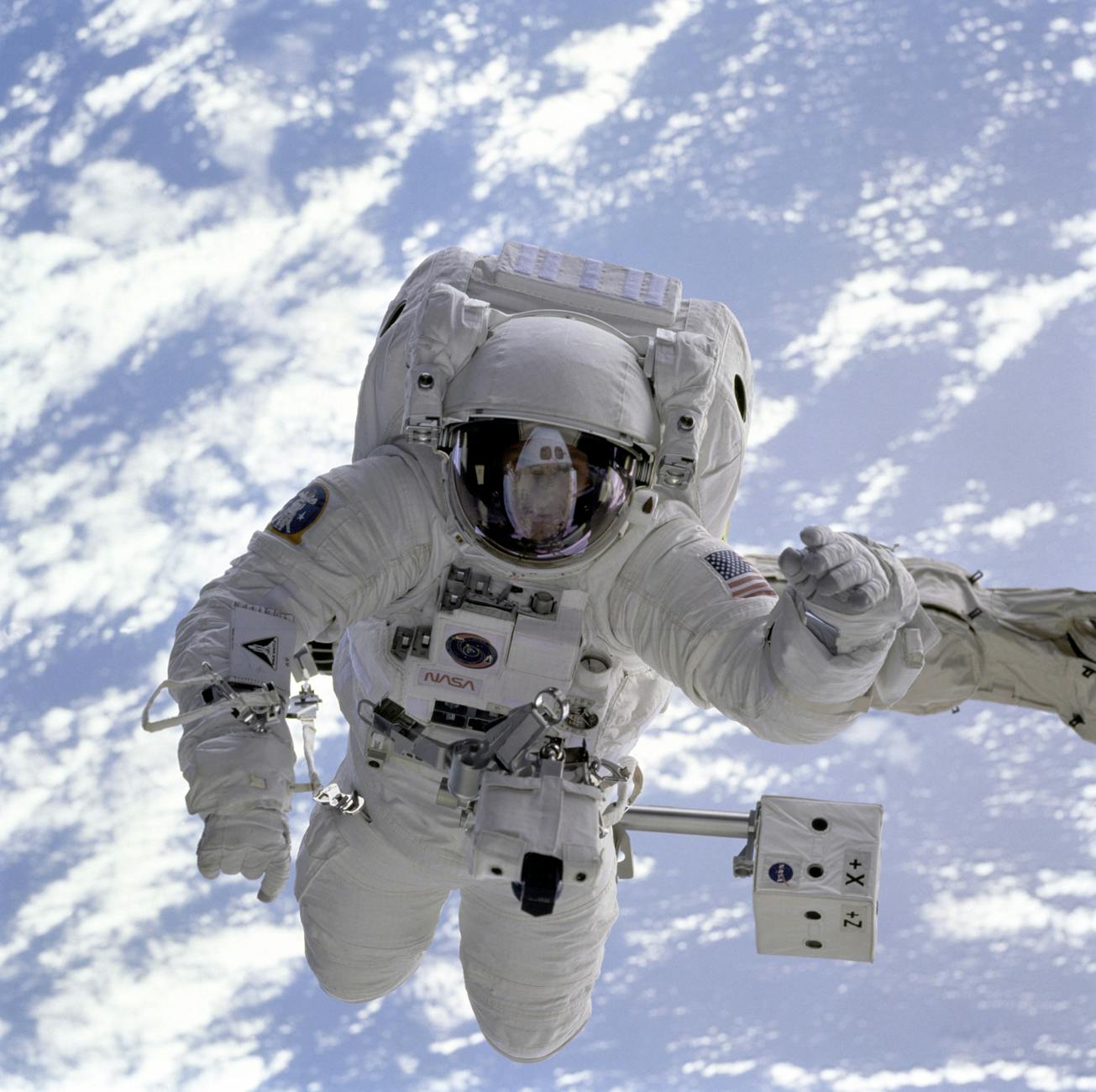
Orbital Laboratories: How the International Space Station Is Reshaping Medicine, Climate Science, and the Frontiers of Human Ambition
In 2025, the International Space Station hosted over 750 experiments that yielded breakthroughs from cancer-fighting drugs to solar wind mapping, all while private players like SpaceX slash the costs of access. These microgravity marvels are not just propelling us toward Mars—they're revolutionizing earthly healthcare and climate monitoring. As NASA and commercial titans converge, a new era of space-driven innovation beckons.
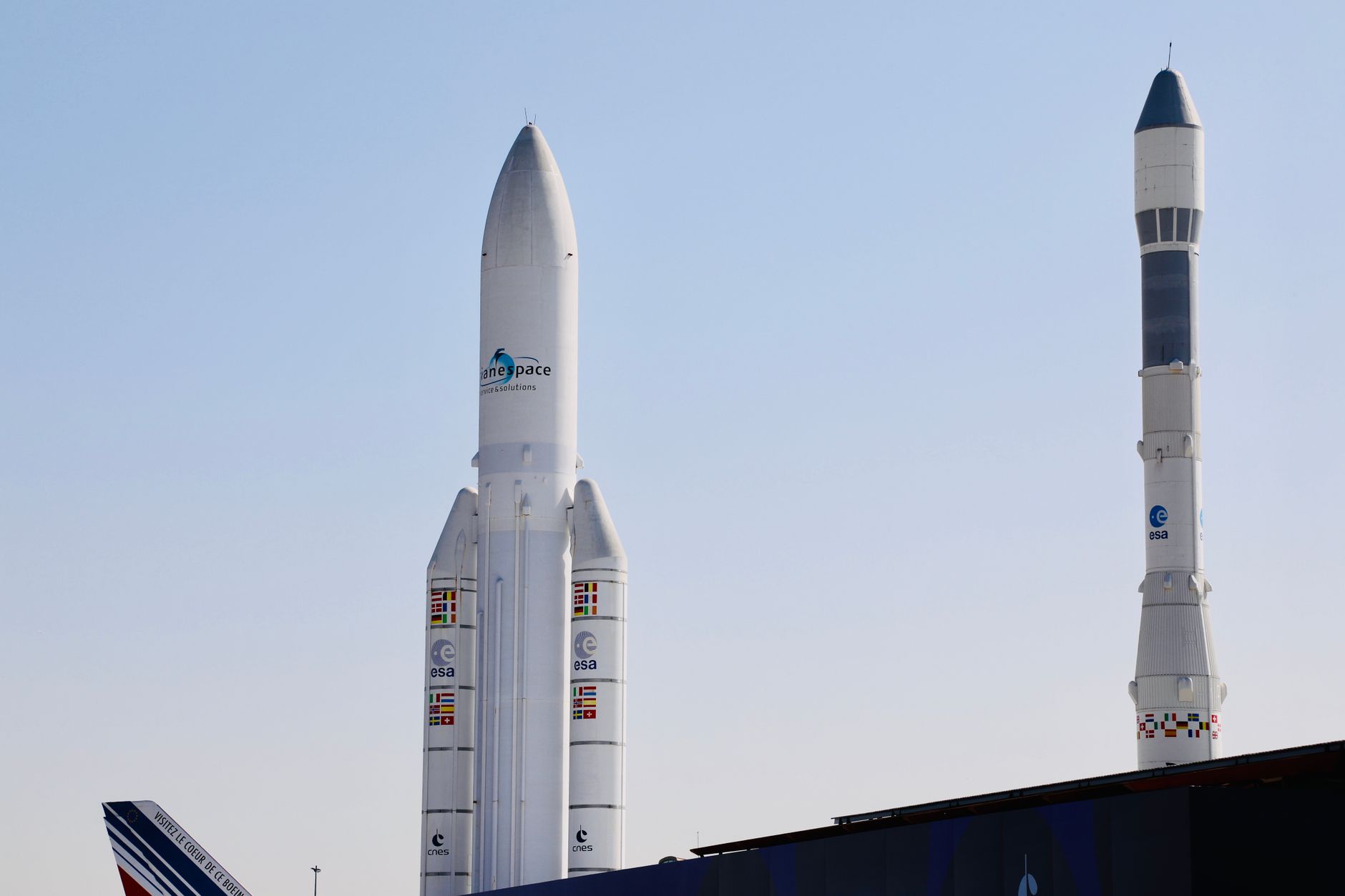
The New Space Age: How 2026 Is Remaking Science, Warfare, and Everyday Life
From giant new space telescopes to lunar landers, medical breakthroughs, and climate surveillance from orbit, 2026 is quietly reshaping the boundaries of human knowledge. The year’s most consequential developments reveal a science enterprise that is more global, more commercial, and more tightly woven into terrestrial politics and daily life than many realize.
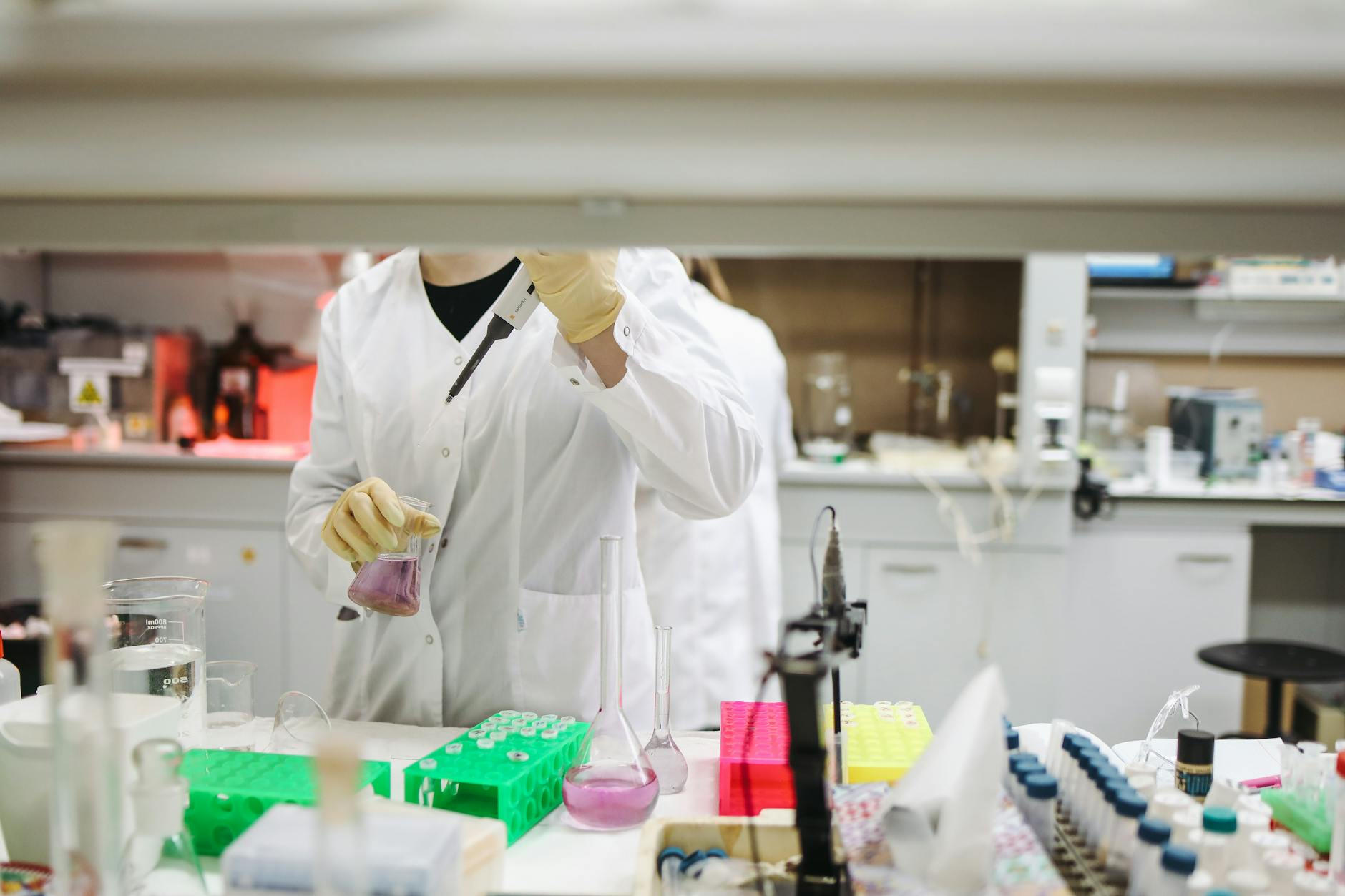
The Longevity Revolution: How 2025's Biotech Breakthroughs Are Rewriting the Rules of Aging and Disease
In 2025, breakthroughs in GLP-1 drugs, AI-driven therapies, and TOR inhibitors blurred the lines between cancer treatments, metabolic drugs, and anti-aging elixirs, promising not just longer lives but healthier ones. As big pharma embraces longevity as a core strategy, the biotech frontier challenges our understanding of health, disease, and human potential. This is the story of a pivotal year that could redefine medicine.
The Longevity Revolution: How 2025's Biotech Breakthroughs Are Rewriting the Rules of Aging and Disease
In 2025, breakthroughs in GLP-1 drugs, AI-driven therapies, and TOR inhibitors blurred the lines between cancer treatments, obesity cures, and anti-aging elixirs, promising not just longer lives but healthier ones. From yeast labs to human trials, scientists are targeting the root causes of aging while tackling pandemics and mental health crises. This is the story of medicine's bold pivot toward human renewal.

The Dawn of Defeat: How 2026's Medical Breakthroughs Are Rewriting the Rules of Life and Death
In 2026, cancer survival rates have surged to 70%, fueled by revolutionary immunotherapies, targeted degraders, and mRNA vaccines that strike tumors with unprecedented precision. Beyond oncology, biotech frontiers in longevity and mental health promise to extend healthy lifespans while pandemic defenses harden against future threats. This is the year medicine transcends treatment, entering an era of prevention and personalization.