Introduction: The Unseen Engine Above
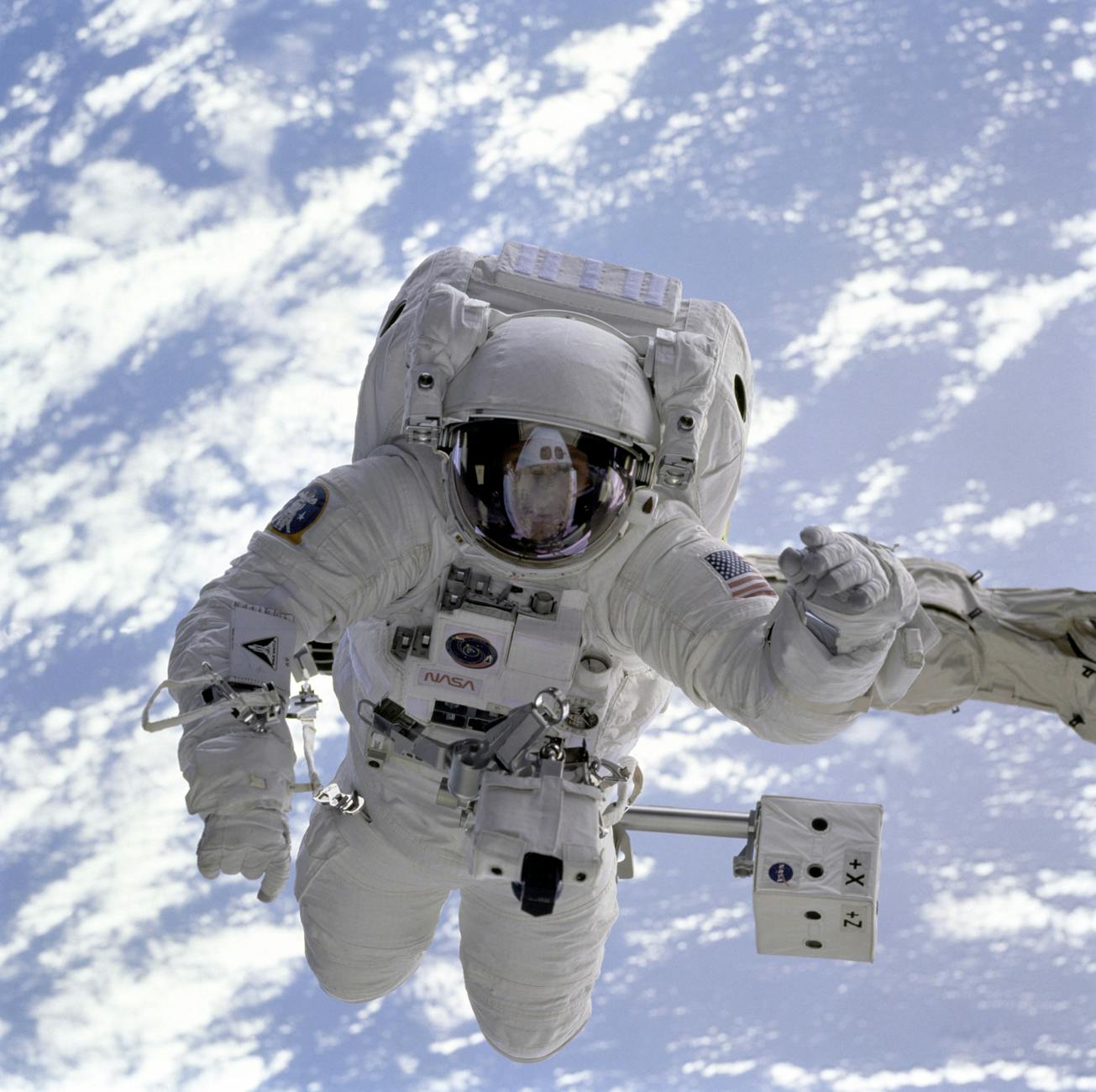
High above the swirling blues and browns of Earth, the International Space Station (ISS) orbits relentlessly, a gleaming testament to human ingenuity and fragile cooperation. In 2025 alone, this orbiting laboratory hosted more than 750 experiments, spanning disciplines from protein crystallography to solar coronagraphy. These endeavors are no mere scientific curiosities; they are yielding tangible breakthroughs that touch lives on the ground, from FDA-approved cancer treatments to unprecedented glimpses of the Sun's fiery corona. As NASA partners with private pioneers like SpaceX, the station is evolving from a Cold War relic into a commercial hub, fueling ambitions for lunar bases, Mars missions, and a burgeoning low-Earth orbit economy.
Yet beneath the glamour of rocket launches and rover selfies lies a deeper story: space exploration as the ultimate catalyst for terrestrial progress. Microgravity, that peculiar weightlessness, enables phenomena impossible on Earth—crystals growing purer, flames burning cooler, fluids flowing in novel ways. These quirks are unlocking medical miracles, refining climate models, and probing the universe's fundamental physics. In an era of geopolitical strain and climate peril, the ISS stands as a beacon of what unified ambition can achieve.
Medical Marvels Forged in Zero Gravity
Consider the quiet revolution in oncology. Protein crystal growth experiments aboard the ISS have informed the development of a newly FDA-approved injectable medication for early-stage cancers. On Earth, gravity distorts crystal formation, yielding imperfect structures that hinder drug design. In microgravity, however, proteins assemble into larger, more precise lattices, revealing atomic details crucial for targeting tumors. "Microgravity research can produce higher-quality, medically relevant crystals than Earth-based labs," NASA reports, underscoring how space-derived insights accelerate pharmaceutical pipelines.
"The space station continues to drive innovation by enabling human exploration of the Moon and Mars, transforming medical research." — NASA, reflecting on 2025 achievements
This is no isolated triumph. Space exploration has long birthed medical spinoffs: from the digital fly-by-wire systems in pacemakers, inspired by Apollo guidance computers, to advanced imaging borrowed from satellite tech. Today, the ISS amplifies this legacy. Wearable, contactless sensors—developed for astronaut vital monitoring—are poised to transform terrestrial healthcare. Portable ultrasound devices, refined in orbit, now aid remote diagnostics on Earth. Sierra Space Chief Medical Officer Dr. Tom Marshburn, a veteran astronaut, emphasizes: space medicine's demands yield "paradigm-altering technologies primed to revitalize our standard of care."
Looking ahead, these innovations promise deeper impacts. Regenerable water systems tested on the ISS could enable dialysis in austere environments, while studies on muscle atrophy inform treatments for sarcopenia in aging populations. Cellular health research, including how microgravity affects recovery processes, hints at breakthroughs in regenerative medicine. As private firms like SpaceX's Crew Dragon ferry more experiments skyward, the pace quickens. In 2025, a SpaceX launch delivered climate science payloads alongside medical gear, blurring lines between public missions and commercial ventures.
SpaceX: The Reusability Revolution Lowers the Bar
Enter SpaceX, the disruptor rewriting launch economics. Since the Falcon 9's first upright landing in 2015, reusability has plummeted costs—down from tens of thousands per kilogram to under 3,000. Falcon Heavy and Starship iterations have supercharged this shift, enabling routine crewed flights to the ISS. The Crew Dragon, now a staple, has transported astronauts with clockwork reliability, marking "a historic shift towards privatized space travel," as one analysis notes.
This affordability democratizes access. In 2025, SpaceX launches carried not just NASA payloads but commercial experiments, from biotech firms culturing organoids in orbit to startups testing satellite constellations. The result? A low-Earth orbit economy projected to hit $1 trillion by 2040. Reusable rockets aren't just about efficiency; they're enablers. Cheaper access means more frequent resupply, sustaining the ISS's research tempo and paving the way for Artemis lunar returns and Mars ambitions.
Critics, however, warn of risks. Rapid commercialization could prioritize profit over safety, with Starship's explosive test history underscoring the stakes. Yet proponents argue the incentives align: SpaceX's ISS contracts demand proven reliability. As Elon Musk's empire eyes Mars, the company's tech—autonomous docking, radiation shielding—feeds NASA's deep-space playbook.
Physics Unbound: Peering into the Sun's Secrets
Beyond biology, the ISS probes physics' frontiers. A solar coronagraph, deployed in 2025, captured first-of-its-kind images of the Sun’s outer atmosphere, measuring solar wind temperature and speed with unprecedented fidelity. These observations, impossible from ground-based telescopes due to atmospheric interference, illuminate coronal mass ejections—solar storms that can fry satellites and power grids.
This builds on a lineage of cosmic inquiry. NASA's Perseverance rover, still active on Mars, analyzes Jezero Crater samples for ancient microbial signs, while lunar studies decode our satellite's formation. Physics benefits abound: microgravity flames reveal combustion efficiencies for cleaner engines; fluid dynamics experiments model climate currents. Collectively, they deepen our grasp of the universe, from quantum behaviors in zero-g to relativity's subtle tugs on orbiting clocks.
Climate Science from the Ultimate Vantage
Earth observation reigns supreme. Recent SpaceX launches, including one in 2025, lofted climate payloads to the ISS: small satellites like BeaverCube monitor atmospheric composition, tracking methane plumes and aerosol distributions. These data refine models, aiding predictions of extreme weather in a warming world.
Microgravity enhances even here. Protein studies for carbon-capture enzymes grow clearer in orbit, while combustion research informs sustainable fuels. The ISS's perch offers global views unmarred by weather, complementing satellite swarms. As climate crises intensify—2025 saw record heatwaves—these insights are vital. NASA stresses: advances "help keep astronauts healthy during long-duration space travel and demonstrate technologies for future human and robotic exploration," with spillovers to planetary defense.
The Broader Horizon: Unity, Inspiration, and Perils
The ISS embodies multilateralism amid division. Russia, the U.S., Europe, Japan, and Canada collaborate despite earthly tensions, proving space as a unifier. Yet its 2030 retirement looms; successors like Axiom Station and Starlab, backed by private capital, beckon.
Societally, space inspires. Perseverance's selfies and ISS timelapses fuel STEM enrollment, drawing youth to engineering. Discoveries—asteroid redirects like DART, informing impact mechanics—bolster survival rationales, hedging against existential threats.
Challenges persist: radiation risks, psychological strains, equitable access. Medical research addresses these, yielding resilient humans for deep space. As 2026 dawns, the ISS's legacy endures—not in isolation, but as a springboard.
Conclusion: Toward the Stars, for Earth's Sake
The ISS's 2025 odyssey—750 experiments, cancer drugs, solar revelations, climate sentinels—affirms space as innovation's forge. SpaceX's launches amplify this, making orbit accessible. Medical physics, climate insights: all converge, reshaping humanity's arc.
In this pivotal moment, as Artemis gears for lunar permanence and Mars beckons, the question is not if we'll venture forth, but how boldly. The station whispers: with curiosity, collaboration, and cunning engineering, the cosmos yields its gifts—improving lives below while expanding our possible worlds. Orbiting at 17,500 miles per hour, it reminds us: progress is weightless, boundless, ours to grasp.