🔴  Breaking News🇺🇸  USA Edition🇪🇺  Europe Edition🌏  Asia & Oceania🌍  Africa Edition
Monday, July 27, 2026
🌙 Evening Brief
The Daily Brief

Your daily newspaper · Every night at midnight

Preferences

S&P 500736.22▼ 0.37%NASDAQ677.53▼ 0.98%DOW519.58▲ 0.16%CAC 4045.21▲ 0.58%DAX41.65▲ 1.29%FTSE 10047.29▲ 0.13%Nikkei90.91▼ 0.33%Apple336.25▲ 0.97%Amazon231.59▼ 0.22%Microsoft391.13▲ 2.47%Google326.03▲ 1.97%Tesla307.14▼ 1.88%Nvidia196.01▼ 5.24%Meta596.57▲ 0.23%Netflix70.97▲ 1.26%Coca-Cola83.72▲ 1.79%Nike42.11▲ 0.98%Disney96.84▲ 2.10%JPMorgan353.39▲ 0.05%LVMH104.68▲ 1.48%TotalEnergies84.54▼ 2.60%SAP172.52▲ 7.83%Gold374.08▲ 0.59%Oil126.19▼ 7.68%S&P 500736.22▼ 0.37%NASDAQ677.53▼ 0.98%DOW519.58▲ 0.16%CAC 4045.21▲ 0.58%DAX41.65▲ 1.29%FTSE 10047.29▲ 0.13%Nikkei90.91▼ 0.33%Apple336.25▲ 0.97%Amazon231.59▼ 0.22%Microsoft391.13▲ 2.47%Google326.03▲ 1.97%Tesla307.14▼ 1.88%Nvidia196.01▼ 5.24%Meta596.57▲ 0.23%Netflix70.97▲ 1.26%Coca-Cola83.72▲ 1.79%Nike42.11▲ 0.98%Disney96.84▲ 2.10%JPMorgan353.39▲ 0.05%LVMH104.68▲ 1.48%TotalEnergies84.54▼ 2.60%SAP172.52▲ 7.83%Gold374.08▲ 0.59%Oil126.19▼ 7.68%
🇪🇺 Europe Edition
CLIMATE

EUROPE WILDFIRES ESCALATE

Massive wildfires in France and Spain are forcing large-scale evacuations and straining emergency services across southern Europe. The fires have burned tens of thousands of hectares, with smoke and heat compounding conditions in already vulnerable regions. For the Europe Edition, this is the clearest continent-wide story because it affects public safety, infrastructure, and climate resilience at the same time. It also underscores how extreme heat is shaping politics and daily life across the EU.

Topic sections
🇬🇧

United Kingdom

Starmer pushes closer EU ties as Brexit pressure returns

Keir Starmer says the UK will seek a more ambitious economic relationship with the EU at a summit later this year. He has argued that Brexit has damaged the economy and that deeper cooperation on trade, security and energy now matters more than symbolic distance from Brussels. That leaves Labour trying to sell closer European ties as a practical cost-of-living measure rather than a constitutional reversal.

Home Office threatens asylum seekers with homelessness over hotel moves

The Home Office has introduced a “failure to travel” policy aimed at asylum seekers who refuse relocation from hotels to other accommodation. Ministers say the measure is meant to curb non-compliance and speed the closure of costly hotel rooms. The political effect is to harden the government’s migration message while inviting renewed criticism over how far the state can go in pressuring vulnerable people.

London at the centre of the new political argument over Brexit and migration

London remains the focal point for the government’s efforts to reset policy on Europe, the economy and asylum. The capital’s political institutions are where the pressure to soften Brexit’s economic damage is being most visibly tested. At the same time, London’s scale and diversity mean changes in migration and public spending are felt there before they spread nationally.

🇩🇪

Germany

Germany’s competitiveness push moves from rhetoric to action

Berlin is preparing a new package to reduce red tape and save businesses and citizens €600 million a year, a sign that the government now treats bureaucratic simplification as an economic priority rather than a side issue. The timing is important because the measure comes as Europe’s largest economy is still trying to regain momentum and reassure industry. In political terms, the plan is also a low-friction way for the government to show it is acting on growth without reopening bigger fights over tax, welfare, or labor market reform. For Germany’s European leadership claims, the message is clear: it wants to shape the bloc by making its own economy work better first.

Berlin bets on deregulation to steady industry

The €600 million annual saving target shows that the government is framing deregulation as measurable economic policy, not symbolic reform. Industry groups have long argued that constant reporting, licensing, and procedural requirements slow investment and make Germany less agile than its competitors. By putting a concrete figure on the savings, Berlin is trying to show that reforms will be felt in balance sheets, not only in ministries. The broader test will be whether the package reduces friction quickly enough to matter for firms making location and hiring decisions.

Germany frames leadership in Europe through rules reform

The policy direction in Berlin echoes a wider German argument that Europe needs less bureaucracy and more competitiveness. That makes the domestic reform package relevant beyond Germany, because Berlin is also trying to persuade EU partners that regulation has become a strategic issue. Germany’s leadership claim is strongest when it can present national reforms as a model for the bloc. The challenge is that influence in Europe will depend on whether Berlin can turn this administrative agenda into visible growth and industrial resilience.

🇫🇷

France

Far right weakened in key cities as France’s local political map shifts

Marine Le Pen’s camp took a setback in major urban centers, with defeats in places such as Marseille and Toulon offsetting Eric Ciotti’s victory in Nice. The result matters because city-level performance often signals whether a national populist wave is broadening or narrowing. It also gives mainstream competitors a stronger argument that they can still hold the urban electorate against the National Rally. For Macron’s political camp, the outcome is a reminder that the far right remains powerful but not invincible.

Paris faces a weaker growth outlook and tighter room on the budget

France’s finance ministry cut the 2026 growth forecast to 0.7 percent from 0.9 percent in a mid-year update to lawmakers. The revision matters because it narrows the scope for fiscal stimulus just as energy and security pressures are rising. It also strengthens warnings from the Bank of France that the state has little room to absorb new shocks without widening deficits. That leaves the government trying to defend credibility on public finances while avoiding a sharper slowdown.

France couples Middle East diplomacy with a tougher line on Russia-linked shipping

Jean-Noel Barrot said France does not see a quick resolution to the Middle East conflict, even as it continues pushing for a sustainable outcome with partners. In parallel, the navy intercepted an oil tanker in the western Mediterranean that Macron described as part of Russia’s shadow fleet. The operation highlights how sanctions enforcement has become an active instrument of French diplomacy, not just a legal background issue. It also shows Paris trying to project influence abroad at a time when domestic fiscal constraints remain severe.

🇮🇹

Italy

Campo largo a Napoli: la coalizione prova a mostrarsi unita in vista del 2027

A Napoli si è tenuto il primo comizio unitario del campo largo, un passaggio pensato per mostrare compattezza e preparare il terreno alle politiche del 2027. L’iniziativa segnala che l’opposizione sta entrando in una fase di costruzione politica più concreta, ma anche che la partita resta aperta sulla definizione di leadership, priorità programmatiche e tenuta dell’alleanza. Il valore dell’evento è soprattutto simbolico: l’obiettivo è trasformare una somma di forze diverse in un progetto riconoscibile agli elettori. Resta però da verificare se l’unità esibita sul palco reggerà quando si passerà dai messaggi comuni alle scelte su economia, fisco e welfare.

Cultura e creatività valgono 115,8 miliardi e si confermano un pilastro economico

Il nuovo dato sul valore aggiunto della filiera culturale e creativa ridisegna il perimetro dell’economia italiana, mettendo la cultura tra i settori che incidono davvero sulla crescita. Non si parla solo di musei, spettacolo o patrimonio, ma di un ecosistema che collega produzione, servizi e attrattività territoriale. Questa dimensione economica rende più evidente il nesso tra politiche culturali e sviluppo, soprattutto nelle aree che puntano su turismo, innovazione e lavoro qualificato. La sfida è evitare che un settore così importante resti frammentato e sottoutilizzato nelle strategie nazionali.

Famiglie più prudenti e opinione pubblica più aperta su eutanasia e diritti civili

Le ultime rilevazioni sociali descrivono un Paese attraversato da incertezza economica e pressione sul reddito disponibile. La maggioranza degli italiani resta in equilibrio precario, con molti che devono ricorrere ai risparmi per coprire le spese correnti. Allo stesso tempo, cresce il sostegno a scelte etiche come l’eutanasia, segno che la società italiana sta cambiando più rapidamente sul terreno dei diritti di quanto riesca a farlo sul terreno economico. Il contrasto tra fragilità materiale e apertura culturale racconta bene la complessità dell’Italia di oggi.

🇸🇪

Nordic

Finland buys Swedish RBS 70 NG air-defense system in regional security push

Finland will strengthen its ground-based air defence with Saab’s RBS 70 NG system in a €108 million procurement, according to the Defence Ministry. The move deepens Nordic defense cooperation and reflects the region’s focus on rapid modernization. It also shows how Finland is prioritizing short-range air defense as part of broader deterrence planning.

Sweden, Finland and Norway update wartime survival advice for households

Sweden, Finland and Norway have released new guidance telling citizens to keep basic emergency supplies at home, including food, water and first-aid items. The advice is part of a wider effort to raise civil preparedness amid regional security worries. It underscores how emergency readiness has become a mainstream Nordic policy priority.

Finland tightens monitoring after drone attacks near St Petersburg spill into Gulf of Finland

Finland temporarily restricted air and maritime traffic over the eastern Gulf of Finland after Ukrainian drone attacks targeted sites near St Petersburg. The Finnish Defence Forces increased air surveillance along the south-eastern coast in response. The episode highlights how the war in Ukraine continues to create security pressures for Nordic states.

🇪🇸

Spain & Portugal

🏛️

EU & Brussels

Parliament holds the key to enlargement and regulation

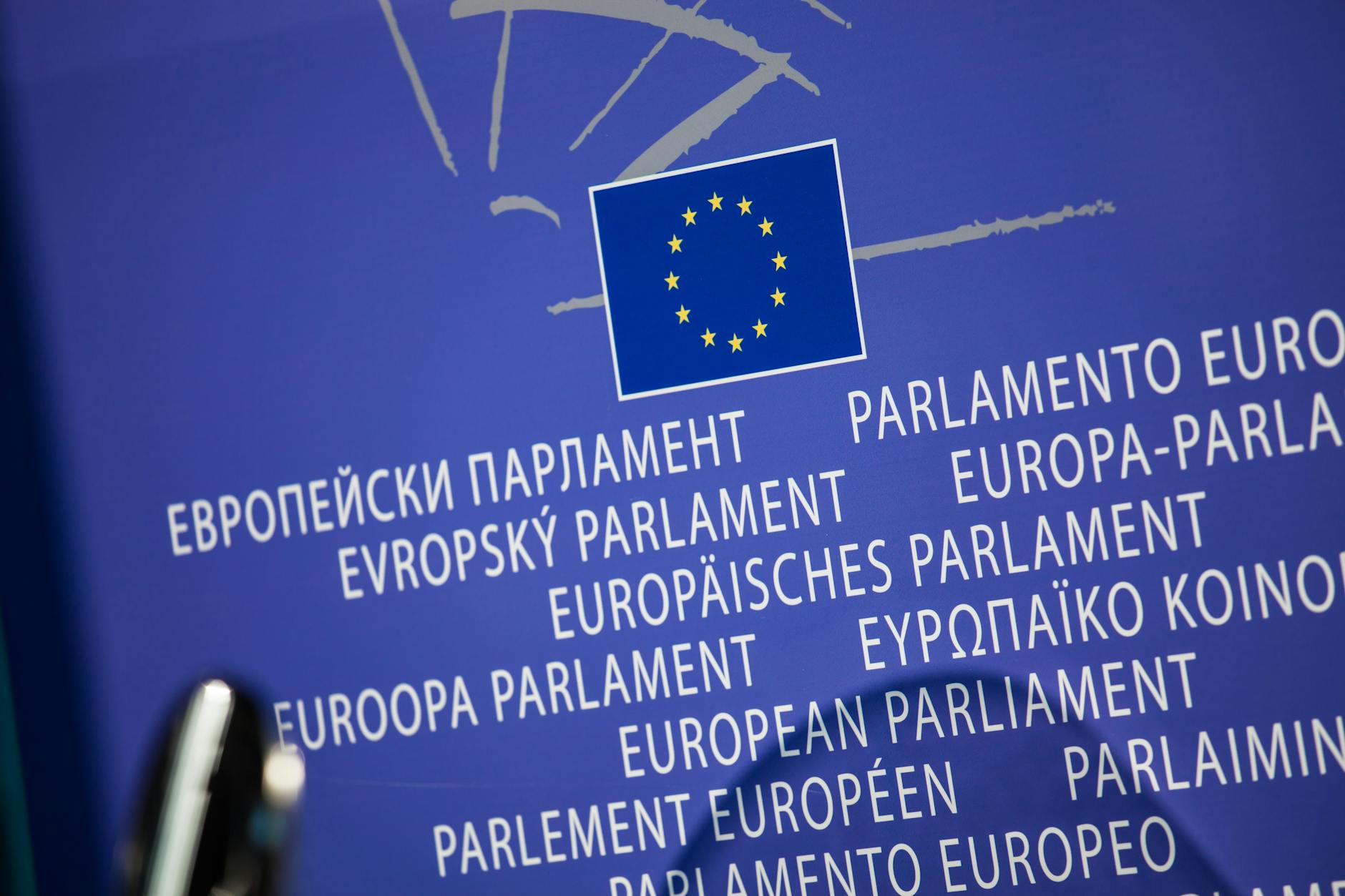
The European Parliament is the EU’s only directly elected institution, and that gives it decisive weight on both laws and accession treaties. In Brussels, its bargaining power is most visible when the Commission’s proposals need parliamentary consent to become binding rules. Enlargement also depends on the chamber’s approval, which makes MEPs a final political filter on any new member state. That is why the Parliament remains central to the balance between institutional ambition and legal procedure.

Why enlargement now runs through the Parliament

Any future accession has to clear the European Parliament, so the chamber is a formal gatekeeper in the enlargement process. That makes MEPs influential not just on the final treaty but on the political climate around candidate countries. In practice, the Parliament can use hearings, resolutions, and scrutiny to shape the terms of debate long before a vote on accession. Its role is therefore both procedural and political.

Brussels stays the EU’s real decision-making hub

Although Strasbourg is the Parliament’s formal seat for plenary sessions, Brussels is where most of the institution’s day-to-day political work happens. Committee negotiations, compromise drafting, and contact with the Commission are all concentrated there. That gives the city outsized influence over how EU regulations are shaped and how enlargement files advance. In practice, Brussels is where institutional power becomes legislative outcome.