🔴  Breaking News🇺🇸  USA Edition🇪🇺  Europe Edition🌏  Asia & Oceania🌍  Africa Edition
Sunday, May 17, 2026
🌙 Evening Brief
The Daily Brief

Your daily newspaper · Every night at midnight

Preferences

S&P 500739.17▼ 1.20%NASDAQ708.93▼ 1.51%DOW495.37▼ 1.08%CAC 4044.16▼ 1.93%DAX41.37▼ 2.08%FTSE 10045.57▼ 2.27%Nikkei91.07▼ 1.08%Apple300.23▲ 0.68%Amazon264.14▼ 1.15%Microsoft421.92▲ 3.05%Google396.78▼ 1.07%Tesla422.24▼ 4.75%Nvidia225.32▼ 4.42%Meta614.23▼ 0.68%Netflix87.02▲ 0.09%Coca-Cola80.82▲ 0.46%Nike41.88▼ 0.33%Disney102.72▼ 2.56%JPMorgan297.81▼ 0.70%LVMH105.15▼ 1.64%TotalEnergies92.28▲ 0.94%SAP169.48▲ 3.23%Gold417.29▼ 2.32%Oil148.23▲ 3.66%S&P 500739.17▼ 1.20%NASDAQ708.93▼ 1.51%DOW495.37▼ 1.08%CAC 4044.16▼ 1.93%DAX41.37▼ 2.08%FTSE 10045.57▼ 2.27%Nikkei91.07▼ 1.08%Apple300.23▲ 0.68%Amazon264.14▼ 1.15%Microsoft421.92▲ 3.05%Google396.78▼ 1.07%Tesla422.24▼ 4.75%Nvidia225.32▼ 4.42%Meta614.23▼ 0.68%Netflix87.02▲ 0.09%Coca-Cola80.82▲ 0.46%Nike41.88▼ 0.33%Disney102.72▼ 2.56%JPMorgan297.81▼ 0.70%LVMH105.15▼ 1.64%TotalEnergies92.28▲ 0.94%SAP169.48▲ 3.23%Gold417.29▼ 2.32%Oil148.23▲ 3.66%
🇺🇸 USA Edition
POLITICS

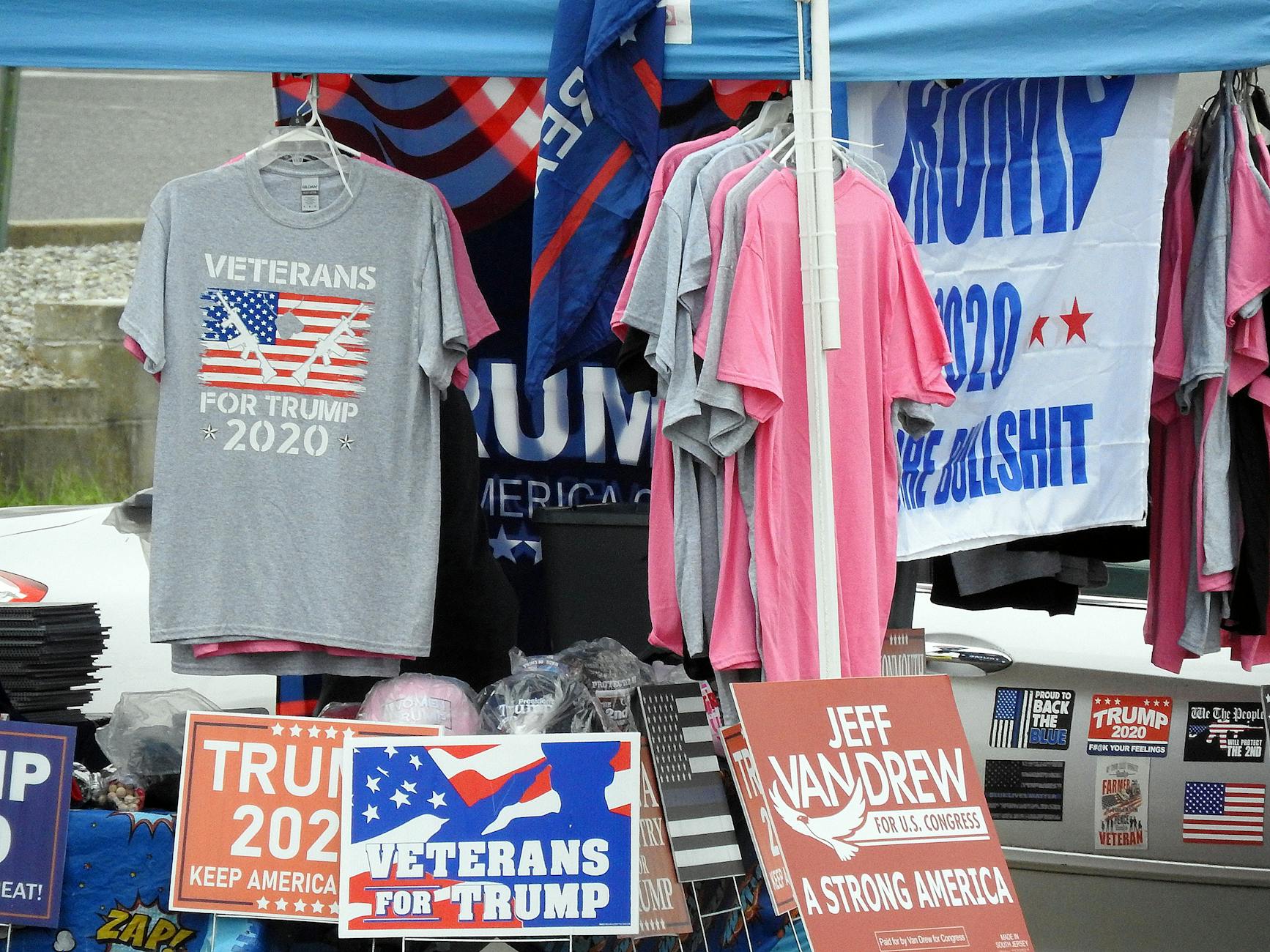
MAGA CONFLICT SHAKES TRUMP AGENDA

Trump's coalition is showing deeper internal strain as traditional conservatives and MAGA populists clash over policy, power, and party direction. The fight is emerging as a central 2026 story because it could weaken Republican unity heading into the midterms. At the same time, public backlash against billionaire influence and executive overreach is intensifying. The result is a more volatile political environment where tangible economic pressures and intra-party conflict are starting to dominate.

Topic sections
🏛️

Politics

Power politics tightens its grip on diplomacy as alliances come under pressure

Governments are entering a period in which foreign policy is being written less by institutions than by leaders responding to domestic pressure, security fears and strategic rivalry. Europe is confronting renewed demands to spend more on defense while also absorbing a more skeptical U.S. view of NATO and transatlantic burden-sharing. In the Western Hemisphere, Washington’s more interventionist tone is signaling that regional diplomacy will be shaped by coercive leverage as much as by negotiation. That combination is pushing the international system toward sharper blocs, fewer guardrails and a higher risk of miscalculation.

European governments struggle to balance defense demands with fragile domestic politics

Across Europe, leaders are trying to reassure voters without deepening budget stress or exposing divisions inside their coalitions. Defense coordination is rising on the agenda, but so is resentment over migration, inflation and the perceived cost of security realignment. The political danger is that weaker governments will make bigger promises abroad than they can defend at home. That gap is likely to keep Europe cautious, reactive and vulnerable to outside pressure.

Election year volatility tests whether protest energy can become durable governance

Several upcoming votes are being treated as referendums on political exhaustion, not just policy choice. Voters in many places are rewarding outsiders and punishing incumbents, which makes coalition building harder and policy continuity less certain. The risk is that governments elected on anger will enter office without the institutions or alliances needed to govern effectively. That could make diplomacy even more erratic, especially in countries already under economic or security strain.

💼

Business & Finance

Bond market shock forces a reset in rate-cut bets

US Treasury yields jumped sharply into the weekend, with the 10-year briefly nearing 4.6% as traders digested a hotter inflation backdrop and less confidence in an early Fed pivot. That matters because borrowing costs are now rising even without a formal policy move, tightening financial conditions for companies, consumers, and leveraged borrowers. The market is effectively telling the Fed that inflation is not yet beaten, and that message is likely to keep pressure on rate-sensitive sectors until the data cools.

Tariff headlines revive a new round of corporate caution

Trade developments involving China and broader tariff talk are again influencing markets, especially in sectors tied to manufacturing, logistics, and consumer goods. Companies with global supply chains face the unpleasant mix of higher costs and less visibility on demand, which can weigh on margins before any actual volume slowdown appears. The renewed focus on trade is also making investors more selective about which earnings stories deserve higher multiples.

Banks and dealmakers face a harder funding backdrop

Rising yields are tightening the environment for lenders and companies alike, making credit conditions a bigger story than it was a week ago. Banks are under pressure to balance deposit costs, lending demand, and portfolio risk while corporate borrowers reassess refinancing and acquisition plans. If volatility persists, it could slow merger activity and make the market more selective about which deals get done.

📊

Economics

Inflation Is Heating Up While Growth Keeps the Fed on Guard

The latest data point to an economy that is still expanding, but with price pressures firming in ways that complicate central-bank messaging. April industrial production rose 0.7 percent, a sign that manufacturing and utilities activity are still holding up despite higher borrowing costs. That resilience gives the Fed less room to lean against inflation with rate cuts, especially if upcoming consumer-price readings stay elevated. For investors, the message is that macro stability is not the same as policy relief.

The Fed’s Window for an Easy Pivot Is Narrowing

Policy makers are being pulled in two directions by durable activity data and rising price pressure. The latest production figures make it harder to argue that the economy is sliding toward recession, which is usually what opens the door to faster cuts. But if inflation continues to accelerate, the Fed will have to keep emphasizing patience rather than relief. That balancing act is now one of the most important macro stories in markets.

Fiscal Policy Is Offering Support, But Not Solving the Inflation Problem

Washington is still leaning toward policies that widen access to savings and encourage longer-term household investment. That may be good for financial security, but it does not meaningfully reduce near-term inflation pressure. Deficit concerns remain in the background, especially when bond investors are already watching government borrowing closely. In practice, fiscal policy is adding complexity rather than clarity to the macro outlook.

💡

Technology & Media

AI boom meets infrastructure reality

Investors and executives are now treating data centers, energy use, and security controls as central business issues rather than background costs. The debate has moved from whether AI will transform companies to which companies can afford to scale it safely and profitably.

Google pushes AI deeper into Android

The company is aiming to turn AI into a practical interface layer for phones and laptops. That strategy may help it stand out as consumers and regulators become more wary of hype and more attentive to real-world utility.

Backlash grows against AI data center expansion

Opposition is gaining force as communities question the scale of new facilities and the power they will consume. The fight is now about who gets to decide how much infrastructure the AI economy can impose on the public.

🌱

Green & Climate

Super El Niño warning raises the odds of another record year

Meteorologists say a likely super El Niño could intensify flooding, heat and drought across the world this summer. The event would add natural warming to an already rising climate baseline, increasing the chance of extreme conditions carrying into 2027. That makes grid reliability, disaster readiness and crop planning more urgent now, not later.

States push climate and energy policy forward as Washington retreats

States are filling the vacuum left by federal rollbacks with new climate and clean energy measures. Lawmakers are emphasizing affordability, reliability and utility oversight rather than broad climate rhetoric. The shift shows the energy transition is becoming more regional and more politically tactical.

Climate risks are shifting from future threat to daily public-health reality

Researchers say warming is lengthening pollen seasons and making extreme heat far more common. Those changes are already affecting health, work and disaster planning across several regions. The debate over sustainability is now inseparable from how societies cope with these mounting risks.

🏭

Industries

Factory output climbs, but supply-chain strain threatens the next phase of industrial growth

U.S. manufacturing posted a strong April gain, with autos and high-tech driving the increase while broader conditions remained uneven. The same week, fresh survey data pointed to weaker supplier delivery performance, signaling that logistics bottlenecks are not fully behind the industry. For manufacturers, the message is clear: demand is holding up, but execution risk is rising. The next few months will show whether industrial momentum can survive the renewed pressure on inputs, timing and costs.

Defense makers turn to automation and distributed production to break throughput bottlenecks

Aerospace and defense companies are increasingly focused on how to build faster, not just better. New investment is flowing into robotics, digital tools and wider manufacturing networks meant to stabilize production across complex supplier chains. The pressure is coming from persistent bottlenecks that have made scale the central problem in the sector. The winners will be the firms that can turn resilience into repeatable output.

US manufacturers keep spending billions on domestic plants across pharma, autos and aerospace

Big industrial companies are continuing to add capacity in the United States rather than waiting for conditions to stabilize. Pharmaceutical makers are expanding to meet durable demand, while automakers and aerospace firms are reinforcing critical production lines. These investments are also a response to supply-chain fragility and the push to shorten lead times. The broader trend is a long-running reindustrialization effort that remains strong despite uncertainty.

✍️

Opinion

World crises are colliding, and leaders are running out of room to improvise.

The Iran war continues to reshape diplomacy, security, and energy politics far beyond the battlefield. Gaza remains a zone where targeted killings may alter tactics but have not produced a clearer path to resolution. The Bangkok train collision, though not a geopolitical story, underscores the same larger theme: when systems fail, the public pays immediately and political accountability follows fast.

Gaza’s latest killing may shift the battlefield, but it does not settle the war.

Israel gains a short-term intelligence and military victory from the strike. Hamas, however, can use the killing to reinforce its narrative of resistance and victimhood. Without a political endgame, these operations risk becoming another turn in an endless cycle.

Bangkok’s deadly collision turns infrastructure into a question of trust.

Transport accidents are judged by more than the number killed or injured. They expose whether governments have invested enough in prevention, oversight, and emergency response. If this was avoidable, the political fallout should be severe.

🎭

Ideas & Culture

Washington turns the weekend into a civic arts showcase

Washington, D.C. is packed this weekend with events that link art, history, and public life, from talks on women in the arts to museum programming on Filipino American stories. The mix suggests a city using culture not just for entertainment but for education, memory, and social connection. Sunday’s open studios and neighborhood concert extend that idea by turning the city itself into a shared venue.

Rock Hill launches a Southside music and cultural trail

Rock Hill’s new Southside Music & Cultural Trail opens with a free community celebration, live performance, and family-friendly activities. The project is designed to spotlight the neighborhood’s cultural legacy while drawing residents into a shared public experience. It is a small local event with a larger message about development through heritage.

Hoboken’s spring arts festival turns Washington Street into a civic marketplace

Hoboken’s annual Spring Arts & Music Festival brings live music, food, and hundreds of makers to Washington Street. The event’s size and popularity show the continuing appeal of in-person cultural gatherings that mix neighborhood identity with regional draw. It is also a reminder that urban arts festivals can still act as engines of social mixing.