🔴  Breaking News🇺🇸  USA Edition🇪🇺  Europe Edition🌏  Asia & Oceania🌍  Africa Edition
Saturday, May 23, 2026
🌙 Evening Brief
The Daily Brief

Your daily newspaper · Every night at midnight

Preferences

S&P 500745.64▲ 0.39%NASDAQ717.54▲ 0.42%DOW506.12▲ 0.60%CAC 4045.17▼ 0.73%DAX42.91▼ 0.33%FTSE 10047.09▼ 0.53%Nikkei91.61▲ 0.26%Apple308.82▲ 1.26%Amazon266.32▼ 0.80%Microsoft418.57▼ 0.12%Google382.97▼ 1.21%Tesla426.01▲ 1.95%Nvidia215.33▼ 1.90%Meta610.26▲ 0.47%Netflix88.60▼ 0.78%Coca-Cola81.48▲ 0.38%Nike44.67▲ 0.63%Disney103.00▼ 0.56%JPMorgan306.38▲ 1.12%LVMH111.21▲ 0.92%TotalEnergies91.60▼ 0.81%SAP175.95▼ 0.19%Gold413.82▼ 0.76%Oil140.92▼ 1.14%S&P 500745.64▲ 0.39%NASDAQ717.54▲ 0.42%DOW506.12▲ 0.60%CAC 4045.17▼ 0.73%DAX42.91▼ 0.33%FTSE 10047.09▼ 0.53%Nikkei91.61▲ 0.26%Apple308.82▲ 1.26%Amazon266.32▼ 0.80%Microsoft418.57▼ 0.12%Google382.97▼ 1.21%Tesla426.01▲ 1.95%Nvidia215.33▼ 1.90%Meta610.26▲ 0.47%Netflix88.60▼ 0.78%Coca-Cola81.48▲ 0.38%Nike44.67▲ 0.63%Disney103.00▼ 0.56%JPMorgan306.38▲ 1.12%LVMH111.21▲ 0.92%TotalEnergies91.60▼ 0.81%SAP175.95▼ 0.19%Gold413.82▼ 0.76%Oil140.92▼ 1.14%
🇺🇸 USA Edition
POLITICS

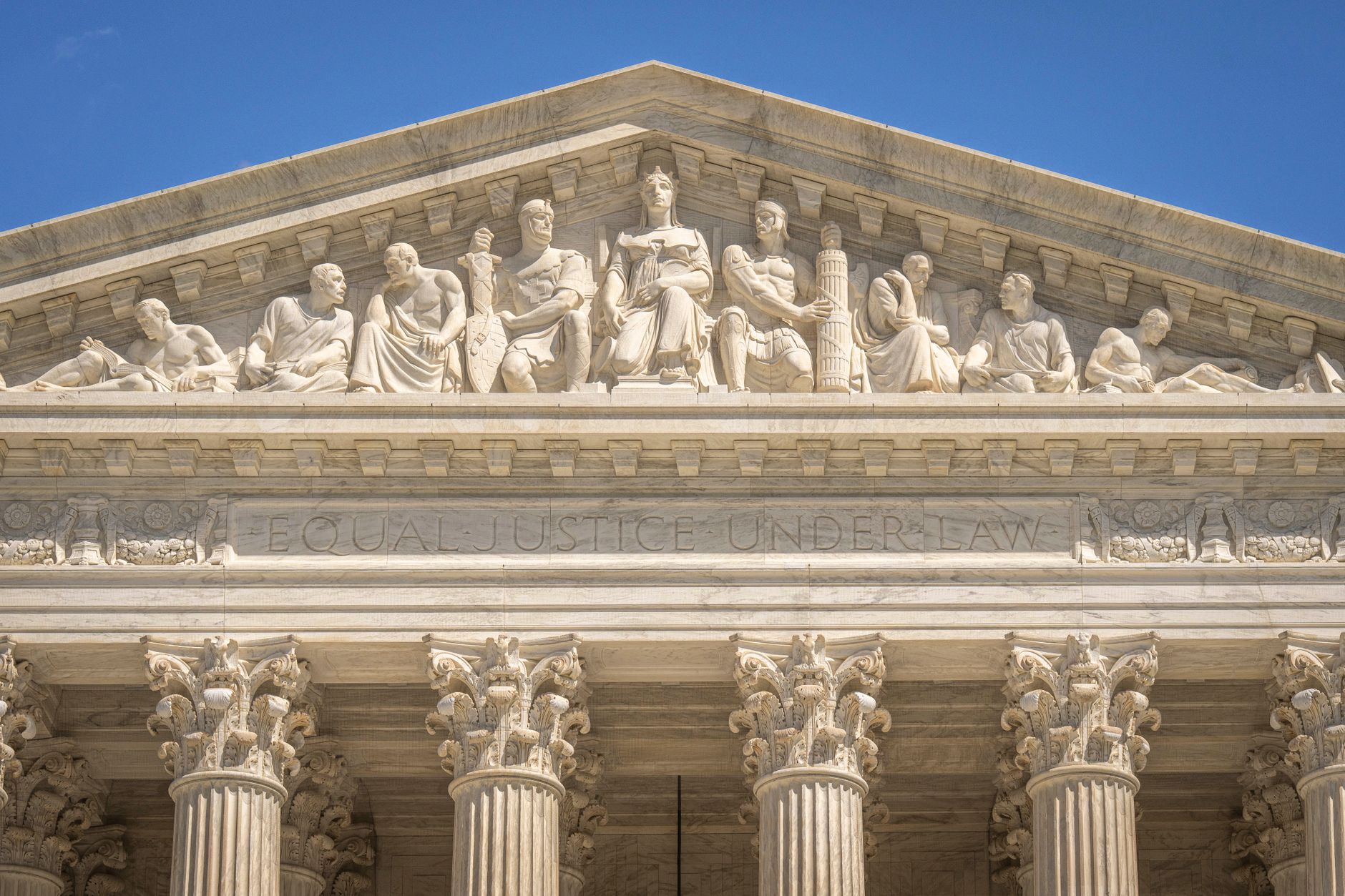
SUPREME COURT GUTS VOTING RIGHTS

The U.S. Supreme Court has struck down the last remaining major provision of the Voting Rights Act, a major blow to federal protections against racial discrimination in voting. The ruling is already triggering emergency redistricting efforts in several Republican-led states, including Tennessee, Alabama, Mississippi, Florida, and Louisiana. Civil rights advocates warn the decision could reshape congressional maps and weaken minority voting power ahead of future elections. The fallout is expected to dominate national politics as lawmakers, courts, and advocacy groups respond to the decision.

Topic sections
🏛️

Politics

Washington’s pressure campaign is redrawing the political map of the Americas

The latest U.S. moves suggest a doctrine built on intimidation rather than coalition-building. That is likely to deepen mistrust in capitals from Mexico City to Bogotá and Caracas. It also raises the risk that domestic political debates in those countries will turn more nationalist and more anti-American.

Hungary’s opposition surge turns the 2026 race into a test of incumbency

The latest polling gives Fidesz its most serious challenge in years. That creates pressure on Orbán to mobilize loyalists, sharpen his message and lean harder on identity politics. It also puts the integrity of the campaign, not just the result, under the spotlight.

Europe’s diplomatic weakness is turning into a governance problem

Brussels is struggling to respond with one voice to a faster, harsher international order. That leaves individual governments to improvise, often at the cost of unity. The deeper danger is that foreign-policy drift will further erode trust in the European project at home.

💼

Business & Finance

Stocks Push Toward Longest Winning Run Since 2023 as AI Trade Keeps Leading

U.S. equities are extending their rally, with the S&P 500 near a record and on track for its longest weekly winning run in years. The move is being driven mainly by AI enthusiasm and easing rates, not by a broad-based expansion in the market. That concentration means the upside remains real, but so does the vulnerability if the megacap tech leaders lose momentum.

Retail and Consumer Warnings Keep Earnings Season Uneven

Big-box retailers are still signaling caution even as the broader market rises. That contrast suggests consumers remain selective and companies with weaker pricing power may struggle. Investors are rewarding efficiency and AI exposure far more than simple scale.

Banks, Debt Markets, and AI Financing Show How the Trade Is Evolving

Capital markets are increasingly funding the AI boom through specialized debt and asset-backed structures. That gives banks and borrowers fresh room to maneuver, but it also adds risk if hardware values or demand estimates weaken. The next test is whether investors keep backing expensive growth stories at current valuations.

📊

Economics

LEAD HEADLINE

The economy is entering a brittle phase in which slower growth, persistent inflation, and restrictive policy are reinforcing one another. Job market weakness is becoming more important than the old inflation shock in shaping public concern, but inflation remains stubborn enough to keep central banks cautious. Fiscal decisions and trade policy are now macro variables, not side issues, because they can either cushion the slowdown or deepen the drag on investment and hiring. The dominant question is no longer whether growth exists, but whether it is broad, durable, and strong enough to withstand another year of policy stress.

LEAD HEADLINE

The Fed is boxed in by the combination of sticky prices and softer labor demand. Inflation is no longer collapsing, but it is also not hot enough to justify complacency about real incomes. That makes the timing of any rate cuts highly conditional on incoming data. The biggest policy risk is a mistake in either direction: easing too soon or holding tight too long.

LEAD HEADLINE

Fiscal policy is no longer a background issue because tax and trade uncertainty are now directly affecting hiring and investment decisions. Businesses need clarity, but the policy environment is producing the opposite. Tariffs may create short-term leverage, yet they also risk raising costs and narrowing growth. The more the government improvises, the harder it becomes for the economy to regain broad momentum.

💡

Technology & Media

Apple sees sales growth despite mounting memory squeeze

Apple is forecasting sales growth even as memory shortages threaten to strain hardware supply chains across the industry. The company’s message suggests resilient demand, but it also points to a tougher environment for device makers trying to balance launch plans and component costs. If shortages deepen, the pressure could spread from Apple to rivals shipping phones, laptops, and AI-enabled devices. The broader takeaway is that the hardware cycle is now being shaped by both consumer appetite and the availability of critical parts.

Google prepares new AI chips to challenge Nvidia

Google is moving toward new AI chips in a direct challenge to Nvidia’s dominance in the market for advanced compute. The company’s effort shows how the biggest tech firms are trying to control the economics of AI by designing more of their own infrastructure. That strategy could pressure prices for cloud AI services while giving Google more leverage over performance and supply. It also signals that the battle for AI leadership is shifting deeper into the chip layer.

Roblox’s safety push turns into a billion-dollar cost center

Roblox is spending heavily on safety features, and the cost is now nearing a billion dollars. The platform’s push reflects growing pressure on social networks and gaming companies to prove they can protect younger users. That may improve trust, but it also creates a new financial burden that rivals will have to confront. The story is a sign that moderation and safety are no longer optional extras in digital media; they are becoming structural costs of doing business.

🌱

Green & Climate

UN backs landmark climate court opinion, raising pressure on governments

The General Assembly’s endorsement gives the ICJ’s findings a wider platform and could influence future litigation and national climate policy. The biggest immediate effect may be political rather than legal, but political signals often shape the next round of negotiations and domestic debates. With a large majority voting yes, the resolution underscores how isolated the most resistant governments have become.

Germany warned to miss 2030 climate target by a wide margin

The projection suggests the country will need much stronger policy measures to close the gap before the decade ends. For Europe, the risk is not only numerical failure but the erosion of confidence in national climate planning. Germany’s case shows how even ambitious economies can slip when implementation lags behind promises.

India’s record power demand shows how heat is reshaping energy demand

The demand spike is a warning that adaptation and decarbonization now need to be planned together. Grid resilience, efficiency and cleaner capacity will all matter more as extreme heat becomes more common. The country’s experience is a reminder that climate change is already altering how energy systems operate day to day.

🏭

Industries

Supply chain shock is now the baseline for 2026 planning

Automakers are already trimming global sales and production expectations after oil-supply fears and wider geopolitical tension fed into the market. That matters far beyond cars, because higher energy costs and shipping volatility tend to ripple through manufacturing, aerospace and pharma inventories. Companies that once treated disruption as a contingency are now budgeting for it as a steady cost of doing business.

Factory construction boom continues as companies localize critical production

Big projects in chips, batteries and drug manufacturing remain a defining feature of the industrial outlook. The investment wave signals confidence in domestic capacity, but it also exposes how dependent these plans are on stable supply chains and skilled labor. For suppliers, the opportunity is large, yet the execution risk is just as large.

Resilience spending rises after cyberattacks, fires and labor disruptions

Executives are being forced to treat supply-chain visibility as a strategic necessity rather than a reporting tool. Aerospace and automotive are especially exposed because they rely on complex, tightly sequenced supplier networks, while pharma depends on uninterrupted access to specialized inputs. The companies that can absorb shocks fastest are the ones most likely to protect output, margins and customer trust.

✍️

Opinion

Trump’s Iran Gamble Is Moving Too Fast for Strategy

The White House appears to be trying to negotiate while signaling readiness for prolonged confrontation, a posture that may satisfy neither hawks nor doves. Any agreement reached under that pressure will be judged by whether it ends the fighting or merely pauses it. The deeper question is whether American power is being used to force peace, or to postpone a harder reckoning.

More Troops in Poland Mean More Deterrence and More Risk

The move strengthens NATO’s eastern flank, but it also confirms how dependent Europe remains on American military decisions. Deterrence works best when it is paired with stable diplomacy, and that balance is getting harder to maintain. The alliance is safer when its message is firm and unified, not when it looks as though every crisis demands a fresh troop announcement.

Belarus Drill Shows How Nuclear Signaling Becomes a Weapon

Russia’s message is aimed at both NATO and domestic audiences, projecting reach, confidence, and readiness. The risk is that repeated displays of nuclear posture will eventually be interpreted as routine, making a genuinely dangerous move harder to spot. When deterrence becomes spectacle, everyone is less secure.

🎭

Ideas & Culture

Maui Arts Center Bets on Community-Scale Culture

Maui Arts & Cultural Center’s late-May slate shows how arts institutions are broadening their mission beyond presenting performances to actively building civic life. By mixing benefit comedy, contemporary dance, Hawaiian cultural programming, and cinema, the center is chasing both attendance and emotional attachment. That strategy reflects a wider truth in the arts: survival now depends on being useful to many publics at once. It is no longer enough to stage culture; the institution has to host belonging.

National Arts Policy Keeps Focusing on Access and Infrastructure

The National Council on the Arts meeting is a reminder that cultural policy is still being decided in the background while artists and institutions contend with inflation, uneven access, and fragile funding. Federal boards like this influence which communities get support and which forms of expression are treated as public priorities. The stakes are structural, not symbolic, because the rules set in these rooms shape the arts ecosystem for years. For cultural workers, policy is the part of the story that decides whether ambition can become reality.

Albuquerque Treats Arts Access as a City Service

Albuquerque’s arts and culture listings show how local government is trying to make cultural participation easier to discover and harder to miss. By packaging exhibitions, performances, and classes together, the city frames arts access as part of everyday civic life. That approach matters because people cannot attend what they never encounter. The best arts policy sometimes starts with making the door visible.