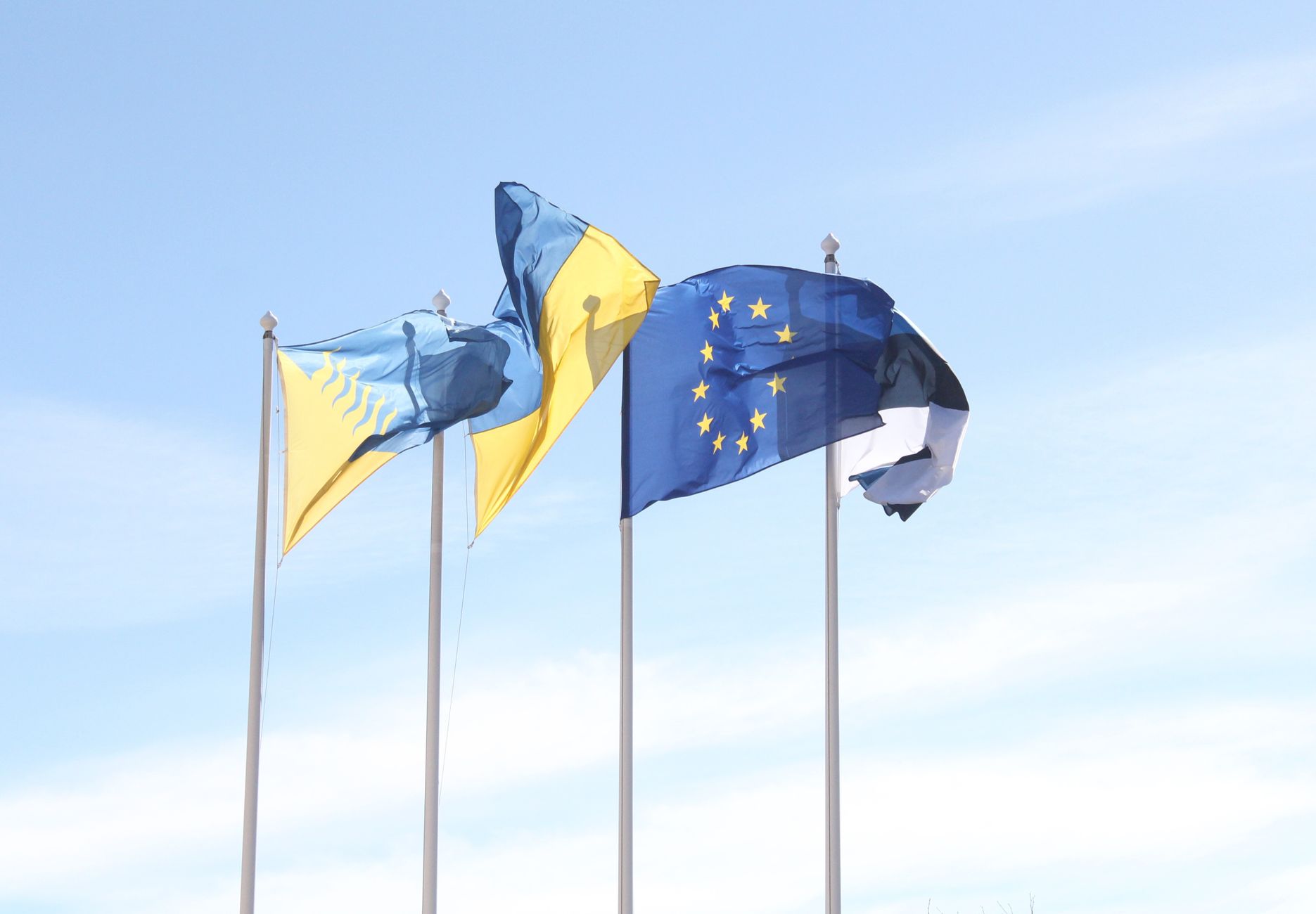
For years, EU enlargement was often discussed as a slow, rule-bound administrative process. That framing is changing. In today’s geopolitical climate, enlargement is increasingly seen as a way to shape the European order itself, not just to extend it.[4][1]
That shift matters because the stakes are different. Candidate countries are not simply choosing a development path; they are making a geopolitical choice about which political and security camp they want to belong to.[4] For the EU, accession is also a way to lock in stability along its borders and reduce the space for rival powers to exert influence.
But the new urgency has not erased the old rules. The merit-based model remains central, and EU doctrine still emphasizes compliance with values, norms, and institutional standards.[4] That makes enlargement both more important and more difficult: the Union wants speed, but it cannot easily abandon the very conditions that give membership meaning.
Inside the EU, enlargement also raises a harder question about institutional capacity. The Union already struggles with consensus among 27 states on foreign and security policy, budget priorities, and legal reform.[3] Adding new members without adjusting decision-making would risk paralysis.
That is why enlargement is no longer just about the Balkans, Ukraine, or the next negotiating chapter. It is about whether the EU can expand while remaining governable. In the current climate, that may be the real test of European credibility.[1][4]