Europe's economic engine sputters into 2026, with the IMF pegging EU growth at a meager 1.3% and the eurozone at 1.1%. A Middle East war-fueled energy crunch—less severe than 2022's but potent—has reversed prior optimism, hammering investment and consumption. Inflation ticks up, and no nation escapes the drag.
Chronic woes amplify the pain: EU industrial energy costs, now twice 2021 levels, dwarf U.S. rivals due to import reliance and market fragmentation. A severe scenario envisions recession territory with inflation nearing 5%, compounded by tighter finance. Private data already signals weakness.
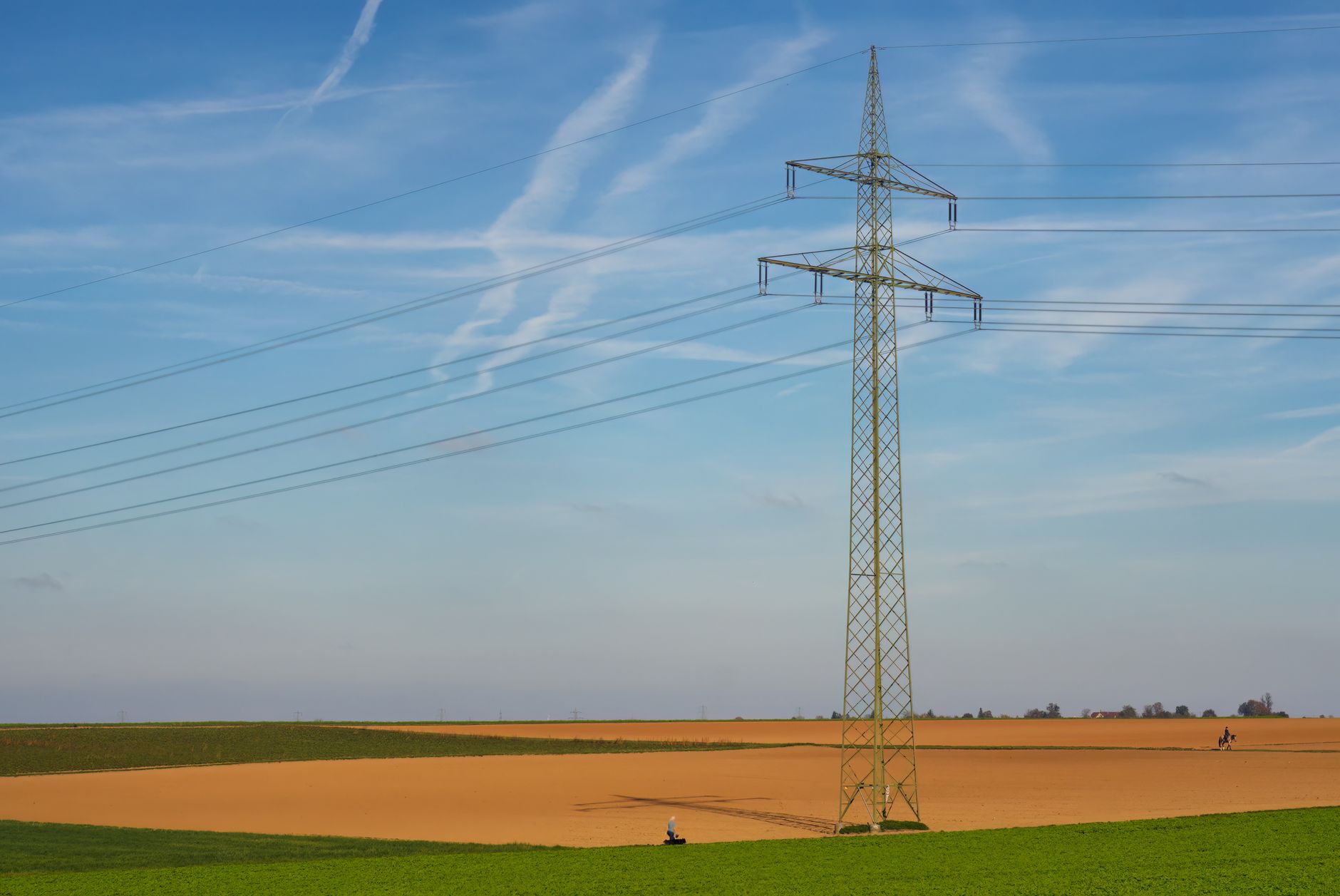
Silver linings emerge in the green shift—over half of EU electricity now low-carbon, shielding against oil volatility. Completing the energy single market, bolstering emissions trading, and grid interconnections promise structurally lower costs. Yet execution lags behind ambition.
As lawmakers debate competitiveness funds and budget hikes, the IMF urges bold reforms. Europe's fork in the road demands swift integration or risks prolonged stagnation in a multipolar world.