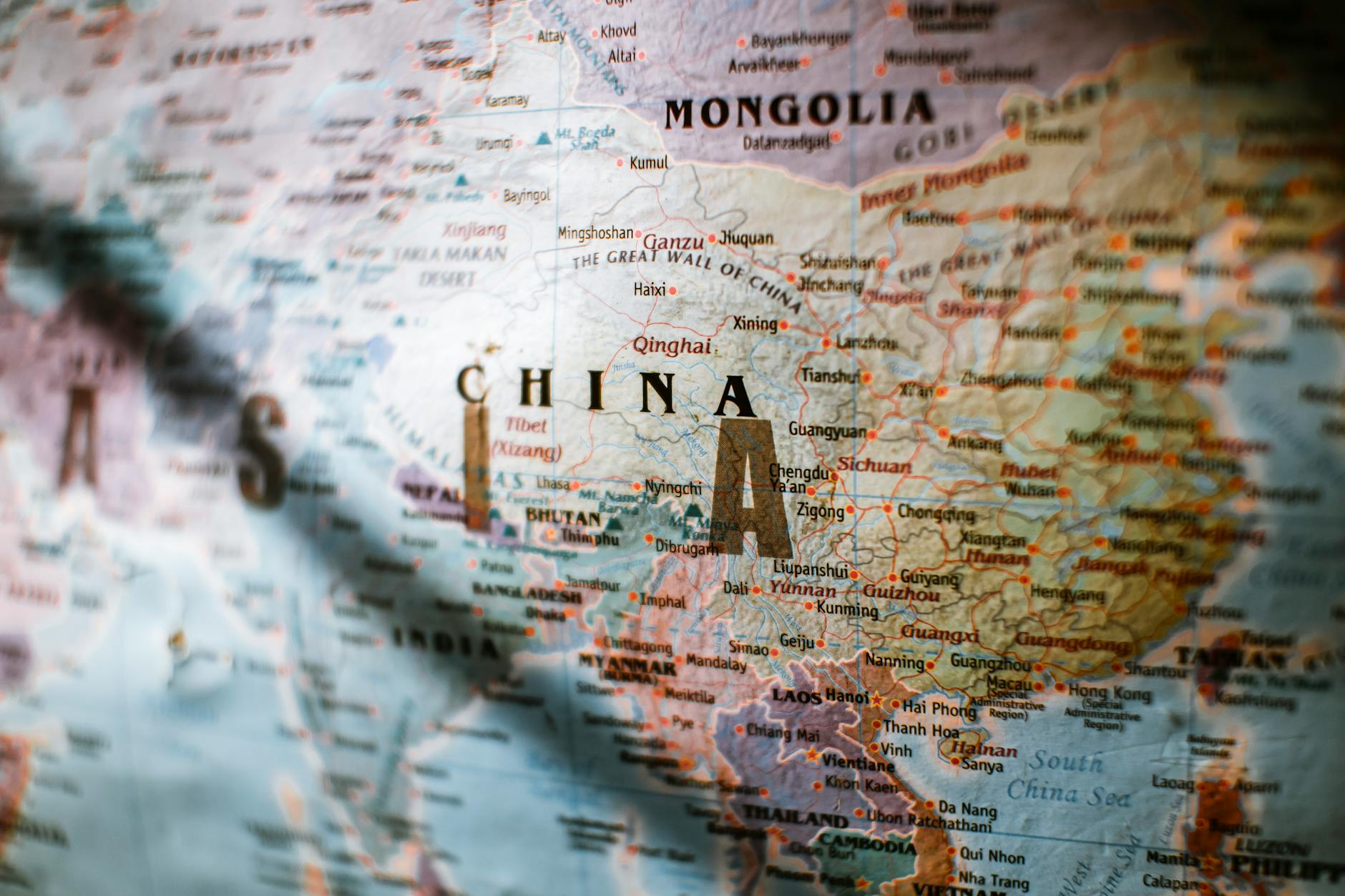
TOKYO — Geopolitical tensions in the Asia-Pacific intensify as the United States and China vie for dominance over critical sea lanes and resource-rich waters. Strategic hotspots including the Senkaku, Spratly, and Paracel Islands, alongside the Korean Peninsula, Taiwan, and Straits of Malacca and Luzon, form the battleground for 2026's security landscape.
Beijing and Washington maneuver to secure sea lines of communication linking OPEC energy to East Asian markets. Competition in the South China Sea for oil and gas fields drives militarization and territorial clashes. North Korea's nuclear program adds volatility, forcing China and Russia to manage Pyongyang as a buffer against U.S. allies.
Japan and South Korea bolster U.S. alliances amid the fray, while Taiwan's tech prowess cements its role as a flashpoint. Strategic heterogeneity breeds risks, with control over hubs like Miyako and the Sea of Japan enabling oversight of fossil fuel deposits and trade flows.
The U.S.-China duel shapes economic governance and security priorities. Nations hedging bets eye multipolar options, but geography dictates that maritime supremacy remains paramount. Instability on the Korean Peninsula persists, compounding pressures.
As both powers ramp up presence, smaller states navigate the crossfire. The rivalry's shadow looms over regional stability, with every patrol and deployment ratcheting risks higher. Asia-Pacific's future hinges on these contested waters.