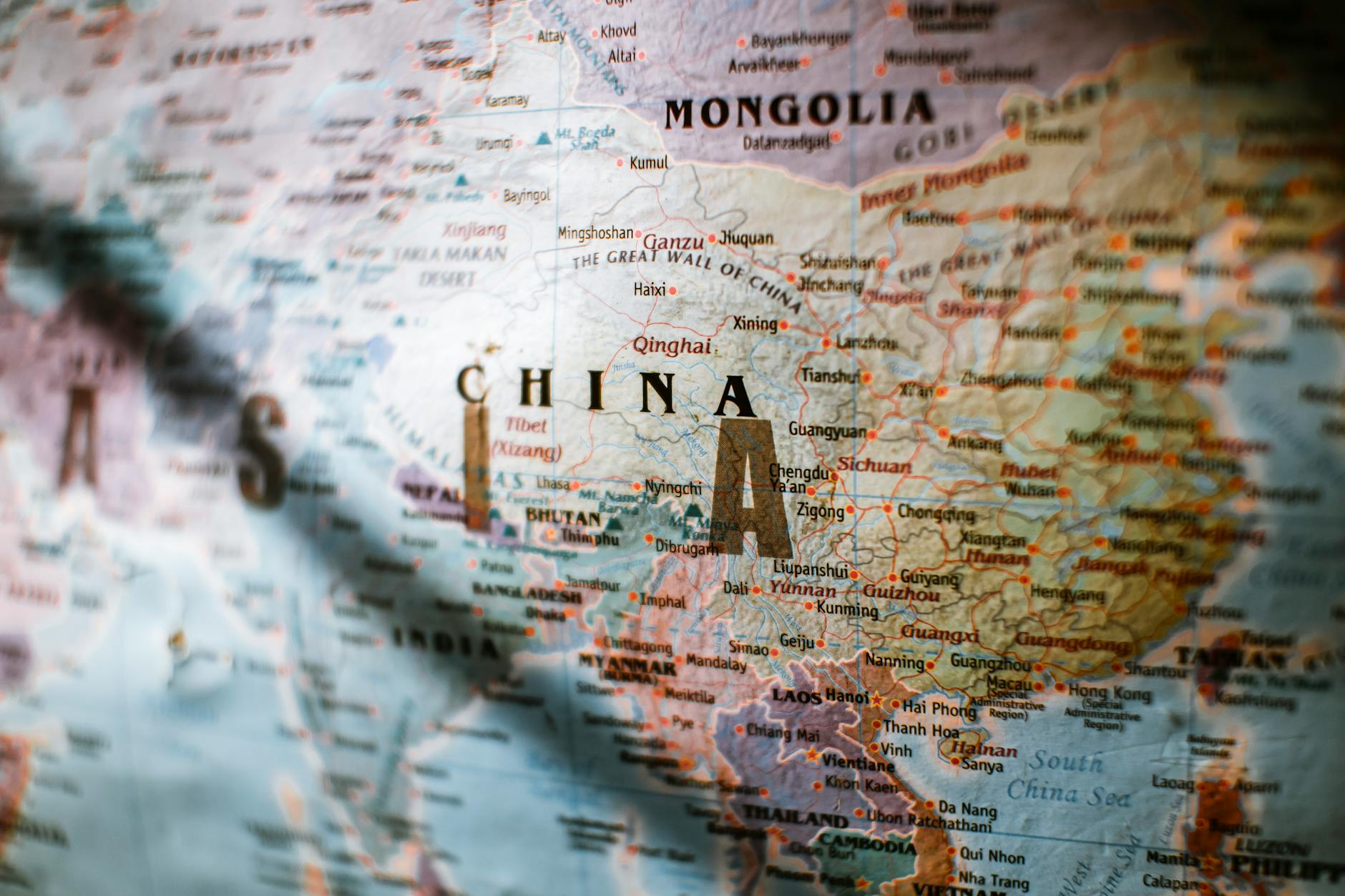
NEW DELHI — America's blockade of Iranian ports has exposed the Indo-Pacific's vulnerability to external shocks, eroding trust in U.S. security guarantees symbolized by bases in Japan and South Korea. Decades of reliance on Washington for freedom of navigation in the South China Sea now appear as hollow pledges, torn apart by the conflict's initiation.
Asia's prosperity, tethered to distant energy flows, suffers immediate hits: skyrocketing prices, severed supply chains, and domestic unrest. Nations pivot from dependence to self-reliance, forging partnerships around China, India, and Japan. Beijing's non-interventionist model appeals to the Global South, building capacity without war's distractions.
India's non-aligned stance positions it centrally, adept at balancing contradictions in a multipolar world. Delhi's geographic heft draws neighbors seeking alternatives to faltering U.S. leadership. Japan sheds post-war pacifism, embracing offensive capabilities to safeguard energy imports amid shaken faith in America.
The Iran war clarifies Asia's need for responsibility over reliance. Hedging accelerates as U.S. value rhetoric rings false. Tokyo moves decisively toward normalcy, no longer passive in the face of threats.
Regional mechanisms gain urgency, from Afghanistan's neighbors to broader Indo-Pacific forums. The shift redefines power balances, with Asia charting its own course beyond Washington's orbit.