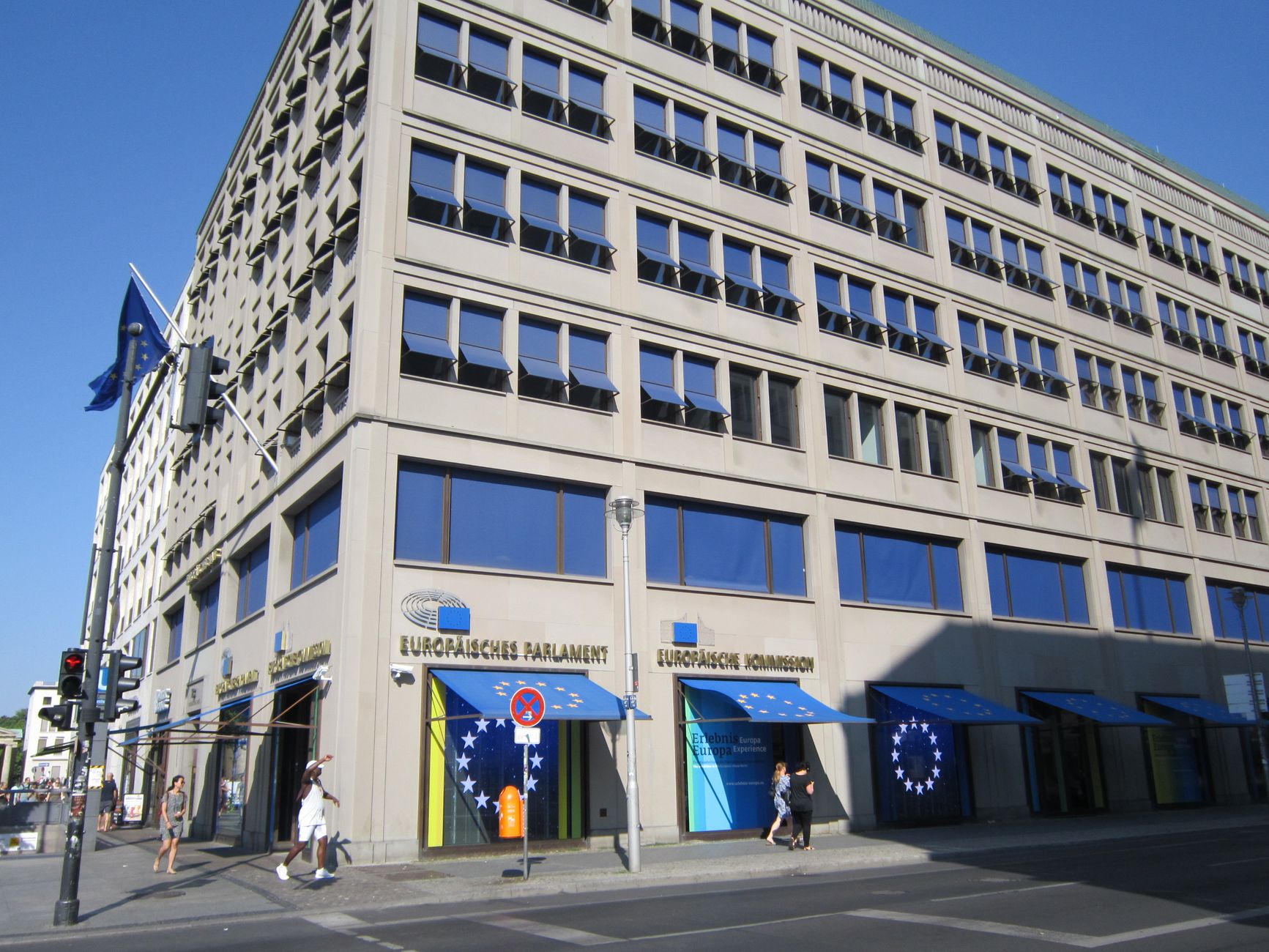
The European Union’s institutional system was never meant to be simple. The European Commission initiates legislation and manages the budget, the Council brings together national leaders, the Parliament shares lawmaking power, and the European Central Bank oversees monetary policy for the eurozone.[1] Together, they give Europe reach; together, they also create bottlenecks.
That structure made sense when the main goal was integration through rules. It is under strain now that the Union is being asked to respond to migration, war, industrial competition and democratic backsliding at once.[1][4] The more urgent the problem, the more visible the gap between Europe’s political rhetoric and its institutional tempo.
The Commission remains the bloc’s most powerful day-to-day actor, but power in Brussels is often indirect. It drafts, coordinates, enforces and negotiates rather than simply commands.[1] That makes it indispensable in stable times and vulnerable in turbulent ones, when national capitals want action without surrendering control.
This tension is not new, but it is sharper now because the EU is trying to do more in more sensitive domains. Foreign policy, defense cooperation and economic security all pull the bloc toward greater centralization, while member states still guard core sovereignty closely.[1][3] The result is a Union that expands its agenda faster than it expands its political consent.
Europe’s institutional question is no longer whether the machinery works. It is whether the machinery can be made credible to citizens who are being asked to accept bigger decisions from a system that still often looks remote, procedural and deferred.[1][4]