The 2026 election calendar is already exposing how fragmented American democracy has become. All 435 House seats and 35 Senate seats will be contested, but the bigger story is the growing state-level scramble over election rules, security and access.
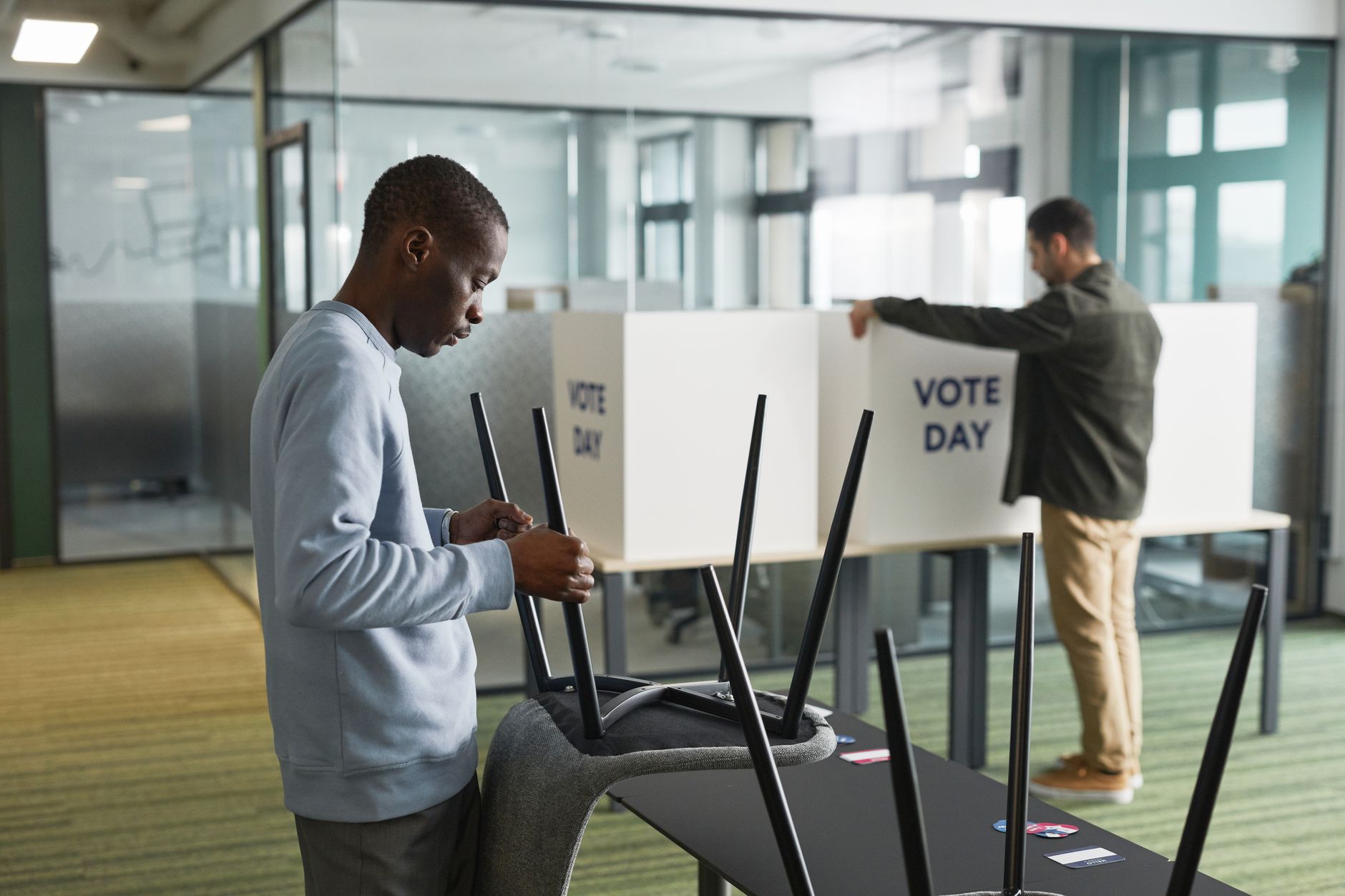
According to reporting on the 2026 cycle, proposals have been introduced in several states to restrict immigration enforcement or the presence of federal forces near polling places and other election sites. That may sound procedural, but it points to a much deeper anxiety: elections are increasingly being treated as security events rather than civic rituals.
This shift matters because it changes the political meaning of the ballot box. When parties fight over where federal officers can stand, what happens near polling stations and who controls the perimeter of democracy, the dispute is no longer only about turnout. It is about trust.
The campaign season is also being shaped by instability inside the political class itself. A wave of resignations, deaths and special-election turnovers has already altered the map in ways that reward opportunists and punish slow-moving parties.
For voters, the message is blunt: 2026 is not beginning with a clean institutional baseline. It is starting with a system under stress, where every contest over procedure feels like a preview of the larger battle over legitimacy that will define the next Congress.