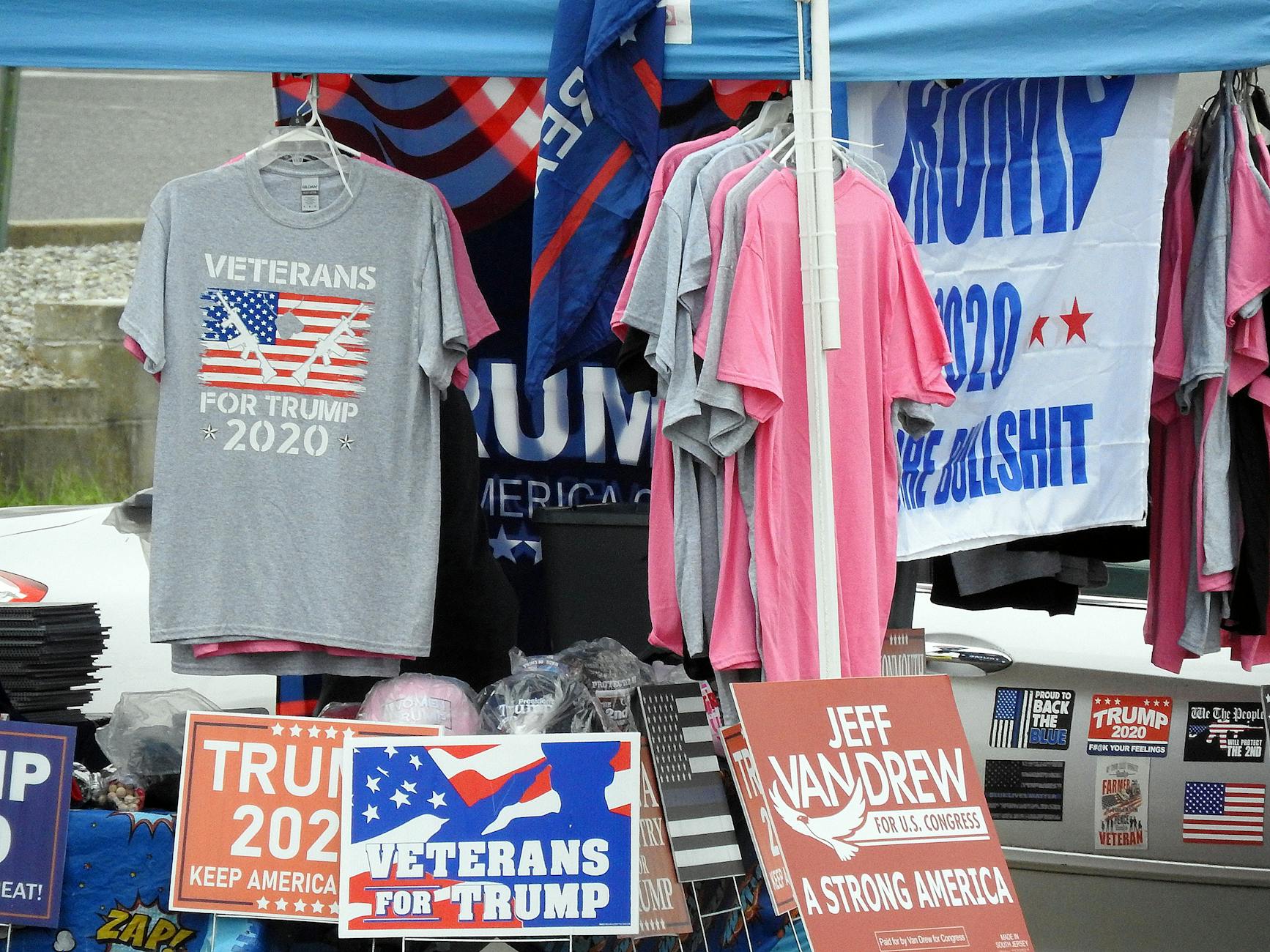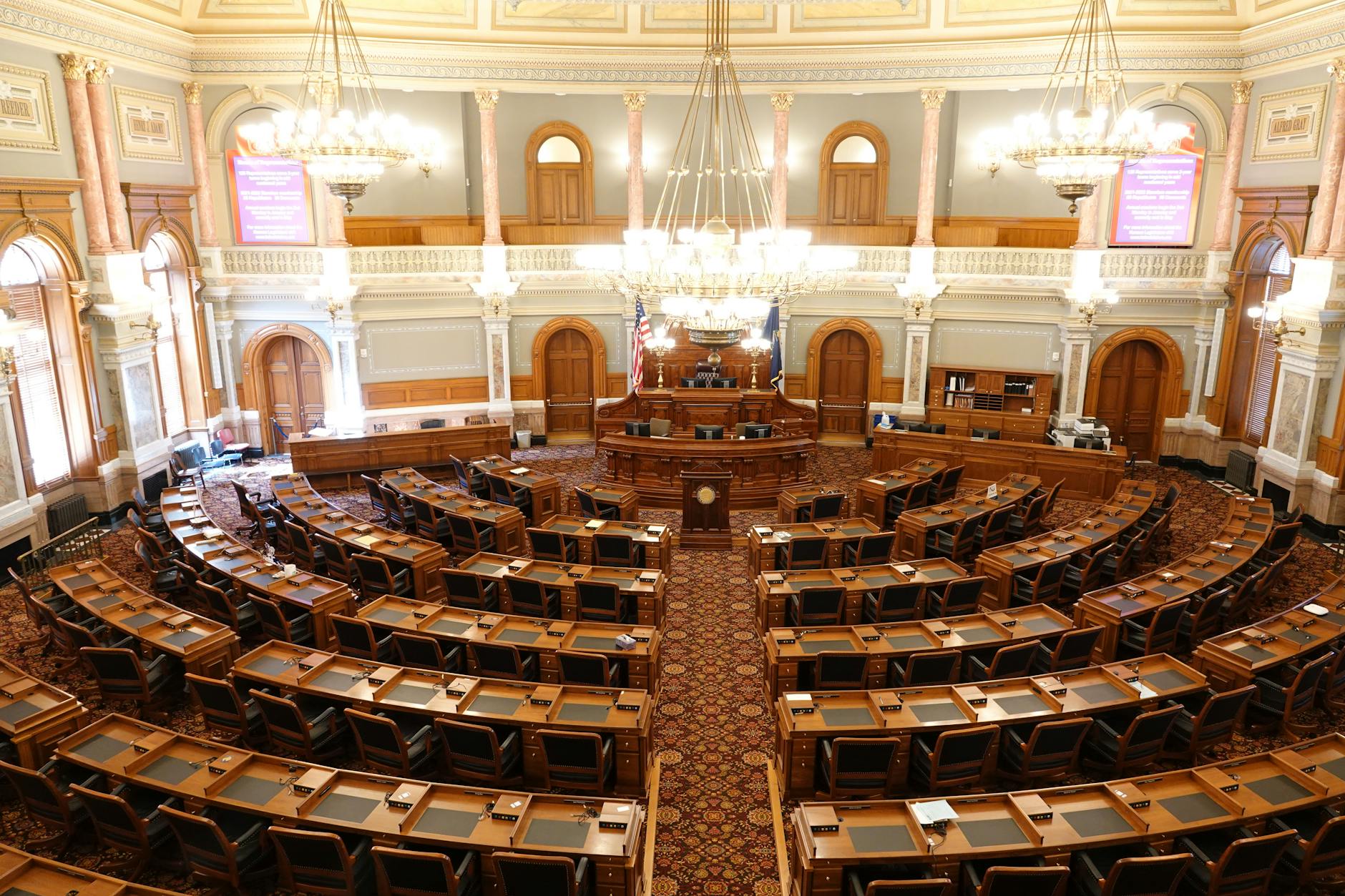
The 2026 midterm elections are no longer a distant calendar item; they are the central organizing force of American politics. With every House seat and 35 Senate seats on the ballot, the race will decide not only control of Congress but also whether President Trump faces a divided government or a freer hand in the second half of his term.[1]
That alone would make the year combustible. But the deeper fight is over the shape of the electorate itself, from redistricting and court challenges to the nationalization of local races. In a cycle this large, small shifts in a handful of states can reset the balance of power in Washington and turn state-level mapmaking into a national obsession.[1]
Republicans are betting that fatigue with inflation, foreign crises, and nonstop partisan warfare will keep them competitive even in territory that usually leans blue. Democrats, meanwhile, are trying to frame the election as a referendum on governing style, warning that one-party power has become synonymous with turbulence rather than stability.
The result is a campaign season that already feels less like a debate over policy and more like a stress test for American institutions. Candidates will be forced to answer a basic question: in a year when the country is being pulled by war, prices, and polarization, who can still claim to be in control?
That question may matter more than ideology. Voters rarely cast midterm ballots on abstraction; they punish drift, reward discipline, and look for signs that somebody in Washington is paying attention. In 2026, both parties are entering the race aware that the map is only the starting point.